 Zobrazit v interiéru
 Odeslat
 Sdílet
 Podrobnosti
 Průvodce

 Stáhnout obrázek
 Podobné kousky
 Rentgenové snímky
 Slideshow
 Statistiky
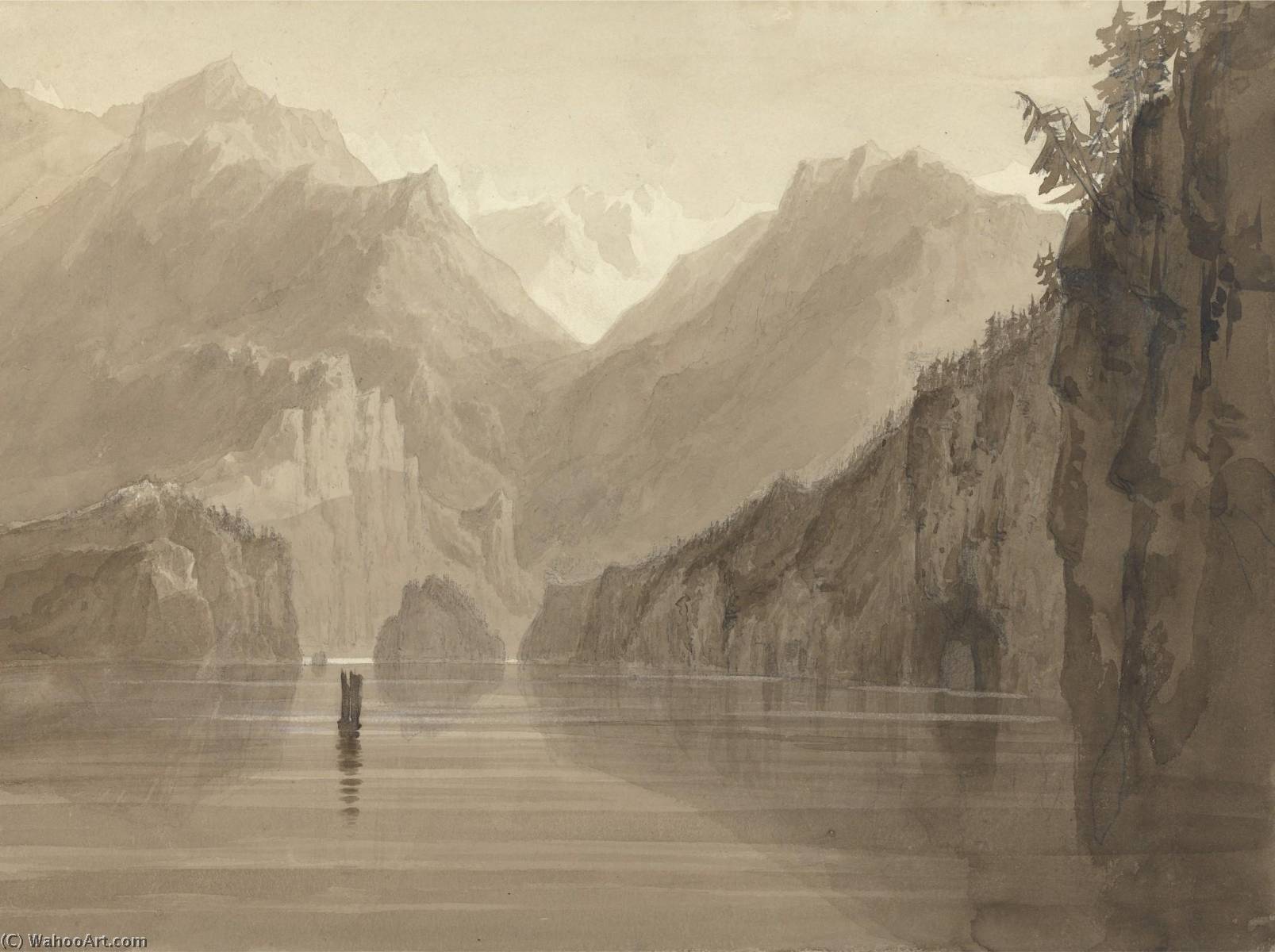
A Lake in Norway


 Přečíst si více
Giclée / Umělecký tisk
Giclée nebo plátěný tisk muzeální kvality s rychlou výrobou a širokou nabídkou povrchových úprav. ( Objednat ručně malovanou reprodukci Přepnout na digitální verzi obrazu)




P118B $10

P118H $10

P118W $10

P438Z $10

P508JH $12

P508YH $12

P805H $10

P805Z $10

P919BZ $10

P919G $10

P919XJ $10

P959ZH $10

P968JZ $12

W106C $8

W218G $10

W218JH $8

W218Y $10

W307PJ $10

W316G $10

W316PJ $8

W316Y $10

W398PJ $8

W4111J $10

W500HY $15

W500JH $15

W692G $12

W849H $8

W940BG $15

W953PJ $8




Vyberte si z našich přednastavených velikostí, které odpovídají původním proporcím díla.

Můžete zadat vlastní rozměry tak, aby výtvor odpovídal konkrétnímu rámu nebo prostoru. Pokud zvolená velikost nebude odpovídat poměru stran původního obrazu, dílo buď ořížeme, nebo obraz rozšíříme pomocí zrcadlového efektu či jednobarevného okraje. Před zahájením výroby vám bude zaslán digitální náhled k schválení.
Mějte prosím na paměti, že náhled na obrazovce neodráží skutečné oříznutí nebo rozšíření. Pouze digitální náhled přesně zobrazí finální kompozici.
Ačkoliv jsou k dispozici i vlastní rozměry, pro zachování původních proporcí doporučujeme vybrat si rozměr z předdefinovaného seznamu.
Celosvětové doručení () do 2 týdnů namísto standardních 4/5 týdnů. (25 září)

Zdarma celosvětová expresní doprava

Vysoce kvalitní lněné plátno

Úplné pojištění přepravy

Záruka vrácení celního poplatku

Záruka věrného barevného shodu

100dení lhůta pro vrácení zboží (pouze při vadách výroby)

100% garance vrácení peněz

Sleva při více objednávkách
 Skleněná varianta je dostupná pouze u rozměrů menších než 110 cm

A Lake in Norway
Giclée / Umělecký tisk
Velikost reprodukce
-


Celková cena
$ 80
A Vision of the Norwegian Landscape – James Francis Danby’s “A Lake in Norway”
James Francis Danby's "A Lake in Norway," painted around 1825, isn’t merely a depiction of a picturesque scene; it’s an immersive experience, a window into the Romantic soul grappling with the sublime power and profound beauty of nature. This watercolor, now housed within the Yale Center for British Art, captures a moment suspended between dawn and dusk on the shores of a Norwegian lake – a place that feels both intimately familiar and utterly remote, echoing the emotional complexities inherent in the Romantic movement itself.
The scene unfolds with a deliberate sense of atmospheric depth. A brooding sky, rendered in layers of indigo, grey, and bruised purple, dominates the upper portion of the canvas, hinting at an impending storm or perhaps simply the lingering shadows of night. Below, the lake reflects this turbulent sky, its surface shimmering with an ethereal quality – not a mirror image of reality, but rather a translation of mood into visual form. The mountains rising majestically in the background are painted with broad, confident strokes, their peaks partially obscured by mist, lending them an air of ancient mystery and formidable grandeur.
The Romantic Spirit: Echoes of Byron and Turner
Danby’s work firmly resides within the tradition established by artists like William Blake and John Martin, but it possesses a uniquely Irish sensibility. The influence of the Byronic hero – brooding, melancholic, and deeply connected to nature – is palpable. The solitary figure on the lake's shore isn’t simply observing; he’s engaged in a profound communion with the landscape, a silent dialogue between man and the vastness of creation. This resonates strongly with the Romantic emphasis on individual experience and the power of emotion.
Furthermore, there’s a clear kinship to J.M.W. Turner, though Danby's approach is more restrained. Like Turner, he masterfully employs light and shadow to evoke atmosphere, but where Turner often utilizes vibrant color to convey energy, Danby favors muted tones – predominantly blues, greys, and browns – creating a sense of quiet contemplation and subdued drama. The painting’s palette isn’t about showcasing beauty; it's about conveying feeling.
Technique and Composition: A Masterclass in Atmospheric Painting
Danby’s technique is characterized by loose, expressive brushstrokes—a hallmark of the watercolor medium. He avoids meticulous detail, instead prioritizing the suggestion of form and texture. The mountains aren’t sharply defined; they dissolve into the mist, creating a sense of distance and emphasizing their scale. The figure on the shore is similarly rendered with minimal precision, becoming almost an integral part of the landscape itself.
Compositionally, the painting employs a pyramidal structure, drawing the eye upwards from the foreground to the distant peaks. The placement of the solitary figure anchors the scene and provides a focal point for the viewer’s attention. The use of horizontal lines – the lake's surface, the horizon line – creates a sense of stability and balance, while the diagonal thrust of the mountains adds dynamism and visual interest.
Symbolism and Emotional Resonance
Beyond its purely representational qualities, “A Lake in Norway” is rich in symbolism. The stormy sky can be interpreted as a reflection of inner turmoil or perhaps a premonition of change. The solitary figure represents the individual’s search for meaning and connection within the overwhelming vastness of nature. The lake itself—a symbol of tranquility and introspection—offers a space for contemplation and escape.
Ultimately, Danby's painting is not simply a landscape; it’s an emotional journey. It invites us to lose ourselves in its atmosphere, to contemplate our place within the natural world, and to experience the sublime beauty and profound mystery of the Norwegian wilderness. It remains a powerful testament to the enduring legacy of Romanticism and Danby's unique artistic vision.
Biografie umělce
A Romantic Visionary: The Life and Art of James Francis Danby
Born in County Wexford, Ireland, in 1793, James Francis Danby emerged as a significant figure within the British Romantic movement, crafting landscapes imbued with dramatic intensity and emotional resonance. His canvases, often vast in scale and steeped in atmospheric effects, stand alongside those of contemporaries like John Martin and J.M.W. Turner, yet possess a unique character rooted in his Irish origins and artistic journey. Danby’s early life was marked by upheaval; the death of his father in 1807 forced a relocation to Dublin, where he began formal art training at the Royal Dublin Society's schools under James Arthur O’Connor and alongside George Petrie. This foundational period instilled in him not only technical skills but also an appreciation for landscape as a vehicle for expressing profound feeling—a hallmark of the burgeoning Romantic sensibility. A pivotal moment arrived in 1813 when Danby, accompanied by O’Connor and Petrie, ventured to London seeking artistic opportunities. Initial struggles led them to Bristol, where Danby discovered success selling watercolor drawings, an experience that proved crucial in shaping his developing style.The Flourishing of the Bristol School
Bristol became a fertile ground for Danby’s artistic growth, as he quickly rose to prominence within the informal collective known as the Bristol School. Initially centered around Edward Bird, this group fostered an environment of shared sketching excursions and mutual influence. Danby soon succeeded Bird as its leading figure, inheriting a naturalistic approach characterized by fresh colors and meticulous observation. Works like “Boys Sailing a Little Boat” (circa 1821) exemplify this early style, showcasing his ability to capture the subtle nuances of light and atmosphere. However, Danby’s ambition extended beyond mere representation; encouraged by figures such as Edward Villiers Rippingille, Francis Gold, and notably George Cumberland—a friend of William Blake—he began to explore more imaginative and poetic subjects. Cumberland's influence was particularly significant, suggesting themes for paintings and potentially introducing Danby to the visionary power of Blake’s art. This exposure ignited a shift towards grander, more emotionally charged compositions that would define his mature style. The Bristol School provided not just technical guidance but also a vital network of support and encouragement as Danby began to forge his own distinct artistic path.Dramatic Visions and Critical Acclaim
Danby’s breakthrough arrived with “The Upas Tree of Java” (1820), a painting that garnered immediate recognition and secured his election as an Associate Member of the Royal Academy. This work, depicting a poisonous tree from Indonesian folklore, showcased his mastery of dramatic composition and atmospheric effects—qualities that resonated deeply with the Byronic taste prevalent in the 1820s. He continued to produce ambitious canvases such as “Disappointed Love” (1821), demonstrating his characteristic poetical approach to landscape, potentially influenced by the writings of Samuel Taylor Coleridge. "An Enchanted Island" (1825) proved particularly influential, inspiring other Bristol School artists and earning praise from Letitia Elizabeth Landon in her celebrated collection, “The Troubadour.” His ambition reached new heights with “Opening of the Sixth Seal” (1828), a large-scale narrative scene purchased by the discerning collector William Beckford. These works established Danby as a leading exponent of Romantic landscape painting, renowned for his ability to evoke powerful emotions and transport viewers to realms of imagination and awe. His style is characterized by vast illusionist canvases depicting grand, gloomy, and fantastic subjects – themes that resonated with the Byronic taste of the 1820s.Later Years and Enduring Legacy
Following a period spent on the shores of Lake Geneva in Switzerland and a brief sojourn in Paris, Danby returned to England in 1840, revitalizing his reputation with “The Deluge” – a monumental work that showcased his continued mastery of dramatic composition. While some later paintings, such as "The Woodnymph's Hymn to the Rising Sun" (1845), displayed a calmer aesthetic, he ultimately returned to his earlier, more theatrical mode with pieces like “The Shipwreck” (1859). Throughout his career, Danby grappled with financial difficulties and critical fluctuations, yet he remained committed to his artistic vision. He continued exhibiting regularly, showcasing both new works and revisiting themes from his earlier successes. James Francis Danby died in 1861, leaving behind a body of work that continues to captivate audiences today. His legacy rests on his significant contribution to British Romantic art. Along with John Martin and J.M.W. Turner, he is celebrated for his imaginative landscapes and ability to evoke powerful emotions through his paintings, solidifying his place as a visionary artist of the 19th century.Key Characteristics of Danby’s Art
- Dramatic Landscapes: Vast, sweeping vistas often featuring turbulent skies and seas.
- Emotional Intensity: Paintings imbued with a sense of awe, mystery, and emotional depth.
- Romantic Themes: Exploration of themes such as the sublime, the power of nature, and human vulnerability.
- Illusionistic Technique: Masterful use of light, shadow, and perspective to create a sense of realism and grandeur.
- Narrative Elements: Many works incorporate narrative elements drawn from mythology, literature, or biblical stories.

James Francis Danby
1793 - 1861 , Irsko
Rychlé informace
- Artistic Movement Or Style: Romantismus
- Artists Or Movements Influenced By This Artist: ['Bristol School']
- Artists Who Influenced This Artist:
- John Martin
- Blake
- Date Of Birth: 1793
- Date Of Death: 1861
- Full Name: James Francis Danby
- Nationality: Irský
- Notable Artworks:
- Upas Tree
- Disappointed Love
- Opening Seal
- Place Of Birth: Wexford, Irsko
Související články

Ephemeral Visions: Exploring the Artistic Legacy & Nuances of Watercolor Painting
Explore the captivating world of watercolor painting! Discover its rich history, essential techniques, influential artists & collecting tips from art experts. A comprehensive guide for enthusiasts.

Sir Alfred James Munnings: Top 25 Děl Mistra Koní – Umění a Dekorace pro Vaši Sbírku
Prozkoumejte 25 ikonických obrazů Alfreda Jamese Munnings, mistra koní a anglického impresionismu. Obdivujte realistické krajinomalby, jezdecké scény a válečné obrazy. Reprodukce a luxusní dekorace na OriginalUniqueArt.com! Prohlédněte si celou sbírku online.

Ephemeral Visions: Exploring the Artistic Legacy & Contemporary Practice of Watercolor Painting
Explore the captivating world of watercolor painting! Discover its rich history, essential techniques, influential artists & collecting tips. A comprehensive guide for art enthusiasts from OriginalUniqueArt.

10 legendárních akvarelů, které změnily svět umění | OriginalUniqueArt
Objevte 10 legendárních akvarelů od Turner, Monet a dalších mistrů! Ponořte se do historie umění a inspirujte se pro váš interiér. Kvalitní reprodukce na OriginalUniqueArt.com.

Ephemeral Visions: Exploring the History & Emotional Resonance of Watercolor Painting
Explore the captivating history of watercolor painting, from ancient techniques to modern masters like Kandinsky & Blake. Discover essential artists, collecting tips & the emotional power of this luminous medium. Expert insights for art enthusiasts.