Zobrazit v interiéru
 Odeslat
 Sdílet
 Podrobnosti
 Průvodce

 Stáhnout obrázek
 Podobné kousky
 Rentgenové snímky
 Slideshow
 Statistiky
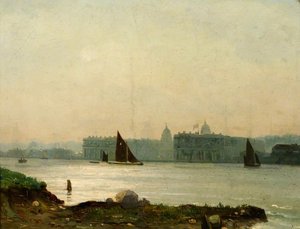
Mlýn poblíž Tinternu
 Akryl na plátně
- Obrazová tvorba na stěnu
- Romantic Landscape Painting
 1826
1826 Bristol Museum And Art Gallery
 Přečíst si více
Ručně malovaná olejová reprodukce
Ručně malované olejné plátno v libovolném rozměru i s rámem, vyrobené našimi umělci na zakázku. ( Přepnout na tiskové verze Přepnout na digitální verzi obrazu)




P118B Kč10

P118H Kč10

P118W Kč10

P438Z Kč10

P508JH Kč12

P508YH Kč12

P805H Kč10

P805Z Kč10

P919BZ Kč10

P919G Kč10

P919XJ Kč10

P959ZH Kč10

P968JZ Kč12

W106C Kč8

W218G Kč10

W218JH Kč8

W218Y Kč10

W307PJ Kč10

W316G Kč10

W316PJ Kč8

W316Y Kč10

W398PJ Kč8

W4111J Kč10

W500HY Kč15

W500JH Kč15

W692G Kč12

W849H Kč8

W940BG Kč15

W953PJ Kč8




Vyberte si z našich přednastavených velikostí, které odpovídají původním proporcím díla.

Zadejte šířku a výšku, které potřebujete pro váš rám nebo stěnu. Protože se jedná o ruční malbu, při výběru jiného formátu může umělec kolem obrazu domalovat o něco více, nebo jej mírně oříznout — rozhodnete si vy. Před zahájením malby vám zašleme digitální náhled ke schválení. Obraz zobrazený na této stránce neodpovídá skutečnému výsledku — pouze digitální náhled jej zobrazuje.
Po přijetí objednávky vám tým OriginalUniqueArt.com zašle e-mail s pokyny a poskytne náhledovou verzi.
Celosvětová doprava () za 3–4 týdny namísto standardních 5 týdnů. (24 říjen). Bez kompromisů v kvalitě.

Zdarma celosvětová expresní doprava

Vysoce kvalitní lněné plátno

Úplné pojištění přepravy

Záruka vrácení celního poplatku

Záruka věrného barevného shodu

100dení lhůta pro vrácení zboží (pouze při vadách výroby)

100% garance vrácení peněz

Sleva při více objednávkách
 Skleněná varianta je dostupná pouze u rozměrů menších než 110 cm

Mlýn poblíž Tinternu
Technika provedení
Velikost reprodukce
-


Celková cena
Kč 6408
James Francis Danbyho obraz „Mlýn u Tintern“ – Pohled do romantické duše
James Francis Danby (1793–1861), irský romantický malíř, představuje fascinující spojení pozorování přírody a emocionálního vyjádření. Jeho dílo „Mlýn u Tintern“, vytvořeno kolem roku 1824-1826, není jen krásná krajina; je to komplexní obraz, který odráží ducha doby a filozofii romantismu. Tento výstava v Bristol Museum & Art Gallery nám umožňuje prohlédnout si autentickou reprodukci tohoto ikonického díla. Danby získal své umělecké vzdělání na Royal Dublin Society’s schools pod vedením Jamese Arthura O'Connora a Georgie Petrieho, což ho vybavilo nejen odbornými znalostmi, ale i láskou k krajině jako prostředku vyjadřování hlubokých emocí – základem romantické estetiky. Jeho tvorba byla ovlivněna pozorovatelským zájmem o okolní svět a jeho schopností zachytit atmosféru přírody s mimořádnou přesností. Tento obraz je důkazem tohoto přístupu, který byl charakteristický pro největší představitele romantismu. Technika Danbyho byla inovativní pro svou dobu. Používal olejové barvy na plátno, což umožňovalo vytvořit bohaté a živoucí obrazy s důrazem na osvětlení a perspektivu. Jeho práce jsou známé svým dramatickým použitím světla a kontrastu, což vytváří působivý efekt, který dokáže vyvolat silné emocionální reakce u diváka. Danby se inspiroval především pozorováními přírody – zejména vodními scenami – což je patrné i v „Mlýně u Tintern“. Tento obraz zachycuje klidnou scénu řeky a mlýna, která působí dojmem nostalgie a krásy jednoduchosti. Historický kontext tvorby Danbyho byl zásadní pro jeho estetické hodnoty. Romantismus jako umělecká filozofie odmítal racionalismus osvícenství a vyjadřoval touhu po emocích, fantazii a osobním zážitku. Umělci tohoto období hledali inspiraci v historii, mytologii a náboženství, aby vytvořili díla, která vyprávěla příběhy o lidské duši a jejím vztahu k okolnímu světu. „Mlýn u Tintern“ je dokonalým zobrazením tohoto romantického ducha – obraz působivě vyjadřuje krásu přírody a zároveň vyvolává otázky o životě, smrti a smyslu existence. Jeho estetická síla zůstává aktuální i dnes, inspirující umělce a dekorátory po celém světě.- Styl: Romantický
- Technika: Olejové barvy na plátno
- Hlavní motiv: Krajina vodní sceny
- Symbolismus: Pokoj, jednoduchost, nostalgie
Otázky a odpovědi
Mohu si před koupí prohlédnout „Mlýn poblíž Tinternu“ od James Francis Danby na své vlastní stěně?
Dílo „Mlýn poblíž Tinternu“ od James Francis Danby si můžete prohlédnout přímo na své vlastní stěně díky stránce Náhled v AR s využitím rozšířené reality na kompatibilním zařízení.
Kdo je autorem a z jakého roku pochází dílo "Mlýn poblíž Tinternu"?
Autorem díla „Mlýn poblíž Tinternu“ je James Francis Danby a dílo pochází z roku 1826.
Jakou barvu v kompozici díla „Mlýn poblíž Tinternu“ od James Francis Danby dominuje?
Dominantní barvou díla „Mlýn poblíž Tinternu“ od James Francis Danby je Espresso (#5a5034).
Biografie umělce
A Romantic Visionary: The Life and Art of James Francis Danby
Born in County Wexford, Ireland, in 1793, James Francis Danby emerged as a significant figure within the British Romantic movement, crafting landscapes imbued with dramatic intensity and emotional resonance. His canvases, often vast in scale and steeped in atmospheric effects, stand alongside those of contemporaries like John Martin and J.M.W. Turner, yet possess a unique character rooted in his Irish origins and artistic journey. Danby’s early life was marked by upheaval; the death of his father in 1807 forced a relocation to Dublin, where he began formal art training at the Royal Dublin Society's schools under James Arthur O’Connor and alongside George Petrie. This foundational period instilled in him not only technical skills but also an appreciation for landscape as a vehicle for expressing profound feeling—a hallmark of the burgeoning Romantic sensibility. A pivotal moment arrived in 1813 when Danby, accompanied by O’Connor and Petrie, ventured to London seeking artistic opportunities. Initial struggles led them to Bristol, where Danby discovered success selling watercolor drawings, an experience that proved crucial in shaping his developing style.The Flourishing of the Bristol School
Bristol became a fertile ground for Danby’s artistic growth, as he quickly rose to prominence within the informal collective known as the Bristol School. Initially centered around Edward Bird, this group fostered an environment of shared sketching excursions and mutual influence. Danby soon succeeded Bird as its leading figure, inheriting a naturalistic approach characterized by fresh colors and meticulous observation. Works like “Boys Sailing a Little Boat” (circa 1821) exemplify this early style, showcasing his ability to capture the subtle nuances of light and atmosphere. However, Danby’s ambition extended beyond mere representation; encouraged by figures such as Edward Villiers Rippingille, Francis Gold, and notably George Cumberland—a friend of William Blake—he began to explore more imaginative and poetic subjects. Cumberland's influence was particularly significant, suggesting themes for paintings and potentially introducing Danby to the visionary power of Blake’s art. This exposure ignited a shift towards grander, more emotionally charged compositions that would define his mature style. The Bristol School provided not just technical guidance but also a vital network of support and encouragement as Danby began to forge his own distinct artistic path.Dramatic Visions and Critical Acclaim
Danby’s breakthrough arrived with “The Upas Tree of Java” (1820), a painting that garnered immediate recognition and secured his election as an Associate Member of the Royal Academy. This work, depicting a poisonous tree from Indonesian folklore, showcased his mastery of dramatic composition and atmospheric effects—qualities that resonated deeply with the Byronic taste prevalent in the 1820s. He continued to produce ambitious canvases such as “Disappointed Love” (1821), demonstrating his characteristic poetical approach to landscape, potentially influenced by the writings of Samuel Taylor Coleridge. "An Enchanted Island" (1825) proved particularly influential, inspiring other Bristol School artists and earning praise from Letitia Elizabeth Landon in her celebrated collection, “The Troubadour.” His ambition reached new heights with “Opening of the Sixth Seal” (1828), a large-scale narrative scene purchased by the discerning collector William Beckford. These works established Danby as a leading exponent of Romantic landscape painting, renowned for his ability to evoke powerful emotions and transport viewers to realms of imagination and awe. His style is characterized by vast illusionist canvases depicting grand, gloomy, and fantastic subjects – themes that resonated with the Byronic taste of the 1820s.Later Years and Enduring Legacy
Following a period spent on the shores of Lake Geneva in Switzerland and a brief sojourn in Paris, Danby returned to England in 1840, revitalizing his reputation with “The Deluge” – a monumental work that showcased his continued mastery of dramatic composition. While some later paintings, such as "The Woodnymph's Hymn to the Rising Sun" (1845), displayed a calmer aesthetic, he ultimately returned to his earlier, more theatrical mode with pieces like “The Shipwreck” (1859). Throughout his career, Danby grappled with financial difficulties and critical fluctuations, yet he remained committed to his artistic vision. He continued exhibiting regularly, showcasing both new works and revisiting themes from his earlier successes. James Francis Danby died in 1861, leaving behind a body of work that continues to captivate audiences today. His legacy rests on his significant contribution to British Romantic art. Along with John Martin and J.M.W. Turner, he is celebrated for his imaginative landscapes and ability to evoke powerful emotions through his paintings, solidifying his place as a visionary artist of the 19th century.Key Characteristics of Danby’s Art
- Dramatic Landscapes: Vast, sweeping vistas often featuring turbulent skies and seas.
- Emotional Intensity: Paintings imbued with a sense of awe, mystery, and emotional depth.
- Romantic Themes: Exploration of themes such as the sublime, the power of nature, and human vulnerability.
- Illusionistic Technique: Masterful use of light, shadow, and perspective to create a sense of realism and grandeur.
- Narrative Elements: Many works incorporate narrative elements drawn from mythology, literature, or biblical stories.

James Francis Danby
1793 - 1861 , Irsko
Rychlé informace
- Artistic Movement Or Style: Romantismus
- Artists Or Movements Influenced By This Artist: ['Bristol School']
- Artists Who Influenced This Artist:
- John Martin
- Blake
- Date Of Birth: 1793
- Date Of Death: 1861
- Full Name: James Francis Danby
- Nationality: Irský
- Notable Artworks:
- Upas Tree
- Disappointed Love
- Opening Seal
- Place Of Birth: Wexford, Irsko
Související články

James Abbott McNeill Whistler: Top 25 mistrovských děl pro váš interiér | OriginalUniqueArt.com
Prozkoumejte 25 ikonických děl Jamese Abbotta McNeilla Whistlera! Obrazy Nocturnes, portréty a estetismus. Inspirace pro interiér s uměleckými reprodukcemi nejvyšší kvality na OriginalUniqueArt.com. Objevte celou kolekci online.

Georges Seurat: 25 mistrovských děl a revoluce bodové techniky | OriginalUniqueArt
Prozkoumejte 25 ikonických děl Georges Seurata – průkopníka impresionismu a bodové techniky. Objevte příběhy za slavnými obrazy, barevnou teorii a inspirujte se pro váš interiér s reprodukcemi nejvyšší kvality na OriginalUniqueArt.com.
Francis Bacon: Top 25 děl mistra expresionismu pro váš interiér | OriginalUniqueArt.com
Prozkoumejte top 25 děl Francis Bacona – mistra expresionismu. Objevíte jeho portréty, triptychy a emotivní malbu plnou temných barev. Reprodukce obrazů pro luxusní dekoraci interiéru na OriginalUniqueArt.com. Prohlédněte si celou kolekci online!
Roy Lichtenstein: Top 25 děl pop artu pro váš interiér | OriginalUniqueArt.cz
Prozkoumejte 25 ikonických děl Roye Lichtensteina – průkopníka pop artu. Obrazy s komiksovými motivy, výrazné barvy a unikátní technika ben-day dots. Najděte inspiraci pro váš interiér a kvalitní reprodukce na OriginalUniqueArt.cz! Prozkoumejte celou kolekci online.

Rembrandt van Rijn: Top 25 mistrovských děl pro váš interiér | OriginalUniqueArt.cz
Prozkoumejte 25 nejlepších děl Rembrandta van Rijna – od portrétů po biblické scény. Objevte příběhy, techniky a inspiraci nizozemského baroka. Reprodukce obrazů pro váš interiér na OriginalUniqueArt.cz.