Impressionistic Sketching
The Orchard (James Ensor)
James Ensor (1860–1949) vytvořil dílo The Orchard. Patří k hnutí Impressionistic Sketching. Je vyrobeno z Acrylic On Canvas. Nachází se v Harvard Art Museums v Cambridge, Spojené státy americké.
- Acrylic On Canvas
- Harvard Art Museums, Cambridge

 Náhled v interiéru

 Ručně malovaná olejná reprodukce
 Sdílet
 Sdílet
 Informační list


 Stáhnout
 Podobné položky
 Rentgenové snímky
 Slideshow
 Otázky a odpovědi

 Statistiky
The Orchard v kostce
- Název díla
- The Orchard
- Autor
- James Ensor (1860–1949)
- Rok narození umělce
- Ostende, Belgie
- Technika
- Acrylic On Canvas
- Kde jej vidět
- Harvard Art Museums, Cambridge, Spojené státy americké
- Období
- Early Medieval
- Motiv
- orchard, landscape, sketch, trees, rural, sketching
Co przedstawuje dílo The Orchard?
A Silent Orchard’s Echoes: James Ensor's "The Orchard"
James Ensor’s “The Orchard,” painted in 1886, isn’t merely a depiction of a rural landscape; it’s a carefully constructed psychological portrait rendered with the unsettling precision that defined the artist’s unique vision. Born in Ostend, Belgium, amidst a vibrant carnival scene – a world of masks and theatricality – Ensor carried this fascination throughout his career, translating its inherent ambiguity into his art. “The Orchard” embodies this perfectly, presenting a seemingly tranquil vista that immediately hints at something deeper, something subtly unsettling beneath the surface. The painting’s monochrome palette—a carefully orchestrated dance of grays—immediately establishes an atmosphere of quiet contemplation and restrained emotion. It's not a celebration of nature’s beauty in its purest form, but rather a considered observation filtered through Ensor’s intensely personal lens.Composition and Technique: A Sketch from the Soul
The composition is deceptively simple, yet profoundly effective. A modest building—perhaps a farmhouse or a small dwelling—nestles within a cluster of trees that recede into a hazy distance. The arrangement isn’t one of dramatic perspective; instead, it feels like a quick sketch, an impression captured in charcoal or pencil – a deliberate choice by Ensor to convey immediacy and spontaneity. Notice the visible strokes, the delicate layering of lines that build up form and texture. This technique—a hallmark of Ensor's style—is not about meticulous detail but rather about capturing the *feeling* of the scene, the way light falls on bark and shadow plays across leaves. The use of hatching and cross-hatching creates a tactile quality, inviting the viewer to almost reach out and touch the surface of the painting. The artist’s hand is undeniably present, lending an intimate and slightly melancholic quality to the work.Symbolism and the Weight of Memory
While seemingly straightforward, “The Orchard” bristles with symbolic weight. The muted colors, the solitary building, and the dense foliage all contribute to a sense of isolation and introspection. Considering Ensor’s background—his childhood spent amidst the spectacle of carnival masks – it's not surprising that this motif reappears here, albeit subtly. The orchard itself can be interpreted as a metaphor for memory, a place where fragments of the past are preserved and revisited. The building, small and unassuming, suggests a retreat from the world, a space for quiet contemplation—or perhaps, for dwelling on unresolved emotions. The lack of vibrant color further reinforces this sense of melancholy, suggesting that even in a beautiful setting, there’s an underlying sadness.Historical Context & Influences
- Ensor's work is often associated with the Symbolist movement and foreshadows Expressionism, emphasizing emotional intensity over realistic representation.
- His use of masks and theatrical elements reflects a broader interest in exploring the darker aspects of human psychology.
- The painting’s stark monochrome palette aligns with the artistic trends of late 19th-century Europe, where artists sought to move beyond traditional academic styles.
An Emotional Resonance: A Quiet Contemplation
Ultimately, “The Orchard” is a profoundly moving work that transcends its simple subject matter. It’s not a painting about apples or trees; it's a painting about the human condition—about memory, loss, and the quiet beauty of solitude. The subdued colors and expressive brushstrokes evoke a sense of melancholy and introspection, inviting viewers to contemplate their own personal histories and emotional landscapes. Reproductions of this piece offer a remarkable opportunity to bring this evocative atmosphere into any space, providing a focal point for reflection and conversation. It’s a testament to Ensor's genius that a seemingly simple orchard can hold such profound depth and resonance.Ve kterém muzeu se nachází The Orchard?
Harvard Art Museums
Cambridge, Spojené státy americké
Harmonie minulosti a současnosti: Harvardovy umělecké muzea V srdci historického kampusu Harvardovy univerzity v Cambridge, Massachusetts, se nachází komplex Harvardových uměleckých muzeí – živoucí svědectví staletí tvůrčího úsilí a hlubokého závazku k uchování a porozumění lidské kreativitě. Tato muzea nejsou pouhou sbírkou děl; představují pulzující ekosystém, kde se prolíná akademická erudice, veřejná angažovanost a architektonická velkolepost. Skládají se z Foggova muzea, Busch-Reisingerova muzea a Arthur M.


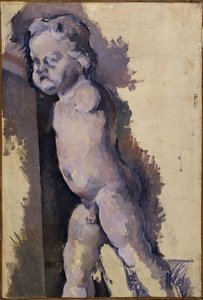
Vysokorozlišené fotografie díla The Orchard
James Ensor, The Orchard, Harvard Art Museums. Veřejná doména
Odpovědi na otázky k dílu The Orchard
Kde mohu vidět originál díla „The Orchard“ od James Ensor?
Originál díla „The Orchard“ si můžete prohlédnout v instituci Harvard Art Museums, Cambridge, Spojené státy americké.
Jakou technikou je vytvořeno dílo "The Orchard"?
„The Orchard“ je dílo vytvořené v technice Acrylic On Canvas.
Co zachycuje dílo "The Orchard"?
Motivy díla „The Orchard“ jsou orchard, landscape, sketch, trees, rural, sketching, monochrome.
Je dílo „The Orchard“ volné z autorských práv?
Co se týče autorských práv, dílo "The Orchard" spadá do v rámci volného užití – autorská práva vypršela.
K kterému umělci je dílo "The Orchard" připisováno?
Autorem díla „The Orchard“ je James Ensor. Práce je v katalogu uvedena pod jménem James Ensor.
K jakému stylu patří „The Orchard“?
Dílo „The Orchard“ od James Ensor patří k období směru Impressionistic Sketching, který dílu dodává jeho stylistický kontext.
Do které éry tvorby James Ensor spadá dílo "The Orchard"?
Dílo „The Orchard“ pochází z období Late Period v tvorbě umělce James Ensor. Tato klasifikace dílo zasazuje do kontextu vývoje jeho tvůrčí dráhy.
Jak lze vysvětlit situaci s autorskými právy u díla „The Orchard“ od James Ensor?
Dílo „The Orchard“ od James Ensor spadá do volného užívání (v rámci volného užití – autorská práva vypršela). Autorské právo vyprší po určité době od úmrtí umělce, ke kterému došlo v roce 1949.
Nachází se dílo „The Orchard“ od James Ensor v zemi původu umělce?
Ne – dílo se nachází v zahraničí. Dílo „The Orchard“ je uloženo v zemi Spojené státy americké, zatímco James Ensor se narodil(a) v zemi Belgie.
O umělci, James Ensor

1860–1949, Belgie
James Ensor
Early Life, Family and Artistic Training James Ensor was born on April 13, 1860, in Ostend, Belgium. His identity was shaped by a specific cultural intersection: his father, James Frederic Ensor, was born in Brussels to English parents, while his mother, Maria Catherina Haegheman, was Belgian. This dual heritage provided a foundation for a perspective that often sat outside the narrow confines of local tradition. Growing up, the artist lived within the walls of a souvenir shop operated by his parents in Ostend.
Také od autora James Ensor
 Vjezdění Krista do Bruselu1888
 Autoportrét s maskami1899
 Koupelny v Ostendě
 Skelety se ohřívají1889
Eseje k tématu The Orchard
 19. století v umění: Top 10 děl a jejich příběhy | OriginalUniqueArtProzkoumejte 10 ikonických děl 19. století – od romantismu po impresionismus! Obrazy Courbeta, Moneta a dalších mistrů s příběhy a technika…
 The Impressionist’s Sanctuary: Light and Water in Monet’s Giverny GardenExplore Monet's Giverny through expert analysis of his light and water techniques. Step into the master's garden today.
 Emoční transmutace ve vizuálním umění: Studie afektivní reprezentace skrze barvu, formu a texturuProzkoumejte hluboký vztah mezi emocemi a vizuálním uměním. Analýza barvy, formy a textury v obrazech od Caravaggia po současnost. Odborné …