Expressionism · 1930
Carnival (James Ensor, 1930)
James Ensor (1860–1949) vytvořil dílo Carnival. Pochází z roku 1930. Patří k hnutí Expressionism. Je vyrobeno z Oil On Canvas. Nachází se v Harvard Art Museums v Cambridge, Spojené státy americké. Rozměry jsou 66.7 × 83.2 cm.
- 1930
- Oil On Canvas
- 66.7 × 83.2 cm
- Harvard Art Museums, Cambridge

 Náhled v interiéru

 Ručně malovaná olejná reprodukce
 Sdílet
 Sdílet
 Informační list


 Stáhnout
 Podobné položky
 Rentgenové snímky
 Slideshow
 Otázky a odpovědi

 Statistiky
Carnival v kostce
- Název díla
- Carnival
- Autor
- James Ensor (1860–1949)
- Rok narození umělce
- Ostende, Belgie
- Datum vytvoření
- 1930
- Technika
- Oil On Canvas
- Rozměry
- 66.7 × 83.2 cm
- Kde jej vidět
- Harvard Art Museums, Cambridge, Spojené státy americké
- Pohyb
- Expressionism
- Období
- Modern
- Motiv
- masked figures, crowd, yellow color, red color, white color, distorted faces
Co przedstawuje dílo Carnival?
The Composition of Chaos
The canvas presents a dense arrangement of figures that occupy a shallow, crowded space. Within this composition, distorted faces and mask-like features emerge from a sea of movement. The palette relies on heavy applications of yellow, red, and white, which are set against dark outlines and deep shadows. Thick, jagged lines define the edges of the characters, creating a sense of physical friction between the overlapping forms. Ribbon-like shapes swirl through the frame, contributing to a flattened perspective where depth is difficult to discern.
The texture of the oil paint is tactile, with visible brushstrokes that remain prominent across the surface. These strokes follow organic, often irregular paths, reinforcing the movement of the crowd. Light falls unevenly across the scene, casting strange shadows upon the faces of the individuals. This lighting creates a theatrical effect, highlighting certain features while leaving others in murky obscurity. The figures themselves appear as a collection of grotesque and exaggerated shapes, their features rendered with a heavy, expressionistic hand.
Themes of Disguise and Social Unrest
The subject matter centers on a gathering of masked individuals, suggesting the atmosphere of a masquerade or a carnival. This choice of imagery draws from the artist's early life in Ostend, Belgium, where his parents operated a souvenir shop filled with shells and carnival masks. These objects provided a visual vocabulary for exploring themes of hidden identity and the fragility of outward appearances. The presence of these masks introduces an element of psychological tension, as the faces of the crowd are obscured by artificial layers.
The painting functions as a window into a nightmarish vision of social decay. Through the use of distorted anatomy and unsettling color contrasts, the work communicates a sense of profound unrest. The crowded nature of the composition mirrors the frantic energy of a festival, yet the underlying tone remains one of disorientation. By utilizing the medium of oil on canvas to create these heavy, textured forms, the artist captures a moment of intense, raw emotion that avoids traditional notions of beauty in favor of a more unsettling reality.
Ve kterém muzeu se nachází Carnival?
Harvard Art Museums
Cambridge, Spojené státy americké
Harmonie minulosti a současnosti: Harvardovy umělecké muzea V srdci historického kampusu Harvardovy univerzity v Cambridge, Massachusetts, se nachází komplex Harvardových uměleckých muzeí – živoucí svědectví staletí tvůrčího úsilí a hlubokého závazku k uchování a porozumění lidské kreativitě. Tato muzea nejsou pouhou sbírkou děl; představují pulzující ekosystém, kde se prolíná akademická erudice, veřejná angažovanost a architektonická velkolepost. Skládají se z Foggova muzea, Busch-Reisingerova muzea a Arthur M.


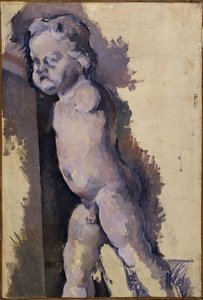
Vysokorozlišené fotografie díla Carnival

James Ensor, Carnival (1930), Harvard Art Museums. Veřejná doména
Odpovědi na otázky k dílu Carnival
Kde je dnes možné vidět dílo „Carnival“ od James Ensor?
Originál díla „Carnival“ si můžete prohlédnout v instituci Harvard Art Museums, Cambridge, Spojené státy americké.
V jakém roce bylo vytvořeno dílo „Carnival“ od James Ensor?
Vznik díla „Carnival“ od James Ensor se datuje do roku 1930.
Jakou techniku bylo použito pro dílo „Carnival“ od James Ensor?
„Carnival“ je dílo vytvořené v technice Oil On Canvas.
Jaké jsou rozměry originálu „Carnival“?
Rozměry originálního díla „Carnival“ od James Ensor jsou 66.7 x 83.2cm.
Co zachycuje dílo "Carnival"?
Témata obsažená v díle „Carnival“ od James Ensor zahrnují masked figures, crowd, yellow color, red color, white color, distorted faces, ribbon-like forms. Tato témata společně shrnují obsah celého uměleckého díla.
Je dílo „Carnival“ volné z autorských práv?
Dílo „Carnival“ od James Ensor spadá do v rámci volného užití – autorská práva vypršela. Tento stav určuje pravidla pro reprodukci obrazu tohoto díla.
Kdo vytvořil "Carnival"?
Dílo "Carnival" se připisuje autorovi James Ensor.
K jakému stylu patří „Carnival“?
Umělecký směr, ke kterému patří dílo „Carnival“ od James Ensor, je Expressionism. Tato klasifikace toto dílo umísťuje mezi související umělce a další umělecká díla.
Do které období tvorby James Ensor patří dílo „Carnival“?
V rámci kariéry umělce James Ensor spadá dílo „Carnival“ do období Late Period. Tato fáze umožňuje jeho srovnání s dalšími díly tohoto umělce.
O umělci, James Ensor

1860–1949, Belgie
James Ensor
Early Life, Family and Artistic Training James Ensor was born on April 13, 1860, in Ostend, Belgium. His identity was shaped by a specific cultural intersection: his father, James Frederic Ensor, was born in Brussels to English parents, while his mother, Maria Catherina Haegheman, was Belgian. This dual heritage provided a foundation for a perspective that often sat outside the narrow confines of local tradition. Growing up, the artist lived within the walls of a souvenir shop operated by his parents in Ostend.
Také od autora James Ensor
 Vjezdění Krista do Bruselu1888
 Autoportrét s maskami1899
 Koupelny v Ostendě
 Skelety se ohřívají1889

Eseje k tématu Carnival
 The Timeless Magic of Oil on Canvas: A Masterclass in Texture, Depth, and Impasto ArtistryExplore the profound beauty of oil on canvas. Discover how impasto textures, masterful brushwork, and light create unparalleled depth in fi…
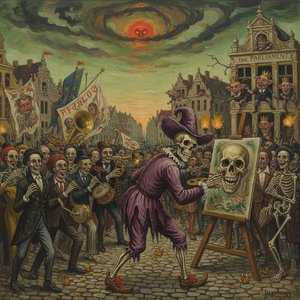 James Ensor's Grotesque Visions: Social Commentary & Artistic InnovationExplore the unsettling yet captivating world of James Ensor, a pioneer of Expressionism. Discover his satirical masterpieces, symbolic imag…
 Psychologie hravé imaginace: Zkoumání humorných a fantastických obrazů jako katalyzátorů emoční pohody a sociálního spojeníProzkoumejte psychologii hravé imaginace a vliv umění na emoční pohodu. Odborný článek o surrealismu, grotesce a síle obrazů pro luxusní in…