Velikost textu

() ·

Obraz vytvořený ručně přímo pro vás

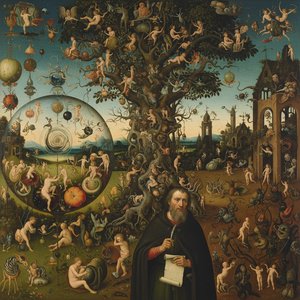
Last Judgement Triptych (detail)

Ručně malovaná olejová reprodukce

Rukou malované olejné plátno v libovolném rozměru i s rámem, vyrobené našimi umělci na zakázku. ( Přepnout na tisk Přepnout na digitální obraz)

Popis sbírného předmětu

Biografie umělce

Hieronymus Bosch (1450-1516) – nizozemský malíř s fantastickými obrazy, symboly a znepokojivou atmosférou. Jeho díla inspirovala surrealismus a dodnes fascinují.

od ·

Kapitola 1

Jak velká by měla být?

Posunout pro změnu velikosti; obrázek vlevo zobrazuje rám v jeho skutečné šířce. Zachovávají se původní proporce.

Standardní velikost
na zakázku
CM
INCH

Vyberte si z našich přednastavených velikostí, které odpovídají původním proporcím díla.

šířka
výška

Zadejte šířku a výšku, které potřebujete pro váš rám nebo stěnu. Protože se jedná o ruční malbu, při výběru jiného formátu může umělec kolem obrazu domalovat o něco více, nebo jej mírně oříznout — rozhodnete si vy. Před zahájením malby vám zašleme digitální náhled ke schválení. Obraz zobrazený na této stránce neodpovídá skutečnému výsledku — pouze digitální náhled jej zobrazuje.

Kapitola 2

Jak má být doručeno?

Vyberte si okraje plátna

Vyberte si rámeček

Corner sample of the WhiteWrap canvas edge finish, stretched on masivní dřevo bars
Bílé okraje Kč1
Corner sample of the BlurSideWrap canvas edge finish, stretched on masivní dřevo bars
Rozostřené okraje Kč1
Corner sample of the ExtendedWrap canvas edge finish, stretched on masivní dřevo bars
Prodloužené okraje Kč1
Corner sample of the P118B picture frame: tvarovaný polystyren, 5 cm wide and 3 cm thick
P118B Kč10
Corner sample of the P118H picture frame: tvarovaný polystyren, 5 cm wide and 3 cm thick
P118H Kč10
Corner sample of the P118W picture frame: tvarovaný polystyren, 5 cm wide and 3 cm thick
P118W Kč10
Corner sample of the P438Z picture frame: tvarovaný polystyren, 5.5 cm wide and 3.5 cm thick
P438Z Kč10
Corner sample of the P508JH picture frame: tvarovaný polystyren, 7 cm wide and 3.5 cm thick
P508JH Kč12
Corner sample of the P508YH picture frame: tvarovaný polystyren, 7 cm wide and 3.5 cm thick
P508YH Kč12
Corner sample of the P805H picture frame: tvarovaný polystyren, 5 cm wide and 3.5 cm thick
P805H Kč10
Corner sample of the P805Z picture frame: tvarovaný polystyren, 5 cm wide and 3.5 cm thick
P805Z Kč10
Corner sample of the P919BZ picture frame: tvarovaný polystyren, 7 cm wide and 3.5 cm thick
P919BZ Kč10
Corner sample of the P919G picture frame: tvarovaný polystyren, 7 cm wide and 3.5 cm thick
P919G Kč10
Corner sample of the P919XJ picture frame: tvarovaný polystyren, 7 cm wide and 3.5 cm thick
P919XJ Kč10
Corner sample of the P959ZH picture frame: tvarovaný polystyren, 5 cm wide and 3 cm thick
P959ZH Kč10
Corner sample of the P968JZ picture frame: tvarovaný polystyren, 6 cm wide and 4 cm thick
P968JZ Kč12
Corner sample of the W106C picture frame: masivní dřevo, 5 cm wide and 3 cm thick
W106C Kč8
Corner sample of the W218G picture frame: masivní dřevo, 5 cm wide and 3 cm thick
W218G Kč10
Corner sample of the W218JH picture frame: masivní dřevo, 5 cm wide and 3 cm thick
W218JH Kč8
Corner sample of the W218Y picture frame: masivní dřevo, 5 cm wide and 3 cm thick
W218Y Kč10
Corner sample of the W307PJ picture frame: masivní dřevo, 6 cm wide and 3 cm thick
W307PJ Kč10
Corner sample of the W316G picture frame: masivní dřevo, 6 cm wide and 3 cm thick
W316G Kč10
Corner sample of the W316PJ picture frame: masivní dřevo, 6 cm wide and 3 cm thick
W316PJ Kč8
Corner sample of the W316Y picture frame: masivní dřevo, 6 cm wide and 3 cm thick
W316Y Kč10
Corner sample of the W398PJ picture frame: masivní dřevo, 5 cm wide and 3 cm thick
W398PJ Kč8
Corner sample of the W4111J picture frame: masivní dřevo, 6.5 cm wide and 3.5 cm thick
W4111J Kč10
Corner sample of the W500HY picture frame: masivní dřevo, 7 cm wide and 5 cm thick
W500HY Kč15
Corner sample of the W500JH picture frame: masivní dřevo, 7 cm wide and 5 cm thick
W500JH Kč15
Corner sample of the W692G picture frame: masivní dřevo, 8 cm wide and 4 cm thick
W692G Kč12
Corner sample of the W849H picture frame: masivní dřevo, 5 cm wide and 3 cm thick
W849H Kč8
Corner sample of the W940BG picture frame: masivní dřevo, 7.5 cm wide and 4.5 cm thick
W940BG Kč15
Corner sample of the W953PJ picture frame: masivní dřevo, 6 cm wide and 3.5 cm thick
W953PJ Kč8
Corner sample of the H24-GOLD picture frame: řezané dřevo s gessu, 10 cm wide and 6 cm thick
H24-GOLD Kč30
Corner sample of the H24-SILVER picture frame: řezané dřevo s gessu, 10 cm wide and 6 cm thick
H24-SILVER Kč30
Corner sample of the H36-GOLD picture frame: řezané dřevo s gessu, 15 cm wide and 6.5 cm thick
H36-GOLD Kč45
Corner sample of the H36-SILVER picture frame: řezané dřevo s gessu, 15 cm wide and 6.5 cm thick
H36-SILVER Kč45

Profil: . Celkové rozměry včetně rámu: .

Kapitola 3

Kdo jej maluje a mělo by se něco změnit?

Příklady možných změn: Nahrazení obličeje fotografií zákazníka; Přidání mazlíčka (např. výměna kočky za psa); Skrytá zpráva v pozadí; Změna krajiny nebo prvků v pozadí.
Po přijetí objednávky vám tým OriginalUniqueArt.com pošle e-mail s instrukcemi a poskytne náhled návrhu

Celosvětová doprava () za 3–4 týdny namísto standardních 5 týdnů. (3 listopad). Bez kompromisů v kvalitě.

Kapitola 4

Poslední úpravy

Štítek jako v muzeu?

Detaily ryté bronzové plakety

This elegant plaque features the artist's name and the title of the artwork, finely engraved for a timeless presentation.

It is made from bronze with a refined, elegant finish. The text is precisely laser-engraved for a sharp and permanent result. Measuring 9x2 cm, the plaque is compact yet easy to read. It's built to be durable and scratch-resistant, offering a professional, museum-quality look. Mounting is simple thanks to the included adhesive backing.

Detaily průhledné akrylové desky

The plaque includes essential engraved details such as the artist's name, the title of the artwork, the date it was created, the type of media used-like oil on canvas or watercolor-a brief description of the piece, and a QR code that links to the complete artwork information.

It is crafted from clear acrylic, offering a sleek, modern appearance. The text is UV-engraved in black to ensure strong visual contrast. With a size of 10x15 cm, it ensures optimal readability. It comes equipped with two metal hooks for secure wall mounting. The plaque is designed to be weather-resistant, making it suitable for various environments, and it includes interactive features that work seamlessly with smartphone scanning.

Detaily černé akrylové destičky

This elegant plaque includes engraved information such as the artist's name, the title of the artwork, the date it was created, the type of media used (like oil on canvas or watercolor), a short description of the artwork, and a QR code for quick access to more information.

The plaque itself is made from refined black acrylic with a premium finish. The text is laser-engraved in white for high contrast and readability. Its size is 10x15 cm, designed to be easy to read. It comes with two metal hooks for professional mounting. The design is sleek and fits any interior style. It is also weather-resistant and durable, with built-in digital integration for mobile compatibility.

Ochranný lak?

Kdy jej potřebujete?

Kapitola 5

Váš obraz přesně podle objednávky

Last Judgement Triptych (detail)

Technika reprodukce

Rozměry reprodukce

-

Vybraní mistři umění

Vyšší míra detailu, jemnosti a delší doba výroby

-

Možnosti rámování reprodukcí

-

-

U děl nebo reprodukcí, u nichž je jakákoliv strana větší než 105 cm (přibližně 41 palců), bude rám dodán jako sestava v rozloženém stavu. Tato metoda zajišťuje bezpečné doručení a chrání dílo před poškozením během přepravy.

Vyžaduje se odborná montáž – nejedná se o produkt pro svépomocnou realizaci (DIY).
Sestava musí být složena a plátno napnuto zkušeným profesionálním rámovačem s použitím dřevěného lepidla (není součástí balení), kleští na napínání plátna a svorek pro udržení pravých úhlů křížů během schnutí lepidla. Nesprávná montáž nebo nerovnoměrné napnutí plátna může způsobit trvalé poškození uměleckého díla, které není kryto naší zárukou.

  • Jsou zahrnuty všechny lišty z masivního dřeva, přesně na míru nařezané.

  • Sestavuje se pomocí součástí balení (šroubů), plus dřevěného lepidla na rohové spoje, které není součástí balení a musí jej zajistit váš rámovač.

  • Vyžaduje se profesionální nářadí, které není součástí sady: kleště na napínání plátna a svorky pro udržení kolmosti příček během schnutí lepidla.

Důležité:
Spoje v rozích vyžadují lepidlo na dřevo, tyčinky musí být přichyceny pomocí svorek, dokud lepidlo zcela neuschne, a pro napnutí plátna na sestavený rám je zapotřebí kleští na natahování plátna. Žádný z těchto náčiní není součástí sady. Před objednáním této velikosti prosím zajistěte zkušeného profesionálního rámovače.

Popisek díla

-

-

Ochranný lak

Lesklý lak (zvýrazňuje barvy, chrání před světlem a vlhkostí)

-

Přizpůsobit své umělecké dílo

Příklady možných úprav: nahrazení obličeje fotografií zákazníka; přidání domácího mazlíčka (např. výměna kočky za psa); vložení skrytého vzkazu do pozadí; změna krajiny nebo prvků v pozadí.

-

Prioritní doručení

Celosvětové doručení () za 3–4 týdny namísto standardních 5 týdnů. (3 listopad). Bez kompromisů v kvalitě.

-

Expresní doručení

Celosvětová doprava () do 5 týdnů. (10 listopad).

V ceně

Celková cena za vybrané možnosti reprodukcí

Kč 6542

Celková cena Kč 6542

Skleněná varianta je dostupná pouze u rozměrů menších než 110 cm

Součást každé objednávky

  • Zdarma celosvětová expresní doprava
  • Vysoce kvalitní lněné plátno
  • Kompletní pojištění přepravy
  • Záruka vrácení celního poplatku
  • Záruka věrného barevného souladu
  • 100dení lhůta pro vrácení zboží (pouze při vadách výroby)
  • 100% záruka vrácení peněz
  • Sleva při více objednávkách

A Descent into Surreal Horror: Examining Bosch’s Last Judgement Triptych Detail

The triptych by Hieronymus Bosch, “Last Judgement,” stands as a monument to unsettling imagination and a chilling distillation of late medieval anxieties. Painted around 1504, this masterpiece transcends mere depiction; it plunges the viewer into a psychological landscape fraught with grotesque imagery and profound theological contemplation. Examining a detailed section reveals not just artistic prowess but also a masterful manipulation of symbolism designed to provoke visceral reaction and intellectual debate centuries later.
  • Subject Matter & Composition: Bosch’s vision centers on the biblical Last Judgement, portraying humanity facing divine retribution. The scene unfolds across three panels—central and flanking—featuring an overwhelming array of figures – saints, sinners, demons, animals – engaged in a chaotic dance of judgment and despair. The artist eschews traditional religious iconography, opting instead for bizarre juxtapositions that defy rational comprehension.
  • Style & Technique: Bosch’s style is undeniably unique, characterized by meticulous detail combined with fantastical distortions. Employing oil paint on panel—a technique common at the time—he achieved remarkable realism in portraying human anatomy alongside grotesque creatures and hallucinatory landscapes. The artist's painstaking brushwork contributes to an atmosphere of palpable unease, capturing every nuance of expression and gesture.

Symbolism: A Language Beyond Words

The symbolism embedded within the triptych operates on multiple levels, reflecting Bosch’s preoccupation with moral corruption and the perils of earthly existence. The prominent figure holding a bowl—likely a plate or vase—represents emptiness and spiritual deprivation. Adjacent to it is a knife, symbolizing violence and transgression against God's law. These objects are juxtaposed with disturbing depictions of animals – hybrids of human and beast – embodying primal instincts and succumbing to demonic influence. Bosch’s use of color is equally significant; muted hues dominate the scene, reinforcing the pervasive sense of gloom and decay.
  • Medieval Context: Bosch's work emerged during a period marked by religious upheaval and societal anxieties surrounding heresy and witchcraft. The triptych reflects the broader intellectual currents of its time—particularly Scholasticism—which wrestled with reconciling faith and reason. However, Bosch deliberately subverts theological dogma, presenting a vision that anticipates the psychological horrors explored by later Romantic artists.
  • Emotional Impact: Viewing this detail compels contemplation on mortality, sin, and divine justice. Bosch’s masterful depiction of human suffering—expressed through contorted faces and agonized postures—forces viewers to confront uncomfortable truths about human nature. The unsettling atmosphere created by the painting lingers long after observation, prompting reflection on the eternal consequences of earthly choices.

Legacy & Reproduction Considerations

“Last Judgement” continues to fascinate scholars and artists alike, cementing Bosch’s position as one of the most innovative and disturbing figures in Northern Renaissance art. Its enduring appeal stems from its ability to tap into universal anxieties about death and judgment while simultaneously challenging conventional artistic conventions. When commissioning a high-quality reproduction, consider selecting archival pigment prints that faithfully capture the nuances of color and texture—allowing you to experience the profound emotional impact of Bosch’s masterpiece within your own home.

Otázky a odpovědi

Kde najdu průvodce k dílu "Last Judgement Triptych (detail)"?

Průvodce k dílu "Last Judgement Triptych (detail)" je stránka Průvodce pro studenty pro dané umělecké dílo – tiskatelný informační list, který zobrazuje dílo spolu s jeho popiskem, údaji o autorství a identifikační tabulkou (umělec, data, technika, původní rozměry, sbírka).

Kdo vytvořil "Last Judgement Triptych (detail)"?

Dílo "Last Judgement Triptych (detail)" vytvořil/a Hieronymus Bosch. Informace na této stránce popisují originální dílo umělce Hieronymus Bosch.

Jaká velikost reprodukce se doporučuje pro „Last Judgement Triptych (detail)“ od Hieronymus Bosch?

Pro dílo „Last Judgement Triptych (detail)“ od Hieronymus Bosch se doporučuje reprodukce ve velikosti Large. Velikost lze upravit při zachování původních proporcí.

Více informací o tomto obrazu

Náhled v interiéru Náhled v AR Přepnout na tisk Přepnout na digitální obraz Sdílet
Podrobnosti o díle Průvodce Přidat do oblíbených Stáhnout Podobné položky Rentgenové snímky Slideshow Otázky a odpovědi Statistiky

V číslech

  • 1504rok vytvoření
  • 29k výběru rámečků
  • standardní velikosti, v jejich vlastních proportioních
  • 5týdnů na namalování a doručení
Hieronymus Bosch

Hieronymus Bosch

1450 - 1516, Nizozemsko

Rychlé informace o umělci Hieronymus Bosch

  • Artistic Movement Or Style: Surrealismus, Symbolismus
  • Artists Or Movements Influenced By This Artist: ['Pieter Bruegel']
  • Date Of Birth: c. 1450
  • Date Of Death: 1516
  • Full Name: Hieronymus Bosch
  • Nationality: Nizozemec
  • Notable Artworks:
    • Zahrada Zemských Delostí
    • Poslední soud Triptych
    • Vzestup spasitelů
  • Place Of Birth: Den Bosch, Nizozemsko

Biografie umělce

A Netherlandish Enigma: The Life and Art of Hieronymus Bosch

Born around 1450 in the vibrant, bustling town of ’s-Hertogenbosch in the Netherlands—then part of Brabant—Hieronymus Bosch, originally Jheronimus van Aken, remains one of art history’s most compelling and mysterious figures. His world was steeped in late medieval religious fervor, folklore, and a growing sense of societal unease, all of which would profoundly shape his uniquely unsettling artistic vision. Coming from a family with a long tradition of painting—his grandfather, Jan van Aken, and father, Anthonius van Aken, were both artists—Bosch likely received his earliest training within the family workshop, absorbing the techniques and conventions of Netherlandish painting. However, even in his formative years, he began to diverge from established norms, hinting at the extraordinary imagination that would define his career. Biographical details are frustratingly scarce; records are fragmented, leaving much open to speculation and interpretation, adding to the aura of mystique surrounding both the man and his work. He married Aleyt Goyaerts van den Meerveen sometime before 1481, a union that provided him with some financial security through her family’s holdings, but little else is known about their personal life.

Fantastical Visions and Symbolic Depths

Bosch's artistic style is instantly recognizable—a captivating blend of meticulous detail and wildly imaginative imagery. He primarily worked with oil on oak panels, demonstrating a masterful command of the medium, achieving luminous colors and intricate textures. While his early works show influences from traditional Netherlandish painting, particularly in their realism and attention to detail, he quickly moved beyond mere imitation, developing a profoundly original vision. His paintings are not simply representations of reality; they are allegorical landscapes populated by bizarre creatures, hybrid beings, and unsettling scenes that seem plucked from dreams—or nightmares. Religious themes form the core of much of his work, but these are rarely straightforward depictions of biblical stories. Instead, Bosch uses symbolism to explore complex moral and theological concepts, often focusing on the dangers of sin, the fragility of earthly pleasures, and the inevitability of divine judgment. His creatures—grotesque demons, fantastical animals, and strangely human figures—are not merely decorative elements; they are embodiments of vice, temptation, and spiritual corruption. The blending of the sacred and the profane, the beautiful and the grotesque, creates a uniquely unsettling effect that continues to captivate viewers centuries later.

Masterpieces of Moral Allegory

Among Bosch’s most celebrated achievements is The Garden of Earthly Delights (c. 1490-1510), a triptych that remains one of the most enigmatic and debated works in art history. When opened, it presents a panoramic vision of paradise, earthly life, and hell—a complex allegorical representation of humanity’s fall from grace. The left panel depicts the Garden of Eden, teeming with fantastical creatures and lush vegetation; the central panel portrays a world consumed by sensual pleasure and unrestrained desire; and the right panel offers a terrifying glimpse into the torments of hell. The Triptych of the Last Judgement (c. 1480-1490) is another powerful example of his skill in portraying both heavenly bliss and infernal torment, while The Ascent of the Blessed (c. 1480-1490) demonstrates his ability to create ethereal and dreamlike scenes. Even smaller works like Epiphany (c. 1495) showcase his innovative use of oil on wood and complex symbolism, revealing a mind constantly grappling with profound questions about faith, morality, and the human condition.

Influences and Artistic Development

Identifying Bosch’s direct influences is a challenging task, given the originality of his vision. Scholars suggest possible connections to medieval folklore, religious texts—particularly those emphasizing apocalyptic themes—and the prevailing anxieties of the time, including fears of heresy and social upheaval. However, it's clear that he synthesized these elements into something entirely new and uniquely his own. His early works demonstrate a strong influence from the Flemish school, particularly in their meticulous detail and realistic portrayal of figures and objects. Yet, as his career progressed, Bosch increasingly departed from traditional conventions, embracing a more expressive and symbolic style. He drew inspiration from contemporary prints and woodcuts, which were becoming increasingly popular during this period, and incorporated elements of natural history—particularly depictions of animals—into his paintings. The influence of the late Gothic artistic tradition is also evident in his use of perspective and his dramatic compositions.

Legacy and Enduring Influence

Bosch’s work has had a profound and lasting impact on art history. Pieter Bruegel the Elder directly followed in his footsteps, adopting similar themes and compositional techniques, while later movements, such as Surrealism, also drew inspiration from Bosch’s dreamlike imagery and exploration of the subconscious. Artists like Salvador Dalí and Max Ernst openly acknowledged their debt to his unsettling visions. Even today, Bosch's work continues to fascinate and provoke debate, solidifying his place as a master of Netherlandish painting and a visionary artist whose influence extends far beyond his own time. His paintings offer valuable insights into the religious, social, and psychological climate of the late 15th and early 16th centuries, challenging conventional norms and paving the way for new forms of artistic expression. He died in 1516, leaving behind a body of work that continues to haunt and inspire, ensuring his enduring legacy as one of art history’s most singular and unforgettable voices.

Rychlé informace

  • Location: Private Collection
  • Year: 1504
  • Influences: Medieval Art"; "Christian Symbolism
  • Notable elements or techniques: Detailed depiction; Symbolic imagery
  • Artist: Hieronymus Bosch