Zobrazit v interiéru
 Odeslat
 Sdílet
 Podrobnosti
 Průvodce

 Stáhnout obrázek
 Podobné kousky
 Rentgenové snímky
 Slideshow
 Statistiky
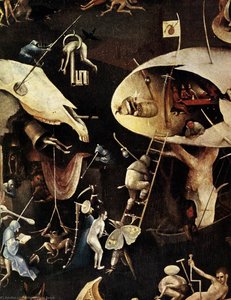
Triptych Temnot St Anthony
 Olej na desce
- Northern Renaissance
 1506
1506- Renesance
 131.0 x 119.0 cm
 Museu Nacional de Arte Antiga
 Přečíst si více
Ručně malovaná olejová reprodukce
Ručně malované olejné plátno v libovolném rozměru i s rámem, vyrobené našimi umělci na zakázku. ( Přepnout na tiskové verze Přepnout na digitální verzi obrazu)




P118B Kč10

P118H Kč10

P118W Kč10

P438Z Kč10

P508JH Kč12

P508YH Kč12

P805H Kč10

P805Z Kč10

P919BZ Kč10

P919G Kč10

P919XJ Kč10

P959ZH Kč10

P968JZ Kč12

W106C Kč8

W218G Kč10

W218JH Kč8

W218Y Kč10

W307PJ Kč10

W316G Kč10

W316PJ Kč8

W316Y Kč10

W398PJ Kč8

W4111J Kč10

W500HY Kč15

W500JH Kč15

W692G Kč12

W849H Kč8

W940BG Kč15

W953PJ Kč8




Vyberte si z našich přednastavených velikostí, které odpovídají původním proporcím díla.

Zadejte šířku a výšku, které potřebujete pro váš rám nebo stěnu. Protože se jedná o ruční malbu, při výběru jiného formátu může umělec kolem obrazu domalovat o něco více, nebo jej mírně oříznout — rozhodnete si vy. Před zahájením malby vám zašleme digitální náhled ke schválení. Obraz zobrazený na této stránce neodpovídá skutečnému výsledku — pouze digitální náhled jej zobrazuje.
Po přijetí objednávky vám tým OriginalUniqueArt.com zašle e-mail s pokyny a poskytne náhledovou verzi.
Celosvětová doprava () za 3–4 týdny namísto standardních 5 týdnů. (22 říjen). Bez kompromisů v kvalitě.

Zdarma celosvětová expresní doprava

Vysoce kvalitní lněné plátno

Úplné pojištění přepravy

Záruka vrácení celního poplatku

Záruka věrného barevného shodu

100dení lhůta pro vrácení zboží (pouze při vadách výroby)

100% garance vrácení peněz

Sleva při více objednávkách
 Skleněná varianta je dostupná pouze u rozměrů menších než 110 cm

Triptych Temnot St Anthony
Technika provedení
Velikost reprodukce
-


Celková cena
Kč 13915
Úchvatné téma a narativní hloubka
Tento neobyčejný trojpartý obraz živě zachycuje duchovní a morální zápasy svatého Antonína uprostřed surrealistické, chaotické krajiny plné fantastických tvorů a symbolických prvků. Ústřední postavou kompozice je samotný svatý Antonín, zobrazený v okamžiku intenzivní modlitby a kontemplace, jak čelí pokušení a neřestem, které ohrožují jeho duchovní čistotu. Dílo prozkoumává témata víry, pokušení a božské vytrvalosti a nabízí divákovi pozvání k hluboké meditaci nad lidskou morálkou a věčným bojem mezi ctností a लेकर neřestí.Imaginativní styl a umělecká technika
V roce 1506 vytvořeno mistrovskou rukou Hieronymuse Bosche, toto malířské dílo je dokonalým příkladem fascinace severní renesance detailním symbolismem a představivým vyprávěním. Boschova precizní technika olejomalby na dřevěné desce umožňuje zachytit drobnoběžné detaily, živé barvy a vrstvenou kompozici, která diváka vtahuje do svého komplexního příběhu. Použití vlnitých čar, organických tvarů a texturovaných povrchů umocňuje surrealistickou, nadpozemskou atmosféru, díky níž každé pohled odhaluje nové symbolické detaily a fantastické postavy.Historický kontext a umělecký význam
Dílo vzniklé v období rozkvětu severní renesance odráží Boschův fascinaci náboženskými tématy a morální alegorií. Formát triptychu byl často využíván pro devoceční účely, podporující kontemplaci a duchovní zamyšlení. Boschův specifický styl, charakterizovaný děsivými, nočníkovými vizemi pekla a božského soudu, byl průlomový a vlivný, přičemž o staletí předčasně předznamenával prvky surrealismu. Tento kus sloužil nejen jako morální varování, ale také jako svědectví o Boschově vynalézavé představivosti a mistrovství symbolického vyprávění.Emoční dopad a vizuální síla
Intenzivní, chaotická kompozice tohoto obrazu vyvolává hlubokou emocionální reakci a vtá reality diváka do bouře pokušení a duchovní zkoušky. Živé barvy, dramatické světlo a složité detaily vytvářejí pocit naléhavosti a úžasu, který inspiruje k zamyšlení nad lidskou podmínkou. Ať už je dílo vystaveno v soukromé sbírce nebo v elegantním interiéru, tento obraz si vynucuje pozornost a vyvolává diskuse, přičemž slouží jako mocný středobod, který spojuje uměleckou brilanci s hlubokým duchovním symbolismem.Nadčasové mistrovské dílo pro sbírání a inspiraci
Tento triptych představuje vzácnou příležitost vlastnit kousek uměleckých dějin, což je ideální pro milovníky umění, sběratele i interiérové designéry hledající vysoce kvalitní reprodukci. Jeho precizní řemeslná práce, vrstvený symbolismus a emocionální hloubka z něj činí inspirující doplněk jakéhokoli prostoru, který pozvedne interiér svou nadčasovou krásou a podnětným příběhem. Investice do tohoto mistrovského díla je investicí do vizuálního odkazu, který pokračuje v fascinování a inspiraci napříč staletími.Otázky a odpovědi
Jaká je luminance díla „Triptych Temnot St Anthony“ od Hieronymus Bosch?
Barvy díla „Triptych Temnot St Anthony“ vykazují jas o hodnotě Měkký stín.
Kde by měla být vystavena reprodukce díla „Triptych Temnot St Anthony“ od Hieronymus Bosch?
Formát Panoramatický formát díla „Triptych Temnot St Anthony“ od Hieronymus Bosch doporučujeme pro Obývací pokoj. Formát i prostor společně určují ideální umístění reprodukce.
K jakému použití je doporučována reprodukce díla „Triptych Temnot St Anthony“?
Reprodukce díla „Triptych Temnot St Anthony“ od Hieronymus Bosch je doporučována pro Hlavní dílo. Toto doporučení vychází z tématu, nálady a barevnosti tohoto díla.
Biografie umělce
A Netherlandish Enigma: The Life and Art of Hieronymus Bosch
Born around 1450 in the vibrant, bustling town of ’s-Hertogenbosch in the Netherlands—then part of Brabant—Hieronymus Bosch, originally Jheronimus van Aken, remains one of art history’s most compelling and mysterious figures. His world was steeped in late medieval religious fervor, folklore, and a growing sense of societal unease, all of which would profoundly shape his uniquely unsettling artistic vision. Coming from a family with a long tradition of painting—his grandfather, Jan van Aken, and father, Anthonius van Aken, were both artists—Bosch likely received his earliest training within the family workshop, absorbing the techniques and conventions of Netherlandish painting. However, even in his formative years, he began to diverge from established norms, hinting at the extraordinary imagination that would define his career. Biographical details are frustratingly scarce; records are fragmented, leaving much open to speculation and interpretation, adding to the aura of mystique surrounding both the man and his work. He married Aleyt Goyaerts van den Meerveen sometime before 1481, a union that provided him with some financial security through her family’s holdings, but little else is known about their personal life.Fantastical Visions and Symbolic Depths
Bosch's artistic style is instantly recognizable—a captivating blend of meticulous detail and wildly imaginative imagery. He primarily worked with oil on oak panels, demonstrating a masterful command of the medium, achieving luminous colors and intricate textures. While his early works show influences from traditional Netherlandish painting, particularly in their realism and attention to detail, he quickly moved beyond mere imitation, developing a profoundly original vision. His paintings are not simply representations of reality; they are allegorical landscapes populated by bizarre creatures, hybrid beings, and unsettling scenes that seem plucked from dreams—or nightmares. Religious themes form the core of much of his work, but these are rarely straightforward depictions of biblical stories. Instead, Bosch uses symbolism to explore complex moral and theological concepts, often focusing on the dangers of sin, the fragility of earthly pleasures, and the inevitability of divine judgment. His creatures—grotesque demons, fantastical animals, and strangely human figures—are not merely decorative elements; they are embodiments of vice, temptation, and spiritual corruption. The blending of the sacred and the profane, the beautiful and the grotesque, creates a uniquely unsettling effect that continues to captivate viewers centuries later.Masterpieces of Moral Allegory
Among Bosch’s most celebrated achievements is The Garden of Earthly Delights (c. 1490-1510), a triptych that remains one of the most enigmatic and debated works in art history. When opened, it presents a panoramic vision of paradise, earthly life, and hell—a complex allegorical representation of humanity’s fall from grace. The left panel depicts the Garden of Eden, teeming with fantastical creatures and lush vegetation; the central panel portrays a world consumed by sensual pleasure and unrestrained desire; and the right panel offers a terrifying glimpse into the torments of hell. The Triptych of the Last Judgement (c. 1480-1490) is another powerful example of his skill in portraying both heavenly bliss and infernal torment, while The Ascent of the Blessed (c. 1480-1490) demonstrates his ability to create ethereal and dreamlike scenes. Even smaller works like Epiphany (c. 1495) showcase his innovative use of oil on wood and complex symbolism, revealing a mind constantly grappling with profound questions about faith, morality, and the human condition.Influences and Artistic Development
Identifying Bosch’s direct influences is a challenging task, given the originality of his vision. Scholars suggest possible connections to medieval folklore, religious texts—particularly those emphasizing apocalyptic themes—and the prevailing anxieties of the time, including fears of heresy and social upheaval. However, it's clear that he synthesized these elements into something entirely new and uniquely his own. His early works demonstrate a strong influence from the Flemish school, particularly in their meticulous detail and realistic portrayal of figures and objects. Yet, as his career progressed, Bosch increasingly departed from traditional conventions, embracing a more expressive and symbolic style. He drew inspiration from contemporary prints and woodcuts, which were becoming increasingly popular during this period, and incorporated elements of natural history—particularly depictions of animals—into his paintings. The influence of the late Gothic artistic tradition is also evident in his use of perspective and his dramatic compositions.Legacy and Enduring Influence
Bosch’s work has had a profound and lasting impact on art history. Pieter Bruegel the Elder directly followed in his footsteps, adopting similar themes and compositional techniques, while later movements, such as Surrealism, also drew inspiration from Bosch’s dreamlike imagery and exploration of the subconscious. Artists like Salvador Dalí and Max Ernst openly acknowledged their debt to his unsettling visions. Even today, Bosch's work continues to fascinate and provoke debate, solidifying his place as a master of Netherlandish painting and a visionary artist whose influence extends far beyond his own time. His paintings offer valuable insights into the religious, social, and psychological climate of the late 15th and early 16th centuries, challenging conventional norms and paving the way for new forms of artistic expression. He died in 1516, leaving behind a body of work that continues to haunt and inspire, ensuring his enduring legacy as one of art history’s most singular and unforgettable voices.
Hieronymus Bosch
1450 - 1516 , Nizozemsko
Rychlé informace
- Artistic Movement Or Style: Surrealismus, Symbolismus
- Artists Or Movements Influenced By This Artist: ['Pieter Bruegel']
- Date Of Birth: c. 1450
- Date Of Death: 1516
- Full Name: Hieronymus Bosch
- Nationality: Nizozemec
- Notable Artworks:
- Zahrada Zemských Delostí
- Poslední soud Triptych
- Vzestup spasitelů
- Place Of Birth: Den Bosch, Nizozemsko
Související články
Hieronymus Bosch: Top 25 mistrovských děl pro váš interiér | OriginalUniqueArt.com
Prozkoumejte 25 ikonických děl Hieronymuse Bosche! Obrazy plné symboliky, středověké fantazie a alegorií. Reprodukce v nejvyšší kvalitě pro váš interiér na OriginalUniqueArt.com. Inspirace a umělecké tisky online.
Hieronymus Bosch: Decoding the Visions of a Netherlandish Master
Explore the captivating world of Hieronymus Bosch! Delve into the symbolism, religious context, and artistic innovation of this Netherlandish master with OriginalUniqueArt's expert analysis. Discover his iconic paintings & lasting influence.
Top 25 uměleckých děl z Museo del Prado: Velázquez, Goya a mistři španělského baroka | OriginalUniqueArt.com
Prozkoumejte 25 ikonických děl z Museo del Prado v Madridu! Obdivujte Velázqueze, Goyu a El Greca. Historie umění, techniky a inspirace pro váš interiér. Reprodukce obrazů nejvyšší kvality na OriginalUniqueArt.com.

High Medieval Art: 10 Masterpieces That Shaped an Era | OriginalUniqueArt
Journey through High Medieval Art! Explore 10 iconic masterpieces – from Giotto's frescoes to stunning Gothic cathedrals. Discover the stories behind these timeless paintings, sculptures & illuminated manuscripts. Find museum-quality art reproductions at OriginalUniqueArt.com.
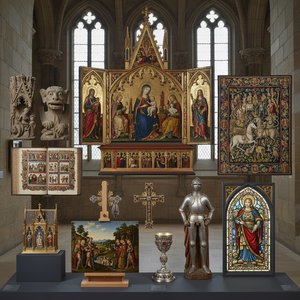
Late Medieval Masterpieces: 10 Artworks That Defined an Era | OriginalUniqueArt
Journey through 10 defining Late Medieval masterpieces – from Giotto's frescoes to Jan van Eyck’s realism. Explore the stories, techniques & vibrant colors of Gothic art. Find museum-quality reproductions and elevate your home decor with OriginalUniqueArt.com! Discover all masterpieces on OriginalUniqueArt.com