

 Náhled
 Sdílet
 Sdílet
 Podrobnosti o díle

 Stáhnout
 Podobné položky
 Rentgenové snímky
 Slideshow
Hermit Saints Triptych (left panel)
 Oil On Panel
- WallArt
- Surrealist Movement
 1505
1505- Renaissance
 86.0 x 29.0 cm
 Palazzo Ducale
 Zobrazit více
Giclée / Umělecký tisk
Giclée nebo plátěný tisk muzeální kvality s rychlou výrobou a flexibilními možnostmi povrchové úpravy. ( Koupit ručně malovaný obraz Koupit obrázek)




P118B $10

P118H $10

P118W $10

P438Z $10

P508JH $12

P508YH $12

P805H $10

P805Z $10

P919BZ $10

P919G $10

P919XJ $10

P959ZH $10

P968JZ $12

W106C $8

W218G $10

W218JH $8

W218Y $10

W307PJ $10

W316G $10

W316PJ $8

W316Y $10

W398PJ $8

W4111J $10

W500HY $15

W500JH $15

W692G $12

W849H $8

W940BG $15

W953PJ $8




Vyberte si z našich přednastavených velikostí, které odpovídají původním proporcím díla.

Můžete zadat vlastní rozměry tak, aby výtvor odpovídal konkrétnímu rámu nebo prostoru. Pokud zvolená velikost nebude odpovídat poměru stran původního obrazu, dílo buď ořížeme, nebo obraz rozšíříme pomocí zrcadlového efektu či jednobarevného okraje. Před zahájením výroby vám bude zaslán digitální náhled k schválení.
Mějte prosím na paměti, že náhled na obrazovce neodráží skutečné oříznutí nebo rozšíření. Pouze digitální náhled přesně zobrazí finální kompozici.
Ačkoliv jsou k dispozici i vlastní rozměry, pro zachování původních proporcí doporučujeme vybrat si rozměr z předdefinovaného seznamu.
Celosvětové doručení () do 2 týdnů namísto standardních 4/5 týdnů. (27 srpen)

Zdarma celosvětová expresní doprava

Vysoce kvalitní lněné plátno

Kompletní přepravní pojištění

Záruka vrácení celního poplatku

Záruka přesného barevného shodu

60denní lhůta pro vrácení zboží (pouze při vadách výroby)

100% garance vrácení peněz

Sleva při hromadné objednávce
 Skleněná varianta je dostupná pouze u rozměrů menších než 110 cm

Hermit Saints Triptych (left panel)
Giclée / Umělecký tisk
Rozměry reprodukce
-


Celková cena za výběr
$ 80
A Descent into Surreal Reflection: Analyzing Bosch’s Hermit Saints Triptych (Left Panel)
Hieronymus Bosch’s “Hermit Saints Triptych,” specifically the left panel depicting a desolate landscape teeming with grotesque figures, stands as an enduring testament to the artist's unparalleled ability to distill anxieties about faith and morality into visual form. Painted around 1505 during the High Renaissance—a period marked by burgeoning artistic innovation alongside deep religious introspection—this artwork transcends mere representation; it plunges viewers into a dreamlike realm populated by unsettling imagery that continues to fascinate scholars and inspire artists alike.
- Composition & Setting: The panel’s vertical orientation immediately establishes dominance, guiding the eye upwards towards an ambiguous horizon line punctuated by distant buildings and flickering fires. Below lies a chaotic tableau of animalistic creatures—birds with human faces, grotesque hybrids—and decaying bones strewn across a rocky terrain. This deliberate disregard for conventional perspective contributes to the pervasive sense of disorientation.
- Color Palette & Lighting: Bosch employs a muted palette dominated by browns and blacks, punctuated by splashes of orange and red emanating from the fires. The pale white highlights on the central figure serve as an unsettling beacon against the oppressive darkness, emphasizing isolation and vulnerability. Dramatic chiaroscuro—the interplay between light and shadow—amplifies the emotional impact, creating a palpable atmosphere of dread.
- Style & Technique: Bosch’s meticulous attention to detail is evident in the intricate lines delineating each creature and element within the scene. His technique – oil paint on wood panel – utilizes layering and glazing techniques to achieve remarkable tonal richness and subtle gradations, capturing the textures of stone and flesh with astonishing accuracy. This painstaking craftsmanship underscores the artist's commitment to conveying psychological depth.
- Symbolism & Narrative Depth: The imagery is rife with symbolic references rooted in medieval Christian iconography. The hermit figure embodies contemplation and penitence, while the surrounding animals represent temptations and moral failings—a visual embodiment of the struggle between good and evil. Bones serve as a poignant reminder of mortality, prompting reflection on the ephemeral nature of earthly existence.
- Emotional Resonance: “Hermit Saints Triptych” evokes a profound sense of unease and melancholy. Bosch’s masterful manipulation of color, composition, and lighting compels viewers to confront uncomfortable truths about human desire and spiritual decay. It remains a powerfully evocative artwork—a haunting glimpse into the subconscious anxieties that underpinned the Renaissance era.
Biografie umělce
A Netherlandish Enigma: The Life and Art of Hieronymus Bosch
Born around 1450 in the vibrant, bustling town of ’s-Hertogenbosch in the Netherlands—then part of Brabant—Hieronymus Bosch, originally Jheronimus van Aken, remains one of art history’s most compelling and mysterious figures. His world was steeped in late medieval religious fervor, folklore, and a growing sense of societal unease, all of which would profoundly shape his uniquely unsettling artistic vision. Coming from a family with a long tradition of painting—his grandfather, Jan van Aken, and father, Anthonius van Aken, were both artists—Bosch likely received his earliest training within the family workshop, absorbing the techniques and conventions of Netherlandish painting. However, even in his formative years, he began to diverge from established norms, hinting at the extraordinary imagination that would define his career. Biographical details are frustratingly scarce; records are fragmented, leaving much open to speculation and interpretation, adding to the aura of mystique surrounding both the man and his work. He married Aleyt Goyaerts van den Meerveen sometime before 1481, a union that provided him with some financial security through her family’s holdings, but little else is known about their personal life.Fantastical Visions and Symbolic Depths
Bosch's artistic style is instantly recognizable—a captivating blend of meticulous detail and wildly imaginative imagery. He primarily worked with oil on oak panels, demonstrating a masterful command of the medium, achieving luminous colors and intricate textures. While his early works show influences from traditional Netherlandish painting, particularly in their realism and attention to detail, he quickly moved beyond mere imitation, developing a profoundly original vision. His paintings are not simply representations of reality; they are allegorical landscapes populated by bizarre creatures, hybrid beings, and unsettling scenes that seem plucked from dreams—or nightmares. Religious themes form the core of much of his work, but these are rarely straightforward depictions of biblical stories. Instead, Bosch uses symbolism to explore complex moral and theological concepts, often focusing on the dangers of sin, the fragility of earthly pleasures, and the inevitability of divine judgment. His creatures—grotesque demons, fantastical animals, and strangely human figures—are not merely decorative elements; they are embodiments of vice, temptation, and spiritual corruption. The blending of the sacred and the profane, the beautiful and the grotesque, creates a uniquely unsettling effect that continues to captivate viewers centuries later.Masterpieces of Moral Allegory
Among Bosch’s most celebrated achievements is The Garden of Earthly Delights (c. 1490-1510), a triptych that remains one of the most enigmatic and debated works in art history. When opened, it presents a panoramic vision of paradise, earthly life, and hell—a complex allegorical representation of humanity’s fall from grace. The left panel depicts the Garden of Eden, teeming with fantastical creatures and lush vegetation; the central panel portrays a world consumed by sensual pleasure and unrestrained desire; and the right panel offers a terrifying glimpse into the torments of hell. The Triptych of the Last Judgement (c. 1480-1490) is another powerful example of his skill in portraying both heavenly bliss and infernal torment, while The Ascent of the Blessed (c. 1480-1490) demonstrates his ability to create ethereal and dreamlike scenes. Even smaller works like Epiphany (c. 1495) showcase his innovative use of oil on wood and complex symbolism, revealing a mind constantly grappling with profound questions about faith, morality, and the human condition.Influences and Artistic Development
Identifying Bosch’s direct influences is a challenging task, given the originality of his vision. Scholars suggest possible connections to medieval folklore, religious texts—particularly those emphasizing apocalyptic themes—and the prevailing anxieties of the time, including fears of heresy and social upheaval. However, it's clear that he synthesized these elements into something entirely new and uniquely his own. His early works demonstrate a strong influence from the Flemish school, particularly in their meticulous detail and realistic portrayal of figures and objects. Yet, as his career progressed, Bosch increasingly departed from traditional conventions, embracing a more expressive and symbolic style. He drew inspiration from contemporary prints and woodcuts, which were becoming increasingly popular during this period, and incorporated elements of natural history—particularly depictions of animals—into his paintings. The influence of the late Gothic artistic tradition is also evident in his use of perspective and his dramatic compositions.Legacy and Enduring Influence
Bosch’s work has had a profound and lasting impact on art history. Pieter Bruegel the Elder directly followed in his footsteps, adopting similar themes and compositional techniques, while later movements, such as Surrealism, also drew inspiration from Bosch’s dreamlike imagery and exploration of the subconscious. Artists like Salvador Dalí and Max Ernst openly acknowledged their debt to his unsettling visions. Even today, Bosch's work continues to fascinate and provoke debate, solidifying his place as a master of Netherlandish painting and a visionary artist whose influence extends far beyond his own time. His paintings offer valuable insights into the religious, social, and psychological climate of the late 15th and early 16th centuries, challenging conventional norms and paving the way for new forms of artistic expression. He died in 1516, leaving behind a body of work that continues to haunt and inspire, ensuring his enduring legacy as one of art history’s most singular and unforgettable voices.
Hieronymus Bosch
1450 - 1516 , Nizozemsko
Rychlé fakta
- Artistic Movement Or Style: Surrealismus, Symbolismus
- Artists Or Movements Influenced By This Artist: ['Pieter Bruegel']
- Date Of Birth: c. 1450
- Date Of Death: 1516
- Full Name: Hieronymus Bosch
- Nationality: Nizozemec
- Notable Artworks:
- Zahrada Zemských Delostí
- Poslední soud Triptych
- Vzestup spasitelů
- Place Of Birth: Den Bosch, Nizozemsko
Související články
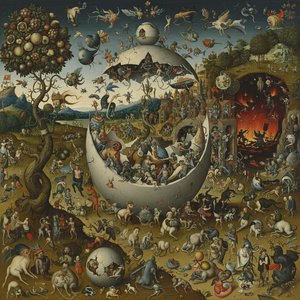
Hieronymus Bosch: Top 25 mistrovských děl pro váš interiér | OriginalUniqueArt.com
Prozkoumejte 25 ikonických děl Hieronymuse Bosche! Obrazy plné symboliky, středověké fantazie a alegorií. Reprodukce v nejvyšší kvalitě pro váš interiér na OriginalUniqueArt.com. Inspirace a umělecké tisky online.
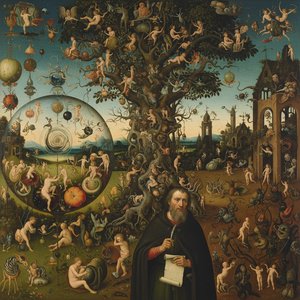
Hieronymus Bosch: Decoding the Visions of a Netherlandish Master
Explore the captivating world of Hieronymus Bosch! Delve into the symbolism, religious context, and artistic innovation of this Netherlandish master with OriginalUniqueArt's expert analysis. Discover his iconic paintings & lasting influence.

Romantická krajina v malbě: 10 mistrovských děl, které definovaly umělecký proud | OriginalUniqueArt
Prozkoumejte 10 ikonických děl romantické krajinářské malby! Objevte příběhy Caspara Davida Friedricha, Turnera a dalších mistrů. Reprodukce obrazů nejvyšší kvality pro váš interiér na OriginalUniqueArt.com.

Evocations of Place: A Historical Journey Through Landscape Art
Explore the rich history of landscape art with OriginalUniqueArt. Discover renowned artists, movements like Impressionism & Romanticism, and expert guidance for collecting timeless pieces. Find your perfect serene escape today!

John Constable: 25 mistrovských děl krajinářské poezie | OriginalUniqueArt.com
Prozkoumejte 25 ikonických děl Johna Constabla, mistra anglického krajinářství a romantismu. Obdivujte jeho olejomalby, plátna s venkovskou atmosférou a inspirujte se pro dekoraci interiéru. Reprodukce obrazů nejvyšší kvality na OriginalUniqueArt.com



