

 Zobrazit v interiéru
 Odeslat
 Sdílet
 Podrobnosti
 Průvodce

 Stáhnout obrázek
 Podobné kousky
 Rentgenové snímky
 Slideshow
 Statistiky
Chaos
 Oil On Canvas
- WallArt
- Symbolist Movement
 1875
1875- 19th Century
 304.0 x 106.0 cm
 Tate Britain
 Přečíst si více
Ručně malovaná olejová reprodukce
Ručně malované olejné plátno v libovolném rozměru i s rámem, vyrobené našimi umělci na zakázku. ( Přepnout na tiskové verze Přepnout na digitální verzi obrazu)




P118B Kč10

P118H Kč10

P118W Kč10

P438Z Kč10

P508JH Kč12

P508YH Kč12

P805H Kč10

P805Z Kč10

P919BZ Kč10

P919G Kč10

P919XJ Kč10

P959ZH Kč10

P968JZ Kč12

W106C Kč8

W218G Kč10

W218JH Kč8

W218Y Kč10

W307PJ Kč10

W316G Kč10

W316PJ Kč8

W316Y Kč10

W398PJ Kč8

W4111J Kč10

W500HY Kč15

W500JH Kč15

W692G Kč12

W849H Kč8

W940BG Kč15

W953PJ Kč8




Vyberte si z našich přednastavených velikostí, které odpovídají původním proporcím díla.

Zadejte šířku a výšku, které potřebujete pro váš rám nebo stěnu. Protože se jedná o ruční malbu, při výběru jiného formátu může umělec kolem obrazu domalovat o něco více, nebo jej mírně oříznout — rozhodnete si vy. Před zahájením malby vám zašleme digitální náhled ke schválení. Obraz zobrazený na této stránce neodpovídá skutečnému výsledku — pouze digitální náhled jej zobrazuje.
Po přijetí objednávky vám tým OriginalUniqueArt.com zašle e-mail s pokyny a poskytne náhledovou verzi.
Celosvětová doprava () za 3–4 týdny namísto standardních 5 týdnů. (23 říjen). Bez kompromisů v kvalitě.

Zdarma celosvětová expresní doprava

Vysoce kvalitní lněné plátno

Úplné pojištění přepravy

Záruka vrácení celního poplatku

Záruka věrného barevného shodu

100dení lhůta pro vrácení zboží (pouze při vadách výroby)

100% garance vrácení peněz

Sleva při více objednávkách
 Skleněná varianta je dostupná pouze u rozměrů menších než 110 cm

Chaos
Technika provedení
Velikost reprodukce
-


Celková cena
Kč 6434
A Symphony of Doubt and Resolve: Exploring George Frederic Watts’ “Chaos”
“Chaos,” painted by George Frederic Watts in 1875–82, stands as a monumental testament to the Symbolist movement's preoccupation with psychological complexity and the interplay between opposing forces. Measuring an impressive 304 x 106 cm, this oil on canvas captures a scene of profound contemplation amidst a turbulent landscape—a deliberate juxtaposition designed to provoke reflection on the human condition. Watts’ masterful technique employs thick impasto strokes, layering pigment onto the surface to convey both textural richness and emotional intensity. The artist meticulously rendered the mountainous backdrop, mirroring the internal struggles faced by those depicted within the frame.The Landscape as Mirror of Inner Turmoil
Watts' choice of setting is far from accidental. The rugged peaks of Dartmoor—where he undertook this ambitious project—were deliberately selected to represent the challenges and uncertainties inherent in life’s journey. These mountains aren’t merely decorative elements; they embody resistance, obstacles, and the daunting task of confronting one's fears. Below them stands a group of figures – Watts himself included – engaged in a solemn procession towards the water’s edge. Their postures convey a sense of determination tempered by apprehension, suggesting that progress requires acknowledging doubt while striving relentlessly toward a goal.Symbolism Rooted in Classical Tradition
Watts drew heavily upon classical mythology and philosophy to infuse “Chaos” with symbolic resonance. The figures are reminiscent of depictions of Psyche and Eros from Greek legend—a narrative exploring themes of love, loss, and redemption. Psyche’s unwavering devotion symbolizes the human spirit's capacity for perseverance despite adversity, while Eros embodies desire and transformation. This allusion to mythology underscores Watts’ belief that art should transcend mere representation, communicating deeper truths about human experience. The water itself represents fluidity, change, and the subconscious—a realm where anxieties and aspirations converge.Impasto Technique: Capturing Emotion Through Texture
Watts' distinctive impasto technique – applying paint thickly onto the canvas – is crucial to conveying the painting’s emotional impact. This method allows for a palpable sense of physicality, mirroring the turbulent emotions depicted within the scene. The textured surface captures the dynamism of movement and reinforces the feeling that these figures are wrestling with internal conflicts. Furthermore, Watts' meticulous attention to detail—evident in the rendering of individual faces and garments—adds to the painting’s realism while simultaneously emphasizing its symbolic significance. It is a technique that elevates “Chaos” beyond mere visual beauty, transforming it into an immersive experience for the viewer.A Legacy of Psychological Depth
“Chaos” remains a powerfully evocative artwork decades after its creation. Watts' exploration of psychological themes—doubt, resolve, and the confrontation with inner demons—continues to resonate with audiences today. It exemplifies the Symbolist movement’s commitment to portraying the complexities of human consciousness and capturing the elusive nature of emotion. More than just a depiction of a landscape, “Chaos” is an invitation to contemplate our own struggles and triumphs as we navigate life's path—a timeless masterpiece that speaks volumes about the enduring power of art to illuminate the human spirit.Otázky a odpovědi
Z jakého materiálu je vyrobeno dílo "Chaos"?
„Chaos“ je vytvořeno v technice Oil On Canvas.
Z jaké éry pochází "Chaos"?
Historické období díla „Chaos“ od George Frederic Watts je 19th Century. Tato klasifikace dílo zasaduje do kontextu dějin umění.
Jaké místo v tvorbě umělce George Frederic Watts zaujímá dílo "Chaos"?
„Chaos“ patří k dílu George Frederic Watts v rámci směru Symbolist Movement, jehož typická témata zahrnují classical tradition, victorian morality, philosophical depth, mythological narrative, watts legacy.
Biografie umělce
raný život a vzdělání
George Frederic Watts, významná postava symbolistického hnutí, se narodil 23. února 1817 v londýnské čtvrti Marylebone. Jeho raná léta byla poznamenána křehkým zdravím a bolestnou ztrátou matky v mladém věku. Wattsův otec, výrobce klavírů, mu poskytl konzervativní křesťanskou výchovu a představil mu klasickou literaturu, včetně Iliady. Tento klasický vliv se později stal základním kamenem jeho uměleckého stylu.kariéra
Watts zahájil svou uměleckou cestu již ve věku deseti let, kdy se učil sochařství pod vedením Williama Behnese. V osmnácti letech se následně zapsal jako student do Royal Academy Schools. Jeho první výstava v Akademii v roce 1837 znamenala počátek jeho mimořádně plodivé kariéry.- Caractacus, kresba předložená do soutěže o návrh nástěnných malbas pro nové budovy parlamentu, Wattsovi v roce 1apo43 přinesla první cenu.
- Jeho pozdější cesty do Itálie (1843–1847) a jeho spojenost s britským velvyslancem Henrym Foxem zásadně ovlivnily jeho styl, což lze vidět například v jeho portrétu Lady Holland, který byl vystaven v roce 1848.
- Wattsův návrat do Británie vedl k získání zakázky na fresku pro budovy parlamentu, kterou dokončil v letech 1848 až 1853.
symbolistická mistrovská díla
Mezi nejznámější práce Wattsa patří:- „Naděje“ a „Láska a život“, které měly být součástí epického symbolického cyklu nazvaného „Dům života“.
- „Triumf červeného rytíře (z Faerie Queene)“, dokončený v letech 1852–53, který prokazuje jeho mistrovství v alegorických quitech.
- Jeho portrét herečky Ellen Terry, namalovaný v roce 1864, který je dokonalým příkladem jeho schopnosti zachytit podstatu svých subjektů.
odkaz
Wattsův vliv na svět umění je nepopiratelný. Jeho spojení se symbolistickým hnutím a jeho inovativní využívání barvy a formy z něj učinily milovanou postavu v historii britského umění. Prohlédněte si díla George Fredericke Wattsa na OriginalUniqueArt.commuzea prezentující díla Wattsa
- Lincoln's Inn, kde je vystavena jeho freska Spravedlnost, hemicirkel zákonodárců.
- Watts Gallery – Artists' Village v Guildfordu ve Spojeném království, věnovaná zachování děl Wattsa a dalších umělců.

George Frederic Watts
1817 - 1904 , Spojené království
Rychlé informace
- Artistic Movement Or Style: Symbolismus
- Artists Or Movements Influenced By This Artist: ['Prerafaelitismus']
- Artists Who Influenced This Artist:
- Frederick Leighton
- William Holman Hunt
- Date Of Birth: 23. února 1817
- Date Of Death: 1904
- Full Name: George Frederic Watts
- Nationality: Anglický
- Notable Artworks:
- Hope a láska a život
- Triumf červeného kříže
- Portrét Ellen Terry
- Place Of Birth: Londýn, Velká Británie
Související články

Beyond the Canvas: Scaling Your Creative Legacy Through OriginalUniqueArt’s Automated Print & Oil Reproduction Ecosystem
Unlock your creative potential with OriginalUniqueArt. Learn how to scale your art business through our automated print and premium oil reproduction services, transforming your original works into a global, passive income stream without compromising academic excellence.
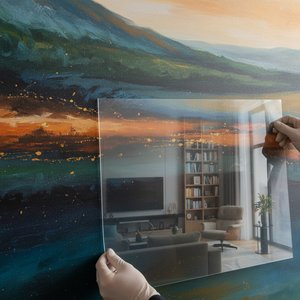
Giclée Prints Explained: The Ultimate Guide to Museum-Quality Art Reproductions
Master the nuances of Giclée printing with our expert guide. Discover how pigment-based inks and museum-grade substrates create fade-resistant, high-fidelity art reproductions designed for discerning collectors seeking unparalleled quality and longevity.
Trvalá krása a emocionální rezonance: Proč si vybrat ručně malovaný olejový obraz namísto digitálního tisku
Objevte sílu ručně malovaných olejových obrazů. Investujte do umění s trvalou hodnotou a emocionální rezonancí. Kvalitní reprodukce, restaurování a odborné poradenství pro elitní sběratele na OriginalUniqueArt.

Giclée Prints: Archival Quality & Aesthetic Nuances for the Discerning Collector
Explore the world of giclée prints with OriginalUniqueArt. Learn about archival quality, aesthetic nuances & investment potential. Expert guidance for discerning art collectors seeking museum-quality reproductions and lasting value.
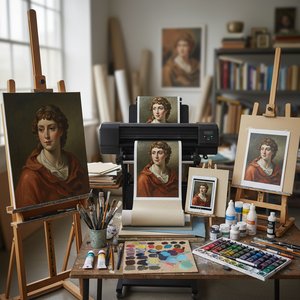
Reprodukce umění: Průvodce médii pro reprodukci obrazů – olej, plátno a papír
Objevte svět kvalitních reprodukcí umění! Průvodce médii – olejomalba, plátno, papír. Expertní poradenství a reprodukce muzejní kvality pro váš domov.