Olejová verze
 Vše o 3. PODLAŽÍ







































 U děl nebo reprodukcí, u nichž je jakákoliv strana větší než 105 cm (přibližně 41 palců), bude rám dodán jako sestava v rozloženém stavu. Tato metoda zajišťuje bezpečné doručení a chrání dílo před poškozením během přepravy.


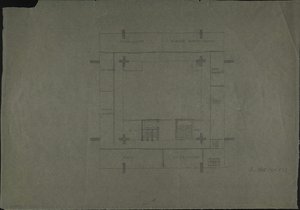
A Blueprint for Utopia: Examining Franz Ehrlich’s “3rd FLOOR”
The architectural drawing titled “3rd FLOOR,” created by Franz Ehrlich in 1956, transcends mere technical documentation; it embodies the aspirations of a nation grappling with its identity after decades under Nazi oppression and subsequent Soviet influence. This meticulously crafted plan for a foreign representation of the German Democratic Republic—specifically designed for the Leipzig Trade Fair—offers a fascinating glimpse into the ethos of socialist architecture during the GDR era. Ehrlich, a Bauhaus graduate who endured imprisonment during the Nazi regime, channeled his artistic sensibilities into this project, resulting in an image that speaks volumes about control, precision, and the pursuit of idealized urban landscapes.- Style & Technique: The drawing exemplifies architectural drafting—a style prioritizing accuracy and detail above stylistic flourishes. Ehrlich employed pencil or pen on paper, utilizing precise lines to delineate walls, doorways, and room boundaries. Hatching was skillfully applied to simulate shading and depth, creating subtle tonal variations that convey a sense of materiality without resorting to illusionistic perspective.
- Historical Context: Produced in 1956, “3rd FLOOR” reflects the GDR’s commitment to showcasing its achievements on the international stage. The drawing served as part of a larger exhibit at the Leipzig Trade Fair, aiming to portray the GDR as a beacon of progress and social harmony—a deliberate counterpoint to the perceived failures of capitalism.
- Composition & Spatial Arrangement: Symmetry dominates the composition, mirroring the GDR’s ideological framework. Rooms are arranged around a central large space, reflecting the importance of communal life and centralized planning within socialist society. The careful consideration of spatial relationships underscores the desire for orderliness and efficiency.
- Materials Used: Pencil or ink on paper – reflecting a commitment to honest craftsmanship and avoiding artificial enhancements.
Size & Dimensions
The artwork measures 32 x 45 cm.Artist Biography
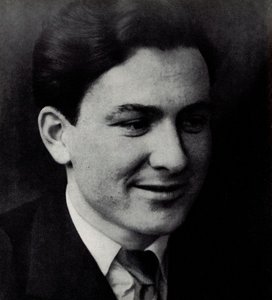
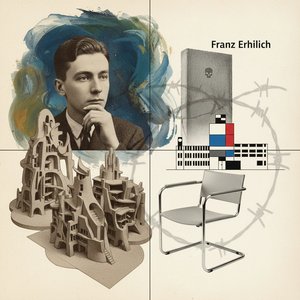
Franz Ehrlich (1907-1984), born in Reuth, Germany, was a Bauhaus graduate who experienced imprisonment during the Nazi regime. He continued to contribute to the world of art after his release, leaving behind a legacy that is both inspiring and thought-provoking.Further Exploration
{ "useful_links": [], "useful_content": [] }Otázky a odpovědi
Je dílo 3. PODLAŽÍ ručně malované, nebo jde o tisk?
Ručně malováno: zkušený malíř přetvoří 3. PODLAŽÍ v olejomalbu na lněném plátně.
Jakou velikost si mám vybrat pro 3. PODLAŽÍ?
Rozměry originálu jsou 32 x 45 cm. Velikosti se pohybují od 26.5 x 37.8 cm (Kč4355) až po 168.8 x 241.0 cm (Kč33101); v tabulce na této stránce jsou uvedeny jednotlivé varianty a jejich ceny.
Jak dlouho trvá doručení?
Doručení trvá 4 až 5 týdnů a zahrnuje bezplatnou expresní přepravu po celém světě; na této stránce je k dispozici i možnost urgentní výroby. Dílo můžete vrátit během 100 dnů s plným vrácením peniędzy, bez jakýchkoliv podmínek.
Kde se nachází originál díla 3. PODLAŽÍ?
Originál se nachází ve sbírkách Bauhaus Dessau Foundation, Dessau-Roßlau.
Jakou techniku použil/a Franz Ehrlich pro dílo 3. PODLAŽÍ?
Akryl na plátně
 Náhled v interiéru

 Sdílet
 Sdílet
 Podrobnosti o díle
 Informační list


 Stáhnout
 Podobné položky
 Rentgenové snímky
 Slideshow
 Otázky a odpovědi

 Statistiky