Bauhaus Architectural Drafting
3. PODLAŽÍ (Franz Ehrlich)
Franz Ehrlich (1907–1984) vytvořil dílo 3. PODLAŽÍ. Patří k hnutí Bauhaus Architectural Drafting. Je vyrobeno z Akryl na plátně. Nachází se v Bauhaus Dessau Foundation v Dessau-Roßlau, Německo. Rozměry jsou 32 × 45 cm.
- Akryl na plátně
- 32 × 45 cm
- Bauhaus Dessau Foundation, Dessau-Roßlau

 Náhled v interiéru

 Ručně malovaná olejná reprodukce
 Sdílet
 Sdílet
 Informační list


 Stáhnout
 Podobné položky
 Rentgenové snímky
 Slideshow
 Otázky a odpovědi

 Statistiky
3. PODLAŽÍ v kostce
- Název díla
- 3. PODLAŽÍ
- Autor
- Franz Ehrlich (1907–1984)
- Rok narození umělce
- Reut, Německo
- Technika
- Akryl na plátně
- Rozměry
- 32 × 45 cm
- Kde jej vidět
- Bauhaus Dessau Foundation, Dessau-Roßlau, Německo
- Motiv
- floor plan, gdr architecture, urban planning, bauhaus style, technical drawing, socialist design
Co przedstawuje dílo 3. PODLAŽÍ?
A Blueprint for Utopia: Examining Franz Ehrlich’s “3rd FLOOR”
The architectural drawing titled “3rd FLOOR,” created by Franz Ehrlich in 1956, transcends mere technical documentation; it embodies the aspirations of a nation grappling with its identity after decades under Nazi oppression and subsequent Soviet influence. This meticulously crafted plan for a foreign representation of the German Democratic Republic—specifically designed for the Leipzig Trade Fair—offers a fascinating glimpse into the ethos of socialist architecture during the GDR era. Ehrlich, a Bauhaus graduate who endured imprisonment during the Nazi regime, channeled his artistic sensibilities into this project, resulting in an image that speaks volumes about control, precision, and the pursuit of idealized urban landscapes.- Style & Technique: The drawing exemplifies architectural drafting—a style prioritizing accuracy and detail above stylistic flourishes. Ehrlich employed pencil or pen on paper, utilizing precise lines to delineate walls, doorways, and room boundaries. Hatching was skillfully applied to simulate shading and depth, creating subtle tonal variations that convey a sense of materiality without resorting to illusionistic perspective.
- Historical Context: Produced in 1956, “3rd FLOOR” reflects the GDR’s commitment to showcasing its achievements on the international stage. The drawing served as part of a larger exhibit at the Leipzig Trade Fair, aiming to portray the GDR as a beacon of progress and social harmony—a deliberate counterpoint to the perceived failures of capitalism.
- Composition & Spatial Arrangement: Symmetry dominates the composition, mirroring the GDR’s ideological framework. Rooms are arranged around a central large space, reflecting the importance of communal life and centralized planning within socialist society. The careful consideration of spatial relationships underscores the desire for orderliness and efficiency.
- Materials Used: Pencil or ink on paper – reflecting a commitment to honest craftsmanship and avoiding artificial enhancements.
Size & Dimensions
The artwork measures 32 x 45 cm.Artist Biography
Franz Ehrlich (1907-1984), born in Reuth, Germany, was a Bauhaus graduate who experienced imprisonment during the Nazi regime. He continued to contribute to the world of art after his release, leaving behind a legacy that is both inspiring and thought-provoking.Further Exploration
{ "useful_links": [], "useful_content": [] }Ve kterém muzeu se nachází 3. PODLAŽÍ?
Bauhaus Dessau Foundation
Dessau-Roßlau, Německo
O Bohuase Dessau – Ikona Moderny a Inspirace pro Současnost Bauhaus Dessau Foundation je více než jen muzeum; je to živoucí centrum, které uchovává a sdílí dědictví jednoho z nejvlivnějších uměleckých hnutí 20. století – Bohuase. Založená v ikonickém budově navržené architektem Walterem Gropiusem, představuje tento unikátní komplex nejen architektonický skvost, ale i prostor pro aktivní výzkum a dialog s moderním designem a stavebnictvím.


Vysokorozlišené fotografie díla 3. PODLAŽÍ

Protected by copyright: these files are for personal reference, not a licence to republish.
Franz Ehrlich, 3. PODLAŽÍ, Bauhaus Dessau Foundation.
Odpovědi na otázky k dílu 3. PODLAŽÍ
Kde je dnes možné vidět dílo „3. PODLAŽÍ“ od Franz Ehrlich?
Dílo „3. PODLAŽÍ“ od Franz Ehrlich je vystaveno v instituci Bauhaus Dessau Foundation, Dessau-Roßlau, Německo. Uvedené muzeum se vztahuje k originálu, nikoliv k reprodukcím.
V jaké technice je vytvořeno dílo „3. PODLAŽÍ“ od Franz Ehrlich?
Franz Ehrlich pro dílo „3. PODLAŽÍ“ použil/a techniku Akryl na plátně. Tato technika definuje materiální podstatu originálního díla.
Jaké jsou rozměry originálu díla „3. PODLAŽÍ“ od Franz Ehrlich?
Zaznamenané rozměry díla „3. PODLAŽÍ“ od Franz Ehrlich jsou 32 x 45 cm. Reprodukce lze objednat v jiných velikostech při zachování stejných proporcí.
Jaká témata se objevují v díle „3. PODLAŽÍ“ od Franz Ehrlich?
„3. PODLAŽÍ“ od Franz Ehrlich zobrazuje: floor plan, gdr architecture, urban planning, bauhaus style, technical drawing, socialist design, architectural sketch.
Patří „3. PODLAŽÍ“ od Franz Ehrlich do volného tisku?
Stav autorských práv pro dílo „3. PODLAŽÍ“ od Franz Ehrlich: toto dílo spadá do stále chráněno autorským právem. To určuje, zda lze volně vytvářet reprodukce tohoto obrazu.
Kdo je autorem díla "3. PODLAŽÍ"?
Dílo "3. PODLAŽÍ" vytvořil/a Franz Ehrlich. Informace na této stránce popisují originální dílo umělce Franz Ehrlich.
K kterému uměleckému směru patří „3. PODLAŽÍ“ od Franz Ehrlich?
Umělecký směr, ke kterému patří dílo „3. PODLAŽÍ“ od Franz Ehrlich, je Bauhaus Architectural Drafting. Tato klasifikace toto dílo umísťuje mezi související umělce a další umělecká díla.
Do které éry tvorby Franz Ehrlich spadá dílo "3. PODLAŽÍ"?
V rámci kariéry umělce Franz Ehrlich spadá dílo „3. PODLAŽÍ“ do období Bauhaus Architectural Drafting. Tato fáze umožňuje jeho srovnání s dalšími díly tohoto umělce.
Patří dílo „3. PODLAŽÍ“ od Franz Ehrlich do volného užití, a proč?
Dílo „3. PODLAŽÍ“ od Franz Ehrlich spadá do stále chráněno autorským právem. Autorská práva se počítají od roku úmrtí autora; Franz Ehrlich zemřel(a) v roce 1984.
O umělci, Franz Ehrlich
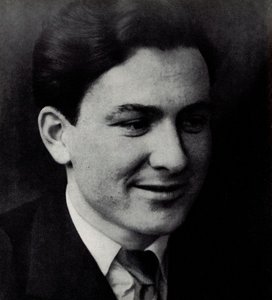
1907–1984, Německo
Franz Ehrlich
Dětství a vzdělání Franz Ehrlich, slavný německý architekt, kaligraf a grafický designér, se narodil v roce 1907. Jeho formující roky byly naznačeny přirozeným náklonem k umění, což ho vedlo na studium do Bauhausu v Dessau v letech 1927 až 1930. Tato prestižní instituce hrála klíčovou roli při kształtování Ehrlichově uměleckého pohledu a představila mu avantgardní hnutí doby. Umělecká kariéra a komunistické vazby Vazba Ehrlicha na komunistickou stranu měla hluboký dopad na jeho život i kariéru.
Také od autora Franz Ehrlich
 LBH BUILDING MACHINERY WOODWORKING MACHINERY HALL 5 (Leipzig Trade Fair, plan view exhibition stand)1949
 Čtyři židle. Jedna lavice.
 Knihovna Hauptstraße / Převěrná část (FDGB knihovna)1949
 The new city is built on labour... (Design for competition Dresden)1952
Eseje k tématu 3. PODLAŽÍ
 German expressionist paintersMasterpieces by Kirchner and Beckmann define German Expressionism. Explore the full collection online at OriginalUniqueArt.com.
 Geometry with Purpose: Distinguishing Suprematism from ConstructivismMaster the differences between Suprematism and Constructivism with our expert guide. Discover the soul of the Russian avant-garde now.
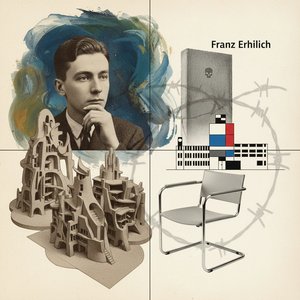 Franz Ehrlich: Bridging Expressionism, Bauhaus & the Shadows of HistoryExplore the life of Franz Ehrlich, a pivotal Bauhaus architect whose career spanned Expressionism, resistance during Nazi Germany, and GDR …