

 Zobrazit v interiéru
 Odeslat
 Sdílet
 Podrobnosti
 Průvodce

 Stáhnout obrázek
 Podobné kousky
 Rentgenové snímky
 Slideshow
 Statistiky
Young Country Girl Dancing
 Rococo Style
 1770
1770- 19th Century
 29.0 x 46.0 cm
 Art Gallery of Ontario
 Přečíst si více
Giclée / Umělecký tisk
Giclée nebo plátěný tisk muzeální kvality s rychlou výrobou a širokou nabídkou povrchových úprav. ( Objednat ručně malovanou reprodukci Přepnout na digitální verzi obrazu)




P118B $10

P118H $10

P118W $10

P438Z $10

P508JH $12

P508YH $12

P805H $10

P805Z $10

P919BZ $10

P919G $10

P919XJ $10

P959ZH $10

P968JZ $12

W106C $8

W218G $10

W218JH $8

W218Y $10

W307PJ $10

W316G $10

W316PJ $8

W316Y $10

W398PJ $8

W4111J $10

W500HY $15

W500JH $15

W692G $12

W849H $8

W940BG $15

W953PJ $8




Vyberte si z našich přednastavených velikostí, které odpovídají původním proporcím díla.

Můžete zadat vlastní rozměry tak, aby výtvor odpovídal konkrétnímu rámu nebo prostoru. Pokud zvolená velikost nebude odpovídat poměru stran původního obrazu, dílo buď ořížeme, nebo obraz rozšíříme pomocí zrcadlového efektu či jednobarevného okraje. Před zahájením výroby vám bude zaslán digitální náhled k schválení.
Mějte prosím na paměti, že náhled na obrazovce neodráží skutečné oříznutí nebo rozšíření. Pouze digitální náhled přesně zobrazí finální kompozici.
Ačkoliv jsou k dispozici i vlastní rozměry, pro zachování původních proporcí doporučujeme vybrat si rozměr z předdefinovaného seznamu.
Celosvětové doručení () do 2 týdnů namísto standardních 4/5 týdnů. (27 září)

Zdarma celosvětová expresní doprava

Vysoce kvalitní lněné plátno

Úplné pojištění přepravy

Záruka vrácení celního poplatku

Záruka věrného barevného shodu

100dení lhůta pro vrácení zboží (pouze při vadách výroby)

100% garance vrácení peněz

Sleva při více objednávkách
 Skleněná varianta je dostupná pouze u rozměrů menších než 110 cm

Young Country Girl Dancing
Giclée / Umělecký tisk
Velikost reprodukce
-


Celková cena
$ 80
A Moment of Playful Grace: François Boucher’s “Young Country Girl Dancing”
François Boucher's "Young Country Girl Dancing," painted in 1770, is more than just a depiction of youthful exuberance; it’s a quintessential embodiment of the Rococo aesthetic – a style defined by its delicate beauty, playful subject matter, and an emphasis on sensual pleasure. Measuring a modest 29 x 46 cm, this intimate painting captures a fleeting moment of carefree joy, instantly transporting the viewer to a world of elegant leisure and idyllic romance. The artwork’s current residence within the Art Gallery of Ontario in Toronto speaks to its enduring appeal and significance within art history.
The Rococo Vision: Boucher's Artistic Language
Created on laid paper, a technique favored for its subtle texture and ability to absorb ink beautifully, "Young Country Girl Dancing" exemplifies Boucher’s mastery of the Rococo style. His brushwork is remarkably light and airy, creating an almost dreamlike quality that softens the forms and emphasizes movement. The pale color palette – dominated by creams, whites, and delicate pinks – contributes significantly to the painting's ethereal atmosphere. Boucher was a master of composition, skillfully arranging the figures within the frame to create a sense of balanced harmony and visual delight. Notice how he uses diagonal lines to draw the eye through the scene, enhancing the feeling of dynamic movement.
A Portrait of an Era: Historical Context
Painted in 1770, this work reflects the prevailing tastes of the French court during the reign of Louis XV. The Rococo style was at its height, driven by a desire for beauty and pleasure after the more austere Baroque period. Boucher’s paintings were immensely popular with the aristocracy, who sought to surround themselves with images that celebrated elegance, refinement, and the joys of life. The subject matter – a young woman engaged in a simple, yet graceful activity – was typical of the era's fascination with pastoral scenes and idealized representations of feminine beauty. The fact that it was created using laid paper also speaks to the high-quality materials favored by artists and patrons during this time.
Symbolism and Emotional Resonance
"Young Country Girl Dancing" is not merely a pretty picture; it’s imbued with symbolic meaning. The girl's pose, hands on her hips, suggests confidence and self-possession, while the flowing white dress represents purity and innocence. The setting – likely a rural landscape – evokes notions of freedom and escape from the constraints of courtly life. Boucher skillfully captures a moment of genuine emotion—a feeling of uninhibited joy and delight. The painting’s enduring appeal lies in its ability to evoke feelings of nostalgia, serenity, and perhaps even a longing for simpler times. It's a testament to Boucher's skill in translating complex emotions into a visually captivating experience.
Biografie umělce
François Boucher: The Painter of Rococo Dreams
François Boucher (1703–1770) remains one of the most captivating and enduring figures in the history of French art. More than just a painter, he was a master orchestrator of beauty, a conduit for the aristocratic sensibilities of his time, and a pivotal architect of the Rococo style. His canvases shimmer with pastel hues, overflow with mythological grace, and whisper tales of pleasure, leisure, and an idealized world – a realm where elegance reigned supreme.
Early Years and Artistic Foundations
Born in Paris on September 29th, 1703, François Boucher’s artistic journey began not within the hallowed halls of a prestigious academy, but under the watchful eye of his father, Jean Boucher, a skilled embroiderer and painter of decorative patterns. This early exposure to craftsmanship instilled in him a meticulous attention to detail and an appreciation for refined aesthetics. At seventeen, he secured an apprenticeship with François Lemoyne, a leading painter at the Louvre, gaining invaluable experience in fresco painting – a demanding discipline that honed his technical skills and understanding of composition. Crucially, he also studied under Jean-François Cars, a renowned engraver, which significantly influenced his later work, particularly his use of line and detail.
The Grand Prix de Rome and Italian Influence
A defining moment in Boucher’s career arrived in 1720 when he won the prestigious Grand Prix de Rome. This competition, established by Pope Benedict XIV to encourage French artists to study in Italy, provided Boucher with a rare opportunity to immerse himself in the artistic treasures of Rome. He spent several years absorbing the influence of masters like Caravaggio and Tiepolo, particularly their dramatic use of light and shadow, and their ability to imbue religious subjects with intense emotion. The experience profoundly shaped his style, introducing him to new techniques and inspiring a shift towards a more dynamic and expressive approach – though he retained the delicate elegance characteristic of Rococo.
Ascension at Court: Madame de Pompadour and Royal Patronage
Upon his return to France in 1727, Boucher was immediately admitted to the Académie Royale de Peinture et de Sculpture. His debut work, “Rinaldo and Armida” (1734), a grand historical painting depicting a legendary love story, instantly established him as a rising star. However, it was his association with Madame de Pompadour, Louis XV’s influential mistress, that truly propelled him to the pinnacle of artistic fame. She became his most devoted patron, commissioning numerous works – portraits, mythological scenes, and decorative panels – that adorned her lavish estate at Versailles. Boucher's ability to capture the essence of aristocratic elegance and create a world of refined beauty made him indispensable to the court.
A World of Myth and Grace: Key Works and Themes
Boucher’s oeuvre is remarkably diverse, encompassing a wide range of subjects while consistently maintaining his signature style. His paintings frequently depict scenes from classical mythology – “The Triumph of Venus” (1740-1751) stands as a particularly dazzling example of his mastery in this genre, showcasing a multitude of nude figures amidst lush landscapes. He also excelled at portraiture, capturing the beauty and charm of noblewomen like Madame de Pompadour herself. Beyond these subjects, Boucher created numerous idyllic pastoral scenes – “The Breakfast” (1739) is a delightful example of domestic tranquility – and even ventured into landscape painting, producing works such as "The Setting of the Sun," characterized by their lyrical beauty and evocative atmosphere. Throughout his work, recurring themes include love, beauty, leisure, and an idealized vision of nature.
Legacy and Lasting Influence
François Boucher’s influence extended far beyond his own paintings. He designed costumes and sets for the theater, created elaborate tapestries for the Beauvais workshops, and collaborated with the Gobelins Manufactory, shaping the visual language of the French court and contributing significantly to the development of decorative arts. Despite facing criticism later in his career – some critics accused him of prioritizing superficial beauty over genuine emotion – Boucher’s impact on subsequent generations of artists is undeniable. He profoundly influenced figures like Jean-Honoré Fragonard, and his style helped pave the way for Neoclassicism through the work of his students. Today, François Boucher remains a celebrated figure in art history, remembered as the quintessential painter of Rococo – a master of elegance, grace, and the pursuit of beauty.

François Boucher
1703 - 1770 , Francie
Rychlé informace
- Artistic Movement Or Style: Rokoko
- Artists Or Movements Influenced By This Artist: ['Neoklasicismus']
- Artists Who Influenced This Artist:
- François Lemoyne
- Jean-François Cars
- Date Of Birth: 29. září 1703
- Date Of Death: 30. května 1770
- Full Name: François Boucher
- Nationality: Francouzský
- Notable Artworks:
- Rinaldo a Armida
- Snídaně
- Triumf Veny
- Vulcan a Venuše
- Place Of Birth: Paříž, Francie
Související články

The Rococo Aesthetic: Opulence, Rebellion & the Pursuit of Pleasure in 18th-Century Art
Explore the opulent world of Rococo art! Discover its origins, key artists like Watteau & Boucher, and lasting influence on design. Expert insights for collectors & enthusiasts.
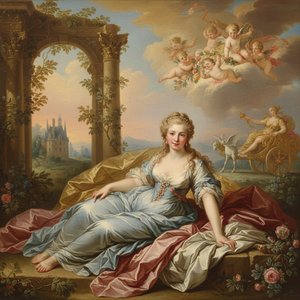
François Boucher: Rococo Master of Myth, Sensuality, and the French Court
Explore the captivating world of François Boucher, master of Rococo painting! Discover his iconic works, aristocratic patronage, and lasting influence on French art history. Learn more at OriginalUniqueArt.

The Allure of Elegance in Art: A Historical & Aesthetic Exploration of Refinement & Grace
Explore the exquisite world of Rococo art! Discover its history, masters (Watteau, Boucher & more), and defining elegance. Expert insights for collectors seeking museum-quality reproductions & custom portraits.
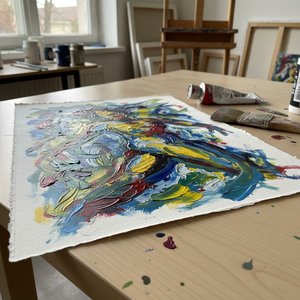
Acrylic on Paper: A Modern Canvas for Contemporary Expression
Explore the versatility of acrylic painting on paper! Discover expert techniques, artist insights & archival practices for creating stunning contemporary art. Learn more at OriginalUniqueArt.

Top 10 mistrovských děl rokokového umění | OriginalUniqueArt.cz
Prozkoumejte 10 ikonických děl rokokového umění – Fragonard, Boucher a další. Objevte příběhy mistrů, techniky a pastelové barvy tohoto elegantního stylu. Reprodukce obrazů nejvyšší kvality na OriginalUniqueArt.cz!

