

 Náhled v interiéru
 Sdílet
 Sdílet
 Podrobnosti o díle
 Průvodce

 Stáhnout
 Podobné položky
 Rentgenové snímky
 Slideshow
 Statistiky
Madonna with Child
 Oil On Panel
- Renaissance Early Renaissance
 1514
1514 93.0 x 68.0 cm
 Státní Ermitáž
 Zobrazit více
Giclée / Umělecký tisk
Giclée nebo plátěný tisk muzeální kvality s rychlou výrobou a širokou nabídkou povrchových úprav. ( Koupit ručně malovaný obraz Přepnout na digitální obraz)




P118B Kč10

P118H Kč10

P118W Kč10

P438Z Kč10

P508JH Kč12

P508YH Kč12

P805H Kč10

P805Z Kč10

P919BZ Kč10

P919G Kč10

P919XJ Kč10

P959ZH Kč10

P968JZ Kč12

W106C Kč8

W218G Kč10

W218JH Kč8

W218Y Kč10

W307PJ Kč10

W316G Kč10

W316PJ Kč8

W316Y Kč10

W398PJ Kč8

W4111J Kč10

W500HY Kč15

W500JH Kč15

W692G Kč12

W849H Kč8

W940BG Kč15

W953PJ Kč8




Vyberte si z našich přednastavených velikostí, které odpovídají původním proporcím díla.

Zadejte šířku a výšku, které potřebujete pro váš rám nebo stěnu. Tisk lze pouze oříznout, nikdy však nelze zvětšit obraz nad jeho původní rozměr, proto při výběru jiného formátu dochází ke ztrátě části obrazu. Před samotným tiskem vám zašleme digitální náhled k schválení. Obraz zobrazený na této stránce nenabízí skutečný výřez — ten uvidíte pouze v náhledu.
Celosvětové doručení () do 2 týdnů namísto standardních 4/5 týdnů. (26 říjen)

Zdarma celosvětová expresní doprava

Vysoce kvalitní lněné plátno

Kompletní pojištění přepravy

Záruka vrácení celního poplatku

Záruka věrného barevného souladu

100dení lhůta pro vrácení zboží (pouze při vadách výroby)

100% záruka vrácení peněz

Sleva při více objednávkách
 Skleněná varianta je dostupná pouze u rozměrů menších než 110 cm

Madonna with Child
Giclée / Umělecký tisk
Rozměry reprodukce
-


Celková cena za vybrané možnosti reprodukcí
Kč 1711
A Portrait of Devotion: Unveiling the Madonna with Child
Within the hallowed halls of the Hermitage Museum in St. Petersburg resides a painting that transcends mere representation, offering instead a profound glimpse into the heart of Renaissance faith and artistry – the Madonna with Child by Francesco Bigi, more commonly known as Franciabigio. Completed around 1514, this oil on panel is not simply a depiction of Mary cradling her infant son; it’s a carefully constructed tableau brimming with symbolism, technical mastery, and an undeniable emotional resonance that continues to captivate viewers centuries later.
Franciabigio, a Florentine artist born around 1482 and tragically passing in 1525, carved out a unique niche within the artistic landscape of his time. Unlike many of his contemporaries who focused primarily on grand religious commissions, Franciabigio distinguished himself through his evocative portraits and masterful frescoes. His work is characterized by an intimate quality, a remarkable ability to capture not just physical likeness but also the subtle nuances of human emotion – qualities that are powerfully evident in this Madonna with Child.
The Anatomy of Faith: Symbolism and Composition
At first glance, the painting presents a serene scene: Mary, depicted as a youthful woman radiating grace and composure, holds the infant Jesus close. His gaze is direct, engaging the viewer with an innocent curiosity that belies his divine status. However, beneath this surface tranquility lies a complex web of symbolism. The dove hovering above the Madonna – a frequent motif in Christian art – represents the Holy Spirit, signifying divine guidance and blessing. The small object held by the infant Jesus, often interpreted as a bird or a small dove, further reinforces this theme of peace and spiritual grace.
Franciabigio’s compositional choices are equally deliberate. The figures are arranged within a balanced, harmonious space, creating a sense of stability and tranquility. The soft, rounded forms, characteristic of the High Renaissance style, lend a lifelike quality to the subjects, while the gentle use of light and shadow imbues the scene with an ethereal glow. The background landscape, rendered in muted greens and blues, provides a subtle yet effective contrast to the vibrant colors of Mary’s robe – a rich red that speaks to her role as Mother of God.
A Master's Touch: Technique and Historical Context
Francibigio’s technical skill is undeniable. His use of color is remarkably sophisticated, particularly in his rendering of textures—the delicate folds of Mary’s robe, the soft curls of the infant Jesus’ hair. The painting demonstrates a keen understanding of perspective and anatomy, reflecting the influence of artists like Leonardo da Vinci, whose anatomical studies profoundly impacted Renaissance art.
The Madonna with Child was created during a period of significant artistic innovation in Florence, a time when artists were pushing the boundaries of realism and exploring new ways to represent religious subjects. Franciabigio’s work stands as a testament to this dynamic creative environment, showcasing his ability to synthesize classical influences with contemporary trends. The painting's creation coincided with the rise of the Medici family, who commissioned numerous works of art to glorify their lineage and demonstrate their patronage of the arts.
A Timeless Legacy: Reproduction and Inspiration
Today, reproductions of the Madonna with Child continue to inspire artists and interior designers alike. Its serene beauty, profound symbolism, and masterful technique make it a timeless masterpiece that transcends its historical context. Whether displayed in a grand gallery or cherished within a private home, this painting offers a powerful reminder of the enduring power of faith, art, and human connection.
Otázky a odpovědi
Jaká je doporučená velikost tisku pro „Madonna with Child“ od Franciabigio?
Doporučená velikost tisku pro dílo „Madonna with Child“ od Franciabigio je Medium.
Jak výrazné jsou barvy díla „Madonna with Child“?
Barvy díla „Madonna with Child“ od Franciabigio vykazují Subtle Color saturaci s Monochromatic intenzitou.
Jaké emoce vyvolávají barvy díla „Madonna with Child“ od Franciabigio?
„Madonna with Child“ od Franciabigio kombinuje paletu Earthy s Tranquil tónem.
Biografie umělce
Franciabigio: Florentinský renesanční portrétista
Franciabigio (cca 1482 – 24. ledna 1525) představuje jedinečnou postavu v živobné tkanině florentského umění období vrcholné renesance. Je to malíř, jehož odkaz nespočívá primárně ve velkolepých náboženských zakázkách, nýbrž v jeho expresivních portrétech a mistrovských freskách. Ačkoliv definitivní biografické detaily zůstávají neuchopitelné, učenci věří, že se narodil ve Florencie v Itálii, pravděpodobně jako Francesco di Cristofano, přestože se v historických záznamech objevují i varianty jako Marcantonio Franciabigio či Francia Bigio. Jeho rané umělecké vzdělání probíhalo pod vedením Alberto Altramonte, což položilo základy pro jeho pozdější spolupráce a stylistickou evoluci. Kolem roku 1506 přešel Franciabigio do ateliéru Andrea del Sarta, což znamenalo zásadní okamžik v jeho kariéře. Toto partnerství podpořilo prostředí inovací a experimentování, což vyvrcholilo jejich společným založením dílny na Piazza del Grano – centra umělecké aktivity, které přitahovalo i další významné umělce, jako byli Rosso Fiorentino, Pontormo, Francesco Indaco či Baccio Bandinelli. Franciabigio si rychle získal slávu díky své výjimečné zručnosti při malování fresk, čímž si zasloužil uznání, že v této technice dokonce převýšil své současníky. Právě v tomto médiu se umělecká síla Franciabiga skutečně projevila – dokázal zachytit jemné výrazy a s neuvěřitelnou citlivostí vyjádřit psychologickou hloubku postav. Jeho sláva se upevnila skrze portréty prosycené hmatatelným naturalismem, což ho odlišovalo od mnoha jeho vrstevníků, kteří upřednostňovali idealizované zobrazení. Na rozdíl od monumentálních fresk dominujících v klauzuře Santa Maria della Annunziata, kde Andrea del Sarto vedl rozsáhlý projekt společně s Franciabigem – spolupráci, kterou však stínila slavná del Sartova „Zrození Venuše“ – se Franciabigova práce soustředila na zachycení individuálního charakteru a emocí. Dílo Svatba Panny Marie, vytvořené v roce 1513, tento přístup dokonale exemplifikuje a ukazuje schopnost Franciabiga vdechnout biblickým příběhům humanistický realismus. Freska Poslední večeře, zadaná pro Convento della Calza ve Florencii (1514), dále upevnila jeho pověst – šlo o monumentální podnik pod dohledem Andrea del Sarta, který zahrnoval skupinu umělců včetně Pontorma a Indaca. Franciabigův příspěvek k tomuto ambicióznímu projektu byl však ve srovnání s del Sartovým mistrovským dílem zřetelně střídmější, což podtrhovalo stylistickou dominanci jeho mentora. Podobně v klauzuře Convento della Salzo (1518–19) spolupracoval s Andrea del Sartem na obrazech Odchod svatého Jana Křtitele do pouště a Setkání svatého Jana Křtitele s Ježíšem, čímž demonstroval svou neustálou snahu o zapojení do inovativních uměleckých snah. Jeho umělecká cesta vrcholila v Villa Medici v Poggio a Caiano (1520–21), kde se věnoval freskování díla Ciceronův triumf – projektu, který odhalil stylistické příbuznosti Franciabiga s Pontormem, což je szczególnie patrné v lunetě zobrazující Vertumnuse a Pomonu. Na rozdíl od Pontormova zářivého zobrazení mytologických postav však Franciabigova kompozice vyzařovala pocit melancholie a neklidu – což odráželo proto-manýristickou citlivost, která se jemně vzdalovala od tehdejších převládajících estetických ideálů. Významným příkladem jeho technické dokonalosti a umělecké vize je také Retablo svatého Hajfa (1516). Vliv Franciabiga přesahoval jeho bezprostřední současníky; otisk stylu Rafaela Sanzia lze rozpoznat v několika obrazech připisovaných jemu – nejvýrazněji u díla Madona s dítětem, což podtrhuje všudypřítomný dopad renesančních uměleckých principů. Franciabigovo trvalé dědictví spočívá v jeho schopnosti přeložit humanistické ideály do vizuální podoby a zachytit komplexnost lidských emocí s bezkonkurenčním uměleckým citem – což je důkazem jeho jedinečného přínosu k historii florentského umění.
Franciabigio
1482 - 1525 , Itálie
Rychlé informace o umělci
- Artistic Movement Or Style: Renesance
- Artists Or Movements Influenced By This Artist: ['Renesance']
- Artists Who Influenced This Artist:
- Andrea del Sarto
- Raphael Sanzio
- Date Of Birth: Florencie, Itálie (1482)
- Date Of Death: 24. ledna 1525
- Full Name: Francesco Cristofano
- Nationality: Italská
- Notable Artworks:
- Portrét muže
- Hlava Madonny
- Anděl
- Retablo svatého J कामका
- Svatba Panny Marie
- Poslední večeře
- Odchod svatého Jana Křtitele
- Setkání svatého Jana Křtitele
- Triumf Cicera
- Vertumnus a Pomona
- Place Of Birth: Florencie
Související články
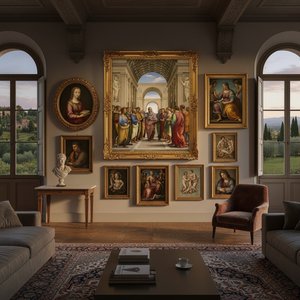
Rafael: 25 mistrovských děl renesance pro váš domov | OriginalUniqueArt.cz
Objevte 25 ikonických děl Raffaela – od Sixtinské madony po Atény školu. Ponořte se do světa renesance a obdivujte mistrovské obrazy online. Reprodukce obrazů nejvyšší kvality pro váš interiér na OriginalUniqueArt.cz.
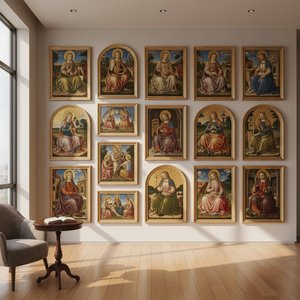
Fra Angelico: 25 mistrovských děl renesančního umění pro váš domov | OriginalUniqueArt.cz
Objevte 25 ikonických děl Fra Angelica – renesančního mistra andělských freskek a náboženských maleb. Prozkoumejte jeho techniku, inspiraci a duchovní poselství. Luxusní reprodukce obrazů pro váš interiér na OriginalUniqueArt.cz

The Enduring Power of Painting: A Historical & Contemporary Exploration of Form and Emotion
Explore the rich history & enduring techniques of oil painting with OriginalUniqueArt. Discover masterpieces, learn about art collecting, and find authentic handmade reproductions crafted by skilled artists.

The Enduring Legacy of Oil on Canvas: Technique, History & Aesthetic Impact
Explore the rich history & techniques of oil painting – from Renaissance masters to Impressionism. Discover pigments, layering methods, and why this timeless medium endures. Expert insights for artists & art enthusiasts.

Oil on Canvas: A Historical & Technical Exploration of a Timeless Artistic Medium
Explore the rich history & enduring techniques of oil painting on canvas. Discover the science behind its longevity, conservation practices, and contemporary relevance. Expert insights for art enthusiasts.