Zobrazit v interiéru
 Odeslat
 Sdílet
 Podrobnosti
 Průvodce

 Stáhnout obrázek
 Podobné kousky
 Rentgenové snímky
 Slideshow
 Statistiky
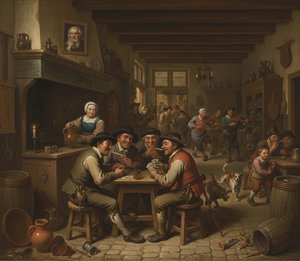
The Kitchen
 Acrylic On Canvas
- WallArt
- Baroque
 1646
1646 171.0 x 237.0 cm
 Státní Ermitáž
 Přečíst si více
Giclée / Umělecký tisk
Giclée nebo plátěný tisk muzeální kvality s rychlou výrobou a širokou nabídkou povrchových úprav. ( Objednat ručně malovanou reprodukci Přepnout na digitální verzi obrazu)




P118B Kč10

P118H Kč10

P118W Kč10

P438Z Kč10

P508JH Kč12

P508YH Kč12

P805H Kč10

P805Z Kč10

P919BZ Kč10

P919G Kč10

P919XJ Kč10

P959ZH Kč10

P968JZ Kč12

W106C Kč8

W218G Kč10

W218JH Kč8

W218Y Kč10

W307PJ Kč10

W316G Kč10

W316PJ Kč8

W316Y Kč10

W398PJ Kč8

W4111J Kč10

W500HY Kč15

W500JH Kč15

W692G Kč12

W849H Kč8

W940BG Kč15

W953PJ Kč8




Vyberte si z našich přednastavených velikostí, které odpovídají původním proporcím díla.

Zadejte šířku a výšku, které potřebujete pro váš rám nebo stěnu. Tisk lze pouze oříznout, nikdy však nelze zvětšit obraz nad jeho původní rozměr, proto při výběru jiného formátu dochází ke ztrátě části obrazu. Před samotným tiskem vám zašleme digitální náhled k schválení. Obraz zobrazený na této stránce nenabízí skutečný výřez — ten uvidíte pouze v náhledu.
Celosvětové doručení () do 2 týdnů namísto standardních 4/5 týdnů. (23 říjen)

Zdarma celosvětová expresní doprava

Vysoce kvalitní lněné plátno

Úplné pojištění přepravy

Záruka vrácení celního poplatku

Záruka věrného barevného shodu

100dení lhůta pro vrácení zboží (pouze při vadách výroby)

100% garance vrácení peněz

Sleva při více objednávkách
 Skleněná varianta je dostupná pouze u rozměrů menších než 110 cm

The Kitchen
Giclée / Umělecký tisk
Velikost reprodukce
-


Celková cena
Kč 1716
A Snapshot of Everyday Life: David Teniers the Younger’s “The Kitchen”
David Teniers the Younger's "The Kitchen," painted in 1646, isn’t merely a depiction of a domestic scene; it’s a vibrant tableau brimming with life, humor, and an astute observation of Flemish society. This remarkable work transcends simple genre painting, offering a glimpse into the heart of a bustling household—a microcosm reflecting the rhythms and relationships of everyday existence. Measuring 171 x 237 cm, the canvas explodes with activity, populated by thirteen individuals engaged in various tasks within a richly detailed kitchen environment. The sheer number of figures, coupled with their diverse interactions – from children playfully chasing birds to adults tending hearths and tables – immediately draws the viewer into this immersive world.
The painting’s Baroque style is evident in its dynamic composition, dramatic lighting, and meticulous attention to detail. Teniers masterfully employs a technique of *alla prima*, working directly onto the wet canvas without underdrawing, resulting in a sense of immediacy and spontaneity. Notice how he captures the textures of rough-hewn wooden furniture, the glint of metal tools, and the folds of fabric with remarkable precision. The artist’s use of color is equally noteworthy – warm earth tones dominate, punctuated by brighter accents that draw attention to key elements within the scene, such as a vibrant red tablecloth or the gleam of copper pots.
A Window into 17th-Century Flanders
To understand “The Kitchen,” it’s crucial to situate it within its historical context. The painting was created during a period of significant artistic and social change in the Netherlands, following the decline of the High Renaissance and the rise of Baroque styles. David Teniers the Younger emerged as a leading figure in this transition, skillfully blending influences from his father's earlier work with contemporary trends. His subject matter often revolved around scenes of rural life, domestic interiors, and tavern gatherings – themes that resonated deeply with the burgeoning middle class.
The inclusion of numerous animals—a dog, two cats, and a flock of birds—adds another layer of interest to the composition. Animals were frequently depicted in Flemish art, often serving as symbols of fertility, abundance, or domesticity. In “The Kitchen,” they seamlessly integrate into the human drama, contributing to the overall sense of lively chaos. The presence of books suggests an appreciation for learning and intellectual pursuits within the household, while the scattered bottles and bowls hint at a life filled with simple pleasures and convivial gatherings.
Symbolism and Social Commentary
Beyond its immediate visual appeal, “The Kitchen” offers subtle insights into 17th-century Flemish society. The scene’s bustling energy reflects the importance of family and community in this era. The various activities taking place—cooking, eating, cleaning, and socializing—highlighted the central role of the home as a focal point for social interaction. The inclusion of both adults and children underscores the multi-generational nature of Flemish households. Furthermore, the painting’s depiction of everyday life provides a valuable glimpse into the material culture and social customs of the time.
Interestingly, Teniers' career was marked by a remarkable versatility. He served as a court painter, a printmaker, and even a curator for Archduke Leopold Wilhelm, demonstrating a broad range of artistic skills and interests. His ability to capture both the grandeur of formal portraits and the intimacy of genre scenes cemented his reputation as one of the most prolific and influential artists of his generation. “The Kitchen” stands as a testament to this remarkable talent, offering a captivating window into a bygone era.
Otázky a odpovědi
Kdo vytvořil dílo "The Kitchen" a v jakém roce?
Autorem díla „The Kitchen“ je David Teniers mladší a dílo pochází z roku 1646.
Jakou převládající barvu v sobě nese dílo „The Kitchen“ od David Teniers mladší?
Dominantní odstín díla „The Kitchen“ od David Teniers mladší je Golden Yellow Range. Tento odstín tvoří základní tón celé palety.
Je „The Kitchen“ od David Teniers mladší známým uměleckým dílem?
„The Kitchen“ je klasifikováno jako Recognized.
Biografie umělce
David Teniers the Younger: A Master of Flemish Life
David Teniers the Younger, born in Antwerp on December 15, 1610, wasn’t simply a painter; he was a chronicler of his time, a vibrant observer of everyday life who captured the spirit and charm of Flanders during the Baroque era. His lineage was steeped in artistic tradition – his father, David Teniers the Elder, was himself a respected painter, and several siblings followed suit into the world of art. Early training under his father provided him with a solid foundation, but it was through his marriage to Anna Brueghel, daughter of the renowned Jan Brueghel the Elder, and his close association with Peter Paul Rubens that Teniers truly blossomed, absorbing influences from masters like Pieter Bruegel the Elder and benefiting from the direct guidance of one of history’s greatest artists. The family's financial circumstances were often precarious, a reality that led young David to supplement their income by meticulously copying older masterworks – a testament to his dedication and artistic skill.The Rise of a Genre Painter
Teniers’ artistic journey took a defining turn as he specialized in genre painting, a style focused on depicting scenes from ordinary life. He wasn't interested in grand historical narratives or solemn religious subjects; instead, he chose to capture the lively bustle of peasant festivals – *kermesses* – overflowing taverns, and picturesque village landscapes. These weren’t idealized representations; they were brimming with authentic detail, showcasing the joys, struggles, and social interactions of the common people. His work is characterized by a remarkable ability to convey atmosphere and emotion, drawing viewers into the heart of these scenes. The influence of Rubens was particularly evident in his use of color and composition, while the Brueghels instilled within him a keen eye for detail and an appreciation for capturing the nuances of human behavior. He quickly gained recognition for his talent, becoming a sought-after artist commissioned by wealthy patrons throughout Flanders and beyond.A Court Painter and Curator
Teniers’ career reached new heights when he entered the service of Archduke Leopold Wilhelm, the Governor General of the Spanish Netherlands. This appointment marked a significant shift in his artistic focus, leading him to work primarily for the court at Brussels. As curator of the Archduke's vast art collection – a collection that would later form the nucleus of the Vienna Kunsthistorisches Museum – Teniers was responsible for cataloging and managing an extraordinary array of paintings, sculptures, and antiquities. This role demanded not only artistic skill but also organizational abilities and a deep understanding of art history. He meticulously documented each piece, creating detailed inventories and establishing a system for preserving and displaying the collection. The Archduke’s patronage provided Teniers with financial stability and access to a wider audience, further solidifying his reputation as one of Flanders' leading artists.The Antwerp Academy and Lasting Legacy
Recognizing the need to revitalize Flemish painting after the loss of Rubens and Van Dyck, David Teniers the Younger played a pivotal role in establishing the Antwerp Academy of Fine Arts in 1662. This institution served as a training ground for aspiring young artists, providing them with instruction in drawing and sculpture – disciplines that were often neglected in the pursuit of painting alone. Teniers’ vision was to foster a new generation of Flemish painters who would carry on the legacy of their predecessors. He dedicated himself to nurturing talent and promoting artistic excellence within his city. David Teniers the Younger died in Antwerp on April 25, 1690, leaving behind an impressive body of work that continues to captivate viewers with its vibrant colors, detailed compositions, and insightful portrayal of Flemish life. His legacy extends beyond his individual paintings; he is remembered as a key figure in the revival of Flemish art and a master of capturing the essence of a bygone era.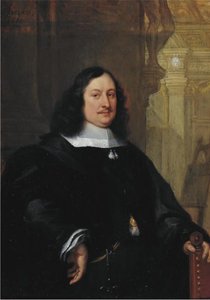
David Teniers mladší
1610 - 1690 , Belgie
Rychlé informace
- Artistic Movement Or Style: Baroko
- Artists Or Movements Influenced By This Artist: ['Watteau']
- Artists Who Influenced This Artist:
- Rubens
- Brueghel
- Date Of Birth: 1610
- Date Of Death: 1690
- Full Name: David Teniers mladší
- Nationality: Vlámský
- Notable Artworks:
- Kermessy
- Taverny
- Venecie
- Place Of Birth: Antverpy, Belgie
Související články
Jacob Jordaens: Baroque Dynamism & Genre Innovation of the Antwerp School
Discover Jacob Jordaens, a leading Flemish Baroque painter renowned for his dynamic compositions & realistic genre scenes. Explore his life, art, and lasting influence with OriginalUniqueArt.
David Teniers the Younger: Genre Painting & Social Commentary in Baroque Flanders
Explore the captivating world of David Teniers the Younger, a leading Flemish Baroque painter. Discover his genre scenes, social commentary, and lasting influence on 17th-century art. Learn about his life, techniques & legacy.
David Teniers II: Master of Flemish Genre & Social Commentary
Explore the captivating world of David Teniers II, a leading Flemish Baroque painter renowned for his lively genre scenes & insightful social commentary. Discover his masterpieces and legacy with OriginalUniqueArt.

The Visceral Stage: Exploring Dramatic Narratives & Emotional Intensity in Baroque Art
Explore the dramatic world of Baroque art! Discover iconic masters like Caravaggio & Rembrandt, their techniques, and the movement's lasting impact. Expert insights for collectors & enthusiasts at OriginalUniqueArt.

Mastering Drama and Light: A Definitive Guide to the Flemish Baroque Art Movement
Explore the dramatic brilliance of the Flemish Baroque movement. Discover how masters like Peter Paul Rubens utilized chiaroscuro and dynamic composition to redefine art history through light, shadow, and unparalleled emotion.