Náhled
 Sdílet
 Sdílet
 Podrobnosti o díle

 Stáhnout
 Podobné položky
 Rentgenové snímky
 Slideshow
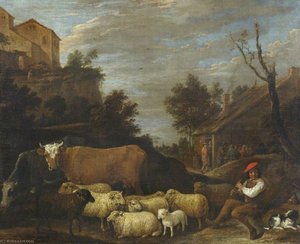
Guardroom
 Oil On Panel
- Baroque Painting
 1642
1642- Early Modern
 69.0 x 103.0 cm
 Státní Ermitáž
 Zobrazit více
Ručně malovaná olejová reprodukce
Ručně malovaná olejná barva na plátně ve vašem zvoleném rozměru i s rámem, vyrobená našimi umělci na zakázku. ( Koupit tisk Koupit obrázek)




P118B $10

P118H $10

P118W $10

P438Z $10

P508JH $12

P508YH $12

P805H $10

P805Z $10

P919BZ $10

P919G $10

P919XJ $10

P959ZH $10

P968JZ $12

W106C $8

W218G $10

W218JH $8

W218Y $10

W307PJ $10

W316G $10

W316PJ $8

W316Y $10

W398PJ $8

W4111J $10

W500HY $15

W500JH $15

W692G $12

W849H $8

W940BG $15

W953PJ $8




Vyberte si z našich přednastavených velikostí, které odpovídají původním proporcím díla.

Můžete zadat vlastní rozměry pro konkrétní rám nebo prostor. Pokud se vámi vybraná velikost neshoduje s proporcemi původního obrazu, dílo buď ořízneme, nebo jej doplníme ručně malovanými prvky. Před zahájením výroby vám bude zaslán digitální náhled ke schválení.
Upozorňujeme, že náhled na obrazovce neodpovídá skutečnému ořezu ani rozšíření. Pouze digitální náhled přesně zobrazí finální kompozici.
Ačkoliv je možné zvolit vlastní velikost, pro zachování původních proporcí doporučujeme vybrat rozměr z předdefinovaného seznamu.
Po přijetí objednávky vám tým OriginalUniqueArt.com zašle e-mail s pokyny a poskytne náhledovou verzi.
Celosvětová doprava () za 3–4 týdny namísto standardních 5 týdnů. (21 srpen). Bez kompromisů v kvalitě.

Zdarma celosvětová expresní doprava

Vysoce kvalitní lněné plátno

Kompletní přepravní pojištění

Záruka vrácení celního poplatku

Záruka přesného barevného shodu

60denní lhůta pro vrácení zboží (pouze při vadách výroby)

100% garance vrácení peněz

Sleva při hromadné objednávce
 Skleněná varianta je dostupná pouze u rozměrů menších než 110 cm

Guardroom
Technika reprodukce
Rozměry reprodukce
-


Celková cena za výběr
$ 300
Popis díla
The Guardroom – A Snapshot of Habsburg Life
David Teniers the Younger’s “Guardroom,” completed around 1642, stands as a remarkable testament to Baroque painting's ability to capture both meticulous detail and profound psychological insight. Currently housed in the Hermitage Museum in St Petersburg, Russia, this monumental canvas offers viewers an immersive glimpse into the daily life of aristocratic society during the turbulent years following the Thirty Years War.
Composition and Technique
The painting’s masterful execution is immediately apparent. Teniers employs a technique characterized by luminous color palettes—primarily earthy tones accented with splashes of red and blue—to illuminate the scene within a large arched doorway leading to an open courtyard. The artist skillfully utilizes chiaroscuro, manipulating light and shadow to sculpt forms and create dramatic depth, drawing inspiration from Rubens’s influence.
- Oil on Panel: Teniers meticulously applied oil paint onto a wooden panel, achieving exceptional tonal range and textural richness.
- Perspective: The arched doorway establishes a strong sense of perspective, guiding the eye into the interior space and emphasizing its grandeur.
- Illumination: Natural light floods through the window, casting shadows that heighten the realism of the figures and objects within the room.
Historical Context – A Moment in Time
Painted during a period marked by political instability—the Habsburg rulers faced challenges from Protestant factions—“Guardroom” reflects the anxieties and aspirations of its era. The depiction of soldiers engaged in conversation and dice games speaks to the pervasive preoccupation with military affairs, mirroring the geopolitical landscape of the time.
Symbolism – Beyond Mere Representation
More than just a portrait of a room, Teniers’s work carries symbolic weight. The armor displayed—representing both power and vulnerability—serves as a reminder of the burdens borne by those in positions of authority. Furthermore, the inclusion of flags symbolizes allegiance to the Habsburg monarchy, reinforcing the painting's narrative context.
Emotional Impact – Capturing Atmosphere
"Guardroom" succeeds in conveying an atmosphere of quiet contemplation amidst activity. The artist’s attention to detail—from the intricate patterns on the flags to the realistic portrayal of human figures—creates a palpable sense of immediacy, inviting viewers to step back in time and experience the world as it was perceived by those who inhabited this opulent space.
Provenance & Location
Originally acquired by Henry Walters in 1941 from Baron Karl Neuman (Charles Neuman de Végvár), “Guardroom” has traveled extensively, culminating in its current residence at the Hermitage Museum. Its journey underscores its enduring significance as a masterpiece of Baroque art.
Biografie umělce
David Teniers the Younger: A Master of Flemish Life
David Teniers the Younger, born in Antwerp on December 15, 1610, wasn’t simply a painter; he was a chronicler of his time, a vibrant observer of everyday life who captured the spirit and charm of Flanders during the Baroque era. His lineage was steeped in artistic tradition – his father, David Teniers the Elder, was himself a respected painter, and several siblings followed suit into the world of art. Early training under his father provided him with a solid foundation, but it was through his marriage to Anna Brueghel, daughter of the renowned Jan Brueghel the Elder, and his close association with Peter Paul Rubens that Teniers truly blossomed, absorbing influences from masters like Pieter Bruegel the Elder and benefiting from the direct guidance of one of history’s greatest artists. The family's financial circumstances were often precarious, a reality that led young David to supplement their income by meticulously copying older masterworks – a testament to his dedication and artistic skill.The Rise of a Genre Painter
Teniers’ artistic journey took a defining turn as he specialized in genre painting, a style focused on depicting scenes from ordinary life. He wasn't interested in grand historical narratives or solemn religious subjects; instead, he chose to capture the lively bustle of peasant festivals – *kermesses* – overflowing taverns, and picturesque village landscapes. These weren’t idealized representations; they were brimming with authentic detail, showcasing the joys, struggles, and social interactions of the common people. His work is characterized by a remarkable ability to convey atmosphere and emotion, drawing viewers into the heart of these scenes. The influence of Rubens was particularly evident in his use of color and composition, while the Brueghels instilled within him a keen eye for detail and an appreciation for capturing the nuances of human behavior. He quickly gained recognition for his talent, becoming a sought-after artist commissioned by wealthy patrons throughout Flanders and beyond.A Court Painter and Curator
Teniers’ career reached new heights when he entered the service of Archduke Leopold Wilhelm, the Governor General of the Spanish Netherlands. This appointment marked a significant shift in his artistic focus, leading him to work primarily for the court at Brussels. As curator of the Archduke's vast art collection – a collection that would later form the nucleus of the Vienna Kunsthistorisches Museum – Teniers was responsible for cataloging and managing an extraordinary array of paintings, sculptures, and antiquities. This role demanded not only artistic skill but also organizational abilities and a deep understanding of art history. He meticulously documented each piece, creating detailed inventories and establishing a system for preserving and displaying the collection. The Archduke’s patronage provided Teniers with financial stability and access to a wider audience, further solidifying his reputation as one of Flanders' leading artists.The Antwerp Academy and Lasting Legacy
Recognizing the need to revitalize Flemish painting after the loss of Rubens and Van Dyck, David Teniers the Younger played a pivotal role in establishing the Antwerp Academy of Fine Arts in 1662. This institution served as a training ground for aspiring young artists, providing them with instruction in drawing and sculpture – disciplines that were often neglected in the pursuit of painting alone. Teniers’ vision was to foster a new generation of Flemish painters who would carry on the legacy of their predecessors. He dedicated himself to nurturing talent and promoting artistic excellence within his city. David Teniers the Younger died in Antwerp on April 25, 1690, leaving behind an impressive body of work that continues to captivate viewers with its vibrant colors, detailed compositions, and insightful portrayal of Flemish life. His legacy extends beyond his individual paintings; he is remembered as a key figure in the revival of Flemish art and a master of capturing the essence of a bygone era.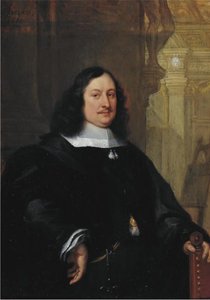
David Teniers mladší
1610 - 1690 , Belgie
Rychlé fakta
- Artistic Movement Or Style: Baroko
- Artists Or Movements Influenced By This Artist: ['Watteau']
- Artists Who Influenced This Artist:
- Rubens
- Brueghel
- Date Of Birth: 1610
- Date Of Death: 1690
- Full Name: David Teniers mladší
- Nationality: Vlámský
- Notable Artworks:
- Kermessy
- Taverny
- Venecie
- Place Of Birth: Antverpy, Belgie
Související články
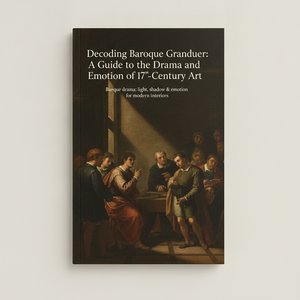
Decoding Baroque Grandeur: A Guide to the Drama and Emotion of 17th-Century Art
Explore the breathtaking drama of 17th-century Baroque art. Our expert guide decodes the use of chiaroscuro, emotional intensity, and historical grandeur to help you appreciate and curate timeless masterpieces for your collection.

Drama and Light: A Definitive Guide to the Power and Emotion of Baroque Portraiture
Explore the dramatic world of Baroque portraiture. Discover how masters used chiaroscuro and light to evoke profound emotion during the Counter-Reformation. A definitive guide for art enthusiasts seeking to understand the power of 17th-century masterpieces.

The Visceral Stage: Exploring Dramatic Narratives & Emotional Intensity in Baroque Art
Explore the dramatic world of Baroque art! Discover iconic masters like Caravaggio & Rembrandt, their techniques, and the movement's lasting impact. Expert insights for collectors & enthusiasts at OriginalUniqueArt.
Giclée Prints: Archival Quality & Aesthetic Nuances for the Discerning Collector
Explore the world of giclée prints with OriginalUniqueArt. Learn about archival quality, aesthetic nuances & investment potential. Expert guidance for discerning art collectors seeking museum-quality reproductions and lasting value.

Top 10 mistrovských děl holandského baroka – obrazy a umělci | OriginalUniqueArt.cz
Objevte 10 ikonických děl holandského baroka! Prozkoumejte příběhy Rembrandta, Vermeera a dalších mistrů. Repliky obrazů nejvyšší kvality pro váš interiér na OriginalUniqueArt.cz – inspirace a umělecké reprodukce online.