

 Náhled v interiéru
 Sdílet
 Sdílet
 Podrobnosti o díle
 Průvodce

 Stáhnout
 Podobné položky
 Rentgenové snímky
 Slideshow
 Q&A
Q&A Statistiky
Going to the Hayfield


 Zobrazit více
Giclée / Umělecký tisk
Giclée nebo plátěný tisk muzeální kvality s rychlou výrobou a širokou nabídkou povrchových úprav. ( Koupit ručně malovaný obraz Přepnout na digitální obraz)




P118B Kč10

P118H Kč10

P118W Kč10

P438Z Kč10

P508JH Kč12

P508YH Kč12

P805H Kč10

P805Z Kč10

P919BZ Kč10

P919G Kč10

P919XJ Kč10

P959ZH Kč10

P968JZ Kč12

W106C Kč8

W218G Kč10

W218JH Kč8

W218Y Kč10

W307PJ Kč10

W316G Kč10

W316PJ Kč8

W316Y Kč10

W398PJ Kč8

W4111J Kč10

W500HY Kč15

W500JH Kč15

W692G Kč12

W849H Kč8

W940BG Kč15

W953PJ Kč8




Vyberte si z našich přednastavených velikostí, které odpovídají původním proporcím díla.

Zadejte šířku a výšku, které potřebujete pro váš rám nebo stěnu. Tisk lze pouze oříznout, nikdy však nelze zvětšit obraz nad jeho původní rozměr, proto při výběru jiného formátu dochází ke ztrátě části obrazu. Před samotným tiskem vám zašleme digitální náhled k schválení. Obraz zobrazený na této stránce nenabízí skutečný výřez — ten uvidíte pouze v náhledu.
Celosvětové doručení () do 2 týdnů namísto standardních 4/5 týdnů. (31 říjen)

Zdarma celosvětová expresní doprava

Vysoce kvalitní lněné plátno

Kompletní pojištění přepravy

Záruka vrácení celního poplatku

Záruka věrného barevného souladu

100dení lhůta pro vrácení zboží (pouze při vadách výroby)

100% záruka vrácení peněz

Sleva při více objednávkách
 Skleněná varianta je dostupná pouze u rozměrů menších než 110 cm

Going to the Hayfield
Giclée / Umělecký tisk
Rozměry reprodukce
-


Celková cena za vybrané možnosti reprodukcí
Kč 1738
A Moment of Rural Tranquility: Exploring David Cox’s “Going to the Hayfield”
David Cox's "Going to the Hayfield," painted in 1849, isn’t merely a landscape; it’s a carefully constructed distillation of Romantic sensibility and a profound connection to the English countryside. This evocative piece, now beautifully reproduced, transports us to a specific moment – a quiet afternoon as figures journey towards a hayfield bathed in the diffused light of an overcast sky. Cox, a pivotal figure bridging the gap between earlier landscape traditions and the burgeoning Impressionism of his time, masterfully captures not just the visual elements but also the atmosphere and emotional resonance of rural life.
Cox’s style is distinctly Romantic, prioritizing mood and feeling over precise detail. He eschews sharp outlines and meticulous rendering in favor of loose, expressive brushstrokes that create a sense of movement and texture throughout the canvas. The painting feels less like a photographic representation and more like an emotional response to the scene – a memory imbued with tranquility and a subtle melancholy. The muted color palette—dominated by earthy greens, browns, and grays punctuated by hints of red in the figures’ clothing—further enhances this atmospheric effect, suggesting a timelessness that transcends any specific date or season.
Composition and Perspective: Framing a Pastoral Scene
The composition is deliberately horizontal, emphasizing the vast expanse of the sky which dominates nearly two-thirds of the canvas. This expansive view immediately establishes a sense of scale and invites the viewer to lose themselves in the landscape. A subtle foreground—a simple fence and patches of foliage—serves as a gentle guide, drawing our eye towards the middle ground where the figures are positioned. The low horizon line reinforces this feeling of openness and amplifies the drama of the sky. Cox skillfully employs atmospheric perspective; distant elements recede into a hazy blue distance, creating an illusion of depth and suggesting the immense scale of the countryside.
The placement of the figures – a small group riding horseback and walking alongside a fence – is crucial to the painting’s narrative. They are not imposing subjects but rather integrated seamlessly within the landscape, representing humanity's quiet interaction with nature. Their presence anchors the scene while simultaneously highlighting its inherent beauty and solitude.
Symbolism and Emotional Resonance: A Reflection of Romantic Ideals
“Going to the Hayfield” is rich in symbolic meaning, reflecting the core tenets of the Romantic movement. The overcast sky, often interpreted as a symbol of introspection or contemplation, lends a subtle melancholy to the scene. It’s not a bright, celebratory landscape; rather, it evokes a sense of quiet reflection and connection to something larger than oneself. The hayfield itself represents abundance and sustenance – a vital element of rural life and a reminder of nature's generosity. Cox’s choice of subject matter—a simple, everyday activity—elevates it to an artistic statement about the beauty and value of the natural world.
Technique and Materials: The Art of Layered Impressionism
Cox’s technique is characterized by a layering of colors applied with loose brushstrokes. He builds up the image gradually, creating a sense of depth and texture through subtle variations in tone and hue. The use of oil paint on canvas allows for rich color saturation and blending—essential to achieving the painting's atmospheric effect. The artist’s deliberate avoidance of sharp lines contributes to the overall feeling of softness and fluidity. It is a testament to Cox’s skill that this seemingly simple landscape feels so profoundly alive, capturing not just what he saw but also how he *felt* about it.
Otázky a odpovědi
Jaký pocit vyvolává „Going to the Hayfield“ od David Cox?
Zachycená nálada díla „Going to the Hayfield“ od David Cox je Calm a jeho emocionální náboj je Tranquil.
Jakým způsobem se styl díla "Going to the Hayfield" vztahuje k době svého tvůrce?
Dílo "Going to the Hayfield" patří k období Romantic Landscape Painting, jehož tvůrce působil v éře – 19. století.
Jak si mohu prohlédnout „Going to the Hayfield“ od David Cox ve formě skluzobránku?
Diaporama díla „Going to the Hayfield“ si můžete prohlédnout na stránce Slideshow.
Biografie umělce
Early Life and Artistic Beginnings
David Cox, narozený 29. dubna 1783 v Deritendu, předměstí Birminghamu, byl synem kováře a whitesmitha, který dodával komponenty pro Birminghamskou zbrojní výrobu. Jeho matka, pocházející z venkovského prostředí, měla lepší vzdělání než jeho otec a silnou osobnost. Cox začal svůj život v modestních poměrech, ale již od dětství vykazoval talent pro umění. Počátečními zálibami byly kreslení ptáků a krajin, které si zdokonaloval s pomocí svých rodičů. V patnácti letech byl učněm u malíře miniatur Josepha Barbera v Great Charles Street, kde se setkal se svými budoucími kolegy Charlesem Barbery a Williamem Radcliffem. Tato zkušenost mu poskytla základní dovednosti v oblasti detailního malování a kresby. Coxův talent byl tak patrný, že již v patnácti letech začal vytvářet portréty pro místní obyvatele.Průlomové Cesty a Vlivy
V roce 1804 se Cox přestěhoval do Londýna, kde se oženil s dcerou svého pronajímatele, Mary Ragg. Tato událost představovala zásadní obrat v jeho životě a kariéře. Získal práci jako malíř divadelních kulis pro divadlo v Birminghamu, což mu umožnilo poznat široké spektrum lidí a získat cenné zkušenosti s tvorbou scénických dekorací. Jeho záliba v malování se však nezmenšila – během volného času pokračoval ve studiu a experimentování s různými technikami. Klíčovým okamžikem v jeho kariéře byla cesta do Walesu v roce 1805 s Charlesem Barbery. Tato cesta, která ho provázela po celém Walesu, měla hluboký dopad na jeho umělecký styl a inspiraci. Cox se nechal silně ovlivnit krásou a rozmanitostí waleských krajin, které začal tematicky zpracovávat ve svých dílech.Rozvoj Stylu a Royal Academy
Od roku 1805 se Cox pravidelně účastnil výstav v Královské akademii, kde si vydělával jako učitel kreslení. Zpočátku se zaměřoval na detailní krajinářské obrazy, často zobrazující venkovské scény a architektonické prvky. Jeho rané dílo odráželo vlivy klasických anglických malířů, jako byli Thomas Gainsborough a Richard Wilson, ale postupně začal vyvíjet svůj vlastní, osobitý styl. V roce 1808 se stal učitelem pro Col. Hon. H. Windsora, což mu zajistilo finanční stabilitu a další uznání v uměleckém prostředí. Coxova práce byla tak ceněna, že byl povzbuzován k dalšímu rozvoji a experimentování s novými technikami.Pozdější Tvorba a Dědictví
V průběhu své kariéry Cox vytvořil více než 300 obrazů v oleji, které jsou dnes považovány za jeden z největších, byť nejdříve uznávaných, úspěchů britského malíře. Jeho práce se vyznačují volnými štětcovými tahy, bohatou paletou barev a schopností zachytávat efekty světla a počasí. V pozdějších letech se Cox zaměřil na tvorbu olejů, které se staly jeho nejvýznamnější součástí portfolia. Jeho dílo ovlivnilo mnoho dalších umělců a je dodnes oceňováno pro svou krásu, citlivost a trvalou relevanci. David Cox zemřel 7. června 1859 v Birminghamu a zanechal po sobě bohaté dědictví, které se stalo inspirací pro generace budoucích malířů. Jeho práce jsou vystaveny v mnoha významných galeriích po celém světě.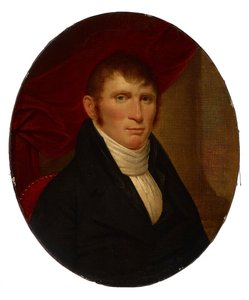
David Cox
1783 - 1859 , Spojené království
Rychlé informace o umělci
- Artistic Movement Or Style: Britský krajinář
- Artists Or Movements Influenced By This Artist: ['Impressionismus']
- Artists Who Influenced This Artist:
- Barber
- Fielder
- Date Of Birth: 29. dubna 1783
- Date Of Death: 7. června 1859
- Full Name: David Cox
- Nationality: Anglický
- Notable Artworks:
- Wind na louce
- Chaloupka v Herefordshire
- Překřížení řek Severn a Wye
- Place Of Birth: Birmingham, UK
Související články

Romantická krajina v malbě: 10 mistrovských děl, které definovaly umělecký proud | OriginalUniqueArt
Prozkoumejte 10 ikonických děl romantické krajinářské malby! Objevte příběhy Caspara Davida Friedricha, Turnera a dalších mistrů. Reprodukce obrazů nejvyšší kvality pro váš interiér na OriginalUniqueArt.com.

John Constable: 25 mistrovských děl krajinářské poezie | OriginalUniqueArt.com
Prozkoumejte 25 ikonických děl Johna Constabla, mistra anglického krajinářství a romantismu. Obdivujte jeho olejomalby, plátna s venkovskou atmosférou a inspirujte se pro dekoraci interiéru. Reprodukce obrazů nejvyšší kvality na OriginalUniqueArt.com

10 legendárních akvarelů, které změnily svět umění | OriginalUniqueArt
Objevte 10 legendárních akvarelů od Turner, Monet a dalších mistrů! Ponořte se do historie umění a inspirujte se pro váš interiér. Kvalitní reprodukce na OriginalUniqueArt.com.

David Cox the Elder: Landscape, Light & the Romantic Vision of Rural England
Explore the captivating landscapes of David Cox the Elder, a pivotal figure in British Romanticism. Discover his masterful watercolour techniques, enduring legacy & find timeless art for your home at OriginalUniqueArt.

Ephemeral Visions: Exploring the Artistic Legacy & Contemporary Practice of Watercolor Painting
Explore the captivating world of watercolor painting! Discover its rich history, essential techniques, influential artists & collecting tips. A comprehensive guide for art enthusiasts from OriginalUniqueArt.