

 Zobrazit v interiéru
 Odeslat
 Sdílet
 Podrobnosti
 Průvodce

 Stáhnout obrázek
 Podobné kousky
 Rentgenové snímky
 Slideshow
 Statistiky
Žena matka
 Litografie
- Social Realism
 1956
1956 77.0 x 39.0 cm
 Pinacoteca Universidad de Colima
 Přečíst si více
Giclée / Umělecký tisk
Giclée nebo plátěný tisk muzeální kvality s rychlou výrobou a širokou nabídkou povrchových úprav. ( Objednat ručně malovanou reprodukci Přepnout na digitální verzi obrazu)




P118B Kč10

P118H Kč10

P118W Kč10

P438Z Kč10

P508JH Kč12

P508YH Kč12

P805H Kč10

P805Z Kč10

P919BZ Kč10

P919G Kč10

P919XJ Kč10

P959ZH Kč10

P968JZ Kč12

W106C Kč8

W218G Kč10

W218JH Kč8

W218Y Kč10

W307PJ Kč10

W316G Kč10

W316PJ Kč8

W316Y Kč10

W398PJ Kč8

W4111J Kč10

W500HY Kč15

W500JH Kč15

W692G Kč12

W849H Kč8

W940BG Kč15

W953PJ Kč8




Vyberte si z našich přednastavených velikostí, které odpovídají původním proporcím díla.

Můžete zadat vlastní rozměry tak, aby výtvor odpovídal konkrétnímu rámu nebo prostoru. Pokud zvolená velikost nebude odpovídat poměru stran původního obrazu, dílo buď ořížeme, nebo obraz rozšíříme pomocí zrcadlového efektu či jednobarevného okraje. Před zahájením výroby vám bude zaslán digitální náhled k schválení.
Mějte prosím na paměti, že náhled na obrazovce neodráží skutečné oříznutí nebo rozšíření. Pouze digitální náhled přesně zobrazí finální kompozici.
Ačkoliv jsou k dispozici i vlastní rozměry, pro zachování původních proporcí doporučujeme vybrat si rozměr z předdefinovaného seznamu.
Celosvětové doručení () do 2 týdnů namísto standardních 4/5 týdnů. (5 říjen)

Zdarma celosvětová expresní doprava

Vysoce kvalitní lněné plátno

Úplné pojištění přepravy

Záruka vrácení celního poplatku

Záruka věrného barevného shodu

100dení lhůta pro vrácení zboží (pouze při vadách výroby)

100% garance vrácení peněz

Sleva při více objednávkách
 Skleněná varianta je dostupná pouze u rozměrů menších než 110 cm

Žena matka
Giclée / Umělecký tisk
Velikost reprodukce
-


Celková cena
Kč 1666
David Alfaro Siqueiros: Žena matka – Výrazná Lithografie Revolučního Umělce
David Alfaro Siqueiros byl více než jen malíř; byl síla přírody, ztělesněním turbulentního ducha mexické revoluce. Jeho život nebyl omezen pouze studiem, ale vybuchl na veřejnou scénu, propletený politickou bitvou a neustálým úsilím umění jako nástroje sociální transformace. Jeho rané zkušenosti utvořily jeho cestu: Orphan young, raised by his grandparents in Irapuato, Guanajuato, he was exposed to anarcho-syndicalist ideas that would deeply influence his worldview. Tato počáteční politická uvědomění rozkvétla během jeho studií na Akademii San Carlos, kde protest proti rigidním výukovým metodám vedl k založení „otevřené akademie“ – odvážný čin značící začátek jeho uměleckého dobrodružství a předzvěst životnosti bojujícího za konvenční hodnoty. Jeho dílo reflektuje komplexní sociální klima doby, kdy Mexiko procházel zásadními změnami po roce 1910 – revoluci vedenou Emiliano Zapataem a Pancho Villa albými. Siqueiros byl aktivním účastníkem politických dějin své země, podporoval marxistické ideály a bojoval za práva pracujících tříd. Jeho tvorba byla ovlivněna filozofiemi ruského revolučního intelektuála Vladimir Lemoleva Trockého, který vyznával koncept „sociálního realismu“ – umění zaměřené na zobrazování života společnosti tak jak je skutečně viděno, bez romantizace nebo idealizace.- Popis Fotografie: Lithografická obrazovka dvou dívek stojících vedle sebe. První dívka nalevo má hlavu otočenou od pozorovatele, zatímco druhá dívka napravo se přímo dívá do kamery. Obě dívky nosí dlouhé šaty, jedna šaty jsou delší než druhá. Scéna vypadá jako prostředí lesa nebo dřevozpracovatelství, kde je vidět strom v pozadí. Dívky působí nevinně a zvědavě.
- Rozměry: 77 x 39 cm
- Rok: 1956
Styl a Technika – Realismus s Výraznými Kontrasty
Siqueiros byl průkopníkem sociálního realismu, uměleckého směru, který se snažil zobrazit život společnosti tak jak je skutečně viděno. Jeho tvorba byla charakteristická výraznými kontrasty světla a stínu, což vytvářelo dramatický efekt a zdůrazňovalo klíčové prvky obrazu. Používal inovativní techniky jako jsou průmyslové barvy a sprejová pistole, aby dosáhl jedinečných účinků – technikám, které byly mimo svou dobu a odlišovaly ho od svých kolegů Rivera a Orozca. Jeho obrazy často obsahují symbolické prvky, které vyjadřují filozofické ideje autora a upozorňují na společenské problémy doby.Historický Kontext – Revoluce a Sociální Kritika
Lithografie „Žena matka“ vznikla více než 20 let po největších změnách v směru revoluce; Rivera zemřel v roce 1957, Orozco v roce 1949. Jeho dílo odráží intenzivní atmosféru mexické společnosti po roce 1910 – období boje za sociální spravedlnost a změnu systému. Siqueirosova lithografie naznačuje tvrdé podmínky života venkovských obyvatel, kteří byli stále daleko od slibů revoluce. Jeho obraz vyjadřuje sílu a odhodlání mladé matky i jejího dítěte – boj proti okolním okolnostem. Jeho dílo je důkazem jeho umělecké dlouhé životnosti.Symbolismus – Nevinnost a Zvědavost
Výrazné kontrasty světla a stínu, použité Siqueirosůvým umělcem, jsou záměrně využívány k vyjádření emocí a vytvoření dramatického efektu. Pozorovací pohled mladé dívky do kamery symbolizuje odvahu a otevřenost vůči novým zkušenostem – hodnotám, které byly důležité pro Siqueirosův životní svět. Jeho dílo je oslavou nevinnosti a zvědavosti – kvalit, které jsou vyjádřeny obrazem mladých dívek stojících vedle sebe. Lithografie „Žena matka“ zůstává významným svědectvím umění doby revoluce a sociální změny.Otázky a odpovědi
Kolik let bylo David Alfaro Siqueiros, když vzniklo dílo „Žena matka"]?
David Alfaro Siqueiros bylo 60 let, když v roce 1956 vytvořilo dílo „Žena matka“. Věk je vypočítán z roku narození umělce, 1896.
Kdy a z jakých materiálů byla vytvořena dílo "Žena matka"?
Dílo „Žena matka“ vzniklo v roce 1956 s využitím techniky Litografie. Materiál a datum popisují, jakým způsobem a kdy byl originál vytvořen.
Kdo vytvořil "Žena matka"?
Autorem díla „Žena matka“ je David Alfaro Siqueiros. Práce je v katalogu uvedena pod jménem David Alfaro Siqueiros.
Jakým způsobem se styl díla "Žena matka" vztahuje k době svého tvůrce?
V díle „Žena matka“ od David Alfaro Siqueiros se setkává směr Social Realism s érou Modernismus.
V jakém roce bylo vytvořeno dílo „Žena matka“ od David Alfaro Siqueiros?
Dílo „Žena matka“ od David Alfaro Siqueiros vzniklo v roce 1956.
Která barva v díle "Žena matka" nejvíce vyniká?
Hlavní barvou díla „Žena matka“ od David Alfaro Siqueiros je Espresso (#505937).
Jakou náladu by do prostoru přineslo dílo "Žena matka"?
Dílo „Žena matka“ s svou Pokojné atmosférou se doporučuje do Obývací pokoj.
Biografie umělce
David Alfaro Siqueiros (1896–1974): A Life Forged in Revolution
David Alfaro Siqueiros, born José de Jesús Alfaro Siqueiros in 1896 – though later research pinpointed his birthplace as Chihuahua City rather than Camargo – was more than just a painter; he was a force of nature, an embodiment of the tumultuous spirit of post-revolutionary Mexico. His life wasn’t confined to the studio but exploded onto the public stage, interwoven with political struggle and a relentless pursuit of art as a tool for social transformation. Early experiences shaped his trajectory: orphaned young, raised by his grandparents in Irapuato, Guanajuato, he was exposed to anarcho-syndicalist ideas that would deeply influence his worldview. This nascent political awareness blossomed during his student days at the Academy of San Carlos, where a protest against rigid teaching methods led to the establishment of an “open-air academy” – a defiant act marking the beginning of his artistic journey and foreshadowing a lifetime of challenging convention. The Mexican Revolution itself was the crucible in which Siqueiros’s artistic and political convictions were forged. He didn't merely observe the upheaval; he actively participated, joining the constitutional army and witnessing firsthand the hardships endured by working people and rural communities – experiences that would forever inform his art.Early Influences and Artistic Formation
Siqueiros’s formative years instilled in him a profound empathy for the marginalized and oppressed, shaping his artistic vision from its earliest stages. His upbringing amidst anarchist circles exposed him to radical ideas about social justice and economic equality, fueling his desire to use art as a vehicle for political critique. These influences found their expression during his studies at the Academy of San Carlos, where he spearheaded a movement for reform, advocating for greater freedom of expression and challenging the prevailing academic orthodoxy. This rebellious spirit culminated in the creation of “El Taller Libre,” an experimental academy that prioritized practical skills and artistic innovation over traditional instruction – a bold declaration of independence from established norms and a precursor to his lifelong commitment to pushing creative boundaries. The influence of Cézanne’s exploration of form and color proved particularly significant, prompting Siqueiros to abandon representational painting in favor of abstraction and experimenting with new techniques that prioritized expressive gesture and visual impact.European Immersion: Rediscovering Renaissance Fresco Techniques
Between 1919 and 1923, Siqueiros embarked on a transformative journey to Europe, immersing himself in the avant-garde currents reshaping the art world. This period wasn’t simply about acquiring technical skills; it was an intellectual pilgrimage fueled by a desire to engage with the most daring artistic ideas of his time. He absorbed the lessons of Cubism, particularly Picasso's groundbreaking explorations of fractured perspectives and geometric abstraction, recognizing its potential for conveying complex emotions and challenging conventional notions of reality. However, perhaps his most enduring influence came from studying Renaissance fresco techniques in Italy – a skill that would become central to his monumental mural projects. Witnessing firsthand the mastery of artists like Michelangelo instilled in him a reverence for craftsmanship and a conviction that art could achieve grandeur and permanence through meticulous execution. This fascination with classical aesthetics combined with his burgeoning Marxist convictions to propel him toward a distinctive artistic style characterized by dynamism, sculptural form, and a deliberate rejection of illusionistic representation.The Mexican Mural Movement: A Response to Revolution
The outbreak of the Mexican Revolution in 1917 irrevocably altered Siqueiros’s trajectory, galvanizing his political activism and propelling him into the forefront of Mexico's artistic renaissance. Rejecting academic conventions and embracing a radical vision of art as social transformation, he joined forces with Diego Rivera and José Clemente Orozco to establish “La Escuela Muralista,” a movement dedicated to commemorating the revolution through monumental wall paintings that celebrated Mexican history and culture while simultaneously advocating for social justice. Unlike Rivera’s idealized depictions of indigenous traditions or Orozco's brooding explorations of human suffering, Siqueiros’s murals prioritized dynamism and compositional movement, utilizing innovative techniques like spray guns and industrial paints to achieve unprecedented visual impact. His approach was deliberately confrontational, rejecting the passive acceptance of artistic beauty in favor of active engagement with social issues—a stance that reflected his unwavering belief in art's capacity to inspire change.Major Achievements and Legacy
Siqueiros’s prolific output spanned decades, producing thousands of square metres of vibrant wall paintings that stand as enduring symbols of Mexican cultural heritage. His most celebrated works include “The New Democracy,” a sprawling mural depicting the struggles for social justice in Mexico during the 1930s; "The Polished City," which critiques industrial capitalism and its dehumanizing effects; and “March of Humanity,” an ambitious undertaking commemorating the centenary of Mexican Independence, exploring themes of history, myth, and human aspiration. His distinctive style—characterized by dynamic compositions, dramatic lighting, and sculptural form—became instantly recognizable and profoundly influenced subsequent generations of artists. Beyond his artistic accomplishments, Siqueiros’s unwavering commitment to Marxist ideology cemented his legacy as a champion of social justice and a fearless advocate for revolutionary ideals. He served as General Secretary of Mexico's Confederación Sindical Unitaria, tirelessly campaigning for workers' rights and promoting socialist principles throughout his life. His influence extended beyond the visual arts, inspiring movements for cultural renewal and challenging dominant narratives about Mexican history and identity. David Alfaro Siqueiros remains an artist whose work continues to resonate with audiences worldwide—a testament to the enduring power of art as a catalyst for social transformation and intellectual inquiry. ## Notable Murals: A Reflection of Revolutionary Ideals- The New Democracy (1940–1943): Depicts the struggles for social justice during the Mexican Revolution, emphasizing dynamism and expressive gesture.
- The Polished City (1930–1932): Critiques industrial capitalism and its impact on urban life, employing a stark palette and sculptural form to convey emotional intensity.
- March of Humanity (1957–1971): Commemorates the centenary of Mexican Independence, exploring themes of history, myth, and human aspiration through monumental scale and innovative technique.
- Paul Cézanne: Cézanne’s exploration of form and color profoundly impacted Siqueiros's artistic vision, encouraging him to abandon representational painting in favor of abstraction.
- Pablo Picasso: Picasso’s pioneering use of fractured perspectives and geometric abstraction served as inspiration for Siqueiros’s compositional innovations.
- Renaissance Fresco Techniques: Studying Michelangelo’s mastery of fresco painting instilled in Siqueiros a reverence for craftsmanship and a conviction that art could achieve grandeur through meticulous execution.
- Siqueiros established “La Escuela Muralista,” fundamentally reshaping Mexican artistic expression and solidifying the movement’s commitment to social realism.
- His techniques and themes profoundly influenced the Chicano art movement in the United States, providing a visual language for expressing cultural identity and challenging systemic oppression.

David Alfaro Siqueiros
1896 - 1974 , Mexiko
Rychlé informace
- Artistic Movement Or Style: Social Realismus, Muralismus
- Artists Or Movements Influenced By This Artist: ['Chicano art movement']
- Artists Who Influenced This Artist:
- Paul Cézanne
- Diego Rivera
- Date Of Birth: 29. prosince 1896
- Date Of Death: 6. ledna 1974
- Full Name: David Alfaro Siqueiros
- Nationality: Mexický
- Notable Artworks:
- The New Democracy
- The Polished City
- March of Humanity
- Place Of Birth: Chihuahua, Mexiko
Související články

Proměna interiérů: Jak nástěnné malby redefinují kuchyně a koupelny
Objevte sílu nástěnných maleb! Inspirace pro kuchyně a koupelny, odborné rady k výběru motivů a realizaci. Vytvořte jedinečný interiér s našimi tipy.
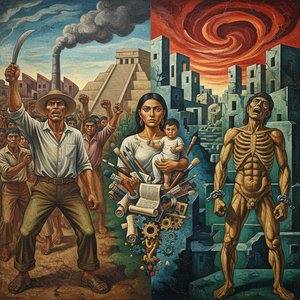
Revolution on Canvas: Exploring the Socio-Political Power & Artistic Legacy of Mexican Muralism
Explore the powerful world of Mexican muralism! Discover Diego Rivera, Frida Kahlo & Orozco's revolutionary art, social impact & lasting legacy. Expert insights & high-quality reproductions at OriginalUniqueArt.

Od džunglovských scenérií po geometrii ze zlaté fólie: Průvodce nejžádanějšími styly nástěnných maleb dnes
Objevte nejnovější trendy v nástěnných malbách a mural artu! Průvodce pro hotely, restaurace i soukromé interiéry. Inspirujte se luxusními materiály a zakázkovou tvorbou.
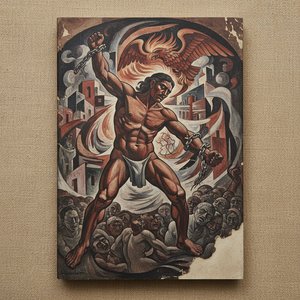
José Clemente Orozco: A Revolutionary Vision of Mexican Muralism & the Human Condition
Explore the powerful world of José Clemente Orozco, a key figure in Mexican Muralism. Discover his revolutionary art, social commentary, and lasting impact on 20th-century painting. Learn about his unique style & legacy.
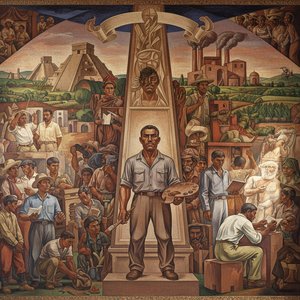
Diego Rivera: A Revolutionary Vision of Mexican Identity Through Muralism
Explore the revolutionary murals of Diego Rivera and his profound impact on Mexican art & identity. Discover his techniques, iconic works like 'Man at the Crossroads,' and lasting legacy with OriginalUniqueArt.

