Rococo · 1762
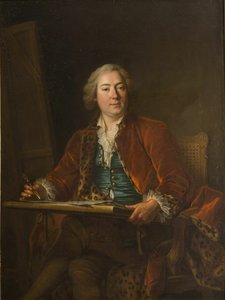
Self-Portrait (Charles André van Loo, 1762)
Charles André van Loo (1705–1765) vytvořil dílo Self-Portrait. Pochází z roku 1762. Patří k hnutí Rococo. Je vyrobeno z Oil On Canvas. Nachází se v Státní Ermitáž v Sankt-Petěrburg, Rusko. Rozměry jsou 88 × 72 cm.
- 1762
- Oil On Canvas
- 88 × 72 cm
- Státní Ermitáž, Sankt-Petěrburg

 Náhled v interiéru

 Ručně malovaná olejná reprodukce
 Sdílet
 Sdílet
 Informační list


 Stáhnout
 Podobné položky
 Rentgenové snímky
 Slideshow
 Otázky a odpovědi

 Statistiky
Self-Portrait v kostce
- Název díla
- Self-Portrait
- Autor
- Charles André van Loo (1705–1765)
- Rok narození umělce
- Nice, Francie
- Datum vytvoření
- 1762
- Technika
- Oil On Canvas
- Rozměry
- 88 × 72 cm
- Kde jej vidět
- Státní Ermitáž, Sankt-Petěrburg, Rusko
- Pohyb
- Rococo
- Motiv
- portrait, self-portrait, rococo, dutch painting, 18th century, charles van loo
Co przedstawuje dílo Self-Portrait?
A Portrait of Inner Reflection: Charles-André van Loo’s “Self-Portrait”
The year 1762 witnessed a pivotal moment in the artistic landscape of France – the creation of Charles-André van Loo's "Self-Portrait." More than simply a likeness, this painting is a carefully constructed meditation on identity, status, and the burgeoning Rococo aesthetic. Van Loo, a key figure within his family’s esteemed dynasty of painters, presents himself not as a flamboyant courtier or a heroic warrior, but as a thoughtful observer, subtly imbued with an air of quiet contemplation. The portrait immediately draws the eye to the artist's direct gaze, a deliberate act of engagement that invites the viewer into a private moment.
Van Loo’s style is quintessential Rococo – characterized by its delicate brushwork, pastel hues, and an emphasis on elegant ornamentation. He employs a loose, almost impressionistic technique, favoring soft transitions between light and shadow to create a sense of atmospheric depth. The rich fabrics of his suit—a deep burgundy velvet accented with gold embroidery—speak volumes about his position within the French court, while the subtle details – the meticulously rendered lace collar, the gleaming sword on his side – reinforce this image of refined authority. Yet, it’s not merely a display of wealth; these elements are presented with an understated grace that suggests a considered awareness of their symbolic weight.
The Context of 18th-Century Portraiture
To fully appreciate “Self-Portrait,” one must understand the evolving context of portraiture during the mid-18th century. Following the grandeur of the Baroque period, artists began to shift towards a more intimate and psychologically nuanced approach. The rise of the middle class fueled demand for portraits, but royal patronage continued to shape artistic trends. Artists like Van Loo were tasked with capturing not just physical likenesses, but also conveying an individual’s character and social standing. Van Loo's self-portrait reflects this trend – it is a carefully crafted statement about his identity as both artist and member of the elite.
Interestingly, the portrait predates the widespread popularity of the self-portrait as a genre. While artists had occasionally depicted themselves in various roles throughout history, Van Loo’s work stands out for its directness and lack of theatricality. He avoids overtly dramatic poses or elaborate settings, opting instead for a simple, uncluttered composition that focuses entirely on his own image. This deliberate restraint speaks to the artist's confidence and self-awareness – he is not seeking to impress, but rather to present himself honestly.
Symbolism and Emotional Resonance
Beyond its technical merits, “Self-Portrait” is rich in symbolic detail. The sword, a traditional emblem of power and authority, suggests Van Loo’s role as a court painter – a position that demanded both artistic skill and political savvy. However, the sword is not brandished aggressively; it rests calmly on his hip, hinting at a measured approach to wielding influence. The background—a plain wall—further emphasizes the artist's focus on himself, creating an aura of introspection.
Perhaps most powerfully, the painting evokes a sense of quiet contemplation. Van Loo’s gaze is direct and unwavering, yet there is also a hint of melancholy in his expression. It’s as if he is reflecting on his own life, his work, and the complexities of his position within society. The subtle shading around his eyes and mouth contributes to this feeling of emotional depth, inviting the viewer to share in his private thoughts. The painting isn't merely a representation of a man; it’s an invitation into his inner world.
A Timeless Masterpiece: Reproduction Possibilities
Charles-André van Loo’s “Self-Portrait” remains a captivating work of art, offering a rare glimpse into the mind and soul of a prominent 18th-century artist. High-quality reproductions capture the delicate brushwork and nuanced color palette that define this masterpiece. Whether displayed in a formal salon or a contemporary living space, this portrait continues to resonate with viewers today, reminding us of the enduring power of self-reflection and artistic expression. OriginalUniqueArt offers meticulously crafted hand-painted reproductions, allowing you to bring this timeless work into your home.
Ve kterém muzeu se nachází Self-Portrait?
Státní Ermitáž
Sankt-Petěrburg, Rusko
Původy a historie Hermitáže Příběh Hermitáže začal v roce 1764. Jeho kořeny sahají až k významnému pořízení sbírky 225 obrazů od berlínského obchodníka Johanna Ernsta Gotzkowskyho. Právě Kateřina Veliká položila první kameny pod tuto sbírku a tím definitivně upevnila významné postavení muzea v ruském Petrogradě.


Vysokorozlišené fotografie díla Self-Portrait
Charles André van Loo, Self-Portrait (1762), Státní Ermitáž. Veřejná doména
Odpovědi na otázky k dílu Self-Portrait
Kde je dnes možné vidět dílo „Self-Portrait“ od Charles André van Loo?
Originál díla „Self-Portrait“ od Charles André van Loo je uložen v instituci Státní Ermitáž, Sankt-Petěrburg, Rusko. Reprodukce však umožňuje toto dílo vystavit i ve vašem domově.
V jakém roce vzniklo dílo „Self-Portrait“ od Charles André van Loo?
Vznik díla „Self-Portrait“ od Charles André van Loo se datuje do roku 1762.
Jakou techniku bylo použito pro dílo „Self-Portrait“ od Charles André van Loo?
Technikou díla „Self-Portrait“ od Charles André van Loo je Oil On Canvas. Reprodukce mají za cíl věrně zachytit vzhled této techniky.
Jaké jsou rozměry originálu „Self-Portrait“?
Původní rozměry díla "Self-Portrait" jsou 88 x 72 cm. Původní rozměry slouží jako užitečný vodítko při výběru velikosti reprodukce.
Jaká témata se objevují v díle „Self-Portrait“ od Charles André van Loo?
„Self-Portrait“ od Charles André van Loo zobrazuje: portrait, self-portrait, rococo, dutch painting, 18th century, charles van loo, mustache.
Lze obraz díla „Self-Portrait“ od Charles André van Loo volně reprodukovat?
Stav autorských práv pro dílo „Self-Portrait“ od Charles André van Loo: toto dílo spadá do v rámci volného užití – autorská práva vypršela. To určuje, zda lze volně vytvářet reprodukce tohoto obrazu.
K kterému umělci je dílo "Self-Portrait" připisováno?
Dílo "Self-Portrait" vytvořil/a Charles André van Loo. Informace na této stránce popisují originální dílo umělce Charles André van Loo.
K kterému uměleckému směru patří „Self-Portrait“ od Charles André van Loo?
Dílo „Self-Portrait“ od Charles André van Loo patří k období směru Rococo, který dílu dodává jeho stylistický kontext.
Do které období tvorby Charles André van Loo patří dílo „Self-Portrait“?
„Self-Portrait“ představuje období Mature Period umělce Charles André van Loo.
O umělci, Charles André van Loo
1705–1765, Francie
Charles André van Loo
Early Life and Training Charles André van Loo, born February 15, 1705, in Nice, France, was the youngest son of Louis-Abraham van Loo and Jean-Baptiste van Loo—a lineage steeped in artistic tradition. His father, a respected painter himself, instilled in him a profound appreciation for visual art from an early age, shaping his formative years within the vibrant cultural landscape of Savoyard Provence. Unlike many artists of his time, Van Loo’s upbringing wasn't solely focused on formal instruction; it encompassed exposure to diverse artistic practices and intellectual pursuits—a testament to the enlightened values of his family. Initial training commenced in Turin, where he studied under Benedetto Luti, a prominent sculptor known for his meticulous attention to detail and mastery of classical forms.
O umělci Charles André van Loo Významná díla umělce Charles André van Loo
Také od autora Charles André van Loo
 Spanish Concert (Spanish Сonversation)1754
 Aeneas Carrying Anchises1729
 Perseus and Andromeda1735
 The sultana1747
Eseje k tématu Self-Portrait
 Charles-André van Loo: A Study in Rococo Portraiture & the French Court's Artistic DynamicsExplore the elegant world of Charles-André van Loo, a master of Rococo portraiture at the French court. Discover his life, techniques, and …
 Tři plátna, jeden příběh: Vliv volby na emocionální rezonanci umělecké interpretaceProzkoumejte hluboký vliv subjektivní interpretace na emocionální rezonanci uměleckých děl. Analýza klíčových konceptů a trendů 20. století…
 Reflecting the Self: A History of Portraiture & Psychological InsightExplore the fascinating history of self-portraiture from Renaissance masters like Dürer & Rembrandt to modern interpretations. Discover the…