Přepnout na tisk
 Zobrazit více







































 U děl nebo reprodukcí, u nichž je jakákoliv strana větší než 105 cm (přibližně 41 palců), bude rám dodán jako sestava v rozloženém stavu. Tato metoda zajišťuje bezpečné doručení a chrání dílo před poškozením během přepravy.


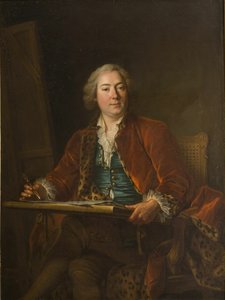
Charles André van Loo: A Master of Rococo Elegance – Exploring “Mademoiselle Clairon as Medea”
Laurent Cars (1699–1771) and Jacques-Firmin Beauvarlet (1731–1797), alongside Carle van Loo (1705–1765), created “Mademoiselle Clairon as Medea” in 1759, a captivating study housed within The Fitzwilliam Museum. This monumental canvas transcends mere portraiture; it embodies the very essence of Rococo artistry—a movement that flourished during Louis XV’s reign and prioritized refined beauty alongside opulent ornamentation. The painting depicts Marie Leszczynska, Queen of France, portrayed with remarkable poise and grace. Her regal attire – a crimson gown adorned with intricate embroidery – speaks volumes about royal status and underscores the stylistic conventions of the era. The artist skillfully employs chiaroscuro, manipulating light and shadow to sculpt the queen’s form and imbue her gaze with an air of serene contemplation. This technique is characteristic of Rococo painters who sought to convey emotion through subtle tonal variations rather than dramatic contrasts. Beyond its aesthetic merits, “Mademoiselle Clairon as Medea” carries significant symbolic weight. The inclusion of Medea – the vengeful sorceress from Greek mythology – serves as a deliberate allusion to themes of betrayal and retribution. Marie Leszczynska’s posture subtly suggests resilience and fortitude, mirroring Medea's unwavering determination despite facing immense hardship. Furthermore, the torches held aloft by the figures represent enlightenment and divine guidance, highlighting the spiritual aspirations prevalent in aristocratic circles during this period. The composition itself is meticulously crafted to achieve visual harmony. The horses flanking Marie Leszczynska symbolize power and nobility—attributes closely associated with the monarchy. Their placement reinforces the grandeur of the scene and contributes to its overall sense of majesty. Cars and Beauvarlet’s meticulous brushwork captures the texture of fabrics and horsehair with astonishing accuracy, demonstrating their mastery of technique. The painting's scale – measuring 63 x 79 cm – commands attention and immerses viewers in a world of aristocratic splendor. “Mademoiselle Clairon as Medea” remains an enduring testament to Charles André van Loo’s artistic genius. It exemplifies the Rococo style at its finest, offering a glimpse into the cultural values and aesthetic sensibilities of Louis XV's France. Its evocative imagery continues to inspire admiration and serves as a valuable reference point for interior designers seeking to recreate the elegance and sophistication of bygone eras.Otázky a odpovědi
Nachází se dílo „Mademoiselle Clairon jako Médée (studie)“ od Charles André van Loo v zemi původu umělce?
Ano – dílo se nachází v zemi původu umělce. Charles André van Loo se narodil(a) v Francie, zatímco originál díla „Mademoiselle Clairon jako Médée (studie)“ je uchováván v muzeu v Francie.
Jaká barevná paleta je použita v díle „Mademoiselle Clairon jako Médée (studie)“ od Charles André van Loo?
Dílo „Mademoiselle Clairon jako Médée (studie)“ od Charles André van Loo využívá Zemité tóny barevnou paletu, která definuje celkový barevný charakter celé práce.
Jak si mohu stáhnout obrázek díla „Mademoiselle Clairon jako Médée (studie)“ od Charles André van Loo?
Digitální verzi díla „Mademoiselle Clairon jako Médée (studie)“ od Charles André van Loo si můžete stáhnout na stránce Stažení digitální verze jako stažení digitálního obrazu ve vysokém rozlišení.
 Náhled v interiéru
 Sdílet
 Sdílet
 Podrobnosti o díle
 Průvodce

 Stáhnout
 Podobné položky
 Rentgenové snímky
 Slideshow
 Otázky a odpovědi
 Statistiky