Přepnout na tisk
 Zobrazit více







































 U děl nebo reprodukcí, u nichž je jakákoliv strana větší než 105 cm (přibližně 41 palců), bude rám dodán jako sestava v rozloženém stavu. Tato metoda zajišťuje bezpečné doručení a chrání dílo před poškozením během přepravy.


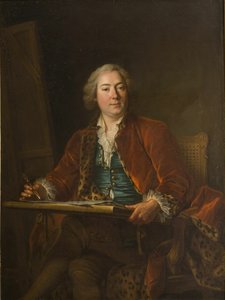
Jahel and Tamah (study): An Exploration of Dramatic Narrative in Baroque Painting
Charles André van Loo’s “Jahel and Tamah” stands as a testament to the grandeur and refined artistry characteristic of the Rococo movement. Executed in 1733, this captivating study delves into a scene brimming with tension and emotion—a confrontation between two figures rendered with meticulous detail and bathed in opulent color palettes.
- Subject Matter: The painting portrays a pivotal moment of struggle, capturing the essence of human drama within a classical framework. Two individuals dominate the composition; one lies wounded on the ground, while the other stands over him wielding a weapon—a sword or dagger—suggesting imminent danger and asserting dominance.
- Style & Technique: Van Loo’s masterful brushstrokes exemplify the Rococo style's hallmark – an emphasis on graceful curves, delicate ornamentation, and luminous light effects. The artist skillfully employs chiaroscuro to heighten dramatic impact, sculpting form with subtle shading that draws the viewer’s eye into the scene’s emotional core.
- Historical Context: Produced during Louis XV’s reign, “Jahel and Tamah” reflects the aristocratic tastes of the era and embodies the Rococo's fascination with mythological narratives and idealized beauty. It aligns perfectly with the broader artistic trends of its time—a reaction against the solemn formality of Baroque art.
The Artist: Charles André van Loo – A Legacy Forged in Rome and Paris
Born in Nice in 1705, Charles André van Loo descended from a distinguished lineage of Dutch painters—a family tradition that instilled within him an unwavering dedication to artistic excellence. His formative years were spent honing his skills in Turin before embarking on a transformative journey to Rome (1712), where he studied under Benedetto Luti and Pierre Legros, absorbing the influences of Caravaggio and Bernini.
Parisian patronage swiftly propelled him to prominence, securing him first prize for drawing and historical painting at the Académie royale. This recognition solidified his position as a leading figure in the French artistic landscape—a role he would continue to fulfill until his death in 1765, leaving behind an indelible mark on the “Modern French School.”
Notable Works & Artistic Influences
- Venus and Amor: This masterpiece showcases Van Loo’s unparalleled ability to convey emotion through idealized form and luminous color—a hallmark of Rococo painting.
- Halt of the Hunt: Capturing aristocratic leisure activities, “Halt of the Hunt” exemplifies Van Loo's talent for depicting scenes of grandeur and sophistication.
- Portrait of Marie Leszczynska: A regal depiction of Queen Marie Leszczynska underscores Van Loo’s mastery in portraying royal subjects with dignity and grace.
Inspired by masters like Benedetto Luti and Pierre Legros, Van Loo skillfully blended classical ideals with Rococo ornamentation—creating artworks that resonate with timeless beauty and conveying profound emotional depth.
Otázky a odpovědi
Jaká je vnímaná jasnost díla „Jahel a Tamah (studie)“ od Charles André van Loo?
Z hlediska vnímané jasnosti je dílo „Jahel a Tamah (studie)“ od Charles André van Loo hluboký stín.
Pod jakými dalšími jmény nebo pseudony je Charles André van Loo známý/á?
Charles André van Loo se vystupuje även pod alternativními jmény Carle van Loo.
Kdo vytvořil dílo "Jahel a Tamah (studie)" a v jakém stylu je zpracováno?
Autorem díla "Jahel a Tamah (studie)" je Charles André van Loo, který patřil k hnutí Rococo Painting.
 Náhled v interiéru
 Sdílet
 Sdílet
 Podrobnosti o díle
 Průvodce

 Stáhnout
 Podobné položky
 Rentgenové snímky
 Slideshow
 Q&A
Q&A Statistiky