

 Zobrazit v interiéru
 Odeslat
 Sdílet
 Podrobnosti
 Průvodce

 Stáhnout obrázek
 Podobné kousky
 Rentgenové snímky
 Slideshow
 Statistiky
Life of St Augustine Saint Augustine Disputing with the Donatists
 Oil On Canvas
- WallArt
- Rococo Style
 1753
1753- Early Modern
 400.0 x 550.0 cm
 Basilique Notre
 Přečíst si více
Ručně malovaná olejová reprodukce
Ručně malované olejné plátno v libovolném rozměru i s rámem, vyrobené našimi umělci na zakázku. ( Přepnout na tiskové verze Přepnout na digitální verzi obrazu)




P118B Kč10

P118H Kč10

P118W Kč10

P438Z Kč10

P508JH Kč12

P508YH Kč12

P805H Kč10

P805Z Kč10

P919BZ Kč10

P919G Kč10

P919XJ Kč10

P959ZH Kč10

P968JZ Kč12

W106C Kč8

W218G Kč10

W218JH Kč8

W218Y Kč10

W307PJ Kč10

W316G Kč10

W316PJ Kč8

W316Y Kč10

W398PJ Kč8

W4111J Kč10

W500HY Kč15

W500JH Kč15

W692G Kč12

W849H Kč8

W940BG Kč15

W953PJ Kč8




Vyberte si z našich přednastavených velikostí, které odpovídají původním proporcím díla.

Zadejte šířku a výšku, které potřebujete pro váš rám nebo stěnu. Protože se jedná o ruční malbu, při výběru jiného formátu může umělec kolem obrazu domalovat o něco více, nebo jej mírně oříznout — rozhodnete si vy. Před zahájením malby vám zašleme digitální náhled ke schválení. Obraz zobrazený na této stránce neodpovídá skutečnému výsledku — pouze digitální náhled jej zobrazuje.
Po přijetí objednávky vám tým OriginalUniqueArt.com zašle e-mail s pokyny a poskytne náhledovou verzi.
Celosvětová doprava () za 3–4 týdny namísto standardních 5 týdnů. (23 říjen). Bez kompromisů v kvalitě.

Zdarma celosvětová expresní doprava

Vysoce kvalitní lněné plátno

Úplné pojištění přepravy

Záruka vrácení celního poplatku

Záruka věrného barevného shodu

100dení lhůta pro vrácení zboží (pouze při vadách výroby)

100% garance vrácení peněz

Sleva při více objednávkách
 Skleněná varianta je dostupná pouze u rozměrů menších než 110 cm

Life of St Augustine Saint Augustine Disputing with the Donatists
Technika provedení
Velikost reprodukce
-


Celková cena
Kč 6434
A Window Into Enlightenment: The Intellectual Drama of Van Loo
In the grand tapestry of eighteenth-century art, few works capture the electric tension between faith and reason as masterfully as Charles-André van Loo’s 1753 masterpiece, Life of St Augustine Saint Augustine Disputing with the Donatists. This expansive oil on canvas is far more than a mere historical reconstruction; it is a meticulously crafted tableau that breathes life into the intellectual fervor of the Enlightenment era. As the eye wanders across the vast composition, it is immediately arrested by the central figure of Saint Augustine, whose animated posture and fervent expression embody a relentless pursuit of truth. Surrounded by companions engaged in spirited debate, the scene transcends its theological subject matter to mirror the philosophical dialogues that defined the reign of Louis XV, inviting every viewer to witness a moment where dogma meets scrutiny.
The setting itself serves as a silent protagonist in this drama. Arranged around a table laden with heavy books and scattered documents, the figures exist within an atmosphere of academic rigor and spiritual urgency. Van Loo utilizes the dramatic technique of chiaroscuro—the masterful interplay of light and shadow—to heighten the emotional stakes of the dispute. The light does not merely illuminate; it carves out the importance of each participant’s stance, casting deep shadows that suggest the gravity of the Donatist heresy and the weight of the theological consequences at stake. This strategic use of light creates a sense of depth and movement, pulling the observer into the very heart of the conversation.
Rococo Elegance and the Art of the Brush
While the subject matter is heavy with historical significance, Van Loo executes the scene with the unmistakable grace of the Rochoco style. The painting is a triumph of delicate brushwork and a luxurious, luminous palette. Eschewing the somber tones often associated with religious history painting, Van Loo embraces a spectrum of pastel hues—creams, golds, soft pinks, and ethereal blues—to create an atmosphere that feels both regal and transcendent. This lightness of color provides a breathtaking contrast to the darker architectural elements, lending the work an almost dreamlike quality that is characteristic of the era's refined ornamentation.
For the discerning collector or interior designer, this piece offers a profound sense of prestige and narrative depth. The artist’s ability to render the intricate folds of drapery and the subtle nuances of facial expressions demonstrates a level of technical virtuosity that commands attention in any grand space. Whether placed in a library, a formal study, or a sophisticated gallery setting, the painting acts as a focal point of conversation. It does not merely decorate a wall; it anchors a room with its historical weight and aesthetic splendor, offering a timeless connection to an age where art, intellect, and divinity were inextricably entwined.
Otázky a odpovědi
Z čeho je dílo "Life of St Augustine Saint Augustine Disputing with the Donatists" vyrobeno a v jakém je stylu?
„Life of St Augustine Saint Augustine Disputing with the Donatists“ je vytvořeno v technice Oil On Canvas v rámci směru Rococo Style.
Obsahuje "Life of St Augustine Saint Augustine Disputing with the Donatists" výrazné světlonápadové kontrasty?
Kontrast světla a stínu u díla „Life of St Augustine Saint Augustine Disputing with the Donatists“ je klasifikován jako Balanced. Kontrast popisuje, jak výrazně se liší světlé a tmavé oblasti.
Jaké je umětrovědné postavení díla „Life of St Augustine Saint Augustine Disputing with the Donatists“ od Charles André van Loo?
Z historického hlediska je „Life of St Augustine Saint Augustine Disputing with the Donatists“ dílem stylů Rococo Style, které patří do širší éry Early Modern.
Biografie umělce
Early Life and Training
Charles André van Loo, born February 15, 1705, in Nice, France, was the youngest son of Louis-Abraham van Loo and Jean-Baptiste van Loo—a lineage steeped in artistic tradition. His father, a respected painter himself, instilled in him a profound appreciation for visual art from an early age, shaping his formative years within the vibrant cultural landscape of Savoyard Provence. Unlike many artists of his time, Van Loo’s upbringing wasn't solely focused on formal instruction; it encompassed exposure to diverse artistic practices and intellectual pursuits—a testament to the enlightened values of his family. Initial training commenced in Turin, where he studied under Benedetto Luti, a prominent sculptor known for his meticulous attention to detail and mastery of classical forms. This early immersion in sculpture undoubtedly honed Van Loo’s observational skills and fostered an understanding of spatial relationships – qualities that would prove invaluable throughout his artistic career. Subsequently, he traveled to Rome—the epicenter of Baroque art and intellectual ferment—where he pursued intensive studies under Pierre Legros, a celebrated teacher who championed the revival of classical ideals within painting. This formative period solidified Van Loo’s grounding in humanist principles and established him as a student deeply committed to artistic excellence. His Parisian education followed suit, enrolling at the Académie royale de peinture et de sculpture—the bastion of French artistic training—and swiftly gaining recognition for his exceptional talent. The Academy's rigorous curriculum demanded technical proficiency alongside intellectual engagement, fostering Van Loo’s ability to synthesize observation and conceptual understanding. Crucially, he secured first prize for drawing in 1723 and subsequently achieved the prestigious honor of winning first prize for historical painting in 1727—a decisive victory that catapulted him into the spotlight of Parisian artistic circles. This accomplishment underscored his dedication to mastering the foundational skills necessary for producing monumental works of art.Artistic Career and Notable Works
Charles André van Loo’s artistic style epitomized the elegance and grandeur characteristic of Rococo painting, a movement that flourished in France during Louis XV's reign. Unlike the solemn formality of Baroque art—which prioritized dramatic emotion and theatrical spectacle—Rococo embraced delicacy, grace, and ornamentation, reflecting aristocratic tastes for refined beauty and sensual pleasure. Van Loo skillfully navigated this stylistic milieu, producing canvases imbued with shimmering colors, intricate textures, and exquisitely rendered figures—a hallmark of his distinctive oeuvre. His subject matter spanned a remarkable breadth, encompassing portraits depicting royalty and nobility, mythological scenes celebrating heroic narratives, historical paintings commemorating significant events, allegories conveying moral lessons, and genre depictions capturing everyday life in aristocratic society. These diverse explorations demonstrated Van Loo’s versatility as an artist and underscored his ability to engage with complex themes—both intellectual and emotional—through the medium of painting. Among his most celebrated achievements were *Venus and Amor* (Kunsthalle Bremen)—a masterpiece showcasing Van Loo's mastery of Rococo technique and compositional balance—and *Halt of the Hunt* (The Metropolitan Museum of Art)—which captured the opulent atmosphere of aristocratic pursuits with breathtaking realism. His portrait of Marie Leszczynska, Queen of France, stands as a testament to his skill in conveying psychological nuance and capturing the regal dignity of his subject. Furthermore, *Jupiter and Antiope*, a monumental mythological tableau, exemplifies Van Loo’s ambition to tackle ambitious artistic challenges—a feat accomplished with remarkable precision and artistry. Notably, he produced multiple versions of *Perseus and Andromeda*, demonstrating his unwavering commitment to exploring classical mythology—a genre favored by artists throughout Europe during the Enlightenment. And *Mademoiselle Clairon as Medea*—a captivating Rococo portrait executed in 1760—captures a moment of dramatic intensity with exquisite detail and psychological insight. These works cemented Van Loo’s reputation as one of France's foremost painters, securing his place within the annals of art history.Patronage and Royal Recognition
Charles André van Loo enjoyed considerable patronage from influential figures within the French court—most notably Madame de Pompadour—who recognized his artistic talent and championed his endeavors. Her unwavering support ensured that Van Loo’s work received widespread acclaim and contributed to shaping the aesthetic sensibilities of Parisian society. Recognizing his exceptional contribution to the arts, Louis XV bestowed upon him the Order of Saint Michael—a prestigious honor signifying royal favor and acknowledging his distinguished service to the monarchy. This accolade underscored Van Loo's elevated status within the artistic community and solidified his legacy as a painter celebrated by the highest echelons of French power. ## Influences and Legacy Van Loo’s artistic development was profoundly shaped by his familial heritage—particularly by the influence of his father and brother, both accomplished painters who established standards for excellence and fostered a tradition of artistic innovation. He benefited from their guidance and mentorship, absorbing their techniques and stylistic sensibilities—a testament to the importance of familial support within artistic lineages. Despite facing competition with François Boucher—another prominent Rococo artist—Van Loo maintained his own distinctive voice—characterized by meticulous observation and unwavering adherence to classical principles. His work exerted a considerable impact on the burgeoning “modern French school,” establishing a stylistic idiom that prioritized clarity, elegance, and refined craftsmanship. Critics lauded Van Loo’s “simplicity of style and correctness of design”—a judgment that resonated throughout the artistic landscape of his time and continues to inspire admiration today. ## Museums Collections & Further Exploration His paintings are housed in prominent museums across Europe, including the Louvre (where *The Marriage of the Virgin* resides), Kunsthalle Bremen, and The Metropolitan Museum of Art—testaments to their enduring beauty and artistic significance. For more information about Charles André van Loo’s life and work, visit OriginalUniqueArt: https://www.OriginalUniqueArt.com/artists/charles-andre-van-loo/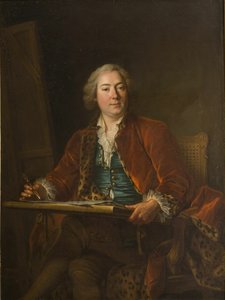
Charles André van Loo
1705 - 1765 , Francie
Rychlé informace
- Artistic Movement Or Style: Rokoko
- Artists Who Influenced This Artist:
- Benedetto Luti
- Pierre Le Gros
- Date Of Birth: 15. února 1705
- Full Name: Charles-André van Loo
- Nationality: Francouzský
- Notable Artworks:
- Venus a Amor
- Přistání lovců
- Portrét Marie Leszczynské
- Place Of Birth: Nice, Francie
Související články

Charles-André van Loo: A Study in Rococo Portraiture & the French Court's Artistic Dynamics
Explore the elegant world of Charles-André van Loo, a master of Rococo portraiture at the French court. Discover his life, techniques, and enduring influence on 18th-century art. Hand-painted reproductions available.

Rembrandt van Rijn: Top 25 mistrovských děl pro váš interiér | OriginalUniqueArt.cz
Prozkoumejte 25 nejlepších děl Rembrandta van Rijna – od portrétů po biblické scény. Objevte příběhy, techniky a inspiraci nizozemského baroka. Reprodukce obrazů pro váš interiér na OriginalUniqueArt.cz.
10 mistrovských děl rané nizozemské malby, které změnily umění | OriginalUniqueArt
Objevte 10 ikonických děl rané nizozemské malby – Jan van Eyck, Rogier van der Weyden a další mistři. Ponořte se do renesanční techniky a historie umění s OriginalUniqueArt.com! Prohlédněte si reprodukce obrazů pro váš interiér.

Top 10 mistrovských děl rokokového umění | OriginalUniqueArt.cz
Prozkoumejte 10 ikonických děl rokokového umění – Fragonard, Boucher a další. Objevte příběhy mistrů, techniky a pastelové barvy tohoto elegantního stylu. Reprodukce obrazů nejvyšší kvality na OriginalUniqueArt.cz!

10 mistrovských děl rané nizozemské renesance – inspirace pro váš interiér
Objevte 10 ikonických děl rané nizozemské renesance – Jan van Eyck, Robert Campin a další mistři. Ponořte se do příběhů olejomalby, portrétů a symboliky. Najděte inspiraci pro váš interiér s reprodukcemi nejvyšší kvality na OriginalUniqueArt.com


