

 Zobrazit v interiéru
 Odeslat
 Sdílet
 Podrobnosti
 Průvodce

 Stáhnout obrázek
 Podobné kousky
 Rentgenové snímky
 Slideshow
 Statistiky
HALTE DE CHASSE


 Přečíst si více
Ručně malovaná olejová reprodukce
Ručně malované olejné plátno v libovolném rozměru i s rámem, vyrobené našimi umělci na zakázku. ( Přepnout na tiskové verze Přepnout na digitální verzi obrazu)




P118B Kč10

P118H Kč10

P118W Kč10

P438Z Kč10

P508JH Kč12

P508YH Kč12

P805H Kč10

P805Z Kč10

P919BZ Kč10

P919G Kč10

P919XJ Kč10

P959ZH Kč10

P968JZ Kč12

W106C Kč8

W218G Kč10

W218JH Kč8

W218Y Kč10

W307PJ Kč10

W316G Kč10

W316PJ Kč8

W316Y Kč10

W398PJ Kč8

W4111J Kč10

W500HY Kč15

W500JH Kč15

W692G Kč12

W849H Kč8

W940BG Kč15

W953PJ Kč8




Vyberte si z našich přednastavených velikostí, které odpovídají původním proporcím díla.

Zadejte šířku a výšku, které potřebujete pro váš rám nebo stěnu. Protože se jedná o ruční malbu, při výběru jiného formátu může umělec kolem obrazu domalovat o něco více, nebo jej mírně oříznout — rozhodnete si vy. Před zahájením malby vám zašleme digitální náhled ke schválení. Obraz zobrazený na této stránce neodpovídá skutečnému výsledku — pouze digitální náhled jej zobrazuje.
Po přijetí objednávky vám tým OriginalUniqueArt.com zašle e-mail s pokyny a poskytne náhledovou verzi.
Celosvětová doprava () za 3–4 týdny namísto standardních 5 týdnů. (18 říjen). Bez kompromisů v kvalitě.

Zdarma celosvětová expresní doprava

Vysoce kvalitní lněné plátno

Úplné pojištění přepravy

Záruka vrácení celního poplatku

Záruka věrného barevného shodu

100dení lhůta pro vrácení zboží (pouze při vadách výroby)

100% garance vrácení peněz

Sleva při více objednávkách
 Skleněná varianta je dostupná pouze u rozměrů menších než 110 cm

HALTE DE CHASSE
Technika provedení
Velikost reprodukce
-


Celková cena
Kč 13781
A Symphony of Rococo Splendor
In the heart of the French Rococo era, few works capture the sheer opulence and leisurely grace of aristocratic life as vividly as Charles-André van Loo’s “HALTE DE CHASSE.” Painted in 1738, this masterpiece serves as a breathtaking window into the reign of Louis XV, offering much more than a mere depiction of a hunting expedition. It is an exquisitely crafted tableau, a carefully orchestrated celebration where the thrill of the chase meets the refined indulgence of a woodland feast. As the eye wanders through the lush, dappled sunlight filtering through the canopy, one does not simply observe a scene; one is invited to participate in a moment of timeless, aristocratic splendor.
The composition is a masterclass in Rococo density, designed to immerse the viewer in a world of abundance. Van Loo skillfully arranges his figures to create a sense of rhythmic movement and social harmony. In the foreground, a magnificent table serves as the anchor for the scene, laden with a cornucopia of delicacies—glinting wine glasses, ripe fruits, and delicate pastries that promise sensory delight. This central gathering of noblemen and ladies, draped in silks and fine linens, provides a static, elegant counterpoint to the dynamic squadron of horseback riders sweeping across the right side of the canvas. Through the clever use of diagonal lines, the artist guides our gaze from the intimate details of the picnic toward the energetic pursuit in the distance, ensuring that every corner of the painting vibrates with life.
The Artistry of Light and Texture
Technically, “HALTE DE CHASSE” is a triumph of oil on canvas, showcasing Van Loo’s ability to manipulate light and color to evoke deep emotional responses. The artist employs a sophisticated palette where warm, sun-drenched hues—russet reds, golden yellows, and creamy whites—interplay beautifully with the cooler, refreshing tones of emerald green and teal found in the surrounding foliage. This contrast not only mirrors the natural environment but also serves to highlight the exquisite textures of the nobility's attire. One can almost feel the tactile richness of the heavy fabric folds, the softness of the lace, and the smooth sheen of silk, all rendered with meticulous precision.
The lighting within the piece is profoundly naturalistic, suggesting a soft, diffused glow that bathes the entire assembly in a romantic, dreamlike atmosphere. Subtle highlights dance upon faces and glassware, creating a sense of three-dimensional volume and depth. As the landscape recedes into a hazy, atmospheric distance, Van Loo utilizes aerial perspective to expand the world beyond the immediate clearing, hinting at a vast, untamed wilderness that exists just beyond this pocket of civilization. For the collector or interior designer, this painting offers an unparalleled sense of depth and grandeur, making it a commanding focal point for any sophisticated space.
A Legacy of Elegance and Emotion
Beyond its technical brilliance, the painting resonates with profound symbolic weight. The abundance of food and drink is not merely decorative; it is a potent symbol of prosperity, peace, and the effortless indulgence characteristic of the 18th-century French court. There is an undeniable sense of camaraderie and joy permeating the scene—a shared moment of respite that celebrates the bonds of social class and the pleasures of nature. The elegance of the figures reflects a period where art was used to idealize life, turning a momentary pause in a hunt into an eternal monument of grace.
For those seeking to bring a touch of historical prestige and classical beauty into their homes, a high-quality reproduction of this work offers more than just decoration; it offers an atmosphere. Whether placed in a grand salon or a refined study, “HALTE DE CHASSE” evokes a sense of nostalgia for an era of unparalleled refinement. It remains a captivating choice for anyone looking to inspire awe and conversation through the timeless language of the Rococo style.
Otázky a odpovědi
Jak mohu získat print díla „HALTE DE CHASSE“ od Charles André van Loo?
Tisk díla „HALTE DE CHASSE“ od Charles André van Loo si můžete objednat přímo na jeho stránce Umělecká tiskovina: umělecká tiskovina na bavlněném plátně nebo archivním plátnovém papíře.
Existuje k dílu „HALTE DE CHASSE“ od Charles André van Loo informační list pro studenty?
Stránka Průvodce díla „HALTE DE CHASSE“ od Charles André van Loo nabízí tištěný dvoulistový informační list: samotné umělecké dílo s identifikační tabulkou, časovou osu situující dílo do období života umělce, další díla daného autora, naměřenou barevnou paletu a citace ve čtyřech stylech připravené pro okamžité zkopírování.
Jaké téma a atmosféru spojuje dílo „HALTE DE CHASSE“ od Charles André van Loo?
„HALTE DE CHASSE“ od Charles André van Loo zachycuje hunting scene, aristocracy, celebration, picnic, landscape, elegant figures, food abundance v Elegant náladě. Předmět a atmosféra dohromady definují toto dílo.
Biografie umělce
Early Life and Training
Charles André van Loo, born February 15, 1705, in Nice, France, was the youngest son of Louis-Abraham van Loo and Jean-Baptiste van Loo—a lineage steeped in artistic tradition. His father, a respected painter himself, instilled in him a profound appreciation for visual art from an early age, shaping his formative years within the vibrant cultural landscape of Savoyard Provence. Unlike many artists of his time, Van Loo’s upbringing wasn't solely focused on formal instruction; it encompassed exposure to diverse artistic practices and intellectual pursuits—a testament to the enlightened values of his family. Initial training commenced in Turin, where he studied under Benedetto Luti, a prominent sculptor known for his meticulous attention to detail and mastery of classical forms. This early immersion in sculpture undoubtedly honed Van Loo’s observational skills and fostered an understanding of spatial relationships – qualities that would prove invaluable throughout his artistic career. Subsequently, he traveled to Rome—the epicenter of Baroque art and intellectual ferment—where he pursued intensive studies under Pierre Legros, a celebrated teacher who championed the revival of classical ideals within painting. This formative period solidified Van Loo’s grounding in humanist principles and established him as a student deeply committed to artistic excellence. His Parisian education followed suit, enrolling at the Académie royale de peinture et de sculpture—the bastion of French artistic training—and swiftly gaining recognition for his exceptional talent. The Academy's rigorous curriculum demanded technical proficiency alongside intellectual engagement, fostering Van Loo’s ability to synthesize observation and conceptual understanding. Crucially, he secured first prize for drawing in 1723 and subsequently achieved the prestigious honor of winning first prize for historical painting in 1727—a decisive victory that catapulted him into the spotlight of Parisian artistic circles. This accomplishment underscored his dedication to mastering the foundational skills necessary for producing monumental works of art.Artistic Career and Notable Works
Charles André van Loo’s artistic style epitomized the elegance and grandeur characteristic of Rococo painting, a movement that flourished in France during Louis XV's reign. Unlike the solemn formality of Baroque art—which prioritized dramatic emotion and theatrical spectacle—Rococo embraced delicacy, grace, and ornamentation, reflecting aristocratic tastes for refined beauty and sensual pleasure. Van Loo skillfully navigated this stylistic milieu, producing canvases imbued with shimmering colors, intricate textures, and exquisitely rendered figures—a hallmark of his distinctive oeuvre. His subject matter spanned a remarkable breadth, encompassing portraits depicting royalty and nobility, mythological scenes celebrating heroic narratives, historical paintings commemorating significant events, allegories conveying moral lessons, and genre depictions capturing everyday life in aristocratic society. These diverse explorations demonstrated Van Loo’s versatility as an artist and underscored his ability to engage with complex themes—both intellectual and emotional—through the medium of painting. Among his most celebrated achievements were *Venus and Amor* (Kunsthalle Bremen)—a masterpiece showcasing Van Loo's mastery of Rococo technique and compositional balance—and *Halt of the Hunt* (The Metropolitan Museum of Art)—which captured the opulent atmosphere of aristocratic pursuits with breathtaking realism. His portrait of Marie Leszczynska, Queen of France, stands as a testament to his skill in conveying psychological nuance and capturing the regal dignity of his subject. Furthermore, *Jupiter and Antiope*, a monumental mythological tableau, exemplifies Van Loo’s ambition to tackle ambitious artistic challenges—a feat accomplished with remarkable precision and artistry. Notably, he produced multiple versions of *Perseus and Andromeda*, demonstrating his unwavering commitment to exploring classical mythology—a genre favored by artists throughout Europe during the Enlightenment. And *Mademoiselle Clairon as Medea*—a captivating Rococo portrait executed in 1760—captures a moment of dramatic intensity with exquisite detail and psychological insight. These works cemented Van Loo’s reputation as one of France's foremost painters, securing his place within the annals of art history.Patronage and Royal Recognition
Charles André van Loo enjoyed considerable patronage from influential figures within the French court—most notably Madame de Pompadour—who recognized his artistic talent and championed his endeavors. Her unwavering support ensured that Van Loo’s work received widespread acclaim and contributed to shaping the aesthetic sensibilities of Parisian society. Recognizing his exceptional contribution to the arts, Louis XV bestowed upon him the Order of Saint Michael—a prestigious honor signifying royal favor and acknowledging his distinguished service to the monarchy. This accolade underscored Van Loo's elevated status within the artistic community and solidified his legacy as a painter celebrated by the highest echelons of French power. ## Influences and Legacy Van Loo’s artistic development was profoundly shaped by his familial heritage—particularly by the influence of his father and brother, both accomplished painters who established standards for excellence and fostered a tradition of artistic innovation. He benefited from their guidance and mentorship, absorbing their techniques and stylistic sensibilities—a testament to the importance of familial support within artistic lineages. Despite facing competition with François Boucher—another prominent Rococo artist—Van Loo maintained his own distinctive voice—characterized by meticulous observation and unwavering adherence to classical principles. His work exerted a considerable impact on the burgeoning “modern French school,” establishing a stylistic idiom that prioritized clarity, elegance, and refined craftsmanship. Critics lauded Van Loo’s “simplicity of style and correctness of design”—a judgment that resonated throughout the artistic landscape of his time and continues to inspire admiration today. ## Museums Collections & Further Exploration His paintings are housed in prominent museums across Europe, including the Louvre (where *The Marriage of the Virgin* resides), Kunsthalle Bremen, and The Metropolitan Museum of Art—testaments to their enduring beauty and artistic significance. For more information about Charles André van Loo’s life and work, visit OriginalUniqueArt: https://www.OriginalUniqueArt.com/artists/charles-andre-van-loo/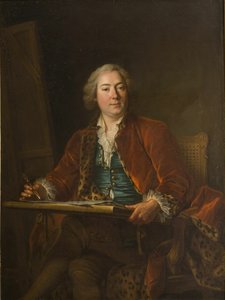
Charles André van Loo
1705 - 1765 , Francie
Rychlé informace
- Artistic Movement Or Style: Rokoko
- Artists Who Influenced This Artist:
- Benedetto Luti
- Pierre Le Gros
- Date Of Birth: 15. února 1705
- Full Name: Charles-André van Loo
- Nationality: Francouzský
- Notable Artworks:
- Venus a Amor
- Přistání lovců
- Portrét Marie Leszczynské
- Place Of Birth: Nice, Francie
Související články

The Rococo Aesthetic: Opulence, Rebellion & the Pursuit of Pleasure in 18th-Century Art
Explore the opulent world of Rococo art! Discover its origins, key artists like Watteau & Boucher, and lasting influence on design. Expert insights for collectors & enthusiasts.
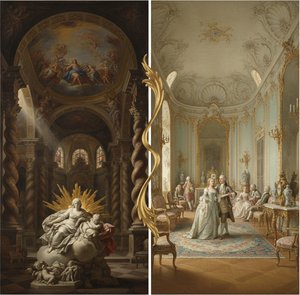
From Grandeur to Grace: Exploring the Evolution of Baroque & Rococo Art
Explore the captivating evolution from Baroque's drama to Rococo's grace! Discover key artists, characteristics & lasting influence of these art movements with expert insights at OriginalUniqueArt.

Baroque vs. Rococo: A Definitive Guide to the Drama of Grandeur and the Elegance of Grace
Explore the profound differences between Baroque drama and Rococo elegance. Our expert guide delves into art history, chiaroscuro, and the evolution of European masterpieces for collectors and enthusiasts seeking deep historical context.
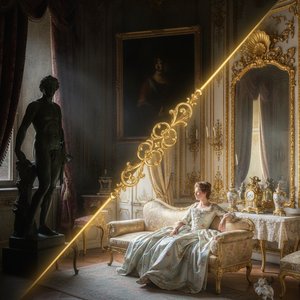
Baroque vs. Rococo: A Definitive Guide to High-Drama Shadows and Golden Elegance
Explore the dramatic evolution from Baroque's intense chiaroscuro to Rococo's golden elegance. Our expert guide decodes the shift from high-drama shadows to playful, ornate grace for art enthusiasts and collectors seeking deep historical insight.

The Allure of Elegance in Art: A Historical & Aesthetic Exploration of Refinement & Grace
Explore the exquisite world of Rococo art! Discover its history, masters (Watteau, Boucher & more), and defining elegance. Expert insights for collectors seeking museum-quality reproductions & custom portraits.


