Pre-Columbian Art · 1521
Spider Monkey (Aztecká Říše, 1521)
Aztecká Říše (1300–1521) vytvořil dílo Spider Monkey. Pochází z roku 1521. Patří k hnutí Pre-Columbian Art. Je vyrobeno z Clay / Terracotta. Nachází se v Rhode Island School of Design Museum of Art v Providence, Spojené státy americké. Rozměry jsou 35 × 26 cm.
- 1521
- Clay / Terracotta
- 35 × 26 cm
- Rhode Island School of Design Museum of Art, Providence

 Ručně malovaná olejná reprodukce
 Sdílet
 Sdílet
 Průvodce


 Stáhnout
 Podobné položky
 Slideshow
 Otázky a odpovědi

 Statistiky
Spider Monkey: základní údaje
- Název díla
- Spider Monkey
- Autor
- Aztecká Říše (1300–1521)
- Rok narození umělce
- Tenochtitlán, Mexiko
- Datum vytvoření
- 1521
- Technika
- Clay / Terracotta
- Rozměry
- 35 × 26 cm
- Kde jej vidět
- Rhode Island School of Design Museum of Art, Providence, Spojené státy americké
- Pohyb
- Pre-Columbian Art
- Období
- Late Medieval
- Motiv
- aztec monkey, clay sculpture, native mexico, tenochtitlan, earrings artwork, pre-columbian art
Co przedstawuje dílo Spider Monkey?
A Glimpse into Tenochtitlan: The Spider Monkey Sculpture
This exceptional hand-painted reproduction captures a pivotal moment in Aztec artistic expression – the creation of a remarkably detailed sculpture depicting a spider monkey, dating back to 1521. Crafted by artisans within the heart of the Aztec Empire, specifically in Tenochtitlan, this piece offers an intimate window into the beliefs and aesthetic sensibilities of one of Mesoamerica’s most influential civilizations. The original sculpture, likely created during the reign of Moctezuma I, speaks volumes about the Aztecs' deep connection to the natural world and their sophisticated understanding of symbolism.
- Subject Matter: The central figure is a spider monkey, an animal revered within Aztec cosmology. Monkeys were associated with intelligence, agility, and trickery – qualities valued in both human endeavors and divine beings.
- Material & Technique: Executed in clay, a readily available material throughout the Valley of Mexico, the sculpture demonstrates the Aztecs’ mastery of ceramic techniques. The application of color, though faded over centuries, reveals traces of vibrant pigments derived from minerals like ochre and malachite, reflecting their skilled understanding of natural dyes.
- Size & Presentation: Measuring 35 x 26 cm, this reproduction is perfectly sized for display in a variety of settings – from private collections to interior design projects. The white backdrop emphasizes the sculpture’s form and color, allowing it to command attention without distraction.
Symbolism and Spiritual Significance
The inclusion of earrings on the monkey's ears is particularly significant. In Aztec art, adornment – especially with feathers and precious stones – was a powerful symbol of status, divinity, and connection to the spiritual realm. The addition of these ornaments elevates the monkey from a simple animal representation to a figure imbued with symbolic weight, potentially representing a deity or an important ancestor. The crossed legs suggest stability and contemplation, further reinforcing the sculpture’s spiritual purpose.
The Aztec worldview was deeply intertwined with ritual and belief. Art served not merely as decoration but as a conduit for communicating with the gods and maintaining cosmic balance. This Spider Monkey sculpture is therefore more than just an object; it's a tangible expression of their faith and understanding of the universe.Historical Context: The Aztec Empire at its Zenith
Created in 1521, this sculpture represents the apex of the Aztec Empire’s artistic achievements. The year marks the fall of Tenochtitlan to Hernán Cortés and the Spanish conquistadors – a dramatic turning point in Mesoamerican history. Despite this tragic event, the legacy of Aztec art continues to resonate today, offering invaluable insights into their culture and ingenuity. The sculpture's creation reflects the empire’s confidence and power, showcasing its artistic prowess before the arrival of European influence.
Artist: Aztec Empire Date: 1521 Size: 35 x 26 cmEmotional Impact & Artistic Value
This reproduction evokes a profound sense of connection to the past. It’s a tangible link to the artistic traditions of the Aztec people, inviting contemplation on their beliefs, values, and remarkable achievements. The sculpture's inherent beauty, combined with its historical significance, makes it a compelling addition to any art collection or interior design scheme. It is a testament to human creativity and resilience, offering a powerful reminder of a civilization that flourished for centuries before succumbing to the forces of change.
Ve kterém muzeu se nachází Spider Monkey?
Rhode Island School of Design Museum of Art
Providence, Spojené státy americké
Živá laboratoř umětné synergie V historickém srdci Providence v Rhode Islandu stojí muzeum RISD jako hluboké svědectví o mocné synergii mezi uměleckou tvorbou a přísným vzděláváním. Je to mnohem víc než jen úložiště krásných předmětů; funguje jako živá laboratoř, kde generace umělců a designérů brousily své dovednosti, hledaly inspiraci a nap挑战ovaly konvenční hranice. Muzeum, založené v roce 1877 spolu s samotnou Rhode Island School of Design, nebylo nikdy koncipováno jako odtažitý monument minulosti; bylo zrodilo jako integrální součást progresivní instituce věnované utváření budoucnosti umění a designu.


Spider Monkey ve vysokém rozlišení

Aztecká Říše, Spider Monkey (1521), Rhode Island School of Design Museum of Art. Veřejná doména
Dotazy k Spider Monkey
Jaké jsou rozměry originálu díla „Spider Monkey“ od Aztecká Říše?
Zaznamenané rozměry díla „Spider Monkey“ od Aztecká Říše jsou 35 x 26 cm. Reprodukce lze objednat v jiných velikostech při zachování stejných proporcí.
Patří „Spider Monkey“ od Aztecká Říše do volného tisku?
Co se týče autorských práv, dílo "Spider Monkey" spadá do v rámci volného užití – autorská práva vypršela.
Jakou náladu a emoci vyjadřuje „Spider Monkey“ od Aztecká Říše?
Zachycená nálada díla „Spider Monkey“ od Aztecká Říše je Earthy a jeho emocionální náboj je Reflective.
S jakým pocitem je spojeno dílo "Spider Monkey"?
„Spider Monkey“ je spojováno s Reflective pocity. Emocionální náboj díla popisuje dojem, který z něj vyzařuje.
Jak je utkaná barevná kompozice díla „Spider Monkey“ od Aztecká Říše?
Barevná analýza díla „Spider Monkey“ od Aztecká Říše zachycuje Statement kontrast a Unified Palette harmonii.
Jakým způsobem se dílo „Spider Monkey“ vpisuje do celkové tvorby umělce Aztecká Říše?
„Spider Monkey“ patří k dílu Aztecká Říše v rámci směru Pre-Columbian Art, jehož typická témata zahrnují aztec religious beliefs, political power symbolism, mesoamerican artistic legacy, imperial aztec iconography, ceremonial object display.
Jakou intenzitu barev má „Spider Monkey“ od Aztecká Říše?
„Spider Monkey“ od Aztecká Říše má Monochromatic barevnou intenzitu.
Jaké místo si v dějinách umění zaujímá „Spider Monkey“ od Aztecká Říše?
Z historického hlediska je „Spider Monkey“ dílem stylů Pre-Columbian Art, které patří do širší éry Late Medieval.
Je dílo „Spider Monkey“ od Aztecká Říše spíše světlé, nebo tmavé?
Celkově je dílo „Spider Monkey“ hodnoceno jako bright. Vnímaná jasnost popisuje, jak světlé nebo tmavé se dílo jeví.
O umělci, Aztecká Říše

1300–1521, Mexiko
Aztecká Říše
Echa kamene: Průzkum umění a odkazu Aztické říše Jméno „Aztéka“ – odvozené z národního slova nahuatl ātl-ce-tlācati–tlān, což znamená „lidé mnoha podob“ – vyvolává obrazy rozsáhlé, komplexní říše, která po staletí dominovala Mesoamerice. Aztékové však nebyli pouze válečníky a dobyvatelem; byli to hluboce umělecké jedinci, kteří do každého aspektu svého života vplétali jemnou krásu – od monumentální architektury až po křehké peřínaté práce, od posvátných rituálů až po předměty každodenní potřeby. Jejich umění nebylo pouze dekorativní; bylo to živoucí jazyk, který komunikoval náboženské přesvědčení, politickou moc, historické narativy a sociální hierarchie v rámci společnosti, jež byla zároveň přísně strukturovaná i překvapivě inovativní. Umělecké tradice Azteků, zrozené na začátku 14.
Také od autora Aztecká Říše
 Mosaic of a Double-headed Serpent1521
 Head from a Figure, Xochipilli Macuilxochitl1521
 Figure1521
 Serpent Labret s pohyblivým jazykem

Eseje k tématu Spider Monkey
 The Evolution of Form: A History of Sculpture from Classical Antiquity to ModernityTrace the evolution of sculpture from classical ideals to modern metaphor. Explore the history of form now.
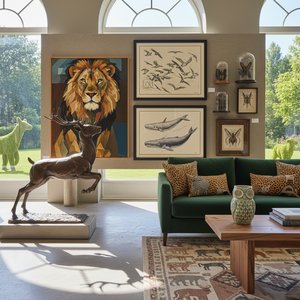 Animalia: Trvalá přítomnost zvířat v umění a interiérovém designuProzkoumejte trvalý vliv zvířat v umění a designu interiéru. Od středověké symboliky po moderní interpretace – objevte skryté významy a ins…
 25 Masterpieces by Francisco de Zurbarán: The Soul of Spanish BaroqueExplore 25 iconic Spanish Baroque masterpieces by Zurbarán. Discover the soul of Tenebrism on OriginalUniqueArt.com.