
 Náhled v interiéru
 Sdílet
 Sdílet
 Podrobnosti o díle
 Průvodce

 Stáhnout
 Podobné položky
 Rentgenové snímky
 Slideshow
 Otázky a odpovědi
 Statistiky
Danaë (detail)


 Zobrazit více
Giclée / Umělecký tisk
Giclée nebo plátěný tisk muzeální kvality s rychlou výrobou a širokou nabídkou povrchových úprav. ( Koupit ručně malovaný obraz Přepnout na digitální obraz)




P118B Kč10

P118H Kč10

P118W Kč10

P438Z Kč10

P508JH Kč12

P508YH Kč12

P805H Kč10

P805Z Kč10

P919BZ Kč10

P919G Kč10

P919XJ Kč10

P959ZH Kč10

P968JZ Kč12

W106C Kč8

W218G Kč10

W218JH Kč8

W218Y Kč10

W307PJ Kč10

W316G Kč10

W316PJ Kč8

W316Y Kč10

W398PJ Kč8

W4111J Kč10

W500HY Kč15

W500JH Kč15

W692G Kč12

W849H Kč8

W940BG Kč15

W953PJ Kč8




Vyberte si z našich přednastavených velikostí, které odpovídají původním proporcím díla.

Zadejte šířku a výšku, které potřebujete pro váš rám nebo stěnu. Tisk lze pouze oříznout, nikdy však nelze zvětšit obraz nad jeho původní rozměr, proto při výběru jiného formátu dochází ke ztrátě části obrazu. Před samotným tiskem vám zašleme digitální náhled k schválení. Obraz zobrazený na této stránce nenabízí skutečný výřez — ten uvidíte pouze v náhledu.
Celosvětové doručení () do 2 týdnů namísto standardních 4/5 týdnů. (7 listopad)

Zdarma celosvětová expresní doprava

Vysoce kvalitní lněné plátno

Kompletní pojištění přepravy

Záruka vrácení celního poplatku

Záruka věrného barevného souladu

100dení lhůta pro vrácení zboží (pouze při vadách výroby)

100% záruka vrácení peněz

Sleva při více objednávkách
 Skleněná varianta je dostupná pouze u rozměrů menších než 110 cm

Danaë (detail)
Giclée / Umělecký tisk
Rozměry reprodukce
-


Celková cena za vybrané možnosti reprodukcí
Kč 1765
A Symphony of Gold and Shadow: Reimagining Artemisia Gentileschi’s Danaë
In the quiet, shadowed depths of Artemisia Gentileschi’s Danaë, one encounters more than just a scene from antiquity; one encounters a visceral masterclass in Baroque emotion. Completed around 1612, this work captures the precise moment where myth intersects with the palpable reality of human sensation. The painting depicts the Argive princess Danaë, reclined in a state of profound vulnerability and receptivity, as Zeus descends upon her not as a thunderbolt, but as a gentle, shimmering rain of gold. It is a pivotal scene from Greek mythology, rendered with such psychological depth that it transcends mere storytelling to become a profound statement on the human condition and the power of divine intervention.The Mastery of Chiaroscuro and Flesh
Executing her vision during the height of Caravaggio’s influence, Gentileschi employs a dramatic chiaroscuro technique that sculpts form through the intense interplay of light and shadow. The stark contrast is most breathtaking in the radiant glow emanating from Danaë's torso, which seems to pulse with an inner life against the surrounding darkness. This luminous skin tone is a deliberate departure from the idealized, porcelain figures common in Renaissance art; instead, Gentileschi offers an unflinching honesty, portraying the human body with textures that feel almost touchable. The way the light catches the golden strands of hair and the soft folds of the drapery demonstrates her extraordinary ability to capture texture and weight, making the scene feel less like a distant myth and more like a captured moment in time.Symbolism and the Strength Within Vulnerability
Beyond its technical brilliance, the painting is rich with symbolic resonance that speaks to both the era of its creation and the modern viewer. The deep red drapery enveloping Danaë serves as a potent symbol of both shame and vulnerability, yet it simultaneously highlights her inner strength and dignity. While the narrative involves a moment of divine imposition, Gentileschi presents her protagonist not as a passive victim, but as a woman confronting a cosmic force with unwavering composure. This subtle defiance is a hallmark of the artist’s style, reflecting her own journey as a female painter in a male-dominated world. For the collector or interior designer, this piece offers a complex layer of meaning, where the beauty of the aesthetic is inextricably linked to a narrative of resilience and agency.An Eternal Inspiration for the Modern Space
For those seeking to infuse a space with drama, history, and emotional gravity, a high-quality reproduction of Danaë serves as a magnificent centerpiece. The painting’s palette—dominated by rich golds, deep shadows, and warm reds—provides a sophisticated anchor for luxurious interior designs, particularly in settings that favor classical or moody, contemporary aesthetics. It is an artwork that invites contemplation, drawing the eye into its luminous depths and sparking conversation about the intersection of art, myth, and the enduring strength of the human spirit. To possess such a work is to hold a fragment of the Baroque revolution, a piece that continues to breathe with the vitality of Artemisia’s unparalleled genius.Otázky a odpovědi
Je dílo "Danaë (detail)" typické pro to, co Artemisia Gentileschiová obvykle vytvářel/a?
Mezi opakující se témata umělce Artemisia Gentileschiová patří caravaggio’s realism, biblical narrative, female empowerment; dílo „Danaë (detail)“ se zaměřuje na mythology, female figure, bedtime scene, light shadow, roman mythology, religious symbolism, dramatic composition.
Jak se v díle „Danaë (detail)“ od Artemisia Gentileschiová propojují umělecký směr a doba?
Dílo "Danaë (detail)" patří k období Baroque, jehož tvůrce působil v éře – Raná modernita.
V jaké technice je vytvořeno dílo „Danaë (detail)“ od Artemisia Gentileschiová?
Artemisia Gentileschiová pro dílo „Danaë (detail)“ použil/a techniku Oil On Copper. Tato technika definuje materiální podstatu originálního díla.
Biografie umělce
A Daughter of Rome: The Life and Art of Artemisia Gentileschi
Artemisia Gentileschi’s name echoes through the halls of art history, resonating not simply as that of a painter, but as an emblem of resilience, defiance, and extraordinary artistic talent in a world determined to silence female voices. Born in Rome in 1593, she entered a milieu steeped in artistry—her father, Orazio Gentileschi, was a respected painter deeply influenced by the revolutionary realism of Caravaggio. From her earliest years, Artemisia’s gift was undeniable, nurtured within her father's workshop where she absorbed techniques of composition and the dramatic use of light and shadow that would become hallmarks of her distinctive style. This formative training wasn’t merely about mastering brushstrokes; it was an immersion into a world of artistic ambition, one typically closed to women. Recognizing his daughter’s exceptional talent, Orazio provided opportunities unavailable to most females of the era, allowing her to study from life models—a crucial step in developing anatomical accuracy and expressive power.Shadows and Strength: Artistic Development
Gentileschi's artistic development was profoundly shaped by Caravaggio’s tenebrism—the stark contrast between light and darkness that imbued his paintings with an intense emotionality. Yet, she didn’t simply mimic her father or Caravaggio; she forged her own unique voice, characterized by a raw psychological depth and a compelling focus on female subjects often depicted with unprecedented agency and strength. Even in her early works, like *Susanna and the Elders* (1610), a biblical scene depicting Susanna being spied upon by two lecherous old men, Artemisia’s interpretation diverges from traditional portrayals. Here, Susanna isn't passively vulnerable; she displays a quiet dignity and resistance, foreshadowing the powerful female figures that would dominate her later oeuvre. But it is *Judith Slaying Holofernes* (existing in multiple versions between 1614-1620) that cemented her reputation as a master of dramatic narrative and psychological realism. The painting isn’t merely a depiction of violence; it's an exploration of courage, determination, and the righteous fury of a woman defending her people. The visceral intensity, the unflinching portrayal of the act itself, shocked and captivated audiences then—and continues to do so today. Other notable works like *Judith and her Maidservant* (1625) and *Danaë* (c. 1636-1639) further demonstrate her evolving style, showcasing both vulnerability and power in her female protagonists. Her ability to render flesh with such realism, combined with a masterful use of chiaroscuro, created scenes that were both terrifying and deeply moving.A Trial by Fire: Trauma and Triumph
Artemisia’s life was irrevocably altered by a horrific event: her rape at the hands of Agostino Tassi, a fellow painter and colleague of her father. The ensuing trial (1611-1612) became a public spectacle, subjecting Artemisia to grueling questioning and societal scrutiny. While she bravely testified against Tassi, the proceedings were marred by bias and attempts to discredit her character. This trauma profoundly impacted her life and art, imbuing her work with an emotional intensity that some scholars believe is directly linked to her personal experiences. The trial itself became a symbol of the challenges faced by women seeking justice in a patriarchal society. Despite this ordeal, Artemisia refused to be defined by it. She continued to paint, moving between Rome, Florence, and Naples, establishing herself as a successful artist in her own right. In 1616, she achieved another milestone: becoming the first woman admitted to the Accademia di Arte del Disegno in Florence—a testament to her talent and perseverance. This achievement was not merely symbolic; it opened doors for future generations of female artists.Key Works
- Judith Slaying Holofernes (1614-1620): Perhaps her most famous work, showcasing dramatic realism and female empowerment.
- Susanna and the Elders (1610): An early masterpiece demonstrating her unique interpretation of a classic biblical scene.
- Judith and Her Maidservant (1625): A compelling portrayal of female solidarity and strength after a violent act.
- Danaë (c. 1636-1639): A sensual and psychologically complex depiction of the mythological figure.
Legacy of a Pioneer
Artemisia Gentileschi’s career spanned decades, marked by both artistic innovation and personal resilience. She worked for prominent patrons, including the Medici family, and established a thriving workshop, proving that women could not only excel as artists but also succeed in a traditionally male-dominated profession. For centuries, her work was often overshadowed by the circumstances of her life, viewed through the lens of scandal rather than artistic merit. However, beginning in the 20th century, there has been a significant reevaluation of her art, recognizing her as one of the most important and innovative painters of the Baroque period. Her paintings are now celebrated for their emotional depth, dramatic realism, and powerful depictions of women—not as passive objects but as active agents in their own narratives. Artemisia Gentileschi is more than just an artist; she’s a feminist icon, a trailblazer who defied societal expectations and left behind a legacy that continues to inspire generations. Her story serves as a potent reminder of the importance of recognizing and celebrating the contributions of women throughout history—and of ensuring that their voices are never silenced again. She painted not just with her hands, but with her soul.
Artemisia Gentileschiová
1593 - 1656 , Itálie
Rychlé informace o umělci
- Artistic Movement Or Style: Barokní malířství
- Artists Or Movements Influenced By This Artist: ['Feminist art']
- Artists Who Influenced This Artist:
- Caravaggio
- Orazio Gentileschi
- Date Of Birth: 8. července 1593
- Date Of Death: asi 1656
- Full Name: Artemisia Lomi Gentileschi
- Nationality: Italská
- Notable Artworks:
- Judita Holoferna
- Zuzana a staříci
- Júdita zabíjí Holoferna
- Place Of Birth: Řím, Itálie
Související články

Masterpieces of Motion: The Top 25 Greatest Artworks by Peter Paul Rubens
Immerse yourself in the dramatic splendor of Baroque master Peter Paul Rubens. Explore 25 iconic paintings, from mythological tales to vibrant oil masterpieces. Find inspiration for museum-quality art reproductions and decor. Discover all masterpieces on OriginalUniqueArt.com.

Masterpieces of Motion: The Top 25 Greatest Artworks by Peter Paul Rubens
Immerse yourself in the dramatic beauty of Baroque masterworks. Explore our curated list of the top 25 Peter Paul Rubens paintings, from mythological epics to powerful portraits. Find inspiration for museum-quality art reproductions and decor. Discover all masterpieces on OriginalUniqueArt.com.
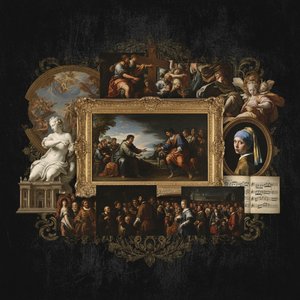
10 Iconic Baroque Masterpieces That Changed Art Forever
Step into the drama of the Baroque era. Explore 10 iconic masterpieces featuring dramatic chiaroscuro and legendary artists. Find inspiration for your space with museum-quality art reproductions and curated decor. Discover all masterpieces on OriginalUniqueArt.com.

Spanish Baroque Art: Mastering Chiaroscuro and the Dramatic Grandeur of the Golden Age
Explore the dramatic mastery of Spanish Baroque art. From Velázquez's realism to Zurbarán's chiaroscuro, discover the profound impact of the Golden Age. Expert insights into the techniques and masterpieces that defined an era of unparalleled artistic intensity.

Masterpieces of Motion: The Top 25 Greatest Artworks by Peter Paul Rubens
Immerse yourself in the dramatic splendor of Baroque master, Peter Paul Rubens. Explore 25 iconic paintings, from mythological epics to vibrant portraits. Find inspiration for museum-quality art reproductions and luxury decor. Discover all masterpieces on OriginalUniqueArt.com.


