- Domů

- Reprodukce olejomalby
- Artemisia Gentileschiová
- Judita useká hlavu Holofernovi
 Koupit tisk Koupit digitální obrázek
 Sdílet
 Sdílet
 Podrobnosti o díle
 Přidat do oblíbených

 Stáhnout
 Podobné položky
 Rentgenové snímky
 Slideshow
Judita useká hlavu Holofernovi


 Zobrazit více
Ručně malovaná olejová reprodukce
Ručně malovaná olejná barva na plátně ve vašem zvoleném rozměru i s rámem, vyrobená našimi umělci na zakázku.




P118B $10

P118H $10

P118W $10

P438Z $10

P508JH $12

P508YH $12

P805H $10

P805Z $10

P919BZ $10

P919G $10

P919XJ $10

P959ZH $10

P968JZ $12

W106C $8

W218G $10

W218JH $8

W218Y $10

W307PJ $10

W316G $10

W316PJ $8

W316Y $10

W398PJ $8

W4111J $10

W500HY $15

W500JH $15

W692G $12

W849H $8

W940BG $15

W953PJ $8




Vyberte si z našich přednastavených velikostí, které odpovídají původním proporcím díla.

Můžete zadat vlastní rozměry pro konkrétní rám nebo prostor. Pokud se vámi vybraná velikost neshoduje s proporcemi původního obrazu, dílo buď ořízneme, nebo jej doplníme ručně malovanými prvky. Před zahájením výroby vám bude zaslán digitální náhled ke schválení.
Upozorňujeme, že náhled na obrazovce neodpovídá skutečnému ořezu ani rozšíření. Pouze digitální náhled přesně zobrazí finální kompozici.
Ačkoliv je možné zvolit vlastní velikost, pro zachování původních proporcí doporučujeme vybrat rozměr z předdefinovaného seznamu.
Po přijetí objednávky vám tým OriginalUniqueArt.com zašle e-mail s pokyny a poskytne náhledovou verzi.
Celosvětová doprava () za 3–4 týdny namísto standardních 5 týdnů. (16 červenec). Bez kompromisů v kvalitě.

Zdarma celosvětová expresní doprava

Vysoce kvalitní lněné plátno

Kompletní přepravní pojištění

Záruka vrácení celního poplatku

Záruka přesného barevného shodu

60denní lhůta pro vrácení zboží (pouze při vadách výroby)

100% garance vrácení peněz

Sleva při hromadné objednávce
 Skleněná varianta je dostupná pouze u rozměrů menších než 110 cm

Judita useká hlavu Holofernovi
Technika reprodukce
Rozměry reprodukce
-


Celková cena za výběr
-
Popis díla
Dramatická síla baroka: Artemisia Gentileschi a její Judita
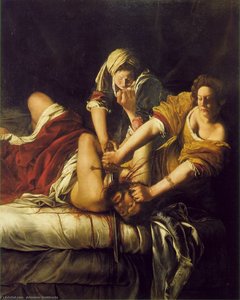
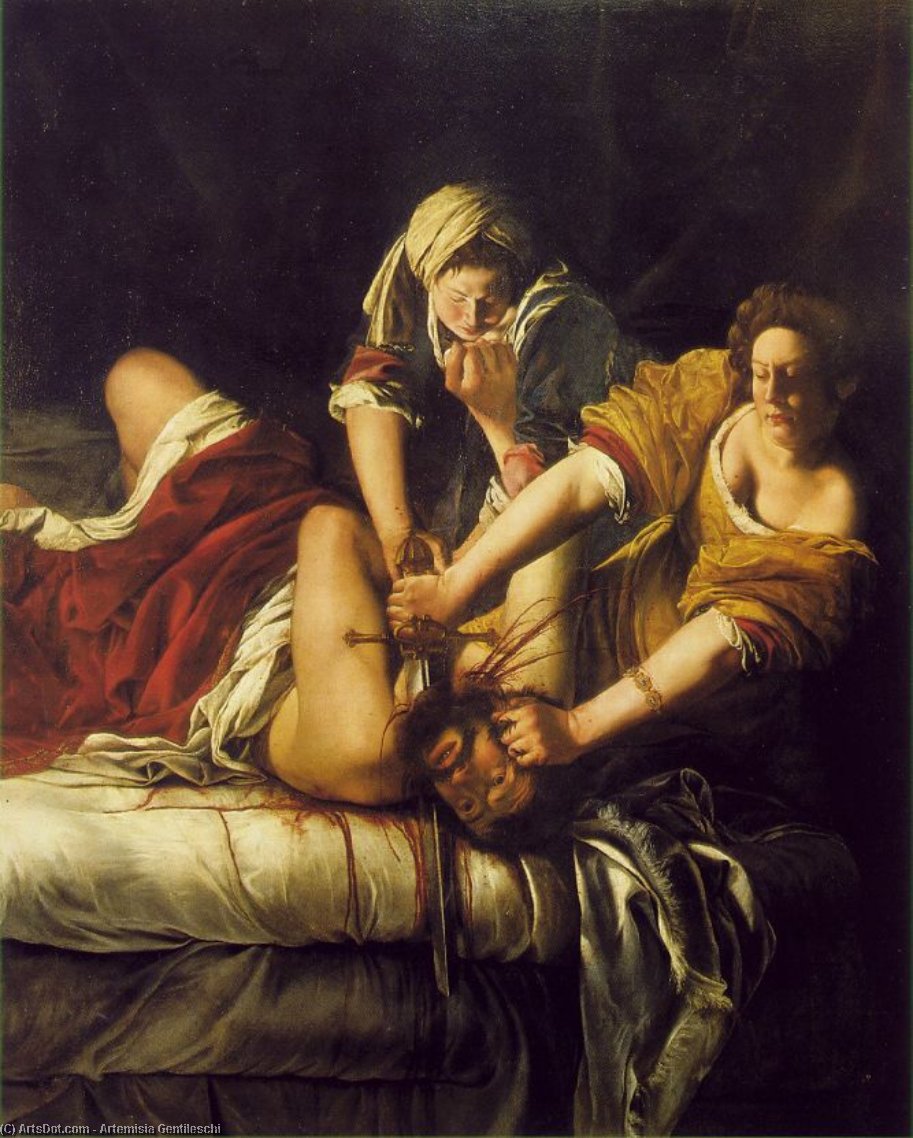
Ponořte se do hlubin lidské odvahy a odhodlání s obrazem Artemisie Gentileschi, “Judita zneškodňující Holoferna” (1620). Toto mistrovské dílo barokní malby není pouhým biblickým příběhem; je to syrové, nekompromisní zobrazení ženské síly a spravedlivé pomsty. Gentileschi se nebála zobrazit násilí v jeho plné krutosti, čímž vytvořila dílo, které i po staletích dokáže silně zasáhnout diváka.
Biblický příběh v novém světle
Obraz zachycuje klíčový moment z Knihy Judity – statečné činy židovské vdovy, která zachránila svůj lid tím, že zavraždila asyrského generála Holoferna. Na rozdíl od dřívějších interpretací, které často změkčovaly násilí, Gentileschi prezentuje brutálně realistickou scénu. Jsme svědky samotného činu – nikoli jeho následků – s Holofernem zápasícím v agónii, zatímco Judita neochvějně plní svou misi za pomoci své věrné služebnice Abry. Tato přímočarost byla pro tehdejší dobu revoluční a dodnes rezonuje silnou emotivností.
Technika baroka a umělecká inovace
Obraz je mistrovsky proveden olejomalbou, která dokonale demonstruje charakteristické rysy barokního stylu. Dramatické chiaroscuro – ostrý kontrast mezi světlem a stínem – zesiluje emocionální dopad, osvětluje Juditin odhodlaný obličej a detailní zobrazení násilí. Dynamická diagonální kompozice, vytvořená tělem Holoferna a Juditinou paží s mečem, vytváří pocit pohybu a nestability, vtahující diváka přímo do děje. Všimněte si bohatých textur – od hladké pokožky po pomačkané prostěradla skvrněné krví – dosažené viditelnými tahy štětce, které dodávají hloubku a realističnost.
Historický kontext a dědictví Artemisie Gentileschi
Artemisia Gentileschi byla průkopnická umělkyně v mužsky dominovaném světě. Její osobní zkušenosti, včetně přežití sexuálního útoku, jsou často interpretovány jako inspirace pro silné zobrazení ženské síly v jejích dílech. “Judita zneškodňující Holoferna” je často považována za výraz oprávněného hněvu a snahy žen o získání kontroly nad vlastním osudem. Její schopnost vstoupit do florentské Akademie umění del Disegno byla sama o sobě pozoruhodným úspěchem, který připravil cestu budoucím generacím ženských umělkyň.
Symbolika a emocionální rezonance
Kromě narativu je obraz bohatý na symboliku. Judita ztělesňuje odvahu, víru a odpor proti útlaku. Holofernes představuje tyranii a hrozbu pro její lid. Samotný čin symbolizuje osvobození a vítězství dobra nad zlem. Emocionální dopad je nepopiratelný – složitá směs hrůzy, odpudění a nakonec pocitu katarze. Gentileschi se nebojí zobrazit brutalitu násilí, což nutí diváky konfrontovat jeho realitu.
Přineste si barokní drama do svého prostoru
Kvalitní reprodukce “Judity zneškodňující Holoferna” je výrazným prvkem, který zaujme a vyvolá diskusi. Její dramatická kompozice a bohatá barevná paleta se hodí k různým interiérovým stylům, od tradičních po moderní. Toto umělecké dílo dodává hloubku, sofistikovanost a silný historický příběh každé místnosti a slouží jako neustálá připomínka ženské síly a umělecké inovace.
Biografie umělce
A Daughter of Rome: The Life and Art of Artemisia Gentileschi
Artemisia Gentileschi’s name echoes through the halls of art history, resonating not simply as that of a painter, but as an emblem of resilience, defiance, and extraordinary artistic talent in a world determined to silence female voices. Born in Rome in 1593, she entered a milieu steeped in artistry—her father, Orazio Gentileschi, was a respected painter deeply influenced by the revolutionary realism of Caravaggio. From her earliest years, Artemisia’s gift was undeniable, nurtured within her father's workshop where she absorbed techniques of composition and the dramatic use of light and shadow that would become hallmarks of her distinctive style. This formative training wasn’t merely about mastering brushstrokes; it was an immersion into a world of artistic ambition, one typically closed to women. Recognizing his daughter’s exceptional talent, Orazio provided opportunities unavailable to most females of the era, allowing her to study from life models—a crucial step in developing anatomical accuracy and expressive power.Shadows and Strength: Artistic Development
Gentileschi's artistic development was profoundly shaped by Caravaggio’s tenebrism—the stark contrast between light and darkness that imbued his paintings with an intense emotionality. Yet, she didn’t simply mimic her father or Caravaggio; she forged her own unique voice, characterized by a raw psychological depth and a compelling focus on female subjects often depicted with unprecedented agency and strength. Even in her early works, like *Susanna and the Elders* (1610), a biblical scene depicting Susanna being spied upon by two lecherous old men, Artemisia’s interpretation diverges from traditional portrayals. Here, Susanna isn't passively vulnerable; she displays a quiet dignity and resistance, foreshadowing the powerful female figures that would dominate her later oeuvre. But it is *Judith Slaying Holofernes* (existing in multiple versions between 1614-1620) that cemented her reputation as a master of dramatic narrative and psychological realism. The painting isn’t merely a depiction of violence; it's an exploration of courage, determination, and the righteous fury of a woman defending her people. The visceral intensity, the unflinching portrayal of the act itself, shocked and captivated audiences then—and continues to do so today. Other notable works like *Judith and her Maidservant* (1625) and *Danaë* (c. 1636-1639) further demonstrate her evolving style, showcasing both vulnerability and power in her female protagonists. Her ability to render flesh with such realism, combined with a masterful use of chiaroscuro, created scenes that were both terrifying and deeply moving.A Trial by Fire: Trauma and Triumph
Artemisia’s life was irrevocably altered by a horrific event: her rape at the hands of Agostino Tassi, a fellow painter and colleague of her father. The ensuing trial (1611-1612) became a public spectacle, subjecting Artemisia to grueling questioning and societal scrutiny. While she bravely testified against Tassi, the proceedings were marred by bias and attempts to discredit her character. This trauma profoundly impacted her life and art, imbuing her work with an emotional intensity that some scholars believe is directly linked to her personal experiences. The trial itself became a symbol of the challenges faced by women seeking justice in a patriarchal society. Despite this ordeal, Artemisia refused to be defined by it. She continued to paint, moving between Rome, Florence, and Naples, establishing herself as a successful artist in her own right. In 1616, she achieved another milestone: becoming the first woman admitted to the Accademia di Arte del Disegno in Florence—a testament to her talent and perseverance. This achievement was not merely symbolic; it opened doors for future generations of female artists.Key Works
- Judith Slaying Holofernes (1614-1620): Perhaps her most famous work, showcasing dramatic realism and female empowerment.
- Susanna and the Elders (1610): An early masterpiece demonstrating her unique interpretation of a classic biblical scene.
- Judith and Her Maidservant (1625): A compelling portrayal of female solidarity and strength after a violent act.
- Danaë (c. 1636-1639): A sensual and psychologically complex depiction of the mythological figure.
Legacy of a Pioneer
Artemisia Gentileschi’s career spanned decades, marked by both artistic innovation and personal resilience. She worked for prominent patrons, including the Medici family, and established a thriving workshop, proving that women could not only excel as artists but also succeed in a traditionally male-dominated profession. For centuries, her work was often overshadowed by the circumstances of her life, viewed through the lens of scandal rather than artistic merit. However, beginning in the 20th century, there has been a significant reevaluation of her art, recognizing her as one of the most important and innovative painters of the Baroque period. Her paintings are now celebrated for their emotional depth, dramatic realism, and powerful depictions of women—not as passive objects but as active agents in their own narratives. Artemisia Gentileschi is more than just an artist; she’s a feminist icon, a trailblazer who defied societal expectations and left behind a legacy that continues to inspire generations. Her story serves as a potent reminder of the importance of recognizing and celebrating the contributions of women throughout history—and of ensuring that their voices are never silenced again. She painted not just with her hands, but with her soul.
Artemisia Gentileschiová
1593 - 1656 , Itálie
Rychlé fakta
- Artistic Movement Or Style: Barokní malířství
- Artists Or Movements Influenced By This Artist: ['Feminist art']
- Artists Who Influenced This Artist:
- Caravaggio
- Orazio Gentileschi
- Date Of Birth: 8. července 1593
- Date Of Death: asi 1656
- Full Name: Artemisia Lomi Gentileschi
- Nationality: Italská
- Notable Artworks:
- Judita Holoferna
- Zuzana a staříci
- Júdita zabíjí Holoferna
- Place Of Birth: Řím, Itálie
Související články

Barokní mistrovská díla: 10 obrazů, které definovaly umělecký styl | OriginalUniqueArt.cz
Objevte 10 ikonických děl barokního umění – od Caravaggia po Rembrandta. Ponořte se do příběhů mistrů, technik a emocí tohoto velkolepého období. Reprodukce obrazů nejvyšší kvality na OriginalUniqueArt.com! Prozkoumejte celou kolekci online.
Vzestup ženských umělců: Nové perspektivy a narušení tradičních struktur
Prozkoumejte vzestup ženských umělkyň a jejich vliv na současné umění. Objevte nové perspektivy, feministickou estetiku a investiční příležitosti. Kvalitní analýzy a odborné pohledy.
Barokní malba: 10 mistrovských děl, které definovaly éru | OriginalUniqueArt.cz
Prozkoumejte 10 ikonických děl barokní malby – od Rembrandta po Caravaggia. Objevte příběhy mistrů, techniky a dramatickou krásu tohoto uměleckého období. Reprodukce obrazů nejvyšší kvality na OriginalUniqueArt.cz! Prohlédněte si celou kolekci online.
Umění 17. století: Top 10 děl a jejich příběhy | OriginalUniqueArt.cz
Prozkoumejte 10 ikonických děl umění 17. století – od Rembrandta po Vermeera! Objevte příběhy, techniky a barokní krásu těchto mistrovských kousků. Reprodukce obrazů nejvyšší kvality na OriginalUniqueArt.com.

Theatricality & Triumph: Baroque Drama in Painting & Sculpture
Explore the dramatic world of Baroque art! Discover its history, defining characteristics, & lasting influence on painting & sculpture. Expert insights into Caravaggio, Zurbarán, and Bernini – plus high-quality reproductions at OriginalUniqueArt.