

 Náhled v interiéru
 Sdílet
 Sdílet
 Podrobnosti o díle
 Průvodce

 Stáhnout
 Podobné položky
 Rentgenové snímky
 Slideshow
 Statistiky
Venus with a Satyr and Cupids
 Oil On Canvas
- WallArt
- Baroque
 1588
1588 112.0 x 142.0 cm
 Galleria degli Uffizi
 Zobrazit více
Ručně malovaná olejová reprodukce
Rukou malované olejné plátno v libovolném rozměru i s rámem, vyrobené našimi umělci na zakázku. ( Přepnout na tisk Přepnout na digitální obraz)




P118B Kč10

P118H Kč10

P118W Kč10

P438Z Kč10

P508JH Kč12

P508YH Kč12

P805H Kč10

P805Z Kč10

P919BZ Kč10

P919G Kč10

P919XJ Kč10

P959ZH Kč10

P968JZ Kč12

W106C Kč8

W218G Kč10

W218JH Kč8

W218Y Kč10

W307PJ Kč10

W316G Kč10

W316PJ Kč8

W316Y Kč10

W398PJ Kč8

W4111J Kč10

W500HY Kč15

W500JH Kč15

W692G Kč12

W849H Kč8

W940BG Kč15

W953PJ Kč8




Vyberte si z našich přednastavených velikostí, které odpovídají původním proporcím díla.

Zadejte šířku a výšku, které potřebujete pro váš rám nebo stěnu. Protože se jedná o ruční malbu, při výběru jiného formátu může umělec kolem obrazu domalovat o něco více, nebo jej mírně oříznout — rozhodnete si vy. Před zahájením malby vám zašleme digitální náhled ke schválení. Obraz zobrazený na této stránce neodpovídá skutečnému výsledku — pouze digitální náhled jej zobrazuje.
Po přijetí objednávky vám tým OriginalUniqueArt.com zašle e-mail s pokyny a poskytne náhledovou verzi.
Celosvětová doprava () za 3–4 týdny namísto standardních 5 týdnů. (27 říjen). Bez kompromisů v kvalitě.

Zdarma celosvětová expresní doprava

Vysoce kvalitní lněné plátno

Kompletní pojištění přepravy

Záruka vrácení celního poplatku

Záruka věrného barevného souladu

100dení lhůta pro vrácení zboží (pouze při vadách výroby)

100% záruka vrácení peněz

Sleva při více objednávkách
 Skleněná varianta je dostupná pouze u rozměrů menších než 110 cm

Venus with a Satyr and Cupids
Technika reprodukce
Rozměry reprodukce
-


Celková cena za vybrané možnosti reprodukcí
Kč 6435
A Moment of Sensual Grace: Annibale Carracci’s “Venus with a Satyr and Cupids”
Annibale Carracci's "Venus with a Satyr and Cupids," painted in 1588, is more than just a depiction of the Roman goddess; it’s a vibrant tableau of desire, playful conflict, and the delicate balance between earthly pleasure and divine grace. This masterpiece, now residing within the hallowed halls of the Uffizi Gallery in Florence, offers a captivating glimpse into the burgeoning artistic landscape of late Mannerism and the nascent Baroque period – a time when artists sought to recapture the grandeur and naturalism of the High Renaissance while forging their own distinctive paths. The painting immediately draws the eye with its rich palette: deep reds and browns dominate, punctuated by shimmering golds and the blush of Venus’s skin. These warm tones create an intimate atmosphere, suggesting a private chamber where earthly delights intertwine with mythological narratives. Carracci masterfully employs chiaroscuro – the dramatic contrast between light and shadow – to sculpt the figures, lending them a palpable sense of volume and presence. The loose brushstrokes, characteristic of his Venetian-influenced style, contribute to a dynamic energy that seems to pulse beneath the surface of the composition.The Dance of Desire: Symbolism and Narrative
At the heart of "Venus with a Satyr and Cupids" lies a complex interplay of symbolism. Venus, reclining languidly on her side, embodies not just beauty but also fertility, love, and even divine power. Her pose is deliberately sensual, yet there’s an underlying sense of composure – she isn't merely yielding to desire; she seems to be observing it with a knowing detachment. The satyr, a mischievous woodland creature associated with Dionysus, represents the untamed instincts of passion and earthly pleasure. His playful advance towards Venus is tempered by the presence of the two cupids, who engage in a spirited game of chase and pursuit. One cupid, poised on the left, reaches out to touch her thigh, while the other, darting from right to left, attempts to restrain him – a visual representation of the eternal struggle between impulse and restraint. The inclusion of a wine glass subtly hints at the setting: a private chamber where indulgence is celebrated. The overall narrative isn’t simply a depiction of lust; it's an exploration of the tensions inherent in human desire, framed within the context of classical mythology.A Venetian Influence: Technique and Artistic Innovation
Carracci’s style in “Venus with a Satyr and Cupids” reveals a significant shift from the rigid formality of earlier Mannerism towards the more naturalistic approach championed by Venetian painters like Titian and Veronese. He adopts their masterful use of color, particularly the vibrant reds and browns that create a rich, luminous effect. The painting’s composition is dynamic and asymmetrical, reflecting the influence of Venetian perspective – a technique that emphasized depth and spatial illusion. Carracci's loose brushwork, a hallmark of his style, contributes to a sense of movement and immediacy, as if capturing a fleeting moment in time. Notably, the painting demonstrates an early adoption of Baroque techniques, foreshadowing the dramatic lighting and theatrical compositions that would define the era. The careful attention to detail, particularly in rendering the textures of skin, drapery, and foliage, showcases Carracci’s technical skill and his commitment to creating a visually compelling work.A Legacy of Beauty: Historical Context and Artistic Significance
Painted during a period of intense artistic experimentation and intellectual ferment, “Venus with a Satyr and Cupids” reflects the broader cultural shifts taking place in Italy at the end of the 16th century. The rise of humanism had fueled a renewed interest in classical antiquity, inspiring artists to draw inspiration from Greek and Roman mythology. Carracci’s work exemplifies this trend, seamlessly blending mythological themes with contemporary sensibilities. The painting's journey through history – initially displayed in the Medici collections, covered for moral reasons during the 18th century, and finally rediscovered – adds another layer of intrigue to its story. It stands as a testament to the enduring power of art to captivate and inspire across generations. Today, it remains a pivotal work in Carracci’s oeuvre and a significant example of the transition from Mannerism to Baroque painting.Bringing the Masterpiece Home: Reproductions and Interior Design
The allure of “Venus with a Satyr and Cupids” extends far beyond the walls of the Uffizi Gallery, making it an ideal subject for high-quality reproductions. A hand-painted reproduction captures the richness of Carracci’s color palette, the dynamism of his brushwork, and the emotional intensity of the scene. When incorporated into a carefully curated interior space, this artwork can serve as a focal point, injecting a touch of classical elegance and sensual drama. Consider pairing it with warm earth tones, luxurious fabrics, and antique furnishings to create an atmosphere of refined indulgence. The painting’s themes of love, desire, and the interplay between earthly pleasure and divine grace resonate deeply, making it a timeless addition to any discerning collection or sophisticated home.Otázky a odpovědi
Působí barvy díla "Venus with a Satyr and Cupids" výrazně, nebo jemně?
„Venus with a Satyr and Cupids“ od Annibale Carracci má Balanced barevnou intenzitu.
Mohu si objednat olejnou reprodukci díla "Venus with a Satyr and Cupids"?
„Venus with a Satyr and Cupids“ je dostupná jako ručně malovaná olejová reprodukce na lněném plátně. Objednávku můžete zadat na její stránce Ručně malovaná reprodukce, kde si můžete vybrat z různých rozměrů.
Jaké jsou rozměry originálu „Venus with a Satyr and Cupids“?
Původní rozměry díla "Venus with a Satyr and Cupids" jsou 112 x 142 cm. Původní rozměry slouží jako užitečný vodítko při výběru velikosti reprodukce.
Biografie umělce
Early Life and the Bolognese Roots
Annibale Carracci, narozený v Bolgni v listopadu 3., 1560, pocházel z rodiny hluboce zakořeněné v umělecké tradici. Jeho rané vzdělání pravděpodobně probíhalo v péči svého rodinného ateliéru, kde položil základy kariéry, která by zásadně proměnila italskou malířskou krajinu. Bolgna v té době byla pulzující centrem intelektuálního a uměleckého rozmachu, přesto se cítila poněkud vzdálená od dominantních proudů vycházejících z Říma a Benátkek. Tento pocit provinčníhoství poháněl touhu po nových cestách mezi skupinou mladých umělců – Annibalem, jeho bratrem Agostinem a příbuzným Ludovicem – aby vytvořili nový směr, který by obohatil italské umění tím, že se opíral o mistrovské díla Vysokého Renesansu, zatímco zároveň přijímal naturalistický přístup.
V roce 1582 se tato ambice naplnila založením *Accademia degli Incamminati*, původně známé jako Academia Desiderosi. Nebyla to pouhý ateliér; byla to pece pro uměleckou inovaci, prostor věnovaný důkladnému životnímu kreslení, vášnivým debatám a společné snaze o uměleckou excelenci. Jméno akademie – „Progressives“ – symbolizovalo jejich záměr: posunout se nad stylistickou složitostí Manýrismu a vytyčit nový směr k formě výrazu založené na hlubším emocionálním zájmu. Incamminati se stali vzorem pro umělecké akademie po celé Evropě, zdůrazňující pozorování z reálného života jako základ uměleckého tréninku.
A Synthesis of Styles and Influences
Umělecké vize Carracci nebyly vytvořeny z ničeho nic; byly pečlivě promyšleny prostřednictvím hlubokého zapojení do dědictví minulých mistrů. Vlastnil mimořádnou schopnost syntetizovat různé vlivy, vytvářel styl, který byl zároveň hluboce zakořeněn v tradici a překvapivě originální. Obdivoval jasné linie a kompoziční rovnováhu nalezené ve dílech Rafaela a Andrée del Sartoa, snažil se napodobit jejich grácii a harmonii. Ale také si uvědomil sílu barev a atmosférických efektů propagovaných benátскими malíři, jako například Titianem, a obohatil tak své vlastní dílo o živoucí zářivost a emocionální hloubku.
Vliv Corregga byl zvláště hluboký, patrný v dynamických kompozicích Carracciho a iluzionistických technikách – zejména v freskách, které vytvořil v Palazzo Farnese. Nebyl to jen kopírování těchto mistrů; absorboval jejich silné stránky a spojil je do něčeho nového. Tento eklektický smíšek se stal charakteristickým rysem Bologňanské školy, významného odvětví barokního umění, které zdůrazňovalo jak klasické ideály, tak naturalistickou pozorování. Talent Carracci spočíval v jeho schopnosti harmonizovat zdánlivě rozporuplné prvky a vytvářet celkový obraz, který rezonoval jak intelektuální přesností, tak emocionálním zájmem.
The Roman Triumph: Palazzo Farnese and Beyond
Pozvání k dekoraci Palazzo Farnese v Římě představovalo klíčový okamžik v kariéře Annibale Carracci. Tato monumentální zakázka – rozsáhlý freskový cyklus zobrazující scény z mytologie – mu poskytla bezprecedentní příležitost ukázat své umělecké schopnosti a upevnit svou pověst na velkém měřítku. *Triumph of Bacchus and Ariadne*, pravděpodobně jeho mistrovské dílo, je dechberoucí ukázka iluzionistické techniky, dynamické kompozice a živých barev. Fresky se zdají rozpouštět hranice mezi malířstvím a realitou, vtahují diváka do světa mytologického rozmachu.
Vedle *Triumph* Carracci také realizoval *The Loves of the Gods* v Palazzo Farnese, dále prozkoumával témata mytologie a lásky s kombinací klasické idealizace a ostrého pozorování. Tato díla nebyla jen dekorativní; byly prohlášením o síle umění k podpoření lidského ducha a oslavě krásy přírodního světa. Jeho úspěch v Římě upevnil jeho pozici mezi nejvýznamnějšími umělci své doby, přilákal proud zakázek a ovlivnil generace malířů.
Legacy and Historical Significance
Dopad Annibale Carracci na historii umění je nezměřitelný. Hrál klíčovou roli při překlenutí mezery mezi Vysokým Renesancem a barokovým obdobím, posouval se od stylistické složitosti Manýrismu k dynamičtějšímu, emocionálně nabitému estetice. Jeho zdůrazňování naturalismu – zobrazování postav s anatomickou přesností a psychologickou hloubkou – položil základy pro umělce jako Caravaggio, kteří dále revolucionalizovali italské malířství svými dramatickými efekty světla a stínu.
Accademia degli Incamminati, založená Carracciho a jeho spolupracovníky, sloužila vzorem pro umělecké akademie po celé Evropě, propagovala umělecký trénink založený na pozorování a klasických principech. Jeho fresky v Palazzo Farnese zůstávají ikonickými příklady barokního iluzionismu a uměleckého rozmachu, které i nadále inspirují úžas a obdiv po staletí. Kolektivní dědictví Carracciho rodiny – Annibale, Agostina a Ludovica – je hrdým projevem inovace a trvalého vlivu, který Bolgna stanovil jako významrce umělecké kreativity.
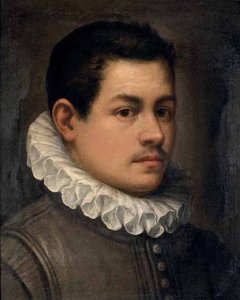
Annibale Carracci
1560 - 1609 , Itálie
Rychlé informace o umělci
- Artistic Movement Or Style: Baroko, Bolognese škola
- Artists Or Movements Influenced By This Artist:
- Caravaggio
- Mannerismus
- Artists Who Influenced This Artist:
- Rafaél
- Andrea del Sarto
- Date Of Birth: 3. listopadu 1560
- Date Of Death: 15. července 1609
- Full Name: Annibale Carracci
- Nationality: Italanský
- Notable Artworks:
- Triumph Bacchus
- Lásky bohů
- Place Of Birth: Bologna, Itálie
Související články

Italian Baroque Unlocked: High-Drama Art That Hits Hard
Dive into the high-drama world of Italian Baroque art. Discover how chiaroscuro, intense emotion, and theatrical lighting redefined aesthetics. Explore the visceral power of the Counter-Reformation through a modern lens with expert insights from OriginalUniqueArt.com.
Simon Vouet: A Baroque Master's Journey from Italian Influence to French Classicism
Explore the life & art of Simon Vouet, a pivotal French Baroque painter who introduced Italian styles to France. Discover his masterpieces and lasting influence on 17th-century art.
Annibale Carracci: Bridging Renaissance Ideals & Baroque Innovation
Explore the life & art of Annibale Carracci, a pivotal figure bridging Renaissance ideals with Baroque innovation. Discover his masterpieces and lasting influence on Italian painting.

Barokní drama: Umění, které vnáší velkolepost do domova
Objevte velkolepost barokního stylu v interiéru! Průvodce klíčovými prvky, inspirace a tipy pro integraci do moderního bydlení. Reprodukce umění s .

Barokní mistrovská díla: 10 obrazů, které definovaly umělecký styl | OriginalUniqueArt.cz
Objevte 10 ikonických děl barokního umění – od Caravaggia po Rembrandta. Ponořte se do příběhů mistrů, technik a emocí tohoto velkolepého období. Reprodukce obrazů nejvyšší kvality na OriginalUniqueArt.com! Prozkoumejte celou kolekci online.


