
 Náhled
 Sdílet
 Sdílet
 Podrobnosti o díle

 Stáhnout
 Podobné položky
 Rentgenové snímky
 Slideshow
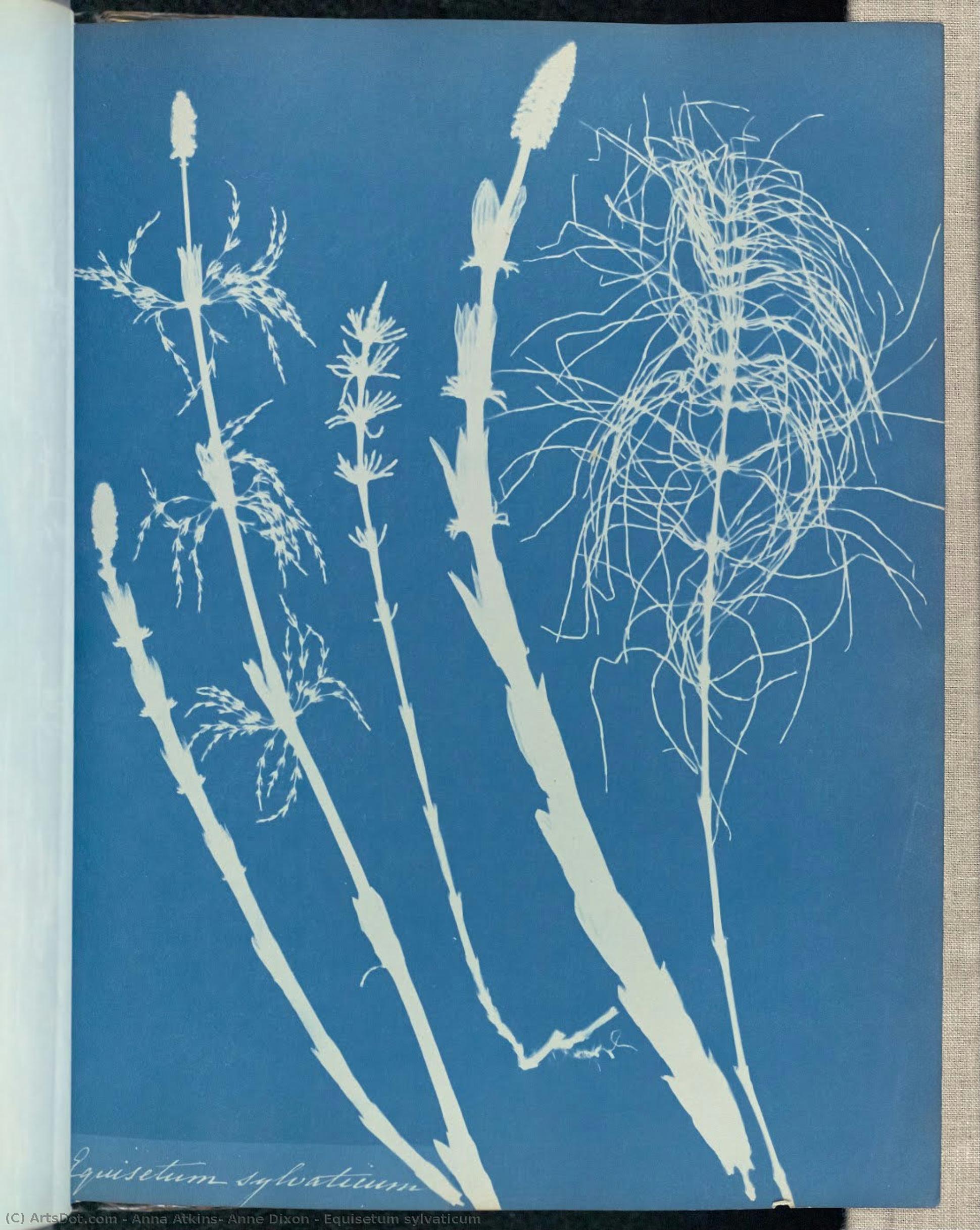
Equisetum sylvaticum
 Acrylic On Canvas
- WallArt
- Botanical Illustration Photography
 1853
1853 25.0 x 19.0 cm
 Muzeum J. Paula Gettyho
 Zobrazit více
Ručně malovaná olejová reprodukce
Ručně malovaná olejná barva na plátně ve vašem zvoleném rozměru i s rámem, vyrobená našimi umělci na zakázku. ( Koupit tisk Koupit obrázek)




P118B $10

P118H $10

P118W $10

P438Z $10

P508JH $12

P508YH $12

P805H $10

P805Z $10

P919BZ $10

P919G $10

P919XJ $10

P959ZH $10

P968JZ $12

W106C $8

W218G $10

W218JH $8

W218Y $10

W307PJ $10

W316G $10

W316PJ $8

W316Y $10

W398PJ $8

W4111J $10

W500HY $15

W500JH $15

W692G $12

W849H $8

W940BG $15

W953PJ $8




Vyberte si z našich přednastavených velikostí, které odpovídají původním proporcím díla.

Můžete zadat vlastní rozměry pro konkrétní rám nebo prostor. Pokud se vámi vybraná velikost neshoduje s proporcemi původního obrazu, dílo buď ořízneme, nebo jej doplníme ručně malovanými prvky. Před zahájením výroby vám bude zaslán digitální náhled ke schválení.
Upozorňujeme, že náhled na obrazovce neodpovídá skutečnému ořezu ani rozšíření. Pouze digitální náhled přesně zobrazí finální kompozici.
Ačkoliv je možné zvolit vlastní velikost, pro zachování původních proporcí doporučujeme vybrat rozměr z předdefinovaného seznamu.
Po přijetí objednávky vám tým OriginalUniqueArt.com zašle e-mail s pokyny a poskytne náhledovou verzi.
Celosvětová doprava () za 3–4 týdny namísto standardních 5 týdnů. (21 srpen). Bez kompromisů v kvalitě.

Zdarma celosvětová expresní doprava

Vysoce kvalitní lněné plátno

Kompletní přepravní pojištění

Záruka vrácení celního poplatku

Záruka přesného barevného shodu

60denní lhůta pro vrácení zboží (pouze při vadách výroby)

100% garance vrácení peněz

Sleva při hromadné objednávce
 Skleněná varianta je dostupná pouze u rozměrů menších než 110 cm

Equisetum sylvaticum
Technika reprodukce
Rozměry reprodukce
-


Celková cena za výběr
$ 300
Popis díla
Equisetum sylvaticum: A Pioneer's Vision of Botanical Photography
The artwork "Equisetum sylvaticum," meticulously reproduced in 25 x 19 cm, stands as a testament to the extraordinary foresight of Anna Atkins and Anne Dixon—a duo who irrevocably altered the landscape of scientific illustration. Originating from Cyanotypes of British and Foreign Ferns, published in 1853, this photogenic drawing isn’t merely a depiction of a plant specimen; it's an embodiment of Victorian intellectual curiosity and a daring experiment at bridging the gap between art and science.
- Subject Matter: The image focuses on *Equisetum sylvaticum*, commonly known as horsetail—a resilient herbaceous perennial found throughout Europe. Dixon’s careful observation captures various stages of growth, from a densely packed staff to a branching structure adorned with delicate blossoms.
- Style & Technique: Atkins and Dixon employed cyanotype printing, a revolutionary photographic process pioneered by John Herschel. This technique utilized ferric ammonium citrate and potassium ferrocyanide to sensitize paper—creating an emulsion that reacted to ultraviolet light during exposure. Subsequent washing revealed the image in striking shades of blue, resulting in a negative print that defied conventional artistic conventions.
- Historical Context: Published amidst the burgeoning field of botanical illustration, Cyanotypes of British Ferns represented a significant advancement over traditional watercolor renderings. It was among the first books to showcase photographs alongside detailed botanical drawings—establishing a precedent for multidisciplinary scientific exploration.
The cyanotype process itself speaks volumes about the era’s scientific ethos. By harnessing sunlight as an agent of transformation, Atkins and Dixon mirrored the broader Victorian fascination with natural phenomena and the pursuit of empirical knowledge. The resulting image—a ghostly representation of the horsetail plant—captures not only its physical form but also the spirit of innovation that characterized this pivotal moment in artistic history.
- Symbolism: Horsetail, often associated with resilience and endurance, symbolizes perseverance amidst adversity—themes deeply ingrained in Victorian culture. Its branching structure mirrors the interconnectedness of biological systems and underscores the importance of meticulous observation in unraveling nature’s mysteries.
“Equisetum sylvaticum” transcends its botanical subject matter to become a symbol of intellectual daring and artistic collaboration—a legacy that continues to inspire artists and collectors alike. Its reproduction offers an unparalleled opportunity to appreciate the beauty of Victorian scientific illustration while honoring the pioneering spirit of Anna Atkins and Anne Dixon.
Artist Information: Anna Atkins (1799 - 1871): A British botanist whose groundbreaking cyanotype impressions of algae and ferns cemented her place as a visionary figure in early photographic botany. Her unwavering dedication to scientific inquiry paved the way for innovative artistic endeavors. Additional Research:- Explore the Getty Museum’s collection: Cyanotypes of British Ferns – Witness firsthand the impact of Atkins and Dixon's pioneering technique.
Discover more about Anna Atkins’ life and work on Google Arts & Culture – Immerse yourself in the rich tapestry of Victorian scientific artistry.
Související články
The Flourishing Canvas: A Historical & Artistic Exploration of Botanical Illustration
Explore the rich history of botanical illustration! Discover key artists like Havell & Barraband, learn about scientific accuracy & aesthetic beauty. Shop museum-quality reproductions at OriginalUniqueArt.

Victorian Botanical Painting: Science, Art & Aesthetic Sensibility
Explore the exquisite world of Victorian botanical art! Discover the science & artistry behind stunning floral illustrations by Gould, Muckley & more. Learn about collecting, value & investment at OriginalUniqueArt.
The Flourishing Canvas: A Historical Journey Through Botanical Illustration
Explore the captivating history of botanical illustration! Discover renowned artists like Robert Havell & Mary Walcott, learn about techniques, and find museum-quality art at OriginalUniqueArt.com.

The Flourishing Canvas: A Historical Journey Through Botanical Illustration
Explore the captivating history of botanical illustration! Discover renowned artists like Robert Havell & Mary Walcott, learn about techniques, and find museum-quality art at OriginalUniqueArt.com.
Giclée Prints: Archival Quality & Aesthetic Nuances for the Discerning Collector
Explore the world of giclée prints with OriginalUniqueArt. Learn about archival quality, aesthetic nuances & investment potential. Expert guidance for discerning art collectors seeking museum-quality reproductions and lasting value.

