

 Zobrazit v interiéru
 Odeslat
 Sdílet
 Podrobnosti
 Průvodce

 Stáhnout obrázek
 Podobné kousky
 Rentgenové snímky
 Slideshow
 Statistiky
Sts Michael and John Gualbert
 Acrylic On Canvas
- WallArt
- Mannerism
 1528
1528 184.0 x 172.0 cm
 Galleria degli Uffizi
 Přečíst si více
Ručně malovaná olejová reprodukce
Ručně malované olejné plátno v libovolném rozměru i s rámem, vyrobené našimi umělci na zakázku. ( Přepnout na tiskové verze Přepnout na digitální verzi obrazu)




P118B $10

P118H $10

P118W $10

P438Z $10

P508JH $12

P508YH $12

P805H $10

P805Z $10

P919BZ $10

P919G $10

P919XJ $10

P959ZH $10

P968JZ $12

W106C $8

W218G $10

W218JH $8

W218Y $10

W307PJ $10

W316G $10

W316PJ $8

W316Y $10

W398PJ $8

W4111J $10

W500HY $15

W500JH $15

W692G $12

W849H $8

W940BG $15

W953PJ $8




Vyberte si z našich přednastavených velikostí, které odpovídají původním proporcím díla.

Můžete zadat vlastní rozměry pro konkrétní rám nebo prostor. Pokud se vámi vybraná velikost neshoduje s proporcemi původního obrazu, dílo buď ořízneme, nebo jej doplníme ručně malovanými prvky. Před zahájením výroby vám bude zaslán digitální náhled ke schválení.
Upozorňujeme, že náhled na obrazovce neodpovídá skutečnému ořezu ani rozšíření. Pouze digitální náhled přesně zobrazí finální kompozici.
Ačkoliv je možné zvolit vlastní velikost, pro zachování původních proporcí doporučujeme vybrat rozměr z předdefinovaného seznamu.
Po přijetí objednávky vám tým OriginalUniqueArt.com zašle e-mail s pokyny a poskytne náhledovou verzi.
Celosvětová doprava () za 3–4 týdny namísto standardních 5 týdnů. (20 září). Bez kompromisů v kvalitě.

Zdarma celosvětová expresní doprava

Vysoce kvalitní lněné plátno

Úplné pojištění přepravy

Záruka vrácení celního poplatku

Záruka věrného barevného shodu

100dení lhůta pro vrácení zboží (pouze při vadách výroby)

100% garance vrácení peněz

Sleva při více objednávkách
 Skleněná varianta je dostupná pouze u rozměrů menších než 110 cm

Sts Michael and John Gualbert
Technika provedení
Velikost reprodukce
-


Celková cena
$ 300
A Renaissance Dialogue in Paint: Exploring Andrea del Sarto’s “Sts Michael and John Gualbert”
Andrea del Sarto's 1528 fresco, "Sts Michael and John Gualbert," residing within the Vallombrosa Altarpiece, is more than just a devotional image; it’s a carefully constructed dialogue between figures, a testament to the artist’s mastery of color and composition, and a window into the intellectual currents of the High Renaissance. The painting depicts two prominent saints – Michael the Archangel, a symbol of divine justice and protection, and John Gualbert, the founder of the Vallombrosan order, known for his asceticism and devotion – standing in contemplative communion. Their posture, almost identical, suggests a shared understanding, a silent exchange of wisdom and faith that transcends mere representation.
Del Sarto’s genius lies not simply in replicating biblical figures but in imbuing them with a palpable sense of humanity. The saints are rendered with an understated elegance; their faces possess a quiet dignity, hinting at the weight of spiritual experience. Notice the subtle play of light and shadow across their garments – a hallmark of del Sarto’s technique—that creates a remarkable illusion of volume and texture. The use of grisaille, a monochrome fresco painting technique, is particularly evident here, contributing to the painting's solemn atmosphere and emphasizing the figures’ spiritual essence rather than opulent detail.
The Context of Vallombrosa: A Monastic Commission
Understanding the context of this work is crucial. The altarpiece was commissioned for the Romitorio delle Celle, a remote monastery founded by St. John Gualbert in the hills near Florence. This austere environment profoundly shaped the painting’s character. The Vallombrosan order emphasized simplicity, contemplation, and a direct relationship with God – values reflected in the restrained elegance of “Sts Michael and John Gualbert.” The monks themselves were known for their devotion to St. Bernard of Clairvaux, whose teachings heavily influenced Gualbert's own spiritual path. The painting therefore serves as both a visual tribute to these figures and an embodiment of the monastic order’s core beliefs.
Furthermore, the fresco was part of a larger narrative cycle depicting various saints and biblical scenes. The composition of “Sts Michael and John Gualbert” is deliberately integrated into this broader scheme, creating a harmonious visual dialogue between different figures and stories. The placement within the altarpiece’s overall design underscores its importance as a central element in conveying the monastery's spiritual message.
Symbolism and Spiritual Resonance
Beyond their individual identities, Michael and Gualbert carry significant symbolic weight. Michael, with his radiant halo and commanding presence, represents divine authority and protection – a guardian against earthly temptations. His outstretched hand suggests both judgment and guidance, while his gaze is directed towards the viewer, inviting contemplation. John Gualbert, in contrast, embodies humility and self-denial. His simple robes and downcast eyes reflect his dedication to monastic life and his unwavering faith. The two figures’ clasped hands symbolize their shared commitment to spiritual values and their mutual support on a similar path.
The background, subtly rendered with an angelic figure, reinforces the painting's themes of divine grace and heavenly protection. It’s not a dramatic or overwhelming scene; rather, it provides a serene backdrop for the saints’ quiet communion, emphasizing the importance of inner devotion over outward spectacle.
A Legacy of Color and Composition
“Sts Michael and John Gualbert” stands as a remarkable achievement in Renaissance art. Del Sarto's masterful use of color—particularly his subtle gradations of tone—creates a sense of depth and realism that was revolutionary for its time. The composition, with its balanced arrangement of figures and the careful consideration of spatial relationships, is both harmonious and dynamic. The painting’s enduring appeal lies in its ability to evoke a profound sense of spirituality and contemplation – a testament to del Sarto's artistic genius and his deep understanding of human nature.
Biografie umělce
Early Life and Training
Andrea del Sarto, známý jako Andrea d'Agnolo di Francesco di Luca, se narodil 16. července 1486 v Gualfonda poblíž Florencie. Jeho rané roky byly spojeny s prací jeho otce, řezníka, a následně byl učničen pod zkušeným zlatníkem a dřevorubcem Gian Barilem. Později pracoval u Piera di Cosima a Raffaellino del Garba, což mu umožnilo získat základní znalosti o technice malování a sochařství. Tyto rané zkušenosti ovlivnily jeho pozdější styl a přístup k umění.Artistic Career and Notable Works
Andrea se stal součástí skupiny arte dei medici e degli speziali v roce 1508, což mu poskytlo příležitost pracovat s dalšími talentovanými umělci a rozvíjet své schopnosti. Jeho nejvýznamnější dílem je freska *Poslední večeře*, která byla namalována pro klášter Servi di Maria v Florencii. Tato práce, charakteristická svým harmonickým uspořádáním a realistickou reprezentací postav, ukazuje jeho schopnost kombinovat prvky renesanční elegance s novými, expresivními technikami. Dalším důležitým dílem je *Rodina svatého Františka*, namalovaná pro kapli v rodinné vile Strozzů v Římě, která se nyní nachází v národních galeriích v Římě. Jeho práce zahrnuje i série fresk zobrazujících život svatého Filipa Benizzi, které zdobí loggiu dei servi di Maria a demonstrují jeho rané dovednosti v monochromní grisaille.Influence and Legacy
Přestože byl často přehlíženými svými contemporány, jako byli Leonardo da Vinci, Michelangelo a Raphael, Andrea del Sarto zanechal významný odkaz na italské umění. Jeho díla jsou charakterizována unikátním spojením renesančních ideálů s prvky manýrismu, což se projevuje v harmonických kompozicích, graciózních postavách a inovativním používáním barev. Jeho práce představují důležitou etapu přechodu od klasického renesansu k novým, experimentálním stylům. Andrea del Sarto byl mistrem v zachycení barvy a textury, což se projevuje zejména v jeho dílech s náboženskými motivy. Jeho umění je svědectvím o jeho talentu a schopnosti přenést do obrazu nejen vizuální krásu, ale i emoce a atmosféru.Key Characteristics and Techniques
Andrea del Sarto se proslavil především svým mistrovským používáním barev a světla. Jeho práce jsou charakteristické bohatou paletou odstínů a jemným stínováním, které vytváří dojem hloubky a realismu. Jeho technika *sfumato*, inspirovaná Leonardem da Vincim, se projevuje v rozmazaných hranicích a plynulém přechodu barev, což dodává jeho dílům jemnost a eleganci. Andrea del Sarto byl také uznávaným portrétistou, který dokázal zachytit osobnost a charakter svých modelů s mimořádnou přesností a citlivostí. Jeho umění je důkazem jeho talentu a schopnosti kombinovat různé techniky a styly do jedinečného a vysoce ceněného celku.
Andrea del Sarto
1486 - 1530 , Itálie
Rychlé informace
- Artistic Movement Or Style: Vysoký Renesan ces a Manýrismus
- Artists Or Movements Influenced By This Artist:
- Leonardo da Vinci
- Raffaello
- Artists Who Influenced This Artist:
- Gian Barile
- Piero di Cosimo
- Date Of Birth: 16. července 1486
- Date Of Death: 29. září 1530
- Full Name: Andrea d'Agnolo di Francesco di Luca
- Nationality: Italijský
- Notable Artworks:
- Poslední večeře
- Svatá rodina
- Život světce Jana
- Place Of Birth: Florence, Itálie
Související články
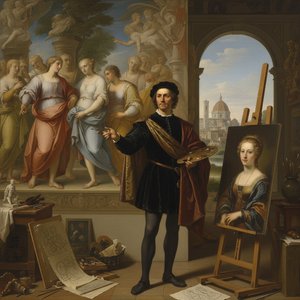
Andrea del Sarto: Florentine Grace, Technical Mastery & Artistic Ambition
Explore the life & art of Andrea del Sarto, a Florentine Renaissance master renowned for harmonious compositions & technical brilliance. Discover his frescoes, portraits, and lasting influence on art history.

Umění, které s vámi žije: Emocionální síla zakázkové interiérové fresky
Objevte sílu zakázkových fresky pro váš interiér. Historie, psychologie a moderní provedení od odborníků. Investice do umění s .

Freska jako rodinné dědictví: Zachovejte svůj původ v obrazech na stěnách
Objevte sílu fresek pro uchování rodinné historie! Kvalitní reprodukce a zakázková malba od . Inspirujte se historií umění a vytvořte jedinečný obraz vašeho původu.

The Enduring Legacy of Fresco: Technique, History & Artistic Expression Across Cultures
Explore the rich history & enduring legacy of fresco painting! Discover ancient techniques, Giotto's masterpieces, and modern applications. Expert insights for art lovers & professionals.

The Enduring Legacy of Fresco Painting: Techniques, History & Contemporary Relevance
Explore the rich history & enduring artistry of fresco painting – from Giotto to Michelangelo! Discover techniques, conservation efforts, & modern applications. Learn how OriginalUniqueArt brings this timeless art form to your home.