Náhled v interiéru
 Sdílet
 Sdílet
 Podrobnosti o díle
 Průvodce

 Stáhnout
 Podobné položky
 Rentgenové snímky
 Slideshow
 Statistiky
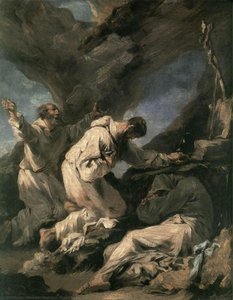
The Seashore
 Oil On Canvas
- WallArt
- Baroque
 1720
1720 158.0 x 211.0 cm
 Státní Ermitáž
 Zobrazit více
Ručně malovaná olejová reprodukce
Rukou malované olejné plátno v libovolném rozměru i s rámem, vyrobené našimi umělci na zakázku. ( Přepnout na tisk Přepnout na digitální obraz)




P118B Kč10

P118H Kč10

P118W Kč10

P438Z Kč10

P508JH Kč12

P508YH Kč12

P805H Kč10

P805Z Kč10

P919BZ Kč10

P919G Kč10

P919XJ Kč10

P959ZH Kč10

P968JZ Kč12

W106C Kč8

W218G Kč10

W218JH Kč8

W218Y Kč10

W307PJ Kč10

W316G Kč10

W316PJ Kč8

W316Y Kč10

W398PJ Kč8

W4111J Kč10

W500HY Kč15

W500JH Kč15

W692G Kč12

W849H Kč8

W940BG Kč15

W953PJ Kč8




Vyberte si z našich přednastavených velikostí, které odpovídají původním proporcím díla.

Zadejte šířku a výšku, které potřebujete pro váš rám nebo stěnu. Protože se jedná o ruční malbu, při výběru jiného formátu může umělec kolem obrazu domalovat o něco více, nebo jej mírně oříznout — rozhodnete si vy. Před zahájením malby vám zašleme digitální náhled ke schválení. Obraz zobrazený na této stránce neodpovídá skutečnému výsledku — pouze digitální náhled jej zobrazuje.
Po přijetí objednávky vám tým OriginalUniqueArt.com zašle e-mail s pokyny a poskytne náhledovou verzi.
Celosvětová doprava () za 3–4 týdny namísto standardních 5 týdnů. (28 říjen). Bez kompromisů v kvalitě.

Zdarma celosvětová expresní doprava

Vysoce kvalitní lněné plátno

Kompletní pojištění přepravy

Záruka vrácení celního poplatku

Záruka věrného barevného souladu

100dení lhůta pro vrácení zboží (pouze při vadách výroby)

100% záruka vrácení peněz

Sleva při více objednávkách
 Skleněná varianta je dostupná pouze u rozměrů menších než 110 cm

The Seashore
Technika reprodukce
Rozměry reprodukce
-


Celková cena za vybrané možnosti reprodukcí
Kč 6435
A Glimpse into the Soul of a Storm: Exploring Alessandro Magnasco’s “The Seashore”
Alessandro Magnasco's "The Seashore," painted in 1720, isn’t merely a depiction of a rugged coastline; it’s an immersion into a world steeped in melancholy and profound observation. More than just a landscape, this work is a carefully constructed tableau of human existence against the relentless power of nature – a testament to Magnasco's unique ability to capture not just what he saw, but the very *feeling* of being present within that scene. The painting immediately draws the viewer in with its dramatic chiaroscuro, where pools of dark shadow wrestle with bursts of light, creating an atmosphere thick with both foreboding and a strange, haunting beauty.
Magnasco’s style, particularly during this period, is often described as intensely personal and somewhat unsettling. He wasn't interested in idealized landscapes or heroic narratives; instead, he favored scenes of quiet desperation – solitary figures huddled against the elements, weathered buildings clinging precariously to cliffsides, and a pervasive sense of isolation. “The Seashore” embodies this perfectly. The small village nestled amongst the rocks isn’t a vibrant hub of activity, but rather a collection of humble dwellings, suggesting a life lived in close proximity to hardship and uncertainty. The artist masterfully uses color – predominantly earthy tones of ochre, brown, and slate gray – punctuated by the cool blues and greens of the sea – to evoke a sense of timelessness and quiet endurance.
Technical Mastery and the Language of Light
Examining Magnasco’s technique reveals a remarkable control over light and shadow. He employs a rapid, almost frenetic brushstroke, creating a dynamic surface that seems to shimmer with movement. The waves are not rendered as smooth, idealized forms; they crash against the rocks with an implied violence, their foam rendered in quick, broken strokes of white and gray. This technique isn’t simply about realism; it's about conveying *feeling* – the raw energy of the sea, the vulnerability of the coastline, and the precariousness of human existence within this vast landscape.
The composition itself is carefully considered. The diagonal thrust of the cliffs creates a sense of instability, while the small village provides a focal point for the eye, drawing us into the scene. Magnasco’s use of perspective is subtly distorted, adding to the painting's unsettling atmosphere and suggesting that we are not simply observing a landscape; we are being invited to step *into* it.
A Window into 18th-Century Genoa
Magnasco’s life was deeply intertwined with the artistic traditions of Genoa, where he was born and spent much of his career. His work reflects a fascination with the city's maritime history and its complex relationship with the sea – a source of both prosperity and peril. The painting can be interpreted as a meditation on this duality, capturing the beauty and danger inherent in the natural world. It’s also worth noting that Magnasco often depicted scenes of poverty and hardship, reflecting the social realities of his time.
Interestingly, Magnasco's work was initially met with mixed reactions. While some critics praised his innovative style and emotional intensity, others found it unsettling and unconventional. His tendency to portray subjects in a dark and ambiguous light – often depicting figures in states of vulnerability or despair – set him apart from the more conventional landscape painters of his era. Despite this initial resistance, Magnasco’s work gradually gained recognition for its originality and power.
Bringing “The Seashore” Home: A Reproduction to Cherish
Reproducing "The Seashore" in a high-quality oil painting captures the essence of Magnasco's vision. Each brushstroke, each subtle shift in color, is meticulously recreated, allowing you to experience the same sense of atmosphere and emotion that captivated viewers centuries ago. Whether displayed in a grand salon or a cozy study, this artwork will serve as a constant reminder of the beauty and fragility of the natural world – and the enduring power of human observation.
Otázky a odpovědi
Mohu si "The Seashore" prohlédnout podrobněji?
Dílo „The Seashore“ lze prohlížet vrstvu po vrstvě na stránce Rentgenové snímky, která funguje jako interaktivní prohlížeč inspirovaný světelnou lavicí restaurátora a nabízí jedenáct optických nálezů obrazu.
Kde mohu koupit print díla „The Seashore“ od Alessandro Magnasco?
Tisk díla „The Seashore“ od Alessandro Magnasco si můžete objednat přímo na jeho stránce Kvalitní umělecký tisk: umělecký tisk na bavlněném plátně nebo archivním plátnovém papíře.
Kolik lidí si prohlíží „The Seashore"?
Stránka Statistiky díla „The Seashore“ od Alessandro Magnasco zobrazuje statistiky veřejných návštěv: měsíční návštěvnost tohoto díla, srovnání s nejvíce prohlíženými díly daného umělce a původ jeho návštěvníků.
Biografie umělce
Alessandro Magnasco (1667–1749) - Il Lissandrino
- Born Genoa, Italy (1667)
- Died Genoa, Italy (1749)
- Nationality Italian
Early Training and Collaborations
Magnasco's formative years were marked by tutelage under Valerio Castello and Filippo Abbiati in Milan, fostering a grounding in classical principles alongside burgeoning artistic independence. He quickly gained renown as a portrait painter, skillfully integrating figures into landscapes crafted by Giovanni Battista Tavella and Clemente Spera—collaborations that honed his technical prowess while hinting at an inner restlessness. These partnerships weren’t merely exercises in technique; they exposed him to diverse stylistic currents, shaping his understanding of visual representation and artistic innovation. Notably, Magnasco's engagement with the Florentine court under Grand Duke Cosimo III between 1703 and 1709 broadened his horizons, introducing him to humanist ideals and fostering a dialogue with influential artists like Giuseppe Maria Crespi—a formative experience that undoubtedly contributed to his distinctive aesthetic sensibility.A Singular Style: Scale, Palette and Subject Matter
Magnasco’s artistic signature resides in his deliberate choices regarding scale and color. He favored small canvases – often no more than 30 x 40 cm – employing a hypochromatic palette dominated by muted grays, browns, and ochres that imbue his paintings with an atmosphere of melancholy and decay. These aren't canvases designed to command attention; they whisper secrets from dimly lit corners—a stylistic hallmark that distinguishes him from the grander Baroque masters of Venice. His scenes frequently depict crumbling ruins, eerie landscapes shrouded in mist, or crowded interiors populated by elongated figures rendered with nervous brushstrokes—a visual language steeped in psychological depth and imbued with a palpable sense of unease. Magnasco’s selection of subjects was equally unconventional for his time; he shunned mythological narratives and idealized depictions, instead delving into marginalized realms of human experience: synagogue services, Quaker meetings, gatherings of robbers, interrogations by the Inquisition—subjects that demanded confronting uncomfortable truths and exploring moral ambiguities.Influences and Artistic Development
Magnasco’s artistic development was shaped by a complex interplay of influences – ranging from Venetian painters like Sebastiano Ricci to Dutch genre artists such as Rembrandt and Vermeer, and crucially, the engravings of Jacques Callot—whose dramatic compositions conveyed psychological intensity with unparalleled precision. He absorbed elements from the looser painterly style of Ricci, recognizing its expressive potential without adopting its monumental scale; yet he remained steadfast in his commitment to capturing a particular mood – one characterized by profound introspection and imbued with an unsettling fascination for darkness and decay. The influence of Giuseppe Maria Crespi’s genre scenes—particularly those depicting beggars—is evident in Magnasco's penchant for portraying figures marginalized by society, reflecting a humanist sensibility rooted in the observation of human vulnerability and suffering. Furthermore, Magnasco’s meticulous attention to detail—evident in his landscapes and portraits alike—demonstrates an unwavering dedication to mastering technical skills and conveying nuanced emotional states."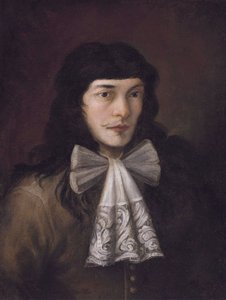
Alessandro Magnasco
1667 - 1749 , Itálie
Rychlé informace o umělci
- Artistic Movement Or Style: Pozdní baroko
- Artists Or Movements Influenced By This Artist: ['Michelangelo Cerquozzi']
- Artists Who Influenced This Artist:
- Valerio Castello
- Filippo Abbiati
- Date Of Birth: 4. února 1667
- Full Name: Alessandro Magnasco
- Nationality: Severoitalský
- Notable Artworks:
- Kající se sv. Marie Magdaléna v krajině
- Svatý Jeroným v krajině
- Place Of Birth: Janov
Související články

Romantická krajina v malbě: 10 mistrovských děl, které definovaly umělecký proud | OriginalUniqueArt
Prozkoumejte 10 ikonických děl romantické krajinářské malby! Objevte příběhy Caspara Davida Friedricha, Turnera a dalších mistrů. Reprodukce obrazů nejvyšší kvality pro váš interiér na OriginalUniqueArt.com.

Barokní mistrovská díla: 10 obrazů, které definovaly umělecký styl | OriginalUniqueArt.cz
Objevte 10 ikonických děl barokního umění – od Caravaggia po Rembrandta. Ponořte se do příběhů mistrů, technik a emocí tohoto velkolepého období. Reprodukce obrazů nejvyšší kvality na OriginalUniqueArt.com! Prozkoumejte celou kolekci online.
Epic Drama & Dark Vibes: The Ultimate Collector's Guide to Baroque Landscapes
Master the art of drama with our ultimate guide to Baroque landscapes. Discover the power of chiaroscuro, explore legendary masters, and learn how to curate epic, dark-vibe masterpieces for your collection with expert insights from OriginalUniqueArt.

Evocations of Place: A Historical Journey Through Landscape Art
Explore the rich history of landscape art with OriginalUniqueArt. Discover renowned artists, movements like Impressionism & Romanticism, and expert guidance for collecting timeless pieces. Find your perfect serene escape today!

Drama and Light: A Definitive Guide to the Italian Baroque Masterpieces and the Revolution of Chiaroscuro
Explore the dramatic world of Italian Baroque art. Discover how masters like Caravaggio used chiaroscuro and tenebrism to revolutionize painting through light, shadow, and profound realism. A definitive guide for history lovers and art collectors.