

 Náhled
 Sdílet
 Sdílet
 Podrobnosti o díle

 Stáhnout
 Podobné položky
 Rentgenové snímky
 Slideshow
 Statistiky
Bacchanalian Scene
 Oil On Canvas
- WallArt
- Baroque
 1710
1710 110.0 x 167.0 cm
 Státní Ermitáž
 Zobrazit více
Koupě vysoce rozlišeného, vylepšeného digitálního obrazu, který je mnohem kvalitnější než online náhled.
Každý soubor je pečlivě připraven našimi odborníky pomocí pokročilých nástrojů a expertní manuální retuše. Zajišťujeme, aby každý obraz disponoval výjimečnou ostrostí, přesnou barevnou věrností a jemnými detaily.
Finální soubor vám bude do 72 hodin zaslán e-mailem, optimalizovaný pro okamžité použití v profesionálním, redakčním i tiskovém prostředí. Nabízíme stejnou kvalitu, které důvěřují špičková designová studia, nakladatelství i galerie.
Digitální obrazy
Stáhněte si soubor ve vysokém rozlišení pro osobní prohlížení, tisk a kreativní projekty. ( Přepnout na tisk Koupit ručně malovaný obraz)
Součást každé objednávky digitálního obrazu
Profesionální digitální doručení, zaručeno.
Když si vyberete OriginalUniqueArt.com, nezískáváte pouze obrázek – získáváte digitální umělecké dílo s profesionálně vylepšenými detaily, zpracované s precizností a podpořené zárukou za spokojenost. Zde je vše, co vaše objednávka automaticky obsahuje:

Rychlé doručení e-mailem
Váš digitální obraz ve vysokém rozlišení vám bude zaslán e-mailem do 72 hodin od objednávky – připraven k okamžitému použití.

Digitální soubor s využitím AI
Vaše umělecké dílo je profesionálně optimalizováno pomocí pokročilých nástrojů umělé inteligence a manuální úpravy, což zajišťuje maximální úroveň detailu, ostrosti a přesnosti barev.

Bezplatné doživotní znovuodeslání
Soubor jste omylem smazali nebo ztratili? Žádný problém – kdykoliv vám ho znovu zašleme zcela zdarma.

Bez poplatků za dovoz – navždy
Užijte si své umělecké dílo okamžitě bez celních poplatků, daní nebo nákladů na dopravu – digitální stažení je vždy bez daňových povinností.

Záruka přesnosti barev
Pomocí profesionálních nástrojů a správy barev zajišťujeme, aby váš digitální obraz odrážel původní barvy co nejvěrněji.

100dená záruka spokojenosti
Pokud nebudete s digitálním obrázkem spokojeni, provedeme jeho revizi nebo vám vrátíme 100% platby do 100 dnů – bez jakýchkoliv dotazů.

100% záruka vrácení peněz
Nespokojeni? Získejte plnou náhradu peněz do 100 dnů od obdržení digitálního souboru – bez zbytečných dotazů.

Slevy při hromadných objednávkách
Koupěte si 3 obrazy, ušetřete 10% - Koupěte si 5, ušetřete 15% - Koupěte si 10+, ušetřete 20%. Ideální pro kreativní projekty, galerie a agentury.
Bacchanalian Scene: A Symphony of Decay and Delight
The Bacchanalian Scene by Alessandro Magnasco (1710) isn’t merely a depiction of revelry; it's an arresting meditation on the precarious balance between ecstasy and ruin—a hallmark of Baroque art that continues to resonate with audiences today. Housed in The Hermitage Museum in St. Petersburg, Russia, this monumental canvas measures 110 x 167 cm and immediately draws the eye into a dramatic tableau brimming with vibrant color and restless movement. Magnasco’s masterful handling of light and shadow contributes significantly to the painting's emotive power, creating an atmosphere thick with anticipation and hinting at hidden anxieties beneath the surface gaiety.Composition and Style: Baroque Dynamism Embodied
Magnasco adheres rigorously to the conventions of the Baroque period, prioritizing dynamism over static representation. The central focus is undeniably a grand archway adorned with columns—a compositional device frequently employed during this era—which serves as a stage for an exuberant procession of figures. Loose brushstrokes dominate the surface, conveying a palpable sense of energy and spontaneity. Unlike earlier Renaissance styles that prioritized idealized beauty, Magnasco embraces imperfection, mirroring the turbulent spirit of his time. The artist’s deliberate disregard for linear perspective enhances the illusionistic depth of the scene, immersing viewers in its immersive environment.Color Palette and Technique: Earth Tones Illuminated
The painting's color palette is dominated by earthy hues—browns, beiges, and greens—reflecting a preoccupation with materiality and decay that characterizes Baroque aesthetics. Magnasco skillfully utilizes chiaroscuro – the dramatic interplay of light and dark – to sculpt the figures’ forms and heighten their emotional impact. Notice how the drapery glows with luminescence, contrasting sharply with the shadowy recesses of the archway and surrounding space. Clemente Spera collaborated on the architectural backdrop, ensuring meticulous detail and reinforcing the painting's grandeur. Magnasco’s technique is characterized by layering thin glazes over a preparatory underpainting, resulting in luminous surfaces that capture the subtleties of color and texture.Historical Context: Mythological Echoes and Venetian Influence
Created during Magnasco’s formative years in Florence—where he served Cosimo III—the Bacchanalian Scene draws inspiration from classical mythology, specifically Dionysian rituals celebrating fertility and liberation. However, Magnasco transcends mere imitation; he imbues the scene with a distinctly Venetian sensibility, evident in the artist's penchant for atmospheric perspective and his masterful rendering of textures. The painting’s subject matter speaks to broader anxieties about mortality and transcendence—themes prevalent throughout Baroque art—suggesting that Magnasco sought not only to depict a joyous occasion but also to explore the darker side of human experience.Symbolism: Decay as Beauty – A Reflection of Baroque Thought
Beyond its visual splendor, the Bacchanalian Scene carries profound symbolic weight. The decaying foliage and crumbling columns serve as reminders of impermanence—a central preoccupation of Baroque philosophers like Descartes and Leibniz who wrestled with questions of determinism and free will. Yet, amidst this melancholic backdrop, figures dance with abandon, symbolizing the pursuit of pleasure and escape from worldly cares. Magnasco’s deliberate juxtaposition of beauty and decay underscores the Baroque belief that true contemplation involves confronting both joy and sorrow—a timeless message conveyed through a breathtaking artistic achievement.- Magnasco's style is characterized by loose brushstrokes and dramatic chiaroscuro.
- The painting utilizes earthy tones, enhanced by luminous glazes.
- It draws inspiration from Dionysian rituals and Venetian artistic traditions.
Biografie umělce
Alessandro Magnasco (1667–1749) - Il Lissandrino
- Born Genoa, Italy (1667)
- Died Genoa, Italy (1749)
- Nationality Italian
Early Training and Collaborations
Magnasco's formative years were marked by tutelage under Valerio Castello and Filippo Abbiati in Milan, fostering a grounding in classical principles alongside burgeoning artistic independence. He quickly gained renown as a portrait painter, skillfully integrating figures into landscapes crafted by Giovanni Battista Tavella and Clemente Spera—collaborations that honed his technical prowess while hinting at an inner restlessness. These partnerships weren’t merely exercises in technique; they exposed him to diverse stylistic currents, shaping his understanding of visual representation and artistic innovation. Notably, Magnasco's engagement with the Florentine court under Grand Duke Cosimo III between 1703 and 1709 broadened his horizons, introducing him to humanist ideals and fostering a dialogue with influential artists like Giuseppe Maria Crespi—a formative experience that undoubtedly contributed to his distinctive aesthetic sensibility.A Singular Style: Scale, Palette and Subject Matter
Magnasco’s artistic signature resides in his deliberate choices regarding scale and color. He favored small canvases – often no more than 30 x 40 cm – employing a hypochromatic palette dominated by muted grays, browns, and ochres that imbue his paintings with an atmosphere of melancholy and decay. These aren't canvases designed to command attention; they whisper secrets from dimly lit corners—a stylistic hallmark that distinguishes him from the grander Baroque masters of Venice. His scenes frequently depict crumbling ruins, eerie landscapes shrouded in mist, or crowded interiors populated by elongated figures rendered with nervous brushstrokes—a visual language steeped in psychological depth and imbued with a palpable sense of unease. Magnasco’s selection of subjects was equally unconventional for his time; he shunned mythological narratives and idealized depictions, instead delving into marginalized realms of human experience: synagogue services, Quaker meetings, gatherings of robbers, interrogations by the Inquisition—subjects that demanded confronting uncomfortable truths and exploring moral ambiguities.Influences and Artistic Development
Magnasco’s artistic development was shaped by a complex interplay of influences – ranging from Venetian painters like Sebastiano Ricci to Dutch genre artists such as Rembrandt and Vermeer, and crucially, the engravings of Jacques Callot—whose dramatic compositions conveyed psychological intensity with unparalleled precision. He absorbed elements from the looser painterly style of Ricci, recognizing its expressive potential without adopting its monumental scale; yet he remained steadfast in his commitment to capturing a particular mood – one characterized by profound introspection and imbued with an unsettling fascination for darkness and decay. The influence of Giuseppe Maria Crespi’s genre scenes—particularly those depicting beggars—is evident in Magnasco's penchant for portraying figures marginalized by society, reflecting a humanist sensibility rooted in the observation of human vulnerability and suffering. Furthermore, Magnasco’s meticulous attention to detail—evident in his landscapes and portraits alike—demonstrates an unwavering dedication to mastering technical skills and conveying nuanced emotional states."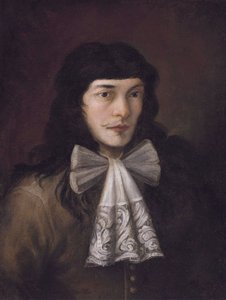
Alessandro Magnasco
1667 - 1749 , Itálie
Stručné informace
- Artistic Movement Or Style: Pozdní baroko
- Artists Or Movements Influenced By This Artist: ['Michelangelo Cerquozzi']
- Artists Who Influenced This Artist:
- Valerio Castello
- Filippo Abbiati
- Date Of Birth: 4. února 1667
- Full Name: Alessandro Magnasco
- Nationality: Severoitalský
- Notable Artworks:
- Kající se sv. Marie Magdaléna v krajině
- Svatý Jeroným v krajině
- Place Of Birth: Janov