
 Преглед в реален мащаб
 Изпрати
 Сподели
 Детайли
 Ръководство

 Изтегляне
 Подобни артикули
 Рентгенова снимка
 Слайдшоу
 Q&A
Q&A Статистика
The Passing Glory


 Прочети повече
Жикле / Художествен принт
Giclée печат или принт върху платно с музейно качество, бързо производство и гъвкави опции за завършен вид. ( Купете ръчно рисувана картина Превключване към дигитално изображение)




P118B €10

P118H €10

P118W €10

P438Z €10

P508JH €12

P508YH €12

P805H €10

P805Z €10

P919BZ €10

P919G €10

P919XJ €10

P959ZH €10

P968JZ €12

W106C €8

W218G €10

W218JH €8

W218Y €10

W307PJ €10

W316G €10

W316PJ €8

W316Y €10

W398PJ €8

W4111J €10

W500HY €15

W500JH €15

W692G €12

W849H €8

W940BG €15

W953PJ €8




Изберете от нашите предварително зададени размери, които съответстват на оригиналните пропорции на произведението.

Въведете необходимата ширина и височина, за да паснат на вашата рамка или стена. Принтовете могат само да се изрязват, но никога не могат да бъдат по-големи от оригиналната картина, така че при размер с различен формат част от изображението ще бъде загубена. Преди да започнем печат, ще ви изпратим дигитален мок업 за одобрение. Изображението, показано на тази страница, не показва реалното изрязване — само мок업ът го показва.
Доставка по целия свят () в рамките на 2 седмици вместо стандартните 4/5 седмици. (1 Ноември)

Безплатна експресна доставка по целия свят

Висококачествено ленено платно

Пълно застраховане на доставката

Гаранция за възстановяване на митнически такси

Гаранция за пълно съответствие на цветовете

Политика за връщане в рамките на 100 дни (само при дефекти)

100% Гаранция за връщане на сумата

Оферта за отстъпка при поръчка на повече бройки
 Опцията със стъкло е налична само за размери под 110 см

The Passing Glory
Жикле / Художествен принт
Размер на репродукцията
-


Обща цена
€ 71
A Symphony of Autumnal Light
In the quiet transition of seasons, there exists a fleeting moment where the warmth of summer lingers just enough to touch the encroaching chill of autumn. It is this precise, ephemeral heartbeat that Willard Leroy Metcalf captures in his 1907 masterpiece, The Passing Glory. As a prominent figure in the American Impressionist movement, Metcalf possessed a rare ability to act as a poet of light, translating the atmospheric nuances of the New England landscape into a visual melody. The painting presents a breathtaking hillside, where the lush greenery of late summer begins its graceful surrender to the fiery golds and deep ochres of fall. Through his masterful brushwork, the canvas breathes with the vitality of a living ecosystem, inviting the viewer to step into a world of profound serenity.
The composition is a masterclass in balance and narrative depth. In the foreground, textured trees anchor the scene, their leaves rendered with a delicate touch that suggests both weight and translucency. Scattered throughout this verdant expanse, several birds take flight or rest, adding a sense of spontaneous movement to an otherwise tranquil setting. This subtle animation is further enriched by the presence of two distant figures, small yet significant, who appear to be lost in the contemplation of the vast horizon. Their inclusion transforms the landscape from a mere botanical study into a shared human experience, suggesting that the true glory of nature is best realized when witnessed through the lens of quiet companionship and peaceful reflection.
Technique and the Impressionist Spirit
Metcalf’s technique in The Passing Glory exemplifies the core tenets of American Impressionism, focusing heavily on the interplay of light and color to evoke emotion rather than mere topographical accuracy. Rather than relying on harsh outlines, he utilizes soft, broken brushstrokes that allow colors to blend optically within the eye of the beholder. This method creates a shimmering effect, mimicking the way sunlight filters through a canopy of changing leaves. The palette is a sophisticated arrangement of warm autumnal tones juxtaposed against the cooling shadows of the hillside, creating a rhythmic tension that keeps the viewer's gaze moving across the canvas.
For the discerning collector or interior designer, this painting offers more than just aesthetic beauty; it provides an emotional anchor for any space. The artwork possesses a timeless quality that transcends modern trends, making it an ideal centerpiece for a room designed for relaxation and introspection. Whether placed in a sun-drenched library or a sophisticated contemporary living area, the painting brings with it the restorative power of the natural world. Owning a high-quality reproduction of this work allows one to preserve this specific moment of 1907—a tribute to the enduring beauty of the passing seasons and the quiet majesty of the American landscape.
Въпроси и отговори
Използва ли „The Passing Glory“ на Уилард Лерей Мекалф силни контрасти или меки хармонии?
В „The Passing Glory“ Statement контрастът е съчетат с Balanced Harmony хармония.
Как се позиционира „The Passing Glory“ сред често срещаните теми в творчеството на Уилард Лерей Мекалф?
Сред утвърдените теми на Уилард Лерей Мекалф – american impressionism influences, nature's fleeting beauty, new england landscapes, capturing light and atmosphere, key landscape work – „The Passing Glory“ привнося собствен фокус върху trees, birds, people, hillside, autumn colors, greenery.
Каква сюжетна линия и атмосфера съчетава „The Passing Glory“ на Уилард Лерей Мекалф?
„The Passing Glory“ на Уилард Лерей Мекалф съчетава trees, birds, people, hillside, autumn colors, greenery с Serene атмосфера.
Биография на художника
A Life Immersed in Light and Landscape
Willard Leroy Metcalf, a pivotal figure in the blossoming of American Impressionism, dedicated his life to capturing the ephemeral beauty of the natural world. Born in Lowell, Massachusetts, in 1858, he wasn’t merely a painter of landscapes; he was a poet of light and atmosphere, translating the quietude of New England scenes and beyond onto canvas with a delicate touch and vibrant palette. His journey as an artist was one of rigorous training, extensive travel, and a profound commitment to portraying intimate moments in nature – fleeting glimpses of beauty often overlooked. Metcalf’s story is not simply about artistic development, but also about finding his voice amidst the evolving currents of late 19th and early 20th-century art, and ultimately, leaving an indelible mark on American Impressionism.From Academic Foundations to European Influences
Metcalf’s formal artistic education began at the School of the Museum of Fine Arts in Boston, where he honed his foundational skills until 1878. This was followed by a crucial period of study at the Académie Julian in Paris, a renowned center for American artists seeking classical training. Initially, Metcalf focused on figure painting and illustration – skills that would later inform his compositions – but it was during his extended sojourn in Europe, beginning in 1883, that his artistic trajectory began to shift decisively towards landscape art. He studied with Gustave Boulanger and Jules-Joseph Lefebvre, absorbing the technical expertise of French academic tradition. However, it wasn’t just formal instruction that shaped his vision; it was immersion in the European landscape itself. Travels through England and Brittany exposed him to diverse light conditions and artistic communities. A particularly significant moment arrived in 1886 when Metcalf became the first American artist to visit Claude Monet's garden at Giverny, a watershed experience that profoundly impacted his approach to capturing light, color, and atmosphere. This encounter wasn’t about imitation, but rather an awakening to the possibilities of portraying the subjective experience of seeing – a cornerstone of Impressionist philosophy. The vibrant colors, dappled sunlight, and loose brushwork he observed there would become hallmarks of his own style.The Rise of an American Impressionist
Upon returning to the United States in 1889, Metcalf began to forge his own distinct style, blending academic training with the lessons learned from European masters and his growing sensitivity to the American landscape. He worked as an illustrator and teacher while continuing to paint, gradually moving away from traditional techniques towards a more expressive and atmospheric approach. His paintings of this period often depict serene scenes of New England life – coastal harbors, quiet villages, and sun-dappled meadows. Critics frequently drew parallels between his work and the poetry of Robert Frost and Walt Whitman, recognizing a shared sensibility for capturing the essence of American experience. He sought to capture not just what he *saw*, but also how it *felt*—the warmth of the sun on skin, the scent of pine needles in the air, the quiet solitude of the countryside. Notable works like *Gloucester Harbor* (1895) exemplify his mastery of light and color, while pieces such as *The River Epte, Giverny*, clearly demonstrate the enduring influence of Monet’s garden on his artistic vision.A Member of "The Ten" and Beyond
Metcalf's artistic ambitions led him to participate in a pivotal movement within American art: “The Ten American Painters.” In 1897, along with artists like Hassam, Sargent, and Twachtman, he seceded from the Society of American Artists, forming his own group dedicated to pursuing more independent and expressive approaches. This act was a bold statement against the conservative artistic establishment of the time, signaling a shift towards modernism in American painting. The Ten sought to break free from academic constraints and embrace a more subjective and personal style. Metcalf’s involvement with this group solidified his position as a leading figure in the burgeoning American Impressionist movement. He continued to exhibit with “The Ten” for several years, further refining his technique and exploring new subjects.Legacy and Enduring Influence
Willard Leroy Metcalf's contribution to American art extends beyond his captivating paintings. He was a dedicated educator, sharing his knowledge and passion for art by teaching at institutions like Cooper Union School of Art for Women in New York City and the Art Students League of New York. His influence on subsequent generations of artists is undeniable. Metcalf’s ability to capture fleeting moments of beauty and tranquility, combined with his technical skill and poetic sensibility, cemented his place as a significant figure in American art history. He wasn't interested in grand narratives or dramatic compositions; instead, he found inspiration in the everyday – the gentle play of light on water, the subtle hues of a twilight sky, the quiet dignity of rural life. His paintings are not merely representations of landscapes; they are evocations of mood and atmosphere, inviting viewers to share in his intimate connection with nature. Metcalf’s work continues to be exhibited and admired for its beauty, tranquility, and insightful portrayal of the American landscape.A Lasting Impression
Today, Metcalf’s paintings can be found in major museum collections across the United States, including the Art Institute of Chicago, the Metropolitan Museum of Art, and the Smithsonian American Art Museum. He remains a celebrated figure in the history of American Impressionism, admired for his technical brilliance, poetic vision, and enduring commitment to capturing the beauty of the natural world. His legacy lies not only in the paintings themselves but also in his encouragement of others to see the world with fresh eyes—to appreciate the subtle beauty that surrounds us and to find inspiration in the everyday moments of life.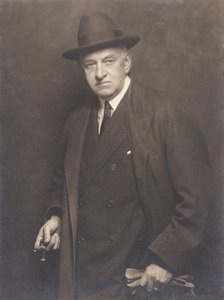
Уилард Лерей Мекалф
1858 - 1925 , Съединени американски щати
Бърза информация
- Artistic Movement Or Style: Американ импресионизъм
- Artists Or Movements Influenced By This Artist: ['Десетте американски живописци']
- Artists Who Influenced This Artist: ['Клод Моне']
- Date Of Birth: 1858
- Date Of Death: 1925
- Full Name: Willard Leroy Metcalf
- Nationality: Американски
- Notable Artworks:
- Глостър Харбър
- Златен карнавал
- Капитан Лорд Хаус
- Place Of Birth: Ловъл, САЩ
Свързани статии

Evocations of Place: A Historical Journey Through Landscape Art
Explore the rich history of landscape art with OriginalUniqueArt. Discover renowned artists, movements like Impressionism & Romanticism, and expert guidance for collecting timeless pieces. Find your perfect serene escape today!

Grant Wood & American Regionalism: Identity, Myth & the Rural Landscape
Explore the world of Grant Wood & American Regionalism with OriginalUniqueArt. Discover the symbolism behind 'American Gothic', recurring themes, and the movement's lasting impact on art history. High-quality reproductions available.

Evocations of Place: A Historical Journey Through Landscape Art
Explore the rich history of landscape art with OriginalUniqueArt. Discover renowned artists, movements like Impressionism & tonalism, and expert guidance for collecting timeless pieces. Find your perfect serene escape today!

Топ 10 шедьовъра на Романтичния пейзаж: Изкуство за вашия дом от OriginalUniqueArt.com
Открийте 10 шедьовъра на Романтичния пейзаж – Фридрих, Търнър и други! Разгледайте историите зад картините, техниките и емоциите. Репродукции с музейно качество от OriginalUniqueArt.com. Вдъхновете се за вашия дом!

Топ 25 шедьовъра на Пол Сезан: Открийте вечния гений в изкуството и декора
Открийте 25 шедьовъра на Пол Сезан – импресионизъм, постимпресионизъм и революционен стил! Разгледайте историите зад картините, техниките и вдъхновението. Купете висококачествени репродукции за вашия дом на OriginalUniqueArt.com.
