The Dawn of Landscape: From Symbolic Representation to Naturalistic Depiction
Landscape painting, also known as landscape art, is the depiction in painting of natural scenery such as mountains, valleys, rivers, trees, and forests, especially where the main subject is a wide view—with its elements arranged into a coherent compo...
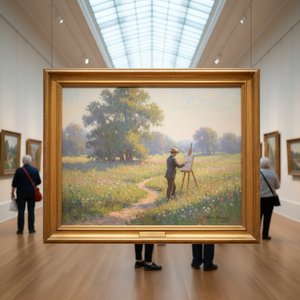
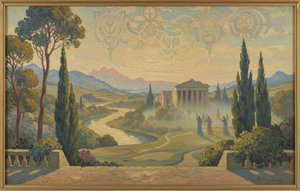
For millennia, the human impulse to depict the natural world existed, yet its status as a primary subject for artistic endeavor was far from assured. Early representations of landscapes were rarely independent compositions; rather, they served as backdrops or symbolic settings within larger narratives – religious scenes unfolding amidst stylized hills and trees, or mythical events taking place in idealized gardens. Consider the ancient Egyptian frescos depicting the Nile’s lush riverbanks, not as celebrations of natural beauty for its own sake, but as integral components of a funerary context, representing abundance and the promise of the afterlife. Similarly, within classical Roman murals discovered at Pompeii, landscapes often functioned to extend architectural space or provide picturesque settings for mythological tales. These early examples demonstrate a nascent awareness of spatial relationships and atmospheric effects, yet they lack the focused attention on nature itself that would characterize later traditions.
The shift towards recognizing landscape as an independent genre began subtly in medieval illuminated manuscripts, where detailed depictions of flora and fauna emerged alongside religious iconography. However, it was during the Renaissance that a more concerted effort to capture naturalistic detail took hold, spurred by advancements in perspective and observation. Artists like Leonardo da Vinci meticulously studied geological formations and atmospheric phenomena, laying the groundwork for a more scientifically informed approach to landscape representation. Yet even then, landscapes often remained subordinate elements within broader compositions – backgrounds enhancing portraits or providing dramatic settings for biblical scenes. The true elevation of landscape as a subject worthy of independent exploration would require a fundamental shift in artistic priorities.
The Pastoral Ideal & Romantic Visions: Nature as Sublime Inspiration
The 17th and 18th centuries witnessed the burgeoning of landscape painting, fueled by philosophical shifts that celebrated nature’s inherent beauty and power. The pastoral ideal – a romanticized vision of rural life in harmony with the natural world – gained prominence, influencing artists to depict idyllic scenes of shepherds, tranquil meadows, and picturesque villages. Claude Lorrain and Nicolas Poussin, masters of the classical landscape tradition, created meticulously composed paintings that evoked a sense of order, balance, and timeless serenity. Their works weren’t merely representations of specific locations; they were carefully constructed visions designed to inspire contemplation and moral reflection.
However, it was the Romantic movement that truly unleashed the full expressive potential of landscape art. Artists like J.M.W. Turner and Caspar David Friedrich rejected the classical emphasis on order and reason in favor of a more emotional and subjective response to nature. Turner’s dramatic seascapes and atmospheric studies captured the raw power and sublime beauty of the natural world, while Friedrich’s hauntingly evocative landscapes explored themes of solitude, spirituality, and the insignificance of humanity in the face of vast cosmic forces. These artists didn't simply *depict* nature; they sought to convey its emotional impact – its ability to inspire awe, terror, and a profound sense of connection to something larger than oneself. The landscape became a mirror reflecting the inner turmoil and spiritual longings of the artist.
Impressionism's Ephemeral Gaze: Capturing Light and Atmosphere in the Open Air
Impressionism was a 19th-century art movement characterized by visible brush strokes, open composition, emphasis on accurate depiction of light in its changing qualities (often accentuating the effects of the passage of time), ordinary subject matter...
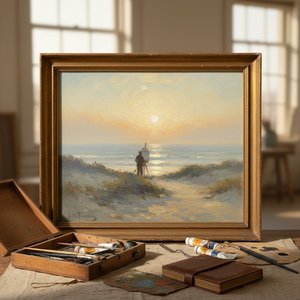
The 19th century witnessed another radical transformation with the emergence of Impressionism. Rejecting the academic conventions of studio-based painting, artists like Claude Monet, Pierre-Auguste Renoir, and Camille Pissarro ventured *en plein air* – directly into the landscape – to capture fleeting moments of light and atmosphere. Their paintings were characterized by visible brushstrokes, open compositions, and a focus on accurately depicting the changing qualities of sunlight. Unlike their predecessors who sought to create idealized or emotionally charged representations of nature, the Impressionists aimed to record their *immediate sensory experience* of the world around them.
Monet’s series paintings – haystacks, Rouen Cathedral, water lilies – exemplify this pursuit of capturing ephemeral effects. He wasn't interested in depicting a specific haystack or cathedral; he was fascinated by how light transformed these subjects at different times of day and under varying weather conditions. This emphasis on perception led to a loosening of form and a celebration of color as an independent element. The Impressionists’ revolutionary approach faced initial resistance from the art establishment, but their innovative techniques ultimately paved the way for modern art. Their legacy lies in their ability to capture the beauty of everyday life and the transient nature of our visual experience.
American Landscapes: A Distinct Voice Emerges – Realism, Luminism, and Beyond
While Impressionism flourished in France, American landscape painting developed its own distinct voice, shaped by the unique geography and cultural context of the New World. The Hudson River School artists, such as Thomas Cole and Frederic Church, created grand panoramic views of the American wilderness, celebrating the nation’s natural beauty and promoting a sense of national identity. Their paintings often imbued with moral and religious undertones, depicted pristine landscapes untouched by human intervention.
Later in the 19th century, artists like Albert Bierstadt captured the majestic scale of the Rocky Mountains and Yosemite Valley, further solidifying landscape’s role as a symbol of American grandeur. Luminism, a sub-genre within American landscape painting, focused on capturing the subtle effects of light and atmosphere, creating serene and contemplative scenes characterized by smooth brushwork and a sense of stillness. Artists like Alfred Henry Krehbiel embraced Impressionistic techniques while maintaining a distinctly American sensibility, depicting tranquil countryside scenes with loose brushstrokes and atmospheric light. The American landscape tradition wasn’t simply an imitation of European styles; it was a unique expression of the nation’s identity and its relationship to the natural world.
Collecting Landscape Art: Navigating Style, Value & Building a Lasting Legacy
For collectors today, the landscape art market offers a wealth of opportunities. From iconic Impressionist masterpieces to lesser-known works by American Luminists, there’s a landscape painting to suit every taste and budget. Assessing value requires careful consideration of factors such as artist reputation, provenance (the history of ownership), condition, and subject matter. Works by established artists with strong exhibition histories and documented provenance typically command higher prices.
However, discovering overlooked gems can be equally rewarding. Exploring the works of regional artists or lesser-known movements can yield unique pieces that offer both aesthetic pleasure and investment potential. Authenticating artworks is crucial – consulting with reputable art appraisers and galleries can help ensure you’re acquiring a genuine piece. Building a lasting collection requires careful planning and a discerning eye. Consider your personal preferences, the overall aesthetic of your space, and the long-term value of each acquisition. Landscape art, at its core, offers more than just visual appeal; it provides a connection to nature, history, and the enduring human impulse to capture beauty in all its forms.
Serenity Found: The Enduring Power of Landscape to Evoke Peace and Tranquility
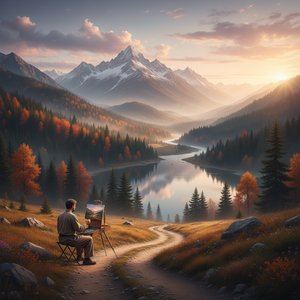 Nature’s Embrace: Finding Serenity Through Landscape Art
Explore the power of landscape art to evoke serenity and tranquility. Discover historical perspectives, renowned artists, and find the perfect piece to bring nature's peace into your home with .
Ultimately, the enduring appeal of landscape art lies in its ability to evoke serenity, tranquility, and a sense of connection to something larger than ourselves. Whether it’s the dramatic vistas of the Romantic era or the fleeting impressions of the Impressionists, landscape paintings offer an escape from the stresses of modern life and a reminder of nature’s inherent beauty. The act of viewing a landscape painting can be a meditative experience – allowing us to immerse ourselves in another world and reconnect with our own inner peace.
At OriginalUniqueArt.com, we are passionate about making the masterpieces of history accessible to everyone. We offer high-quality, handmade oil paintings and museum-quality prints of renowned landscape artworks, allowing you to bring the beauty of nature into your home or office. Explore our extensive collection today and discover the perfect piece to inspire contemplation, evoke emotion, and create a lasting legacy. From custom reproductions tailored to your specifications to expert art consultation services, we are dedicated to helping you find the artwork that speaks to your soul.