

 Преглед в реален мащаб
 Сподели
 Сподели
 Подробности
 Ръководство

 Изтегляне
 Подобни артикули
 Рентгенова снимка
 Слайдшоу
 Статистика
Deposition (detail)


 Разгърни целия текст
Закупете дигитално изображение с висока резолюция и подобрени характеристики, значително по-качествено от онлайн прегледа.
Всеки файл е щателно подготвен от нашите специалисти с помощта на съвременни инструменти и експертен ръчен ретуш. Гарантираме, че всяко изображение притежава изключителна яснота, прецизна цветова точност и фини детайли.
Окончателният файл се доставя по имейл в рамките на 72 часа, оптимизиран за незабавна употреба в професионални, редакционни и печатни среди. Това е същото качество, на което се доверяват водещи дизайнерски студия, издатели и галерии.
Дигитално изображение
Изтеглете файл с висока резолюция за лично съхранение, принтиране и творчески проекти. ( Избор на принт Поръчайте ръчно рисувано репродукция на този колекционерски предмет)
Включено във всяка поръчка за дигитални изображения
Експертна дигитална доставка, гарантирана
Избирайки OriginalUniqueArt.com, вие не получавате просто изображение – вие придобивате професионално обработена дигитална творба, създадена с прецизност и подкрепена от гаранция за удовлетворение. Ето какво автоматично е включено във вашата поръчка:

Бърза доставка по имейл
Вашето дигитално изображение с висока резолюция ще бъде изпратено по имейл в рамките на 72 часа от поръчката – готово за незабавно използване.

Дигитален файл с подобрено качество чрез ИИ
Вашата картина е професионално оптимизирана с помощта на усъвършенствани инструменти за изкуствен интелект и ръчна редакция, осигурявайки максимална детайлност, яснота и точност на цветовете.

Безплатна доживотна повторна доставка
Изгубили сте или сте изтрили файла си по погрешка? Не се притеснявайте – ще го изпратим отново на Вас по всяко време, безплатно.

Без митнически такси – завинаги
Насладете се на вашето произведение незабавно, без мита, данъци или такси за доставка – дигиталните изтегляния винаги са освободени от данъци.

Гаранция за точност на цветовете
Гарантираме, че вашето дигитално изображение отразява оригиналните цветове възможно най-точно, чрез използването на професионални инструменти и системи за управление на цветовете.

100-дневна гаранция за удовлетвореност
Ако не сте доволни от вашето дигитално изображение, ще го преработим или ще възстановим 100% от сумата в рамките на 100 дни – без излишни въпроси.

100% Гаранция за връщане на сумата
Не сте доволни? Получете пълен възврат на сумата в рамките на 100 дни от получаването на вашия цифров файл – без излишни въпроси.

Отстъпки за големи поръчки
Купете 3 изображения, спестете 10% - Купете 5, спестете 15% - Купете 10+, спестете 20%. Идеално за творчески проекти, галерии и агенства.
A Testament to Grief and Artistic Brilliance
Rogier van der Weyden’s *The Descent from the Cross*, completed around 1435, stands as arguably the most influential Netherlandish painting depicting Christ's crucifixion—a monumental achievement that continues to captivate viewers centuries later. Commissioned by the Leuven Schutterij guild, this panel painting transcends mere representation; it embodies a profound emotional response to religious faith and exemplifies the zenith of Early Flemish artistic innovation.
- Artist: Rogier van der Weyden (c. 1400-1464)
- Year: c. 1435
- Location: Museo del Prado, Madrid
- Medium: Oil on panel
Style and Technique: Sculpted Surfaces and Vivid Color
Van der Weyden’s style is characterized by an unparalleled dedication to realism—a hallmark of the Northern Renaissance. He achieved this remarkable feat through meticulous attention to detail, employing a technique that prioritizes sculpted surfaces and dramatic chiaroscuro (light and shadow). Unlike many contemporaries who favored flattened perspectives, van der Weyden meticulously modeled the figures' musculature and drapery, creating an illusion of palpable physicality.
The artist’s masterful use of color—primarily reds, whites, and blues—further enhances the painting’s emotional impact. These vibrant hues are applied with remarkable precision, capturing the luminosity of flesh tones and conveying a sense of solemn grandeur. The palette is deliberately restrained yet powerfully expressive, reflecting the spiritual seriousness of the subject matter.
Historical Context: Leuven Schutterij Patronage and Medieval Piety
The painting’s genesis lies in the patronage of the Leuven Schutterij guild—a civic militia organization dedicated to defending the city. This commission underscores the importance of religious symbolism within medieval society, where depictions of Christ's suffering served as potent reminders of divine compassion and redemption. The Schutterij’s desire for a masterpiece that would inspire devotion is palpable in every brushstroke.
Contemporary art historians like Erwin Panofsky recognized *The Descent from the Cross*'s significance, noting its unparalleled pictorial brilliance and emotional depth. Panofsky famously declared that “It may be said that the painted tear, a shining pearl born of the strongest emotion,” epitomized what Italians most admired in Early Flemish painting—a testament to van der Weyden’s artistic genius.
Symbolism: Anatomy, Gesture, and Spiritual Resonance
Beyond its technical virtuosity, *The Descent from the Cross* is laden with symbolic meaning. The depiction of Christ's body in the T-shape—a deliberate reference to the crucifixion itself—emphasizes his sacrificial role. Furthermore, the anguished expressions of Joseph of Arimathea and Nicodemus convey profound sorrow and humility—mirroring the universal human experience of grief.
The meticulous rendering of drapery—particularly Mary’s robe—demonstrates van der Weyden's mastery of textile representation. Each fold and wrinkle is rendered with painstaking accuracy, conveying a sense of texture and movement that contributes to the painting’s overall dramatic effect. Ultimately, *The Descent from the Cross* transcends mere visual spectacle; it communicates an enduring message of faith and compassion—a timeless masterpiece that continues to inspire awe and contemplation.
Въпроси и отговори
На каква възраст е бил Рогир ван дер Уейден, когато е създадена „Deposition (detail)“?
Когато „Deposition (detail)“ е създадена през 1435, Рогир ван дер Уейден – роден/а през 1400 – е бил/а на 35 години.
Кой е създал "Deposition (detail)"?
„Deposition (detail)“ се приписва на Рогир ван дер Уейден.
Може ли произведението „Deposition (detail)“ на Рогир ван дер Уейден, намиращо се в Музей Прадо, да бъде репродуцирано законно?
Оригиналът на „Deposition (detail)“ се намира в Музей Прадо, а произведението е в обществено достояние – авторското му право е изтекло.
Цветовете на „Deposition (detail)“ на Рогир ван дер Уейден ярки или приглушени са?
„Deposition (detail)“ на Рогир ван дер Уейден е заснето със Clear Color Presence наситеност и Vivid интензивност.
Коя е датата на създаване на „Deposition (detail)“ на Рогир ван дер Уейден?
Създаването на „Deposition (detail)“ на Рогир ван дер Уейден датира от 1435.
Какво обяснява ситуацията с авторските права на „Deposition (detail)“ на Рогир ван дер Уейден?
„Deposition (detail)“ на Рогир ван дер Уейден е в в обществено достояние – авторското му право е изтекло. Срокът на авторско право се изчислява от годината на смъртта на творца, а Рогир ван дер Уейден почина през 1464.
Каква палитра и какво чувство съчетава "Deposition (detail)"?
В „Deposition (detail)“ цветовете на Dark придружават Melancholic усещане.
Биография на художника
A Master of Emotion: The Life and Legacy of Rogier van der Weyden
Rogier van der Weyden, born around 1400 in the vibrant city of Tournai, nestled within what is now Belgium, emerged as a pivotal figure in the blossoming world of Early Netherlandish painting. While details surrounding his early life remain somewhat elusive, it’s believed he initially honed his skills not with brush and pigment, but as a goldsmith. This formative training instilled within him an unwavering dedication to meticulous detail and a refined sensibility for craftsmanship – qualities that would become hallmarks of his artistic style. The precision demanded by working with precious metals undoubtedly translated into the exquisite rendering of textures, fabrics, and expressions that define his masterpieces. He wasn’t merely depicting reality; he was recreating it with painstaking accuracy, imbued with an almost reverent attention to detail.From Tournai to Brussels: A Rising Star
By 1427, van der Weyden had ascended to the rank of master within the Guild of Saint Luke in Tournai, a testament to his burgeoning talent and skill. This marked a significant turning point, solidifying his position as a professional artist and opening doors to important commissions. His ascent continued when he entered the service of Philip the Good, Duke of Burgundy, in 1435 – a patronage that would profoundly shape his career for the remainder of his life. Serving as court painter afforded him not only financial security but also access to an elite circle of influence and exposure to some of the most discerning eyes of the era. It was during this period that van der Weyden’s artistic vision truly began to mature, moving away from the somewhat rigid conventions of earlier Netherlandish painters towards a more emotionally resonant and naturalistic approach. He wasn't simply painting religious scenes; he was striving to evoke genuine feeling in the viewer, to create an experience that transcended mere observation.The Language of Feeling: Style and Technique
Rogier van der Weyden’s artistic signature is immediately recognizable through several defining characteristics. His palette was remarkably rich and diverse, a vibrant tapestry of colors carefully chosen to avoid repetition and create depth and complexity within his compositions. He possessed an extraordinary ability to convey profound emotion – *pathos* – particularly in depictions of religious subjects like the Lamentation, where grief and sorrow are palpable. This emotional intensity wasn’t achieved through dramatic gestures or exaggerated expressions; rather, it was subtly woven into the very fabric of the painting, conveyed through delicate nuances of facial expression, body language, and composition. His figures, while adhering to the conventions of the time, demonstrate a growing interest in realistic representation – not just in anatomy and drapery, but also in capturing the psychological states of his subjects. They possess a dignified, almost sculptural quality, particularly evident in his grand triptychs, lending them an air of solemnity and reverence. He masterfully employed oil paint, building up layers of translucent glazes to achieve luminous effects and create a sense of depth and realism that was revolutionary for its time.Notable Works and Enduring Masterpieces
Throughout his prolific career, van der Weyden produced numerous works that stand as testaments to his artistic prowess. *St Luke Drawing a Portrait of the Madonna*, housed in the Museum of Fine Arts, Boston, showcases his mastery of oil on panel and meticulous observation. The *Lamentation*, residing in the Musée des Beaux-Arts Tournai, Belgium, is perhaps his most celebrated work – a powerfully emotive depiction of Christ’s mourning, renowned for its dramatic use of *chiaroscuro* and its ability to evoke profound sorrow in the viewer. Multiple versions of *The Deposition* exist, each demonstrating his skill in conveying grief and drama with breathtaking sensitivity. The *Annunciation*, a masterpiece of refined style and attention to detail, exemplifies his ability to imbue even the most traditional subjects with a sense of freshness and vitality. And finally, the intricate and richly detailed *Bladelin Triptych* stands as a monumental achievement – a complex altarpiece that showcases the full range of van der Weyden’s artistic abilities. These works, and many others, continue to captivate audiences today, solidifying his position as one of the most important painters of the 15th century.Lasting Influence: A Legacy Forged in Paint
Van der Weyden’s influence extended far beyond the borders of his native Flanders. His works were highly sought after throughout Europe, particularly in Italy and Spain, where they introduced a new level of emotional depth and naturalism to local artistic traditions. Although his fame experienced a period of relative decline in the 17th century, a rediscovery during the 19th century cemented his place as one of the most important painters of the 15th century. He stands alongside Jan van Eyck and Robert Campin as one of the “three great” Early Flemish masters, each contributing uniquely to the development of Northern Renaissance art. His innovative techniques and emotionally charged compositions paved the way for future generations of artists, inspiring countless imitators and influencing the course of Western painting for centuries to come. He helped establish oil painting as the dominant medium and elevated the status of the artist within society, transforming them from skilled craftsmen into revered creators. Rogier van der Weyden’s legacy continues to resonate today, a testament to his enduring genius and his profound understanding of the human condition.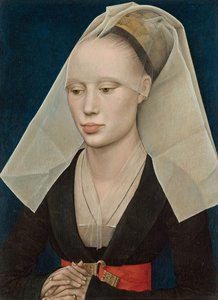
Рогир ван дер Уейден
1400 - 1464 , Белгия
Кратка информация
- Artistic Movement Or Style: Ранно нидерландско изкуство
- Artists Or Movements Influenced By This Artist: ['Италиански Ренесанс']
- Artists Who Influenced This Artist:
- Роберт Камплин
- Ян ван Ейк
- Date Of Birth: c. 1400
- Date Of Death: 1464
- Full Name: Rogier van der Weyden
- Nationality: Белгийски
- Notable Artworks:
- Светата Литургия
- Плачът на Мария
- Положение в гроба
- Place Of Birth: Tournai, Белгия