Преглед в реален мащаб
 Сподели
 Сподели
 Подробности
 Ръководство

 Изтегляне
 Подобни артикули
 Рентгенова снимка
 Слайдшоу
 Статистика
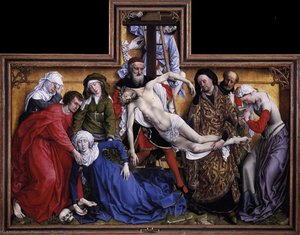
Deposition (detail)


 Разгърни целия текст
Ръчно изработена маслена репродукция
Ръчно рисувана маслена картина върху платно във вашия размер и рамка, изработена по поръчка от нашите художници. ( Избор на принт Превключване към дигитално изображение)




P118B €10

P118H €10

P118W €10

P438Z €10

P508JH €12

P508YH €12

P805H €10

P805Z €10

P919BZ €10

P919G €10

P919XJ €10

P959ZH €10

P968JZ €12

W106C €8

W218G €10

W218JH €8

W218Y €10

W307PJ €10

W316G €10

W316PJ €8

W316Y €10

W398PJ €8

W4111J €10

W500HY €15

W500JH €15

W692G €12

W849H €8

W940BG €15

W953PJ €8




Изберете от нашите предварително зададени размери, които съответстват на оригиналните пропорции на произведението.

Въведете необходимата ширина и височина, за да паснат на вашата рамка или стена. Тъй като това е ръчна работа, при избор на размер с различен формат, художникът може да нарисува малко повече около картината или да отреже малко от периферията — вие избирате. Преди да започне рисуването, ще ви изпратим дигитален мок업 за одобрение. Картината, показана на тази страница, не е реалният резултат — само мок업ът го показва.
След получаване на поръчка, екипът на OriginalUniqueArt.com ще изпрати имейл до клиента с инструкции и ще предостави примерен макет за преглед.
Доставка по целия свят () в рамките на 3-4 седмици вместо стандартните 5 седмици. (27 Октомври). Без компромис с качеството.

Безплатна експресна доставка по целия свят

Висококачествено ленено платно

Пълно застраховане на доставката

Гаранция за възстановяване на митнически такси

Гаранция за пълно съответствие на цветовете

Политика за връщане в рамките на 100 дни (само при дефекти)

100% Гаранция за връщане на сумата

Отстъпка при поръчка на повече произведения
 Опцията със стъкло е налична само за размери под 110 см

Deposition (detail)
Техника на репродукция
Размер на репродукцията
-


Крайна цена
€ 263
A Testament to Grief and Artistic Brilliance
Rogier van der Weyden’s *The Descent from the Cross*, completed around 1435, stands as arguably the most influential Netherlandish painting depicting Christ's crucifixion—a monumental achievement that continues to captivate viewers centuries later. Commissioned by the Leuven Schutterij guild, this panel painting transcends mere representation; it embodies a profound emotional response to religious faith and exemplifies the zenith of Early Flemish artistic innovation.
- Artist: Rogier van der Weyden (c. 1400-1464)
- Year: c. 1435
- Location: Museo del Prado, Madrid
- Medium: Oil on panel
Style and Technique: Sculpted Surfaces and Vivid Color
Van der Weyden’s style is characterized by an unparalleled dedication to realism—a hallmark of the Northern Renaissance. He achieved this remarkable feat through meticulous attention to detail, employing a technique that prioritizes sculpted surfaces and dramatic chiaroscuro (light and shadow). Unlike many contemporaries who favored flattened perspectives, van der Weyden meticulously modeled the figures' musculature and drapery, creating an illusion of palpable physicality.
The artist’s masterful use of color—primarily reds, whites, and blues—further enhances the painting’s emotional impact. These vibrant hues are applied with remarkable precision, capturing the luminosity of flesh tones and conveying a sense of solemn grandeur. The palette is deliberately restrained yet powerfully expressive, reflecting the spiritual seriousness of the subject matter.
Historical Context: Leuven Schutterij Patronage and Medieval Piety
The painting’s genesis lies in the patronage of the Leuven Schutterij guild—a civic militia organization dedicated to defending the city. This commission underscores the importance of religious symbolism within medieval society, where depictions of Christ's suffering served as potent reminders of divine compassion and redemption. The Schutterij’s desire for a masterpiece that would inspire devotion is palpable in every brushstroke.
Contemporary art historians like Erwin Panofsky recognized *The Descent from the Cross*'s significance, noting its unparalleled pictorial brilliance and emotional depth. Panofsky famously declared that “It may be said that the painted tear, a shining pearl born of the strongest emotion,” epitomized what Italians most admired in Early Flemish painting—a testament to van der Weyden’s artistic genius.
Symbolism: Anatomy, Gesture, and Spiritual Resonance
Beyond its technical virtuosity, *The Descent from the Cross* is laden with symbolic meaning. The depiction of Christ's body in the T-shape—a deliberate reference to the crucifixion itself—emphasizes his sacrificial role. Furthermore, the anguished expressions of Joseph of Arimathea and Nicodemus convey profound sorrow and humility—mirroring the universal human experience of grief.
The meticulous rendering of drapery—particularly Mary’s robe—demonstrates van der Weyden's mastery of textile representation. Each fold and wrinkle is rendered with painstaking accuracy, conveying a sense of texture and movement that contributes to the painting’s overall dramatic effect. Ultimately, *The Descent from the Cross* transcends mere visual spectacle; it communicates an enduring message of faith and compassion—a timeless masterpiece that continues to inspire awe and contemplation.
Въпроси и отговори
Къде мога да купя дигитален образ на „Deposition (detail)“ на Рогир ван дер Уейден?
„Deposition (detail)“ е достъпна като дигитално изтегляне на изображение с висока резолюция, закупена директно от нейната страница Дигитален образ.
На кой етап от кариерата на Рогир ван дер Уейден съответства датата от 1435 на „Deposition (detail)"]?
"Deposition (detail)", създадена през 1435, принадлежи на Mature Period от кариерата на Рогир ван дер Уейден.
Къде мога да намеря статистика за „Deposition (detail)“ на Рогир ван дер Уейден?
Страницата Статистика на „Deposition (detail)“ на Рогир ван дер Уейден представя статистика за публичните посещения: месечни посещения на това произведение, сравнение с най-гледаните творби на автора и произход на посетителите му.
Биография на художника
A Master of Emotion: The Life and Legacy of Rogier van der Weyden
Rogier van der Weyden, born around 1400 in the vibrant city of Tournai, nestled within what is now Belgium, emerged as a pivotal figure in the blossoming world of Early Netherlandish painting. While details surrounding his early life remain somewhat elusive, it’s believed he initially honed his skills not with brush and pigment, but as a goldsmith. This formative training instilled within him an unwavering dedication to meticulous detail and a refined sensibility for craftsmanship – qualities that would become hallmarks of his artistic style. The precision demanded by working with precious metals undoubtedly translated into the exquisite rendering of textures, fabrics, and expressions that define his masterpieces. He wasn’t merely depicting reality; he was recreating it with painstaking accuracy, imbued with an almost reverent attention to detail.From Tournai to Brussels: A Rising Star
By 1427, van der Weyden had ascended to the rank of master within the Guild of Saint Luke in Tournai, a testament to his burgeoning talent and skill. This marked a significant turning point, solidifying his position as a professional artist and opening doors to important commissions. His ascent continued when he entered the service of Philip the Good, Duke of Burgundy, in 1435 – a patronage that would profoundly shape his career for the remainder of his life. Serving as court painter afforded him not only financial security but also access to an elite circle of influence and exposure to some of the most discerning eyes of the era. It was during this period that van der Weyden’s artistic vision truly began to mature, moving away from the somewhat rigid conventions of earlier Netherlandish painters towards a more emotionally resonant and naturalistic approach. He wasn't simply painting religious scenes; he was striving to evoke genuine feeling in the viewer, to create an experience that transcended mere observation.The Language of Feeling: Style and Technique
Rogier van der Weyden’s artistic signature is immediately recognizable through several defining characteristics. His palette was remarkably rich and diverse, a vibrant tapestry of colors carefully chosen to avoid repetition and create depth and complexity within his compositions. He possessed an extraordinary ability to convey profound emotion – *pathos* – particularly in depictions of religious subjects like the Lamentation, where grief and sorrow are palpable. This emotional intensity wasn’t achieved through dramatic gestures or exaggerated expressions; rather, it was subtly woven into the very fabric of the painting, conveyed through delicate nuances of facial expression, body language, and composition. His figures, while adhering to the conventions of the time, demonstrate a growing interest in realistic representation – not just in anatomy and drapery, but also in capturing the psychological states of his subjects. They possess a dignified, almost sculptural quality, particularly evident in his grand triptychs, lending them an air of solemnity and reverence. He masterfully employed oil paint, building up layers of translucent glazes to achieve luminous effects and create a sense of depth and realism that was revolutionary for its time.Notable Works and Enduring Masterpieces
Throughout his prolific career, van der Weyden produced numerous works that stand as testaments to his artistic prowess. *St Luke Drawing a Portrait of the Madonna*, housed in the Museum of Fine Arts, Boston, showcases his mastery of oil on panel and meticulous observation. The *Lamentation*, residing in the Musée des Beaux-Arts Tournai, Belgium, is perhaps his most celebrated work – a powerfully emotive depiction of Christ’s mourning, renowned for its dramatic use of *chiaroscuro* and its ability to evoke profound sorrow in the viewer. Multiple versions of *The Deposition* exist, each demonstrating his skill in conveying grief and drama with breathtaking sensitivity. The *Annunciation*, a masterpiece of refined style and attention to detail, exemplifies his ability to imbue even the most traditional subjects with a sense of freshness and vitality. And finally, the intricate and richly detailed *Bladelin Triptych* stands as a monumental achievement – a complex altarpiece that showcases the full range of van der Weyden’s artistic abilities. These works, and many others, continue to captivate audiences today, solidifying his position as one of the most important painters of the 15th century.Lasting Influence: A Legacy Forged in Paint
Van der Weyden’s influence extended far beyond the borders of his native Flanders. His works were highly sought after throughout Europe, particularly in Italy and Spain, where they introduced a new level of emotional depth and naturalism to local artistic traditions. Although his fame experienced a period of relative decline in the 17th century, a rediscovery during the 19th century cemented his place as one of the most important painters of the 15th century. He stands alongside Jan van Eyck and Robert Campin as one of the “three great” Early Flemish masters, each contributing uniquely to the development of Northern Renaissance art. His innovative techniques and emotionally charged compositions paved the way for future generations of artists, inspiring countless imitators and influencing the course of Western painting for centuries to come. He helped establish oil painting as the dominant medium and elevated the status of the artist within society, transforming them from skilled craftsmen into revered creators. Rogier van der Weyden’s legacy continues to resonate today, a testament to his enduring genius and his profound understanding of the human condition.
Рогир ван дер Уейден
1400 - 1464 , Белгия
Бързи факти
- Artistic Movement Or Style: Ранно нидерландско изкуство
- Artists Or Movements Influenced By This Artist: ['Италиански Ренесанс']
- Artists Who Influenced This Artist:
- Роберт Камплин
- Ян ван Ейк
- Date Of Birth: c. 1400
- Date Of Death: 1464
- Full Name: Rogier van der Weyden
- Nationality: Белгийски
- Notable Artworks:
- Светата Литургия
- Плачът на Мария
- Положение в гроба
- Place Of Birth: Tournai, Белгия
Свързани статии

Топ 10 шедьоври на Раннонидерландското изкуство: История, артисти и красота за вашия дом
Разгледайте 10 шедьовъра на Раннонидерландското изкуство – Ян ван Ейк, Робер Кампен и други. Открийте историите зад тези емблематични картини и превърнете дома си в галерия с OriginalUniqueArt.com! Разгледайте колекцията онлайн.

Rogier van der Weyden: Emotion, Innovation & the Early Netherlandish Renaissance
Explore the revolutionary art of Rogier van der Weyden, a pivotal figure of the Early Netherlandish Renaissance. Discover his emotional realism, innovative compositions, and lasting impact on painting history.

Топ 10 шедьоври на Ранния нидерландски ренесанс – изкуство за вашия дом от OriginalUniqueArt.com
Открийте 10 шедьовъра на Ранния нидерландски ренесанс – Ян ван Ейк, Робер Кампен и други майстори. Истории, символизъм и изкуство за вашия дом от OriginalUniqueArt.com! Разгледайте пълната колекция онлайн.

Illuminating Realism: A Comprehensive Exploration of the Early Netherlandish Renaissance Movement
Explore the captivating world of Early Netherlandish painting! Discover Jan van Eyck & other Flemish masters, their revolutionary techniques, hidden symbolism, and lasting legacy. A comprehensive guide for art enthusiasts.

Hugo van der Goes: Devotion, Innovation & the Psychological Depth of Early Netherlandish Painting
Explore the revolutionary art of Hugo van der Goes – a master of Early Netherlandish painting renowned for his dramatic realism, psychological depth & profound influence on Renaissance artists. Discover his iconic works and lasting legacy.