
 Преглед в реален мащаб
 Сподели
 Сподели
 Подробности
 Ръководство

 Изтегляне
 Подобни артикули
 Рентгенова снимка
 Слайдшоу
 Статистика
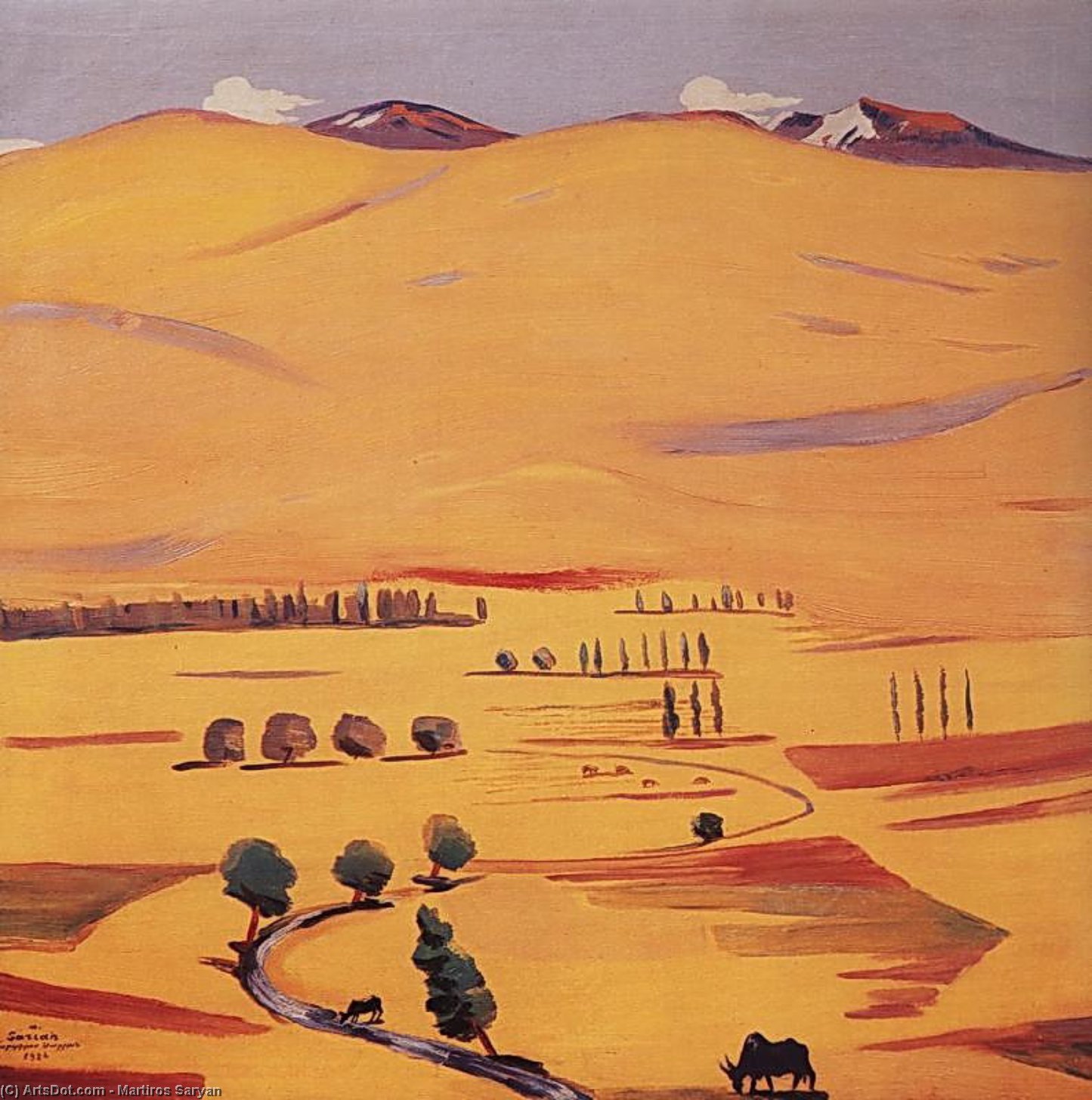
Geghama mountains
 Oil On Canvas
- WallArt
- Realism
 1926
1926 70.0 x 70.0 cm
 Разгърни целия текст
Жикле / Художествен принт
Giclée печат или принт върху платно с музейно качество, бързо производство и гъвкави опции за завършен вид. ( Поръчайте ръчно рисувано репродукция на този колекционерски предмет Превключване към дигитално изображение)




P118B $10

P118H $10

P118W $10

P438Z $10

P508JH $12

P508YH $12

P805H $10

P805Z $10

P919BZ $10

P919G $10

P919XJ $10

P959ZH $10

P968JZ $12

W106C $8

W218G $10

W218JH $8

W218Y $10

W307PJ $10

W316G $10

W316PJ $8

W316Y $10

W398PJ $8

W4111J $10

W500HY $15

W500JH $15

W692G $12

W849H $8

W940BG $15

W953PJ $8




Изберете от нашите предварително зададени размери, които съответстват на оригиналните пропорции на произведението.

Можете да въведете собствени размери, за да паснат на конкретна рамка или пространство. Ако избраният от Вас размер не съвпада с пропорциите на оригиналното изображение, ние ще изрежем произведението или ще разширим изображението с огледален или едноцветен ръб. Дигитален макет ще бъде изпратен за Ваше одобрение преди започването на производството.
Моля, имайте предвид, че предпрегледът на екрана не отразява реалното изрязване или разширяване. Само макетът ще покаже точно финалната композиция.
Въпреки че са налични персонализирани размери, препоръчваме да изберете размер от предварително дефинирания списък, за да запазите оригиналните пропорции.
Доставка по целия свят () в рамките на 2 седмици вместо стандартните 4/5 седмици. (26 Септември)

Безплатна експресна доставка по целия свят

Висококачествено ленено платно

Пълно застраховане на доставката

Гаранция за възстановяване на митнически такси

Гаранция за пълно съответствие на цветовете

Политика за връщане в рамките на 100 дни (само при дефекти)

100% Гаранция за връщане на сумата

Отстъпка при поръчка на повече произведения
 Опцията със стъкло е налична само за размери под 110 см

Geghama mountains
Жикле / Художествен принт
Размер на репродукцията
-


Крайна цена
$ 80
A Pastoral Dreamscape from Armenian Soil
To gaze upon Martiros Saryan's depiction of the Geghama mountains is to be transported to a place suspended in time—a realm where the rhythm of rural life harmonizes perfectly with the grandeur of nature. This painting is far more than a mere record of a landscape; it is an immersion into the soul of Armenia itself. The composition unfolds with breathtaking depth, drawing the viewer's eye from the immediate foreground across rolling, grassy hillsides toward distant peaks shrouded in atmospheric haze. It speaks to a deep, abiding connection between man and the magnificent earth that sustains him.
The Symphony of Life: Subjects and Symbolism
At the heart of this tranquil scene lies a vibrant tableau of pastoral life. A gentle herd of cattle grazes contentedly across the verdant slopes, their presence grounding the composition in tangible reality. Scattered among them, a solitary horse adds a touch of dynamic grace to the otherwise serene gathering. These animals are not simply decorative elements; they symbolize sustenance, continuity, and the enduring cycle of life that has defined Armenian existence for millennia. The river winding through the valley acts as a vital artery, mirroring the flow of time and the persistent spirit of its people.
Mastery in Technique and Light
Saryan’s technique here is masterful in its ability to capture both the solidity of rock and the ephemeral quality of light. While the subject matter is deeply rooted in Armenian tradition, his handling of paint suggests a vibrant immediacy. The artist employs rich, earthy tones—deep greens, ochres, and muted blues—that speak of sun-drenched stone and fertile soil. Observe how the varying degrees of detail, from the crisp outlines of the foreground cows to the softer focus of the background mountains, create an exquisite sense of perspective. This skilled layering gives the piece a palpable three-dimensionality, inviting close contemplation.
Historical Resonance and Emotional Echo
Created in 1926, this work stands at a fascinating juncture in Armenian history, capturing a moment of profound cultural identity against a backdrop of immense change. For Saryan, painting was an act of preservation—a way to anchor the spirit of his homeland onto canvas. Owning a reproduction of this piece is not merely acquiring art; it is adopting a piece of visual poetry that whispers tales of resilience and enduring beauty. It brings with it an undeniable sense of peace, transforming any room into a sanctuary reminiscent of open fields under a vast Armenian sky.
Биография на художника
Martiros Saryan: The Soul of Armenia Painted
Martiros Saryan, a name that resonates deeply within the heart of Armenian art and culture, was far more than simply an artist; he was a chronicler of his nation’s spirit, a translator of its landscapes into vibrant emotion. Born in 1880 in Nakhichevan-on-Don – a region now part of Russia – Saryan's life unfolded as a remarkable journey through artistic training, international experiences, and an unwavering commitment to capturing the essence of Armenia. His paintings aren’t merely depictions of scenery; they are windows into the soul of a people, imbued with a profound sense of connection to their land, history, and identity.
Saryan's early years were shaped by a unique upbringing in a small village. He received his initial artistic instruction from his elder brother, Hovhannes Saryan – a skilled teacher who instilled within him not just the technical skills of drawing and painting, but also a deep love for the natural world and the traditions of his homeland. This foundational training was further enriched by formal studies at the Moscow School of Arts, where he encountered the influential workshops of Valentin Serov and Konstantin Korovin. These encounters exposed him to the burgeoning currents of Post-Impressionism – particularly the evocative styles of Paul Gauguin and Henri Matisse – shaping his approach to color, composition, and the expressive potential of brushwork. The influence of these masters is evident in Saryan’s later works, where bold colors and dynamic forms combine with a distinctly Armenian sensibility.
A pivotal moment in Saryan's artistic trajectory arrived in 1901 when he embarked on his first journey to Armenia. This visit wasn’t merely a sightseeing trip; it was a transformative experience that ignited within him an unshakeable dedication to portraying his homeland with honesty and passion. He spent countless hours traversing the diverse regions of Armenia – from the rugged, snow-capped peaks of Lori to the fertile plains of Shirak, the ancient monasteries nestled in the mountains of Echmiadzin and Haghpat, and the serene shores of Lake Sevan – meticulously documenting their beauty through a series of evocative landscapes. These early works—such as “Makravank” (1902), “Aragats” (1902), and “Buffalo at Sevan” (1903)—quickly gained recognition for their vibrant colors, dynamic brushstrokes, and the palpable sense of place they conveyed. They weren’t simply representations of scenery; they were imbued with a deep emotional resonance, reflecting Saryan's profound connection to his roots.
Following his initial visit, Saryan continued to travel extensively throughout Turkey, Egypt, and Iran during the early 1910s, absorbing diverse artistic influences and broadening his perspective. However, it was his return to Armenia in 1915 – a period marked by immense suffering and displacement due to the Armenian Genocide – that fundamentally shaped his artistic vision. Witnessing firsthand the devastation and the resilience of his people fueled an even greater urgency within him to document and preserve the memory of Armenia. He dedicated himself to assisting refugees, providing solace through his art, and creating works that served as poignant reminders of their lost homeland. This period produced some of his most deeply moving paintings – “Burning Heat with a Dog Running” (1916) stands as a particularly powerful testament to this experience, capturing the raw emotion of displacement and the enduring spirit of hope.
The tumultuous years following World War I saw Saryan navigating the complexities of Soviet Armenia. Despite facing political challenges and restrictions, he remained steadfast in his artistic pursuits, continuing to paint landscapes, portraits, and scenes from Armenian life. He played a crucial role in establishing the Society of Armenian Artists in Tiflis (now Tbilisi), fostering a new generation of artists and promoting Armenian art on an international stage. His design work for the Armenian State Theatre’s curtain stands as a testament to his versatility and artistic vision – showcasing not only his painting skills but also his understanding of theatrical design and storytelling.
The Distinctive Style of a National Artist
Martiros Saryan's distinctive style is characterized by a vibrant palette, bold brushstrokes, and an expressive use of color. He frequently employed techniques reminiscent of Post-Impressionism – particularly the work of Gauguin and Matisse – incorporating elements of Fauvism into his landscapes. His paintings are often imbued with a sense of movement and energy, achieved through dynamic compositions and loose, gestural brushwork. He favored depicting scenes from rural Armenian life – shepherds tending their flocks, villagers engaged in daily activities, and the majestic beauty of the Armenian countryside – capturing not just the visual appearance but also the emotional atmosphere of these settings.
His portraits are equally compelling, revealing a deep understanding of human character. He skillfully captured the essence of his subjects through expressive eyes and subtle gestures, conveying their inner lives with remarkable sensitivity. A recurring motif in his work is the use of light – often warm and golden – which illuminates his scenes and imbues them with a sense of warmth and vitality. The interplay of light and shadow, color and form, creates a visual richness that is both captivating and deeply moving.
Major Works & Recognition
Among Saryan’s most celebrated works are:
- “Makravank” (1902): A vibrant depiction of the Makravank monastery, showcasing his mastery of color and composition.
- “Aragats” (1902): An iconic image of Mount Aragats, Armenia’s highest peak, symbolizing strength and resilience.
- “Buffalo at Sevan” (1903): A dynamic landscape capturing the beauty of Lake Sevan and its surrounding scenery.
- “Evening in the Garden” (1903): A serene portrayal of an Armenian village garden bathed in the golden light of dusk.
- “In the Armenian Village” (1903): A charming depiction of daily life in a traditional Armenian village.
Saryan’s artistic achievements were widely recognized throughout his career. He was awarded the title of “People’s Artist of the USSR” in 1960 and received numerous accolades, including the Lenin Prize and the Order of Lenin. His work has been exhibited extensively both within Armenia and internationally, solidifying his place as a leading figure in Armenian art.
A Legacy Enduring
Martiros Saryan’s contribution to Armenian art is profound and multifaceted. He played a pivotal role in establishing a distinctively Armenian style of painting, moving beyond traditional academic approaches and embracing a more expressive and emotionally resonant form of artistic expression. His work served as a powerful symbol of national identity during a period of significant political and social upheaval, capturing the spirit of Armenia and its people.
His dedication to portraying the beauty of his homeland, particularly in the face of adversity, has made him an enduring icon of Armenian culture. The Saryan Museum in Yerevan stands as a testament to his legacy, offering visitors a chance to immerse themselves in his world and appreciate the depth and richness of his artistic vision. Saryan’s influence continues to be felt by artists today, inspiring them to explore their own cultural heritage and create works that reflect the beauty and complexity of their respective nations.
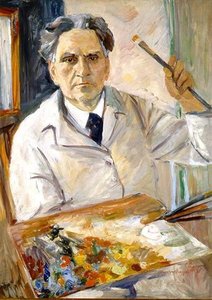
Мартирос Сарян
1880 - 1972 , Русия
Бързи факти
- Artistic Movement Or Style: Фовизъм
- Artists Or Movements Influenced By This Artist: ['Паул Гугенхайм']
- Artists Who Influenced This Artist:
- Валентин Серов
- Константин Коровин
- Date Of Birth: 28 февруари 1880 г.
- Date Of Death: 5 май 1972 г.
- Full Name: Martiros Saryan
- Nationality: Арменски
- Notable Artworks:
- Арагацс
- Макраванк
- Place Of Birth: Новая Нахичеван, Русия
Свързани статии

Топ 10 шедьовъра на Романтичния пейзаж: Изкуство за вашия дом от OriginalUniqueArt.com
Открийте 10 шедьовъра на Романтичния пейзаж – Фридрих, Търнър и други! Разгледайте историите зад картините, техниките и емоциите. Репродукции с музейно качество от OriginalUniqueArt.com. Вдъхновете се за вашия дом!
Idyllic Visions: Exploring the Pastoral Tradition in Western Art – Themes, Techniques & Enduring Appeal
Explore the rich history of pastoral art from classical Arcadia to contemporary interpretations. Discover key artists, themes & collecting tips at OriginalUniqueArt.
Martiros Saryan: A Revolutionary Vision of Armenian Identity Through Modernist Painting
Explore the revolutionary art of Martiros Saryan, founder of modern Armenian painting. Discover his vibrant landscapes, cultural impact & legacy at OriginalUniqueArt.com.

Evocations of Place: A Historical Journey Through Landscape Art
Explore the rich history of landscape art with OriginalUniqueArt. Discover renowned artists, movements like Impressionism & Romanticism, and expert guidance for collecting timeless pieces. Find your perfect serene escape today!

Idyllic Visions: Exploring the Pastoral Scene in Art History – From Arcadia to Modern Interpretations
Explore the captivating history of pastoral art from classical Arcadia to modern masterpieces. Discover key artists like Millet & Cole at OriginalUniqueArt. Find serene landscape paintings for your home.