Преглед в реален мащаб
 Изпрати
 Сподели
 Детайли
 Ръководство

 Изтегляне
 Подобни артикули
 Рентгенова снимка
 Слайдшоу
 Въпроси и отговори
 Статистика
Patroclus

- 122.0 x 170.0 cm


 Прочети повече
Жикле / Художествен принт
Giclée печат или принт върху платно с музейно качество, бързо производство и гъвкави опции за завършен вид. ( Купете ръчно рисувана картина Превключване към дигитално изображение)




P118B €10

P118H €10

P118W €10

P438Z €10

P508JH €12

P508YH €12

P805H €10

P805Z €10

P919BZ €10

P919G €10

P919XJ €10

P959ZH €10

P968JZ €12

W106C €8

W218G €10

W218JH €8

W218Y €10

W307PJ €10

W316G €10

W316PJ €8

W316Y €10

W398PJ €8

W4111J €10

W500HY €15

W500JH €15

W692G €12

W849H €8

W940BG €15

W953PJ €8




Изберете от нашите предварително зададени размери, които съответстват на оригиналните пропорции на произведението.

Въведете необходимата ширина и височина, за да паснат на вашата рамка или стена. Принтовете могат само да се изрязват, но никога не могат да бъдат по-големи от оригиналната картина, така че при размер с различен формат част от изображението ще бъде загубена. Преди да започнем печат, ще ви изпратим дигитален мок업 за одобрение. Изображението, показано на тази страница, не показва реалното изрязване — само мок업ът го показва.
Доставка по целия свят () в рамките на 2 седмици вместо стандартните 4/5 седмици. (17 Ноември)

Безплатна експресна доставка по целия свят

Висококачествено ленено платно

Пълно застраховане на доставката

Гаранция за възстановяване на митнически такси

Гаранция за пълно съответствие на цветовете

Политика за връщане в рамките на 100 дни (само при дефекти)

100% Гаранция за връщане на сумата

Оферта за отстъпка при поръчка на повече бройки
 Опцията със стъкло е налична само за размери под 110 см

Patroclus
Жикле / Художествен принт
Размер на репродукцията
-


Обща цена
€ 72
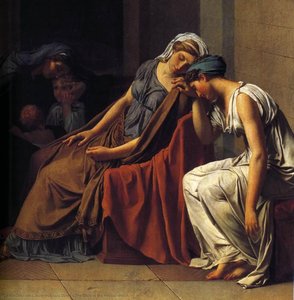
A Glimpse into Ancient Greece: The Majesty of Patroclus
Jacques-Louis David’s 1780 painting, *Patroclus*, is more than a mere depiction of a Greek warrior; it's a meticulously crafted doorway to the ideals and moral complexities of Neoclassicism. Housed within the Musée Thomas Henry in Cherbourg, France, this oil on canvas invites us into a carefully constructed tableau that speaks volumes about honor, duty, and the poignant beauty of mortal existence. The image presents a man, powerfully built yet rendered with an almost serene detachment, turned away from direct view. This strategic pose immediately draws our attention to his physique – sculpted muscles hinting at strength and resilience – while simultaneously fostering a sense of contemplative distance.
David’s genius lies not just in anatomical accuracy but in the masterful orchestration of elements within the composition. The rough-hewn rock beneath him, coupled with the simple wooden bench, provides an earthy grounding to the scene, anchoring it firmly in the physical world. Yet, these humble materials are juxtaposed against the implied grandeur of the figure himself. And then there’s the book resting near his foot – a subtle yet potent symbol of knowledge and wisdom, suggesting that even amidst the trials of war and mortality, contemplation and learning hold enduring value. The lighting, carefully considered to create dramatic shadows and highlights, further emphasizes the musculature and adds depth to the scene, guiding our eye across the canvas.
The Neoclassical Vision: David’s Echoes of Antiquity
Created during a pivotal moment in French history – the waning years of the Ancien Régime and the burgeoning influence of revolutionary ideals – *Patroclus* embodies the core tenets of Neoclassicism. David, deeply influenced by the rediscovery of classical art and literature, sought to revive the aesthetic principles of ancient Greece and Rome. This wasn’t simply a stylistic choice; it was a deliberate attempt to connect with perceived moral virtues and civic responsibility. The painting's emphasis on idealized form, balanced composition, and restrained emotion reflects this commitment to classical ideals.
Unlike the opulent frivolity of the Rococo style that preceded it, Neoclassicism prioritized clarity, order, and a sense of timelessness. David’s meticulous attention to detail – from the texture of the fabric to the subtle nuances of light and shadow – demonstrates his dedication to replicating the precision and gravitas he admired in ancient sculpture and painting. The subject matter itself—a warrior figure embodying strength and stoicism—resonates with classical notions of heroism and self-sacrifice, themes frequently explored by Greek artists like Phidias and Polyclitus.
Symbolism and Emotional Resonance: A Portrait of Stoic Virtue
Beyond its formal qualities, *Patroclus* is rich in symbolic meaning. The figure’s averted gaze suggests a quiet contemplation, perhaps reflecting on the burdens of his role or the inevitability of mortality. His posture conveys a sense of dignified restraint – a warrior accepting his fate with unwavering resolve. The book, often interpreted as representing wisdom and philosophical reflection, hints at the importance of intellect alongside physical prowess. The painting isn’t about glorifying violence; it's about portraying a man who embodies virtue through strength, discipline, and an acceptance of duty.
David masterfully evokes a feeling of melancholy beauty. There is a profound sense of stillness within the scene, inviting the viewer to pause and consider the complexities of human existence. The painting’s enduring appeal lies in its ability to transcend its historical context and speak to universal themes of courage, honor, and the search for meaning – qualities that continue to resonate with audiences today. It's a testament to David's skill as an artist and his profound understanding of the power of visual storytelling.
Въпроси и отговори
Коя е фазата от творческия път на Жак-Луи Давид, която представлява „Patroclus“?
"Patroclus" представлява Neoclassical Era на Жак-Луи Давид.
Как се свързва сюжетът на „Patroclus“ с типичните за Жак-Луи Давид теми?
Повторящите се теми в творчеството на Жак-Луи Давид включват classical ideals, revolutionary spirit, moral lessons, historical narrative, napoleonic era; „Patroclus“ се фокусира върху greek mythology, nude figure, musculature, classical theme, bench, book, depth, composition.
Как се препоръчва да бъде отпечатана творбата "Patroclus" – какъв размер и каква ориентация?
Размер Large, ориентация Landscape: това е препоръчителната конфигурация за печат на „Patroclus“ на Жак-Луи Давид.
Биография на художника
Животът и изкуството на Жак-Луи Давид
Роден в Париж, Франция, на 30 август 1748 г., Жак-Луи Давид се появява на сцената по време на период на дълбока политическа и естетическа трансформация. Той се превръща в главния представител на неокласицизма в края на XVIII век – движение, което се стреми да замени декоративната причудливост на рококо с чувство за ред и морална яснота. Кариерата му е белязана от способността му да навигира през най-турбулентите преломи в историята на Франция, преминавайки от структурираните йерархии на Стария режим към радикализма на Революцията и имперското величие на епохата на Наполеон.
Като водещ живописец на своята епоха, Давид прави нещо много повече от това просто да улови приликите на своите субекти; той предоставя визуален език за променящите се идеали на своята нация. Нените творби често се фокусират върху исторически и класически теми, използвайки строги контури и дисциплиниран подход към композицията. Тази ангажираност с яснотата помага за утвърждаването на неокласицизма като доминираща художествена сила във Франция. Неговите платна често са с голям мащаб, проектирани да привличат вниманието и да предават тежестта на сцените, които изобразяват.
Творческото му наследство е огромно и разнообразно, обхващащо всичко – от интензивни исторически драми до официална портретна живопис. Сред неговите най-забележителни шедьоври можем да посочим:
- Клятва на Хоратите (1784)
- Смъртта на Сократ (1787)
- Смъртта на Марат (1793)
- Мадам Рекамие (около 1800)
Ранен живот, семейство и обучение
Роден в средната класа на търговците и занаятчиите в Париж, ранните години на Жак-Луи Давид са белязани от внезапно и остро прекъсване на нормалния ход на живота. Когато е на девет години, баща му е убит в дуел, оставяйки малкия момче да бъде отгледан от заможното си чичо, архитекти. По време на формалното си обучение той се оказва безразличен ученик, чийто ум често е блуждаел далеч от учебниците, насочен към магията на рисуването. Тази ранна пристрастеност към молета и въглена подсказва за темперамент, по-подходящ за студиото, отколкото за учебната класа.
Пътят му към професионално майсторство започва под ръководството на Франсоа Буше, майстор в стила рококо. Въпреки че Буше му осигурява първоначалното обучение, Давид в крайна сметка търси различен път, насочвайки се към наставничеството на Жозеф-Мари Виен. Като професор в Кралската академия по живопис и скулптура, Виен предлага по-класически подход, който в крайна сметка ще дефинира естетиката на Давид. Този период на обучение не е бързо въздигание, а процес на проби и грешки. Той преминава през разочарованието от три неуспешни опита за спечеляване на престижната награда „Prix de Rome“ – обрат, който изпита решителността му. Накрая той постига наградата през 1774 г., победа, която фундаментално ще промени хода на неговата кариера.
Издигането на неокласицизма и италианските проучвания
Траекторията на развитието на Жак-Луи Давид претърпя решителна промяна през 1775 г., когато той пътува до Италия заедно със своя учител, Жозеф Виен. Този период на обучение му осигурява необходимата дистанция от декоративните тенденции на френския двор, позволявайки му да се изправи директно пред величието на античността. В сянката на Рим той насочва вниманието си към майсторите от XVII век, поглъщайки структурираните композиции на Пусен и драматичната игра на светлина на Караваджо. Той изучава също така творчеството на семейство Карачи, откривайки в техния подход баланс между форма и натурализъм, който ще оформи неговия собствен развиващ се стил.
През тези години Жак-Луи Давид се запознава с Рафаел Менгс, фигура, която проповядваше строгото и дисциплинирано изучаване на класическите източници. Това интелектуално срещане помага на младия пълноправен майстор да се отклони от оставащата причудливост на рококо. Фокусът му се измества към по-суров и морално ориентиран неокласицизъм – стил, който предпочита яснотата и реда пред орнаменталистиката. Преживяването в Италия не само усъвършенства неговата техника, но и полага философската основа за кариера, посветена на търсенето на гражданската добродетел и историческата тежест.
- Антиох и Стратоника (1774)
Художествената роля по време на Френската революция
Политическите разломи от 1789 г. застават Жак-Луи Давид в самото сърце на променящите се течения на френското общество. Той не е просто наблюдател, а активен поддръжник на революцията, който излиза от тишината на своята студио, за да се сблъска директно с радикалнините сили, прекрояващи облика на нацията. Като член на якобинската фракция, неговата преданост към каузата е едновременно идеологическа и дълбоко лична. Силната му връзка с Максимилиен Робеспиер го поставя в епицентъра на най-интензивните политически интриги на тази епоха.
Влиянието му прониква дълбоко в административното ядро на новата република, където той служи като художествен директор. В тази роля той помага за оформирането на визуалния език на едно движение, което се стреми да замени старите йерархии с нови, граждански насочени идеали. Творчеството му през тези години често служи като огледало на пламъка на улиците, улавяйки тежестта на мъченичеството и бремето на републиканския дълг. Той не просто рисува революцията; той помага за създаването на нейния публичен образ.
- Смъртта на Марат (1793)
- Ликторите, връщащи телата на синовете си на Брут (1789)
Покровителство и служба на Наполеон
Политическите приливи, които някога подхранваха революционния пыл на Давид, в крайна сметка се утакоха в структурираното величие на Империята. С възхода на Наполеон Бонапарт към власт, художникът премина от ролята на привърженик на Републиката към официален придворенх художник на новия режим. Тази трансформация беше официално закрепена през 1804 г., когато той бе назначен за Първи художник на Императора. Неговата мисия беше да създаде визуален език за авторитета на Наполеон, превръщайки военните триумфи и императорското достойнство в грандиозен, публичен мащаб.
Този период на служба донесе една фина еволюция в неговата естетика. Строгата, понякога сурова яснота на ранните му неокласически творби започна да омеква, уступавайки място на стила на Империята. Палитрата му стана по-сложна, включвайки топли венециански цветове, които придаваха усещане за богатство на композициите му. Той се отдалечи от суровостта на революционните си години, заменяйки я с по-опирашен визуален речник, който отговаряше на церемониалните нужди на императорския двор.
- Наполеон пресича Алпите (1801-1805)
- Коронацията на Наполеон (1807)
Техника и неокласически стил
Мазането на Жак-Луи Давид отхвърля вихрещите, декоративни преливания на Рококо в полза на дисциплинирана, структурна яснота. Неговите композиции се опираха на строги контури и скулптурни форми, които придаваха на фигурите му усещане за вечност, сякаш те са изсечени от мрамор, а не изписани с масло. Тази прецизност се съчетаваше с предпочитание към полирани повърхности, при които ръката на художника често изчезваше зад безпроблемния, завършен вид на платното. Той се стреми да улови същността на античността чрез визуален език на ред и самообладание.
Светлината и сянката функционираха като основни инструменти на драма в неговото студио. Той използваше суров, драматичен тенебризъм – техника, която чрез тежки контрасти изваждаше субектите от тъмнината. Този подход, съчетан с караваджиев реализъм, му позволяваше да вкорени своите исторически и митологични сцени в осезаема, физическа реалност. Вместо да разчита на буйство от цветове, той често използваше сдържана палитра, доминирана от земни тонове, която насочваше вниманието на зрителя към моралното тежест на сцената, а не към обикновената орнаменталистика.
- Клятва на Хорациите (1784)
- Смъртта на Сократ (1787)
- Смъртта на Марат (1793)
- Портрет на мадам Рекамие (1800)
Ключови творби и шедьоври
Траекторията на кариерата на Жак-Луи Давид е белязана от способността му да превежда политическите и морални течения на Франция в строги, скулптурни форми. През 1784 г. той завършва „Клятва на Коралии“ — произведение, което бележи решително от apart от декоративната причудливост на предходната епоха. Заменяйки меките извивки с остра, линейна прецизност, той създава визуален език на гражданския дълг. Това чувство за морална тежест продължава през 1787 г. с „Смъртта на Сократ“, където той изобразява последните моменти на философа с спокойно, дисциплинирано яснота, която поставя интелектуалната убеденост над хаотичната емоция.
С настъпването на насилието по време на Революцията, кичът на Давид се превръща в инструмент за документиране на непосредственото и трагичното. Неговото изображение на „Смъртта на Марат“ от 1793 г. превръща политическото убийство в сцена на дълбока, тиха неподвижност. Бледятят, отпуснат корпус на журналиста, подпирен на импровизирано бюро, премахва шума на Террора, за да се фокусира върху една единствена, призрачна реалност. Тази способност да улавя тежестта на момента определя неговата роля като визуален хроникер на епохата.
Преходът от революционен пыл към императорско величие кара Давид да насочи вниманието си към човека, който ще преоформи Европа. Между 1801 и 1805 г. той рисува „Наполеон пресичащ Алпите“, представяйки лидера като фигура с митична сила. Това е последвано от огромното платно от 1807 г., „Коронацията на Наполеон“, което документира пищността на императорската церемония. Дори в по-интимната му портретна живопис, като изображението на „Мадам Рекамие“ от 1800 г., неговата привърженост към структурираната композиция и официалното достойнство остава неизменна.
- Смъртта на Сократ (1787)
- Смъртта на Марат (1793)
- Мадам Рекамие (1800)
- Наполеон пресичащ Алпите (1801-1805)
- Коронацията на Наполеон (1807)
Ученици, последователи и художествено влияние
Ателието на Жак-Луи Давид функционира като жизненоважен център за предаване на неокласическите принципи, привличайки разнородна група от ученици, които по-къло по-късно ще оформат деветнадесети век. Сред най-видните му последователи е Жан-Огюст-Доминик Ингрез, който в крайна сметка се утвърди като самостоятелна и мощна художествена сила. Линията на обучение на Давид включваше и Антуан-Жан Гро и Франсоа Жерар, които и двамата се справят с променящите се вкусове на епохата, носейки в себе си тежестта на неговото строг и дисциплиниран подход. Дори Жером-Мартен Ланглуа намира своя път в тази дисциплинирана среда, поглъщайки техническата прецизност, продиктувана от господстващата естетика.
Този педагогически обхват се простираше далеч от обикновената учебна стая. Формалните структури и експресивните изкривявания, които Давид използваше в своите композиции, оставиха следа, която резонираше през следващите поколения. Неговото влияние достигне до радикалното преобразление на модерната ера, намирайки неочаквани ехота в творчеството на Анри Матис и Пабло Пикасо. Докато неговите директни ученици често се опитваха да усъвършенстват или дори да се бунтуват срещу неговото стриктно придържане към класическия ред, фундаменталният акцент върху рисунка и структурната яснота остана постоянна нишка в еволюцията на френското изкуство.
Изгнание и смърт в Брюксел
Политическите приливи, които някога го носеха до върховете на императорската милост, в крайна сметка се обърнаха срещу него. След падението на Наполеон, променящият се пейзаж на Франция не остави много място за бившия придворенх художник. През 1816 г. Жак-Луи Давид е изпратен на изгнание в Брюксел — ход, който беляза края на неговото директно влияние върху френската държава. Той обаче не се оттегли в мълчание. В този белгийски град той запази своята професионална строгост, продължавайки да рисува и да наставлява ученици до последните си дни.
Присъствието му в Брюксел остава постоянен фактор през последното десетилетие от живота му. Той преживя прехода на европейската мощ, като остана свидетел на самата история, която някога беше помогнал да документира върху платното. На 29 декември 1825 г. неговият път пристига до своя край. Той почина в Брюксел, далеч от парижките салони и императорските дворове, които бяха дефинирали най-активните му години.
Паметник бележи мястото на неговия покой. На гробището в Брюксел се издига обелиск като мемориал на човека, който някога беше визуалният архитектор на една епоха. Този каменен знак служи като тихо завършване на кариера, обхващаща най-бурните трансформации на френската държава.
Къде могат да се видят произведенията днес
Физическото присъствие на творческото наследство на Жак-Луи Давид е разпръснато из най-големите съкровищници на европейското и световното изкуство. Музеят Лувър в Париж остава основният пазител на неговото творчество, съхранявайки значителна част от неговите най-влиятелни платна. В Ню Йорк Метрополитният музей на изкуството пази няколко негови произведения, позволявайки на изследвателите да се докоснат до неговата прецизност далеч от френските улици. Мащабът на неговото влияние се простира и на Изток, като Държавният музей „Пушкин“ в Москва притежава портрет на Ингрес — творба, която отразява сложните връзки между Давид и неговия най-известен ученик.
На юг във Франция, Музеят Фабр в Монпелие предлага съвсем различна перспектива върху неговото развитие. В неговите стени може да се открие Хектор, произведение от 1778 г., което улавя един по-формиращ, драматичен натурализъм. Тази картина служи като прозорец към по-ранните стилистични наклонности на художника, преди той напълно да приеме суровата яснота, която ще дефинира по-късните му години. Да се наблюдава неговото изкуство в тези разнообразни среди означава да се проследи географското разпространение на един стил, който някога е диктувал визуалния език на една цяла епоха.
- Смъртта на Сократ, 1787
- Клятва на Коралии, 1784
- Смъртта на Марат, 1793

Жак-Луи Давид
1748 - 1825 , Франция
Бърза информация
- Artistic Movement Or Style: Неокласицизъм
- Artists Or Movements Influenced By This Artist:
- Жан-Огюст-Доминик Ингр
- Хенри Матис
- Пабло Пикасо
- Artists Who Influenced This Artist:
- Франсоа Буше
- Жозеф-Мари Виен
- Date Of Birth: 1748
- Date Of Death: 1800
- Full Name: Жак-Луи Давид
- Nationality: Френска
- Notable Artworks:
- Клятва на Хоратите
- Смъртта на Марат
- Наполеон пресичащ Алпите
- Коронацията на Наполеон
- Смъртта на Сократ
- Place Of Birth: Париж, Франция
Свързани статии

10 Iconic Neoclassicism Masterpieces That Changed Art History Forever
Journey through history with 10 iconic Neoclassicism masterpieces. From Jacques-Louis David to Ingres, explore the stories behind these timeless works and find museum-quality art reproductions for your decor. Discover all masterpieces on OriginalUniqueArt.com.
10 Iconic Neoclassical Masterpieces That Changed Art History Forever
Journey through history with 10 iconic Neoclassical masterpieces. From Jacques-Louis David to timeless legends, explore the stories behind these museum-quality works. Find inspiration for your decor with our curated art reproductions. Discover all masterpieces on OriginalUniqueArt.com.
Трио от платнове: Емоционалният резонанс на избора в съвременното изобразително изкуство
Разгледайте емоционалния резонанс в съвременното изобразително изкуство! Открийте теми, стилове и техники, които вдъхновяват. Експертни съвети за колекциониране и инвестиции в платна, които резонират с вашата душа.

Embodying the Polis: Civic Virtue as Subject & Symbol in Western Art
Explore the fascinating history of civic virtue in Western art! From ancient Greece to the French Revolution, discover how artists depicted ideals of citizenship, duty & republicanism. Expert analysis at OriginalUniqueArt.

10 Iconic Neoclassicism Masterpieces That Changed Art History Forever
Journey through the grandeur of Neoclassicism. Explore 10 iconic masterpieces, from Jacques-Louis David to Ingres, uncovering the stories behind these timeless classics. Find museum-quality art reproductions and elegant decor inspiration. Discover all masterpieces on OriginalUniqueArt.com.