 Преглед в реален мащаб
 Изпрати
 Сподели
 Детайли
 Ръководство

 Изтегляне
 Подобни артикули
 Рентгенова снимка
 Слайдшоу
 Въпроси и отговори
 Статистика
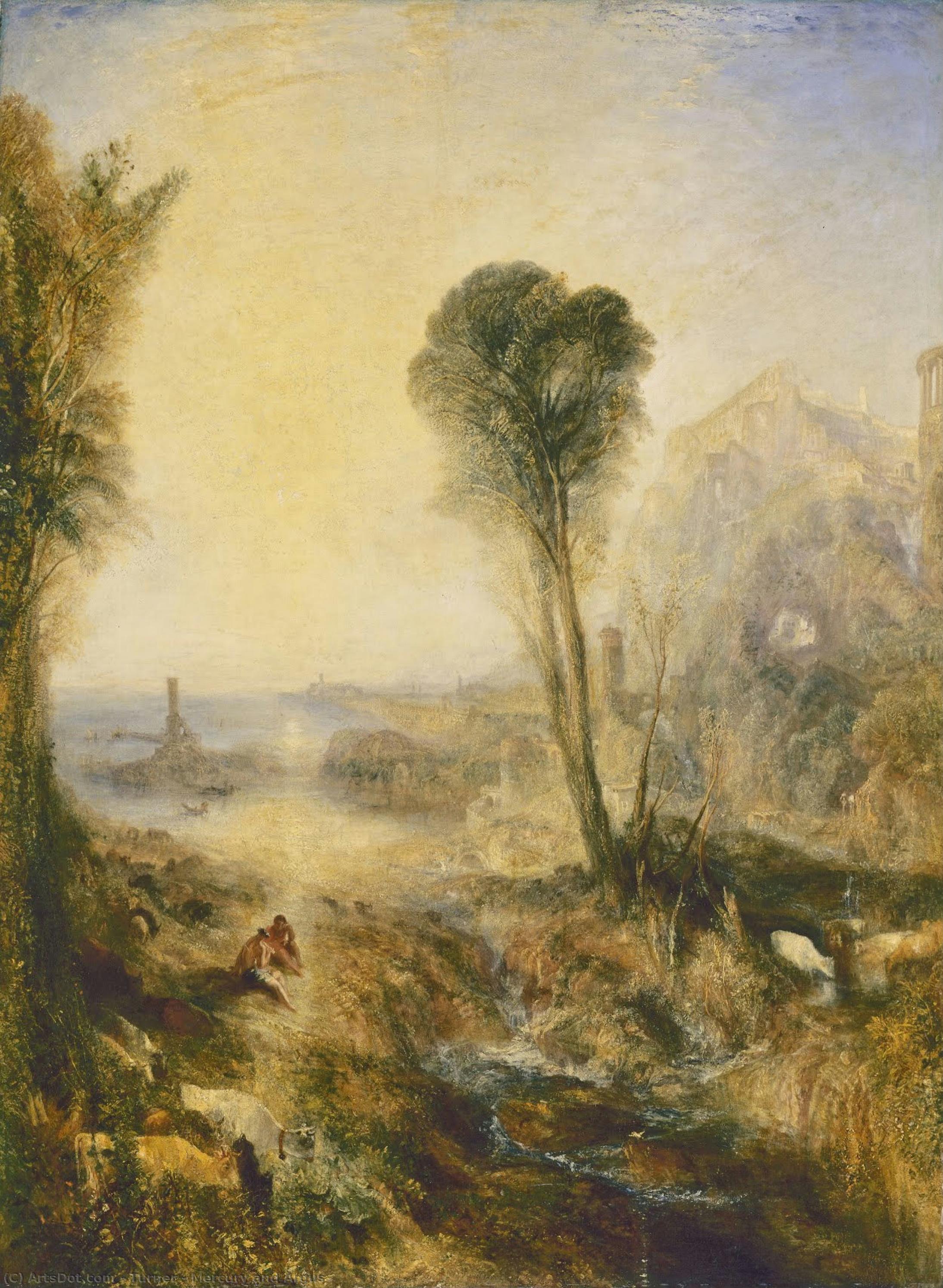
Mercury and Argus

- 151.0 x 111.0 cm


 Прочети повече
Жикле / Художествен принт
Giclée печат или принт върху платно с музейно качество, бързо производство и гъвкави опции за завършен вид. ( Купете ръчно рисувана картина Превключване към дигитално изображение)




P118B €10

P118H €10

P118W €10

P438Z €10

P508JH €12

P508YH €12

P805H €10

P805Z €10

P919BZ €10

P919G €10

P919XJ €10

P959ZH €10

P968JZ €12

W106C €8

W218G €10

W218JH €8

W218Y €10

W307PJ €10

W316G €10

W316PJ €8

W316Y €10

W398PJ €8

W4111J €10

W500HY €15

W500JH €15

W692G €12

W849H €8

W940BG €15

W953PJ €8




Изберете от нашите предварително зададени размери, които съответстват на оригиналните пропорции на произведението.

Въведете необходимата ширина и височина, за да паснат на вашата рамка или стена. Принтовете могат само да се изрязват, но никога не могат да бъдат по-големи от оригиналната картина, така че при размер с различен формат част от изображението ще бъде загубена. Преди да започнем печат, ще ви изпратим дигитален мок업 за одобрение. Изображението, показано на тази страница, не показва реалното изрязване — само мок업ът го показва.
Доставка по целия свят () в рамките на 2 седмици вместо стандартните 4/5 седмици. (5 Ноември)

Безплатна експресна доставка по целия свят

Висококачествено ленено платно

Пълно застраховане на доставката

Гаранция за възстановяване на митнически такси

Гаранция за пълно съответствие на цветовете

Политика за връщане в рамките на 100 дни (само при дефекти)

100% Гаранция за връщане на сумата

Оферта за отстъпка при поръчка на повече бройки
 Опцията със стъкло е налична само за размери под 110 см

Mercury and Argus
Жикле / Художествен принт
Размер на репродукцията
-


Обща цена
€ 72
A Vision of Mythic Tranquility
The artwork presents a romantic landscape scene with figures in the foreground and a distant cityscape. A central stream or river leads the eye towards a hazy, distant city. Tall trees dominate the left side of the frame, creating a vertical emphasis and framing the scene. In the foreground on the right, a group of figures, appearing to be shepherds and their flock, occupy the space.
The composition utilizes atmospheric perspective to create depth, with distant objects rendered in paler colors and less detail. The color palette is dominated by warm earth tones, including yellows, browns, ochres, and muted greens, with subdued hints of blue and grey in the sky and distant city. Lines are soft and blurred, contributing to an atmospheric effect, while the water appears fluid and shimmering.
Technical Composition and Style
The painting is executed using oil paint on canvas. The technique involves visible brushstrokes that create a sense of roughness on the trees and ground. The lighting is diffused and soft, suggesting an overcast day or early morning/late afternoon light, with no strong directional light source.
Key visual elements include:
- Shapes: Organic and flowing forms reflecting natural landscape elements.
- Textures: A textured appearance on the trees and ground contrasted with a smooth, hazy texture in the distant cityscape.
- Perspective: Depth achieved through overlapping forms and the winding horizontal lines of the stream.
Въпроси и отговори
Каква палитра и какво чувство съчетава "Mercury and Argus"?
Палитрата от Neutrals в „Mercury and Argus“ на Джон Мърдок Уилъм Търнър се съчетава с неговия Nostalgic емоционален тон. Цветът е един от начините, по които едно произведение предава чувство.
Свободен ли е от авторско право "Mercury and Argus"?
Статусът на авторското право за „Mercury and Argus“ на Джон Мърдок Уилъм Търнър: произведението е в обществено достояние – авторското право е изтекло. Това определя дали могат да се правят свободно репродукции на изображението.
Коя е датата на създаване на „Mercury and Argus“ на Джон Мърдок Уилъм Търнър?
Създаването на „Mercury and Argus“ на Джон Мърдок Уилъм Търнър датира от 1840.
Биография на художника
A Life Painted in Light: The World of J.M.W. Turner
Joseph Mallord William Turner, universally known as J.M.W. Turner, wasn’t merely a painter; he was a visionary who fundamentally reshaped the landscape of art and laid the groundwork for modern abstraction. Born in Maiden Lane, Covent Garden, London, in 1775, his origins were modest – the son of a barber and wig maker. Yet, even from childhood, an extraordinary talent began to blossom within him. By the tender age of fourteen, he was enrolled at the Royal Academy, presenting his initial works just a year later. This early promise wasn’t simply technical proficiency; it hinted at an innate understanding of light, color, and atmosphere – qualities that would become the defining characteristics of his remarkable career. To supplement his artistic education, Turner gained practical experience as an architectural draftsman, honing his perspective and compositional skills—abilities that proved invaluable in rendering both meticulously detailed topographical views and vast, emotionally resonant landscapes. Turner’s formative years were characterized by a fervent dedication to his craft, fueled by a natural aptitude and an unwavering pursuit of artistic excellence.The Romantic Tempest: Style and Influences
Turner emerged during the zenith of the Romantic era, yet he didn't simply adhere to its conventions. He absorbed influences from diverse sources – the Dutch masters like Claude Lorrain and Aelbert Cuyp, whose luminous landscapes captivated him, and artists such as Richard Wilson, known for his poetic depictions of nature. However, Turner didn’t merely imitate; he synthesized these influences into something entirely unique. His work is immediately recognizable by its expressive use of color, often employing bold contrasts and vibrant hues to convey emotion and atmosphere with remarkable intensity. He possessed a profound fascination with the power and drama of the natural world – turbulent seascapes, fiery sunsets, and swirling storms became recurring motifs in his paintings, each imbued with a palpable sense of energy and movement. Crucially, Turner wasn’t interested in passively recording what he saw; instead, he sought to capture *the feeling* of a place—the sublime awe inspired by the natural world. This pursuit led him to experiment with increasingly loose brushwork, dissolving forms into washes of color and light – techniques that presaged the Impressionist movement decades later. The influence of John Ruskin, who championed Turner’s work from 1840, elevated landscape painting to a new level of critical acclaim, solidifying Turner's place in art history.A Prolific Legacy: The Scope of Turner’s Output
The sheer volume of Turner’s artistic output is astonishingly vast. He produced over 550 oil paintings, nearly 2,000 watercolors, and an astounding 30,000 works on paper—a testament to his tireless exploration of diverse subjects, techniques, and styles. His paintings span a remarkable range: from meticulously detailed topographical views of British landscapes to dramatic historical scenes and evocative maritime depictions. He was equally adept at capturing the tranquility of a pastoral scene and the terrifying power of a raging storm. Works like “Fort Vimieux” exemplify his mastery of depicting atmospheric effects—the swirling clouds, the crashing waves, and the intense light all contribute to a profound sense of drama and sublime beauty. Similarly, "Scene in the Campagna" showcases his ability to capture the warmth and serenity of the Italian countryside with delicate brushwork and luminous colors. Beyond painting, Turner was also a skilled printmaker, further disseminating his artistic vision through engravings and lithographs, expanding the reach of his work beyond the canvas.Eccentricity and Remembrance: The Man Behind the Masterpieces
Turner’s personal life was as complex and enigmatic as his art. He remained intensely private and reclusive, often shunning social gatherings and preferring the solitude of his studio or the open road. He fathered two daughters, Evelina and Georgiana, with Sarah Danby, the wife of a fellow artist, but maintained a distant relationship with them. His later years were marked by increasing eccentricity and declining health. Following his father’s death in 1829, he became increasingly morose and withdrawn, living in squalor and neglecting his appearance. He adopted the pseudonym “Mr. Booth” to avoid recognition and even rowed his boat into the Thames during a census to remain untraceable. Despite these eccentricities—or perhaps because of them—Turner remains one of Britain’s most beloved artists. His final years were spent in Chelsea, where he passed away on December 19, 1851, at the age of 76. In a fitting tribute to his enduring legacy, he is buried in St Paul's Cathedral, alongside other British luminaries—a testament to his profound impact on art and culture. His work continues to inspire artists and captivate audiences worldwide, ensuring that the light of J.M.W. Turner will continue to shine for generations to come.Major Achievements
Turner’s legacy rests upon a series of groundbreaking achievements:- Pioneering Atmospheric Effects: He revolutionized landscape painting by prioritizing capturing the *feeling* of a place over strict topographical accuracy, utilizing loose brushwork and vibrant color palettes to convey mood and atmosphere.
- Maritime Masterpieces: His depictions of ships at sea—particularly “The Fighting Temeraire”—are considered among the greatest paintings ever created, capturing both the beauty and the brutality of naval life.
- Historical Narratives: Turner’s dramatic historical scenes, such as "Snow Storm—Steamer off Blackfriars Bridge," demonstrated his ability to blend artistic expression with narrative storytelling.
- Influence on Impressionism: His innovative use of color and light foreshadowed the techniques employed by the Impressionist movement, solidifying his position as a pivotal figure in art history.
Historical Significance
J.M.W. Turner’s work holds significant historical importance for several reasons:- Romanticism's Peak: He represents the culmination of Romantic ideals—a celebration of nature, emotion, and imagination.
- Shift in Artistic Focus: His emphasis on subjective experience and atmospheric effects marked a decisive shift away from traditional academic painting.
- Enduring Inspiration: Turner’s legacy continues to inspire artists today, demonstrating the power of art to capture the beauty and complexity of the world around us.

Джон Мърдок Уилъм Търнър
1775 - 1851 , Великобритания
Бърза информация
- Artistic Movement Or Style: Романтизъм
- Artists Or Movements Influenced By This Artist:
- Impressionism
- Abstract Art
- Artists Who Influenced This Artist:
- John Robert Cozens
- Richard Wilson
- Date Of Birth: 23 април 1775
- Date Of Death: 19 декември 1851
- Full Name: Joseph Mallord William Turner
- Nationality: Британски
- Notable Artworks:
- Fort Vimieux
- Scene in the Campagna
- Place Of Birth: Лондон, Великобритания
Свързани статии

Evocations of Place: A Historical Journey Through Landscape Art
Explore the rich history of landscape art with OriginalUniqueArt. Discover renowned artists, movements like Impressionism & Romanticism, and expert guidance for collecting timeless pieces. Find your perfect serene escape today!

Топ 25 шедьовъра на Джон Констабъл: Английски пейзажи за вашия дом | OriginalUniqueArt.com
Открийте топ 25 шедьовъра на Джон Констабъл – английски пейзажи, романтизъм и красотата на природата. Репродукции с музейно качество за вашия дом! Разгледайте пълната колекция онлайн на OriginalUniqueArt.com.

Топ 10 шедьовъра на Романтичния пейзаж: Изкуство за вашия дом от OriginalUniqueArt.com
Открийте 10 шедьовъра на Романтичния пейзаж – Фридрих, Търнър и други! Разгледайте историите зад картините, техниките и емоциите. Репродукции с музейно качество от OriginalUniqueArt.com. Вдъхновете се за вашия дом!

The Sublime and the Picturesque: Exploring Emotion & Nature in Romantic Landscape Painting
Explore the emotional power of Romantic landscape painting! Discover the sublime & picturesque traditions, key artists like Friedrich & Cole, and find your perfect artwork at OriginalUniqueArt.
J.M.W. Turner: Light, Atmosphere & the Romantic Sublime
Explore the life & art of J.M.W. Turner, a master of Romantic landscape painting. Discover his innovative techniques, key works, and lasting influence on Impressionism. Find high-quality reproductions at OriginalUniqueArt.