Преглед в реален мащаб
 Сподели
 Сподели
 Подробности
 Ръководство

 Изтегляне
 Подобни артикули
 Рентгенова снимка
 Слайдшоу
 Статистика
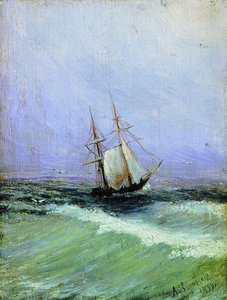
The Nice at night

 Разгърни целия текст
Жикле / Художествен принт
Giclée печат или принт върху платно с музейно качество, бързо производство и гъвкави опции за завършен вид. ( Поръчайте ръчно рисувано репродукция на този колекционерски предмет Превключване към дигитално изображение)




P118B $10

P118H $10

P118W $10

P438Z $10

P508JH $12

P508YH $12

P805H $10

P805Z $10

P919BZ $10

P919G $10

P919XJ $10

P959ZH $10

P968JZ $12

W106C $8

W218G $10

W218JH $8

W218Y $10

W307PJ $10

W316G $10

W316PJ $8

W316Y $10

W398PJ $8

W4111J $10

W500HY $15

W500JH $15

W692G $12

W849H $8

W940BG $15

W953PJ $8




Изберете от нашите предварително зададени размери, които съответстват на оригиналните пропорции на произведението.

Можете да въведете собствени размери, за да паснат на конкретна рамка или пространство. Ако избраният от Вас размер не съвпада с пропорциите на оригиналното изображение, ние ще изрежем произведението или ще разширим изображението с огледален или едноцветен ръб. Дигитален макет ще бъде изпратен за Ваше одобрение преди започването на производството.
Моля, имайте предвид, че предпрегледът на екрана не отразява реалното изрязване или разширяване. Само макетът ще покаже точно финалната композиция.
Въпреки че са налични персонализирани размери, препоръчваме да изберете размер от предварително дефинирания списък, за да запазите оригиналните пропорции.
Доставка по целия свят () в рамките на 2 седмици вместо стандартните 4/5 седмици. (25 Септември)

Безплатна експресна доставка по целия свят

Висококачествено ленено платно

Пълно застраховане на доставката

Гаранция за възстановяване на митнически такси

Гаранция за пълно съответствие на цветовете

Политика за връщане в рамките на 100 дни (само при дефекти)

100% Гаранция за връщане на сумата

Отстъпка при поръчка на повече произведения
 Опцията със стъкло е налична само за размери под 110 см

The Nice at night
Жикле / Художествен принт
Размер на репродукцията
-


Крайна цена
$ 80
A Nightscape of Tranquility: Exploring Aivazovsky’s “The Nice at Night”
Ivan Aivazovsky, a master of marine painting, captures a serene and evocative nighttime scene in “The Nice at Night.” This work exemplifies his signature Romantic style, focusing on the power and beauty of the sea under the dramatic illumination of a full moon. The composition features several boats gently rocking on the water’s surface – some closer to an implied shore, others venturing further into the darkness. Two figures are subtly placed within the scene, adding a human element to the vastness of the ocean. Aivazovsky doesn't depict a specific event; instead, he crafts a mood—one of peaceful contemplation and quiet majesty.Technical Brilliance & Artistic Style
Aivazovsky was renowned for his ability to paint seascapes *from memory*, a testament to his deep understanding of light, water, and atmosphere. He often completed paintings with remarkable speed, relying on sketches made during observations at sea. In “The Nice at Night,” this mastery is evident in the soft glow of moonlight reflecting off the waves, creating an ethereal quality. His technique involved layering translucent washes of color to achieve a luminous effect, and he was particularly skilled at rendering the interplay between light and shadow. The painting’s Romantic style emphasizes emotion, imagination, and individuality – characteristics central to Aivazovsky's oeuvre. He wasn’t concerned with precise topographical accuracy but rather with conveying the *feeling* of being present in this nocturnal seascape.Historical Context & Legacy
Born into an Armenian family in Crimea in 1817, Ivan Aivazovsky (originally Hovhannes Aivazian) became one of Russia’s most celebrated artists. He served as the official painter of the Russian Navy for many years, a position that afforded him ample opportunity to study the sea firsthand. His work gained international recognition, with exhibitions across Europe and the United States. “The Nice at Night,” while perhaps less famous than works like "The Ninth Wave," demonstrates his consistent exploration of maritime themes and his dedication to capturing the sublime beauty of nature. Aivazovsky’s prolific output – over 6,000 paintings – cemented his legacy as a master of marine art, influencing generations of artists who followed. His ability to evoke emotion through landscape earned him the saying “worthy of Aivazovsky's brush” in Russia, used to describe anything particularly beautiful.Emotional Resonance & Interior Design
“The Nice at Night” evokes a sense of calm and tranquility. The muted color palette and gentle movement of the waves create a soothing atmosphere, inviting viewers to lose themselves in the scene's peacefulness.- This painting would be an excellent addition to a bedroom or living room seeking a calming ambiance.
- Its cool tones complement neutral décor schemes, adding depth and sophistication.
- The artwork’s size (unknown but likely medium to large) makes it suitable as a focal point in a space.
- Consider pairing it with soft lighting and natural textures to enhance the serene mood.
Биография на художника
A Life Embraced by the Waves
Ivan Konstantinovich Aivazovsky, born Hovhannes Aivazian in 1817, was more than a painter of seascapes; he was a conduit to the ocean’s soul. His very existence seemed inextricably linked to the Black Sea—a vast, unpredictable expanse that would forever dominate his artistic vision and fuel an extraordinary career spanning nearly six decades. Born in the Crimean port city of Feodosia, Aivazovsky didn't merely observe the sea; he felt it – its raw energy, sublime beauty, and inherent danger becoming the very essence of his art. From a young age, this connection was nurtured, initially by local architect Jacob Koch who recognized the boy’s talent, then blossoming within the rigorous academic environment of the Imperial Academy of Arts in Saint Petersburg. Yet, formal training alone couldn't account for the depth of Aivazovsky’s understanding; it was the constant presence of salt-laced air and the cries of gulls that truly shaped his artistic sensibility. His Armenian heritage also played a significant role, as he was baptized at the St. Sargis Armenian Church in Feodosia and maintained strong cultural ties throughout his life, occasionally incorporating Armenian themes into his expansive body of work.The Rise of a Marine Master
Aivazovsky’s artistic journey extended beyond Russia, taking him across Europe in the early 1840s. Italy proved particularly formative, immersing him in new landscapes and light, refining his skills and developing a distinctive style characterized by dramatic compositions and masterful use of color. He sought inspiration from the Italian masters, studying their techniques for capturing light and atmosphere. Upon returning to Russia, a pivotal moment arrived: his appointment as the main painter of the Russian Navy. This wasn’t merely a prestigious title; it was access—access to ships, sailors, naval battles, and firsthand observation that profoundly influenced his work. He became intimately acquainted with maritime life, lending an authenticity to his depictions that resonated deeply with both military officials and art enthusiasts alike. His prolific output – around 6,000 paintings throughout his career – testifies to his relentless dedication and extraordinary talent. Aivazovsky didn’t simply replicate scenes; he sought to evoke emotion, to transport the viewer into the heart of a storm or onto the deck of a ship battling towering waves. He wasn't interested in merely recording what was seen, but rather conveying what was felt. The artist’s ability to capture not just the visual spectacle of the sea, but its very essence—its moods, its power, and its mystery—quickly established him as a leading figure in Russian Romanticism.Capturing the Sublime: Style and Key Works
Aivazovsky’s paintings are instantly recognizable for their romantic sensibility and technical brilliance. Seascape with Full Moon, exemplifies his mastery of atmospheric perspective, creating an ethereal glow that bathes the sea in silvery light. The power of nature is palpable in works like A Ship in a Stormy Sea, where turbulent waters and dark skies convey a sense of impending doom and the fragility of human existence. He wasn’t afraid to depict chaos and destruction, but even within these dramatic scenes, there was always an underlying sense of beauty and awe. The Gondolier on Sea at Night, showcases his skill in capturing nocturnal scenes with remarkable detail and a hauntingly beautiful atmosphere. Early works like Chaos (The Creation), which garnered attention from Pope Gregory XVI, reveal a willingness to tackle ambitious themes and demonstrate his technical prowess. However, it is arguably The Ninth Wave that remains his most iconic masterpiece—a harrowing depiction of shipwreck survivors clinging desperately to wreckage, facing the relentless power of the ocean. The painting embodies Aivazovsky’s ability to blend realism with romanticism, creating a scene that is both terrifying and profoundly moving. He often worked en plein air, directly from nature, capturing fleeting light effects, and developed a unique technique of applying paint in thin layers to create luminous textures.A Painter of Nations: Influence and Legacy
Beyond Russia, Aivazovsky’s influence extended across Europe and the Ottoman Empire. His appointment as court painter for the sultans of Turkey—Abdulmecid I, Abdulaziz, and Abdulhamid—demonstrates the international recognition of his talent and artistic vision. He created a significant body of work depicting scenes from Turkish life and history, often commissioned by the Ottoman rulers. During this period, he also painted a series of powerful works addressing the Armenian massacres in Asia Minor, expressing his deep sorrow and outrage at these atrocities. These paintings, such as “The Expulsion of the Turkish Ship” and “The Armenian Massacres at Trevizond,” stand as poignant testaments to his humanitarian concerns and artistic integrity. Aivazovsky’s legacy is deeply intertwined with the cultural heritage of Crimea. He established the Feodosia art gallery (Aivazovsky National Art Gallery), which houses a vast collection of his works, ensuring that his art will continue to inspire generations of artists and viewers alike. His contributions to Russian landscape painting are undeniable, shaping the course of artistic development in Russia for decades to come.Key Facts
* Full Name: Ivan Konstantinovich Aivazovsky * Born: July 29, 1817, Feodosia, Russian Empire (modern-day Ukraine) * Died: May 5, 1900, Feodosia, Russian Empire (modern-day Ukraine) * Nationality: Russian-Armenian * Notable Works: *The Ninth Wave*, *A Ship in a Stormy Sea*, *Seascape with Full Moon*, *Chaos (The Creation)*
Иван Айвазовски
1817 - 1900 , Русия
Бързи факти
- Artistic Movement Or Style: Романтизъм, морски живопис
- Artists Or Movements Influenced By This Artist: ['Руски пейзажисти']
- Artists Who Influenced This Artist: ['Джордж Фридрик Уильям Тёрнер']
- Date Of Birth: 1817 г.
- Date Of Death: 1900 г.
- Full Name: Иван Константинович Айвазовски
- Nationality: Руско-европеец
- Notable Artworks:
- Морски пейзаж с пълнолуние
- Кораб в буйна опасност
- Place Of Birth: Феодосия, Русия
Свързани статии
Navigating the Depths of Representation: A Historical Exploration of Marine Painting
Explore the rich history of marine painting with OriginalUniqueArt. Discover Dutch Masters, Romantic seascapes & renowned artists like Wyllie and Harris. Expert guidance for collectors & custom reproductions.
Oceanic Elegance: A Curated Exploration of Timeless Marine Masterpieces and Maritime Artistry
Immerse yourself in the profound beauty of marine art. From 17th-century maritime masterpieces to bespoke hand-painted oil reproductions, discover a curated collection of exquisite seascapes designed for the discerning collector and luxury interior professional. Experience timeless elegance.
The Azure Depths: Exploring Representations of the Ocean in Art History
Explore the rich history of ocean art! Discover Romantic seascapes, renowned artists like Aivazovsky & Harris, and expert guidance for collectors at OriginalUniqueArt.com.
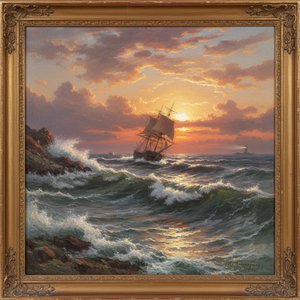
Ivan Aivazovsky: Mastering Light & Emotion in 19th-Century Marine Painting
Explore the captivating world of Ivan Aivazovsky, a master of 19th-century marine painting. Discover his techniques, iconic artworks & lasting legacy in this expert guide.
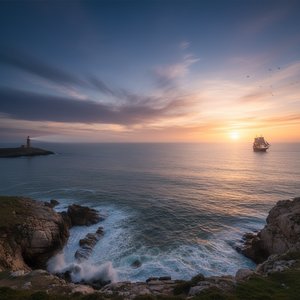
The Allure of the Horizon: A Comprehensive Exploration of Seascape Art Through History & Emotion
Explore the captivating world of seascape art! Discover its history, key artists & movements – from Dutch Masters to Impressionism. Expert insights for collectors and enthusiasts at OriginalUniqueArt.