

 Преглед в реален мащаб
 Сподели
 Сподели
 Подробности
 Ръководство

 Изтегляне
 Подобни артикули
 Рентгенова снимка
 Слайдшоу
 Статистика
Two Cranes
 Ink
Ink- WallArt
 1795
1795- Early Modern
 108.0 x 39.0 cm
 Разгърни целия текст
Жикле / Художествен принт
Giclée печат или принт върху платно с музейно качество, бързо производство и гъвкави опции за завършен вид. ( Поръчайте ръчно рисувано репродукция на този колекционерски предмет Превключване към дигитално изображение)




P118B €10

P118H €10

P118W €10

P438Z €10

P508JH €12

P508YH €12

P805H €10

P805Z €10

P919BZ €10

P919G €10

P919XJ €10

P959ZH €10

P968JZ €12

W106C €8

W218G €10

W218JH €8

W218Y €10

W307PJ €10

W316G €10

W316PJ €8

W316Y €10

W398PJ €8

W4111J €10

W500HY €15

W500JH €15

W692G €12

W849H €8

W940BG €15

W953PJ €8




Изберете от нашите предварително зададени размери, които съответстват на оригиналните пропорции на произведението.

Въведете необходимата ширина и височина, за да паснат на вашата рамка или стена. Принтовете могат само да се изрязват, но никога не могат да бъдат по-големи от оригиналната картина, така че при размер с различен формат част от изображението ще бъде загубена. Преди да започнем печат, ще ви изпратим дигитален мок업 за одобрение. Изображението, показано на тази страница, не показва реалното изрязване — само мок업ът го показва.
Доставка по целия свят () в рамките на 2 седмици вместо стандартните 4/5 седмици. (25 Октомври)

Безплатна експресна доставка по целия свят

Висококачествено ленено платно

Пълно застраховане на доставката

Гаранция за възстановяване на митнически такси

Гаранция за пълно съответствие на цветовете

Политика за връщане в рамките на 100 дни (само при дефекти)

100% Гаранция за връщане на сумата

Отстъпка при поръчка на повече произведения
 Опцията със стъкло е налична само за размери под 110 см

Two Cranes
Жикле / Художествен принт
Размер на репродукцията
-


Крайна цена
€ 70
A Serene Encounter in the Snow
In the quietude of a winter landscape, two cranes stand as silent sentinels amidst a soft, dusting of snow. This exquisite work by the Edo-period master Itō Jakuchū captures a moment of profound stillness, inviting the viewer into a world where nature and spirit converge. The composition is elegantly elongated, drawing the eye upward along the slender, graceful necks of the birds, which seem to reach toward an unseen horizon. There is a rhythmic simplicity to the scene; the heavy, textured snowdrift at the base provides a grounded, earthy foundation that contrasts beautifully with the ethereal, almost weightless quality of the cranes' presence. It is a painting that does not merely depict a scene but evokes an atmosphere of deep, meditative peace.
The artistry of Jakuchū is revealed through his masterful command of the sumi-e tradition, blended with a unique, individualistic flair that set him apart from his contemporaries. Using ink and pigment on what was likely silk or fine paper, the artist employs a delicate range of tonal variations to breathe life into the subjects. The brushwork is both fluid and intentional; subtle, sweeping strokes define the contours of the birds' plumage, while more diffused, watery applications of ink create the soft, powdery texture of the snow. This technique allows for a sense of organic movement within a static moment, as if a light breeze might stir the feathers or disturb the frozen landscape at any second.
Symbolism and the Spirit of Japan
Beyond its visual elegance, this artwork is steeped in the rich symbolic language of Japanese culture. The crane, a central figure in East Asian iconography, is far more than a mere biological subject; it is a potent symbol of longevity, fidelity, and good fortune. By placing these two birds together within a desolate yet beautiful landscape, Jakuchū evokes themes of harmony and enduring companionship. The muted, earthy palette—dominated by shades of beige, grey, and soft brown—complements this spiritual depth, avoiding the distraction of vibrant color to focus instead on the essential essence of the subjects. A singular touch of red from the artist’s seal serves as a poignant reminder of the human hand behind the divine natural observation.
For the discerning collector or interior designer, this piece offers a timeless sophistication that transcends eras. Its understated elegance makes it an ideal centerpiece for spaces designed for contemplation, such as a library, a minimalist study, or a serene wellness retreat. The artwork’s ability to command attention through subtlety rather than spectacle ensures it remains a focal point of quiet strength. Whether viewed as a historical masterpiece of the Kyoto school or as a contemporary element of Zen-inspired decor, Two Cranes continues to resonate with anyone who finds beauty in the delicate balance between the ephemeral and the eternal.
Въпроси и отговори
Каква наситенност и интензивност притежава „Two Cranes“ на Ито Якучо?
Цветовете на „Two Cranes“ на Ито Якучо показват Subtle Color наситен цвят с Balanced интензивност.
Колко наситени са цветовете в „Two Cranes“ на Ито Якучо?
Интензивността на цветовете в „Two Cranes“ е Balanced. Интензивността описва колко наситени изглеждат цветовете.
Как е създадена "Two Cranes" и какъв е нейният размер?
„Two Cranes“ е създадена в Ink и в оригиналния си вид е с размери 108 x 39 cm.
Биография на художника
Визия на киотски търговец: Светът на Ито Якучу
Роден през 1716 г. сред оживения търговски квартал Нишики в Киото, Ито Якучу се издига като един от най-оригиналните и завладяващи японски художници. За разлика от мнозина свои съвременници, които следват утвърдени художествени линии, пътят на Якучу е уникално оформен от проспериращия търговски произход на семейството му и дълбоко лично ангажиране с философията на Дзен будизма. Баща му, Ито Гензаемон, е бил успешен търговец на хранителни стоки, осигурявайки на младия Якучу комфортно детство, което му позволява да развива нарастващия си талант за рисуване още от ранна възраст. Тази търговска среда обаче му вдъхва и осъзнаване за социалните промени и нарастващото влияние на търговския клас в Киото – перспектива, която по-късно нежно ще вдъхне живот на неговото художествено виждане. Въпреки че се очаквало в крайна сметка да пое семейния бизнес, страстта на Якучу лежи другаде – в стремежа да улови същността на живота чрез четка и мастило. След смъртта на баща му, когато е бил на 23 години, Якучу управлява кратко време магазина, преди да го повери на брат си, за да се посвети окончателно на изкуството.Разкъсване на традициите: Стил и предмет на изобразяване
Художечният стил на Ито Якучу представлява завладяваща смесица от прецизен реализму и игрив експеримент. Въпреки че е дълбоко вкоренен в традиционни японски сюжети – особено птици, цветя и пейзажи – той вдъхва на своите творби иновативен дух, който го отличава от мнозина съвременници. Той печели известност заедно с Маруяма Окьо със своите реалистични изображения, но Якучу отива отвъд простото имитиране на природата. Неговите картини се характеризират с ярки цветове, динамични композиции и готовност да предизвикат конвенционалните перспективи. Пилетата, по-специално, стават повтарящ се мотив в неговото творчество, издигнати от скромни фермерски животни до теми, достойни за дълбоко художествено изследване. Той не просто рисува *това*, което вижда, а по-скоро изследва вродената жизненост и характер във всяко създание. Освен птиците, творбите на Якучу често отразяват теми от Дзен будизма – съзерцателна тишина, преклонение пред непостоянството и почитане на природния свят. Неговият прочут Бобен лоз, например, не е просто ботаническо изследване, а медитация върху растежа, разпадането и взаимосвързаността на всичко съществуващо. Неговите майсторски многоцветни рендери – *дошоку сай-е* – са особено прославени, демонстрирайки изключително внимание към детайла и жива палитра, рядко срещана в японската живопис на този период.Дзен влияние и художествено развитие
Влиянието на Дзен будизма върху изкуството на Якучу е неоспоримо. Той става мирянин (*koji*) в храма Шококу-джи в Киото, потапяйки се в принципите на Дзен, които наблягат на директния опит, интуицията и търсенето на просветление чрез съзерцание. Тази духовна основа дълбоко оформя неговия художествен подход, насърчавайки чувство за откъс от светските грижи и непоколебим фокус върху улавянето на същността на неговите субекти. Казва се, че той дори е получил специално разрешение да изучава класически китайски пейзажи от колекцията на храма, абсорбирайки векове художествена традиция, докато е изграждал своя собствен уникален път. Въпреки че първоначално може да е учил под ръководството на Оока Шунбоку, художник от школата Кано, специализиран в рисуването на птици и цветя, той бързо надгражда традиционното обучение, развивайки идиосинкразичен стил, който не подлежи на лесно категоризиране. Неговата готовност да наруши установените норми го свързва с „Линията на ексцентриците“ – движение, подчертано в влиятелната книга на Нобуо Цуджи *Кисо но Кейфу* (Линия на ексцентриците). Тази работа прославя художници, които предизвикват художествените конвенции, затвърждавайки мястото на Якучу като ключова фигура в историята на японското изкуство.Наследство и преоткриване
Въпреки таланта и отдадеността си, Ито Якучу остава сравнително неизвестен по време на своя живот. Едва през 20-ти век неговата работа започва да получава широко признание, главно благодарение на изследванията на Цуджи, които революционизират възприятието за живописта от Едовия период. Подкрепата на Цуджи за Якучу като ключова фигура в „Линията на ексцентриците“ разпалва нов интерес към неговото изкуство и го утвърждава като един от най-важните и иновативни японски художници. Неговото влияние може да се види и в развитието на Укийо-е, популярния жанр на дърворезбените гравюри, демонстрирайки по-широко въздействие върху японската художествена култура. Готовността на Якучу да експериментира с перспектива, цвят и предмет на изобразяване проправя път за бъдещи поколения художници да предизвигват традициите и да изследват нови творчески възможности. Биография, написана от Дзен монаха Дайтен Кенджо през 1766 г., предлага ценен поглед върху художествената философия на Якучу, разкривайки неговото умишлено избягване на човешки фигури – избор, който подчертава фокуса му върху природния свят и неговата вродена красота. Днес Ито Якучу се почита не само заради своята техническа умелост, но и заради своята уникална визия – свидетелство за непреходната сила на един художник, който е дръзнал да проложи свой собствен път и да улови духа на своето време с безпрецедентна оригиналност.Бележки творби
- Петстотин архата: Монументално произведение, демонстриращо изключителния умение и отдаденост на Якучу.
- Ханшан и Шиде (Канзан и Джитоку): Демонстрира способността му да улови същността на японската култура и фолклор.
- Раци и пивонии: Квинтесенциален пример за неговия характерен стил, съчетаващ прецизен детайл с наситен цвят.
- Бобен лоз: Шедьовърв в стил суми-е, олицетворяващ Дзен философията и показващ сложни детайли.
- Две журавки: Изобразява неговия артистичен опит в представянето на птици с грация и прецизност.
- Стара бор: Забележителна творба, демонстрираща неговата майсторска техника на четката (101 x 40 см, коприна).

Ито Якучо
1716 - 1800 , Япония
Бързи факти
- Artistic Movement Or Style: Едо периодна живопис
- Artists Or Movements Influenced By This Artist: ['Хакъин Экаку']
- Artists Who Influenced This Artist: ['Оока Шунбуко']
- Date Of Birth: 2 март 1716 г.
- Date Of Death: 27 октомври 1800 г.
- Full Name: Ито Якучо
- Nationality: Японски
- Notable Artworks: ['Пейзажи от Едо']
- Place Of Birth: Киото, Япония
Свързани статии

Топ 25 шедьовъра на Кацушика Хокусай: Изкуство, история и вдъхновение за вашия дом
Разгледайте топ 25 шедьовъра на Кацушика Хокусай – японски гравюри, укийо-е и емблематичната "Голяма вълна". Историята зад изкуството и вдъхновение за вашия дом. Репродукции с музейно качество на OriginalUniqueArt.com.

Топ 10 шедьовъра на Романтичния пейзаж: Изкуство за вашия дом от OriginalUniqueArt.com
Открийте 10 шедьовъра на Романтичния пейзаж – Фридрих, Търнър и други! Разгледайте историите зад картините, техниките и емоциите. Репродукции с музейно качество от OriginalUniqueArt.com. Вдъхновете се за вашия дом!

Evocations of Place: A Historical Journey Through Landscape Art
Explore the rich history of landscape art with OriginalUniqueArt. Discover renowned artists, movements like Impressionism & Romanticism, and expert guidance for collecting timeless pieces. Find your perfect serene escape today!
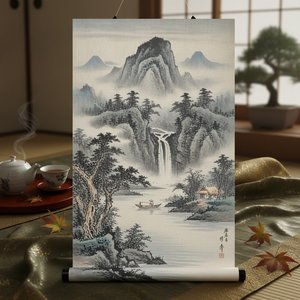
Serenity on Canvas: A Guide to the Timeless Beauty of Japanese Landscape Painting
Discover the serene beauty of Japanese landscape painting. From Hokusai's iconic woodblock prints to meditative sumi-e ink washes, explore a visual journey through the 'floating world' and learn how to bring this timeless Zen aesthetic into your modern home decor.
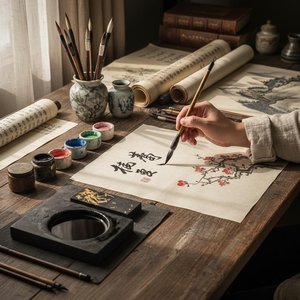
The Alchemy of Ink: Mastering the Timeless Beauty and Art History of Paper and Brush
Embark on a sophisticated exploration of ink wash painting and Sumi-e. Uncover the profound historical lineages, Zen philosophies, and technical mastery behind this timeless medium in our authoritative guide for fine art enthusiasts.
