

 Преглед в реален мащаб
 Сподели
 Сподели
 Подробности
 Ръководство

 Изтегляне
 Подобни артикули
 Рентгенова снимка
 Слайдшоу
 Статистика
Falls Bridge, Melbourne


 Разгърни целия текст
Жикле / Художествен принт
Giclée печат или принт върху платно с музейно качество, бързо производство и гъвкави опции за завършен вид. ( Поръчайте ръчно рисувано репродукция на този колекционерски предмет Превключване към дигитално изображение)




P118B €10

P118H €10

P118W €10

P438Z €10

P508JH €12

P508YH €12

P805H €10

P805Z €10

P919BZ €10

P919G €10

P919XJ €10

P959ZH €10

P968JZ €12

W106C €8

W218G €10

W218JH €8

W218Y €10

W307PJ €10

W316G €10

W316PJ €8

W316Y €10

W398PJ €8

W4111J €10

W500HY €15

W500JH €15

W692G €12

W849H €8

W940BG €15

W953PJ €8




Изберете от нашите предварително зададени размери, които съответстват на оригиналните пропорции на произведението.

Въведете необходимата ширина и височина, за да паснат на вашата рамка или стена. Принтовете могат само да се изрязват, но никога не могат да бъдат по-големи от оригиналната картина, така че при размер с различен формат част от изображението ще бъде загубена. Преди да започнем печат, ще ви изпратим дигитален мок업 за одобрение. Изображението, показано на тази страница, не показва реалното изрязване — само мок업ът го показва.
Доставка по целия свят () в рамките на 2 седмици вместо стандартните 4/5 седмици. (21 Октомври)

Безплатна експресна доставка по целия свят

Висококачествено ленено платно

Пълно застраховане на доставката

Гаранция за възстановяване на митнически такси

Гаранция за пълно съответствие на цветовете

Политика за връщане в рамките на 100 дни (само при дефекти)

100% Гаранция за връщане на сумата

Отстъпка при поръчка на повече произведения
 Опцията със стъкло е налична само за размери под 110 см

Falls Bridge, Melbourne
Жикле / Художествен принт
Размер на репродукцията
-


Крайна цена
€ 70
A Moment Frozen in Time: Frederick McCubbin’s Falls Bridge
Frederick McCubbin's “Falls Bridge, Melbourne” isn’t merely a depiction of a river crossing; it’s a poignant snapshot of late 19th-century Australian life. Painted in 1882 during his formative years within the Heidelberg School, this oil on canvas transports us to a serene and familiar landscape – a scene both intimately local and profoundly evocative. The painting captures a fleeting moment: a warm afternoon light bathing the Yarra River, the sturdy Falls Bridge spanning its course, and the quiet activity of daily life unfolding along its banks. McCubbin’s genius lies in his ability to distill this experience into a composition that is simultaneously detailed and deeply atmospheric, inviting the viewer to step directly into the scene.

The painting’s strength resides in its masterful use of light and color. Notice how McCubbin employs loose, expressive brushstrokes – a hallmark of the Heidelberg School – to capture the shimmering reflections on the water's surface. The warm hues of gold and amber dominate, suggesting either a setting sun or rising dawn, imbuing the scene with a sense of tranquility and nostalgia. The artist’s deliberate blurring of details, characteristic of Impressionism, prioritizes mood and atmosphere over photographic accuracy. This technique creates an almost dreamlike quality, drawing us into the heart of the moment.
Technique and Style: Heidelberg's Legacy
McCubbin’s style is a fascinating blend of naturalism and Impressionistic influence. He meticulously observes the details of his subject – the bridge’s construction, the boats navigating below, the figures strolling along the bank – yet he renders them with a loose, painterly approach. This technique, deeply rooted in the Heidelberg School's philosophy, sought to capture the essence of Australian light and landscape rather than creating a strictly realistic representation. The visible brushstrokes aren’t haphazard; they contribute significantly to the painting’s texture and dynamism, suggesting movement and life within the scene.
The composition itself is carefully considered. The horizontal format emphasizes the expanse of the river and the bridge's dominance. The foreground, anchored by a muddy bank and a horse-drawn cart, provides a grounding element while drawing the eye towards the midground – the bustling activity beneath the bridge. The distant hills and hazy sky create a sense of depth and perspective, further enhancing the painting’s immersive quality. McCubbin's use of atmospheric perspective—making distant elements paler and less defined—is particularly effective in conveying the vastness of the landscape.
A Window into Melbourne’s Past
“Falls Bridge, Melbourne” offers more than just a beautiful landscape; it provides a valuable glimpse into the social and cultural fabric of late 19th-century Melbourne. The presence of the bridge itself – a vital link between the city and its surrounding areas – symbolizes progress and connectivity. The figures on the bridge represent everyday life: workers, travelers, perhaps families enjoying a leisurely afternoon. The horse-drawn cart hints at the region’s agricultural roots and the reliance on traditional modes of transport. This painting is not simply about a physical location; it's about capturing the spirit of a community and its relationship to the land.
Furthermore, McCubbin’s work reflects a broader trend in Australian art at the time – a desire to establish a distinctly national identity through depictions of familiar landscapes and scenes. His paintings often explored themes of rural life, pioneering spirit, and the challenges faced by settlers in a new land. “Falls Bridge, Melbourne” stands as a testament to this artistic movement and its enduring legacy.
Bringing McCubbin’s Vision Home: High-Quality Reproductions
For art enthusiasts seeking to experience the beauty and historical significance of “Falls Bridge, Melbourne,” OriginalUniqueArt.com offers meticulously crafted hand-painted reproductions that faithfully capture the essence of this iconic artwork. Our skilled artists utilize premium materials and techniques to ensure a faithful representation of McCubbin’s original vision, bringing the painting's atmosphere and detail to life in stunning clarity. Explore our collection today and own a piece of Australian art history.
Въпроси и отговори
Мога ли да прегледам „Falls Bridge, Melbourne“ на Фредерик Маккубин, преди да поръчам?
Предварителен преглед на „Falls Bridge, Melbourne“ на Фредерик Маккубин е достъпен на страницата за преглед на произведението Предварителен преглед.
Намира ли се произведението „Falls Bridge, Melbourne“ на Фредерик Маккубин в общественото достояние и защо?
Статусът на авторското право върху "Falls Bridge, Melbourne" - в обществено достояние – авторското му право е изтекло - произтича от смъртта на художника през 1917.
Къде мога да купя ръчно рисувано репродукция на „Falls Bridge, Melbourne“ на Фредерик Маккубин?
Ръчно рисувани копия на „Falls Bridge, Melbourne“ на Фредерик Маккубин се продават в този уебсайт: ръчно рисувана маслена репродукция върху ленен холст, чрез неговата страница Ръчно рисувана репродукция.
Биография на художника
Frederick McCubbin - A Life Rooted in the Australian Landscape
Frederick McCubbin, born in Melbourne on February 25th, 1855, stands as a cornerstone of Australian art, inextricably linked to the nation’s evolving identity and its unique visual language. His journey from humble beginnings – the son of bakers who instilled in him a strong work ethic – to becoming a pivotal figure in the Heidelberg School is a testament to his dedication and artistic vision. McCubbin's early life was marked by diverse experiences, working as a solicitor’s clerk and assisting in the family bakery before fully embracing his calling as a painter. These formative years, though seemingly disparate, imbued him with a deep understanding of everyday Australian life, a theme that would resonate profoundly throughout his oeuvre. He received foundational training at the National Gallery of Victoria's School of Design, studying under Eugene von Guerard and George Folingsby, honing his skills in landscape painting while absorbing the prevailing artistic currents of the time. A crucial turning point arrived with his enduring friendship with Tom Roberts, a bond that would shape the course of Australian art history.Early Influences and Artistic Formation
McCubbin’s formative years instilled within him not only practical knowledge but also an unwavering appreciation for observation—a cornerstone of his artistic approach. His education at William Willmott's West Melbourne Common School and St. Paul’s School provided a solid intellectual base, complemented by evening classes at the Artisan’s School of Design where he honed his drawing skills under Oswald Rose Campbell. This formal training was further enriched by mentorship from George Folingsby, who championed Impressionistic techniques and encouraged McCubbin to explore the expressive potential of color and light. Notably, his friendship with Tom Roberts proved invaluable—Roberts introduced him to the burgeoning Heidelberg School movement and fostered a collaborative spirit that would propel their artistic endeavors forward. The influence of Julian and George Rossi Ashton also played a role in shaping McCubbin’s stylistic sensibilities during this period.The Heidelberg School: Defining Australian Impressionism
In 1885, McCubbin and Roberts established the Box Hill Artists' Camp—a watershed moment for Australian art. This plein air collective—soon joined by Arthur Streeton and Charles Conder—rejected the rigid formalism of European academic painting, opting instead to immerse themselves in the untamed beauty of the Australian bush. Their goal was ambitious: to capture not merely a visual representation but an emotional response to the landscape—a feat that demanded a radical departure from established conventions. McCubbin’s contribution to this movement was instrumental in establishing what would become known as Heidelberg Impressionism. Paintings like Down on His Luck (1889), depicting the harsh realities of rural life and infused with atmospheric color, exemplify this stylistic shift. The Camp artists meticulously studied light and shadow, striving to convey a sense of immediacy and authenticity—a characteristic that distinguishes their work from earlier landscape traditions.Iconic Landscapes and Narrative Vision
McCubbin’s artistic output is characterized by a distinctive blend of observational accuracy and narrative storytelling. Works such as On the Wallaby Track (1896) and The Pioneer (1904) are celebrated for their evocative depictions of Australian wilderness—scenes rendered with remarkable detail and imbued with symbolic resonance. These paintings aren’t simply landscapes; they're narratives that explore themes of resilience, solitude, and the human connection to nature. McCubbin skillfully employed color palettes—often dominated by earthy tones—to convey mood and atmosphere, capturing the essence of Australian light and landscape. His artistic vision extended beyond mere representation, aiming to communicate profound emotional truths about the human experience within a specific cultural context.Legacy and Enduring Influence
Frederick McCubbin’s legacy extends far beyond his individual paintings; he helped establish a national artistic identity—a celebration of Australia's unique environment and culture. He served as president of the Victorian Artists’ Society and played a crucial role in fostering the development of Australian art education. His influence can be seen in the works of subsequent generations of artists who embraced Impressionistic techniques and sought to capture the spirit of the bush landscape. McCubbin remains revered as one of Australia's most important painters—a visionary whose enduring images continue to inspire awe and contemplation, solidifying his place in art history as a true pioneer and champion of Australian artistic expression. His ability to convey emotion and atmosphere through masterful brushwork ensures that his work will resonate with audiences for years to come.
Фредерик Маккубин
1855 - 1917 , Австралия
Бързи факти
- Artistic Movement Or Style: Хеidelberg Школа
- Artists Or Movements Influenced By This Artist: ['Том Робертс']
- Artists Who Influenced This Artist:
- Евгений фон Гьоррад
- Джордж Фолингсби
- Date Of Birth: 25 февруари 1855 г.
- Date Of Death: 20 декември 1917 г.
- Full Name: Frederick McCubbin
- Nationality: Австралийски
- Notable Artworks:
- На пропадане на къщата си
- По пътя на валъби
- Превъзходството
- Place Of Birth: Мелбърн, Австралия
Свързани статии

Топ 10 шедьовъра на Художественото движение "Речна школа на Хъдсън" – Вдъхновение за Вашия Дом
Открийте 10 шедьовъра на "Речната школа на Хъдсън" – Томас Коул, Чърч и Биърщадт. Разгледайте американския романтизъм, пейзажи и историческа живопис. Луксозни репродукции за Вашия дом! Explore the full collection on OriginalUniqueArt.com

The Sublime Landscape: Exploring the Hudson River School Movement
Explore the captivating world of the Hudson River School! Discover the history, artists, and defining characteristics of this iconic American art movement. Learn about Romanticism's influence & find inspiration for your collection.
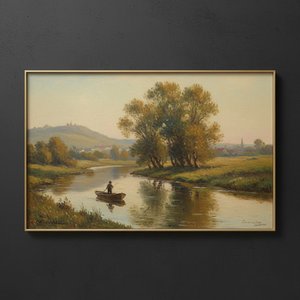
Jean-Baptiste-Camille Corot: A Poetic Realism – Bridging the Barbizon School and Early Impressionism
Explore the life & art of Camille Corot, a pivotal figure bridging the Barbizon School & Impressionism. Discover his poetic realism, signature style, and lasting influence on landscape painting. Learn more at OriginalUniqueArt.

John Frederick Kensett: Luminosity, Landscape & the American Identity
Explore the luminous landscapes of John Frederick Kensett, a master of Luminism and key figure in the Hudson River School. Discover his serene paintings & enduring legacy with OriginalUniqueArt.

The Hague School: Realism, Atmosphere & the Dawn of Dutch Impressionism
Explore the Hague School's pivotal role in Dutch art history. Discover realism, atmospheric landscapes & its influence on Impressionism. Learn about key artists like Mauve & Maris with OriginalUniqueArt.
