

 Изпрати
 Сподели
 Детайли

 Изтегляне
 Подобни
 Слайдшоу
 Статистика
St George


 Прочетете повече
Ръчно изработена маслена репродукция
Ръчно рисувана маслена картина върху платно във вашия размер и рамка, изработена по поръчка от нашите художници. ( Превключване към принт Превключване към дигитално изображение)




































Изберете от предварително зададените размери, които съответстват на оригиналните пропорции на произведението.

Можете да въведете свои собствени размери, за да пасне на конкретна рамка или пространство. Ако избраният от вас размер не съответства на пропорциите на оригиналното изображение, ние ще изрежем произведението или ще удължим картината с допълнителни ръчно рисувани елементи. Дигитален макет ще бъде изпратен за ваше одобрение преди започване на производството.
Моля, обърнете внимание, че прегледът на екрана не отразява действителното изрязване или разширяване. Само макетът ще покаже точно финалния състав.
Въпреки че са налични персонализирани размери, препоръчваме да изберете размер от предварително дефинирания списък, за да запазите оригиналните пропорции.
След поръчка, екипът на OriginalUniqueArt.com ще изпрати имейл на клиента за инструкции и ще предостави преглед на макет.
Доставка по целия свят () в рамките на 3/4 седмици вместо стандартните 5 седмици. (9 Септември). Без компромис с качеството.

Безплатна експресна доставка по целия свят

Висококачествено ленено платно

Пълно застраховане при доставка

Гаранция за възстановяване на митнически такси

Гаранция за цветова точност

Политика за връщане в рамките на 100 дни (само при дефекти)

100% Гаранция за връщане на парите

Предложение за отстъпка при поръчка на едро
 Стъклото е налично само в размери под 110 см

St George
Репродукционен метод
Размер на репродукцията
-


Обща цена
$ 300
A Testament to Faith and Form: Donatello’s *Saint George*
Donatello's *Saint George*, sculpted in 1416 during the nascent Renaissance, is more than just a marble statue; it’s a potent distillation of classical ideals interwoven with burgeoning humanist thought. Housed within the imposing niche of the Bargello Museum in Florence, this figure commands attention not merely through its scale – though its height is undeniably impressive – but through the profound sense of dignity and restrained power it embodies. The sculpture depicts Saint George slaying the dragon, a scene steeped in Christian symbolism and echoing the heroic narratives of antiquity. Donatello masterfully captures the moment of decisive action, yet avoids melodrama, presenting a portrait of resolute courage rather than outright violence.
The Sculptor’s Hand: Technique and Materials
Donatello's genius lies not just in his subject matter but in his unparalleled technical skill. Crafted from pristine white marble, the statue showcases an extraordinary command of material. The surface is remarkably smooth, achieved through meticulous polishing – a technique perfected by Donatello himself. Notice how he renders the folds of George’s drapery; they aren't simply decorative but sculpted with a deep understanding of fabric’s weight and movement. The musculature of the figure is rendered with anatomical precision, reflecting his study of classical sculpture and his commitment to representing the human form realistically. The subtle gradations in tone – achieved through careful carving and highlighting – create an illusion of volume and depth, bringing the statue to life. The choice of marble itself speaks volumes; its purity and luminosity enhance the sense of nobility and spiritual significance.
Symbolism and Narrative: A Medieval Icon
The story of Saint George is rich with symbolic meaning. He was martyred for his Christian faith, slaying a dragon that threatened the city of Silene in Egypt. This narrative resonated deeply within the medieval period, representing the triumph of good over evil, faith over heresy, and courage against overwhelming odds. Donatello’s depiction reinforces these themes. The dragon itself is not depicted as monstrous but rather as a formidable challenge to be overcome with unwavering resolve. George's stance – poised and determined – conveys a sense of righteous action. The inclusion of the lance and shield, symbols of Christian defense and faith, further solidifies the statue’s religious message. It’s important to note that this wasn’t simply a retelling of a biblical story; it was an embodiment of civic virtue and spiritual fortitude, values highly prized in Renaissance Florence.
A Bridge Between Eras: Donatello's Legacy
*Saint George* stands as a pivotal work in the transition from Gothic to Renaissance sculpture. While retaining elements of traditional Byzantine iconography – particularly in the stylized features and the emphasis on frontal presentation – it demonstrates a shift towards greater naturalism, anatomical accuracy, and psychological depth. Donatello’s influence can be seen in subsequent generations of sculptors, who drew inspiration from his innovative approach to depicting human form and emotion. His willingness to experiment with new techniques and subject matter paved the way for the High Renaissance masters. Studying *Saint George* offers a profound insight into the artistic currents shaping Florence during this transformative period – a moment when faith, classical ideals, and burgeoning humanist thought converged to create one of the most enduring legacies in Western art.
Биография на художника
Early Life and Artistic Beginnings
Donatello di Niccolò di Betto Bardi, universally known as Donatello, was born in the vibrant heart of Florence around 1386 – a period of immense artistic ferment and burgeoning Renaissance ideals. His early life remains shrouded in some mystery, yet it’s clear that his formative years were steeped in the rich traditions of Florentine craftsmanship and classical learning. He wasn't born into a family of artists; rather, his father, Niccolò di Betto Bardi, was a wool carder – a modest profession that nonetheless provided Donatello with access to the bustling commercial center of Florence and its skilled artisans. It’s believed he began his artistic journey as an apprentice in the workshop of Lorenzo Ghiberti, a master sculptor renowned for his groundbreaking bronze doors for the Baptistery of San Giovanni in Florence. This apprenticeship proved crucial, exposing him not only to technical skills but also to the prevailing aesthetic sensibilities of the time – a synthesis of Gothic elegance and nascent Renaissance humanism. Donatello’s early works, such as the marble *Saint John the Evangelist*, demonstrate this transitional phase, showcasing an increasing awareness of anatomical accuracy and a subtle shift away from the stylized forms of medieval sculpture. The statue's deliberate aging and expressive features marked a significant departure from traditional depictions of the saint, hinting at Donatello’s burgeoning ability to imbue his figures with psychological depth.Key Innovations and Artistic Style
Donatello’s genius lay not merely in replicating existing styles but in forging a distinctly new approach to sculpture – one that would profoundly influence generations of artists. He was a pioneer in several key areas, fundamentally altering the course of Renaissance art. Perhaps most notably, he is credited with reviving the tradition of freestanding nude male sculpture, a practice largely abandoned since antiquity. His monumental *David*, commissioned by the Medici family, stands as a testament to this bold innovation – a powerfully realistic and emotionally charged depiction of the biblical hero that captured the imagination of viewers and established a new standard for human representation in art. Beyond his subject matter, Donatello’s style was characterized by an unprecedented level of naturalism and expressiveness. He meticulously studied anatomy, employing techniques borrowed from classical sculpture to achieve remarkable accuracy in depicting the human form. However, he didn't simply imitate antiquity; instead, he infused his sculptures with a palpable sense of emotion – capturing fleeting expressions of joy, sorrow, fear, and determination. This dramatic intensity was further enhanced by his masterful use of *rilievo schiacciato* – a technique involving shallow relief that created an illusion of depth and volume, drawing the viewer into the scene. His work wasn't immediately embraced; it challenged established conventions and provoked debate, yet it ultimately became the most popular style among Italian courts and European artists alike.Major Works and Artistic Development
Donatello’s career spanned several distinct phases, each marked by a unique stylistic evolution. His early works, such as *Saint Louis of Toulouse* (now housed in the Basilica di Santa Croce) and *The Sacrifice of Isaac*, demonstrate a refined mastery of classical forms and a growing sense of dramatic composition. These pieces showcase his ability to integrate elements of both Byzantine and Renaissance aesthetics, creating figures that are simultaneously monumental and intimately human. A pivotal moment in Donatello’s artistic development occurred during his time in Padua (1423-1453), where he created the colossal equestrian statue of Gianfrancesco Gonzaga, a military commander – a daring undertaking that revived an ancient Roman tradition of monumental bronze sculpture. This ambitious project demonstrated Donatello's technical prowess and his willingness to experiment with new materials and techniques. His later works, including *Judith Slaying Holofernes* (located in the Palazzo Vecchio) and the dramatic bronze reliefs depicting the Passion of Christ on the pulpits of San Lorenzo, reflect a deepening engagement with religious themes and a heightened sense of emotional intensity. These late sculptures are characterized by their dynamic compositions, powerful gestures, and unflinching portrayal of human suffering – hallmarks of Donatello’s mature style.Legacy and Influence
Donatello's impact on the course of Western art is immeasurable. He was not merely a skilled craftsman but a true innovator who fundamentally reshaped the possibilities of sculpture. His emphasis on realism, emotional expression, and classical inspiration paved the way for subsequent generations of Renaissance artists, including Michelangelo Buonarroti and Leonardo da Vinci. Donatello’s influence can be seen in their works – from the anatomical precision of Michelangelo's figures to the psychological depth of Leonardo's portraits. Furthermore, Donatello’s work served as a crucial bridge between the Gothic and Renaissance periods, demonstrating the potential for artistic renewal while retaining elements of tradition. His legacy extends beyond Florence and Italy, inspiring artists across Europe to embrace new approaches to sculpture and to explore the full range of human experience through their art. Museums around the world continue to display his masterpieces, ensuring that Donatello’s contributions to the history of art will be celebrated for centuries to come.
Донятелло
1386 - 1466 , Италия
Бързи факти
- Artistic Movement Or Style: Ранен Ренесанс
- Artists Or Movements Influenced By This Artist: ['Италиански Ренесанс']
- Artists Who Influenced This Artist: ['Класическа скулптура']
- Date Of Birth: c. 1386
- Date Of Death: 1466
- Full Name: Donatello di Niccolò
- Nationality: Италианец
- Notable Artworks:
- Давид
- Свети Луис
- Жертва на Исаак
- Place Of Birth: Флоренция, Италия
Всички статии

Топ 25 шедьовъра на Жорж Сера: Изкуство, светлина и декоративни решения от OriginalUniqueArt
Разгледайте топ 25 шедьовъра на Жорж Сера – пионер на импресионизма и постимпресионизма. Открийте историите зад картините, точковия метод и chromoluminarism. Купете луксозни репродукции на изкуството онлайн в OriginalUniqueArt.com.

Жорж Брак: Топ 25 шедьовъра на кубизма за вашия дом | OriginalUniqueArt.bg
Разгледайте топ 25 шедьовъра на Жорж Брак – пионер на кубизма! Открийте историите зад неговите иновативни картини, техники и цветове. Купете висококачествени репродукции за вашия дом в OriginalUniqueArt.com.
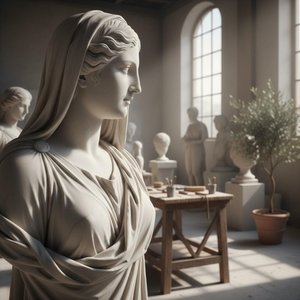
Timeless Elegance: A Complete Guide to the Sublime Beauty and Artistry of Marble Sculpture
Discover the sublime beauty of marble art through an expert exploration of Renaissance and Neoclassical masterpieces. From the delicate textures of Carpeaux to the grandeur of Sansovino, immerse yourself in a guide to timeless elegance and sculptural perfection.

The Enduring Allure of Marble in Art History: From Classical Sculpture to Modern Abstraction
Explore the captivating history of marble sculpture from ancient Greece to modern art. Discover renowned artists like Canova & Michelangelo, carving techniques, and investment insights at OriginalUniqueArt.

Топ 10 Бронзови Скулптури, Променили Изкуството завинаги | OriginalUniqueArt.bg
Разгледайте топ 10 легендарни бронзови скулптури, променили изкуството! От Роден до Микеланджело – истории на гении и вечни шедьоври. Вдъхновете се за вашия дом с OriginalUniqueArt.bg. Разгледайте пълната колекция онлайн!
