 معاينة الحجم الواقعي
 مشاركة
 مشاركة
 التفاصيل
 دليل
دليل

 تحميل الملف
 قطع مشابهة
 الأشعة السينية
 عرض شرائح
 الأسئلة والأجوبة
 الإحصائيات
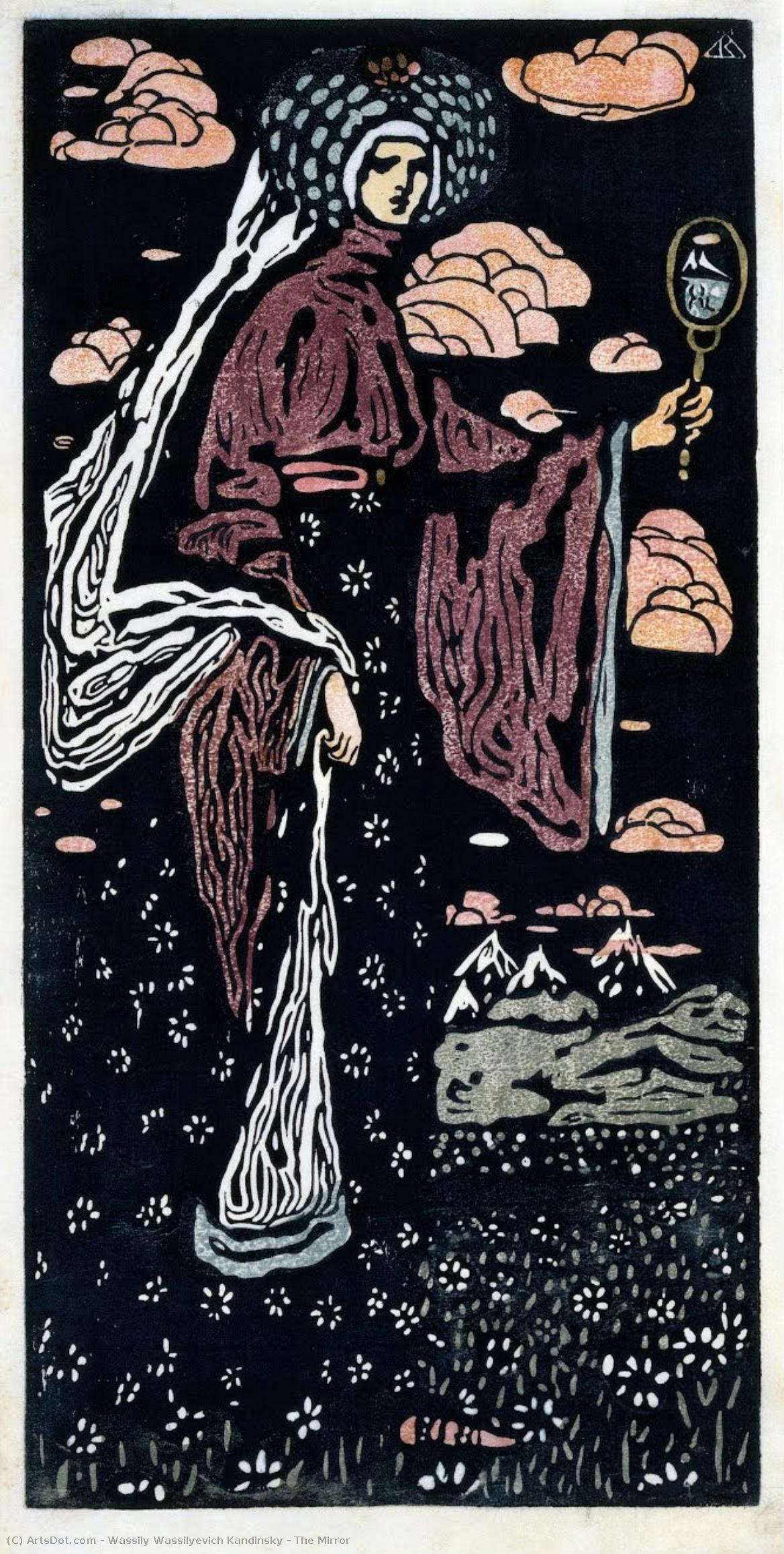
The Mirror

- 15.0 x 31.0 cm


 عرض المزيد
طباعة جيلي / مطبوعات فنية
طباعة جيكلي أو كانفاس بجودة المتاحف، مع سرعة في التنفيذ وخيارات متنوعة للتشطيب. ( شراء لوحة مرسومة يدويًا الانتقال إلى الصورة الرقمية)




P118B E£10

P118H E£10

P118W E£10

P438Z E£10

P508JH E£12

P508YH E£12

P805H E£10

P805Z E£10

P919BZ E£10

P919G E£10

P919XJ E£10

P959ZH E£10

P968JZ E£12

W106C E£8

W218G E£10

W218JH E£8

W218Y E£10

W307PJ E£10

W316G E£10

W316PJ E£8

W316Y E£10

W398PJ E£8

W4111J E£10

W500HY E£15

W500JH E£15

W692G E£12

W849H E£8

W940BG E£15

W953PJ E£8




اختر من بين أحجامنا المُعدّة مسبقاً والتي تتوافق مع النسب الأصلية للعمل الفني.

أدخل العرض والارتفاع المطلوبين ليتناسب المقاس مع إطارك أو جدارك. يرجى الملاحظة أن المطبوعة يمكن قصها فقط ولا يمكن تكبيرها لتتجاوز أبعاد الصورة الأصلية، لذا فإن اختيار مقاس بأبعاد مختلفة سيؤدي إلى فقدان جزء من الصورة. سنرسل لك نموذجاً رقمياً تجريبياً لاعتماده قبل البدء في عملية الطباعة. الصورة المعروضة في هذه الصفحة لا توضح شكل القص الفعلي — النموذج التجريبي فقط هو ما يظهر ذلك بدقة.
توصيل عالمي إلى خلال أسبوعين بدلاً من المدة القياسية البالغة 4/5 أسابيع. (5 نوفمبر)

شحن سريع ومجاني لجميع أنحاء العالم

قماش كتان عالي الجودة

تأمين شامل على الشحن

ضمان استرداد الرسوم الجمركية

ضمان مطابقة الألوان الحقيقية

سياسة الإرجاع خلال 100 يوم (في حالات العيوب فقط)

ضمان استرداد نقدي بنسبة 100%

خصم عند طلب كميات
 خيار الزجاج متاح فقط للمقاسات التي تقل عن 110 سم

The Mirror
طباعة جيلي / مطبوعات فنية
مقاس النسخة المطبوعة
-


إجمالي السعر النهائي
E£ 4237
A Glimpse into the Soul: Wassily Kandinsky’s “The Mirror”
Wassily Kandinsky's "The Mirror," created in 1907, isn’t merely a depiction of a reflective surface; it’s an intensely personal and profoundly symbolic exploration of identity, introspection, and the elusive nature of reality. This color woodblock print, rendered in shades of mauve-red, green, blue, yellow, and black on oriental paper, immediately draws the viewer into a world where visual perception is deliberately challenged. The composition centers around a solitary female figure, poised within a darkened space, her hand outstretched holding a small, ornate mirror – an object laden with layers of meaning that resonate deeply within Kandinsky’s artistic vision.
Kandinsky's early work was profoundly influenced by his experiences as a young man in Moscow, particularly his encounter with Claude Monet’s “Haystacks.” This initial exposure to Impressionism sparked a fascination with color and its ability to evoke emotion independently of recognizable objects. “The Mirror” embodies this principle; the colors themselves – the deep blues and greens suggesting mystery and contemplation, contrasted against the warmer hues – aren't simply decorative but actively contribute to the artwork’s emotional atmosphere. The figure’s posture, a subtle blend of stillness and anticipation, invites us to share in her quiet gaze into the mirror.
The Language of Abstraction: Technique and Process
Crafted using the meticulous technique of color woodblock printing, “The Mirror” showcases Kandinsky's mastery of layering and registration. The crisp lines and distinct color blocks are a testament to the painstaking process involved in creating this artwork – each layer carefully carved into a wooden block and then meticulously printed onto the paper. This method, characteristic of early 20th-century printmaking, allowed for precise control over color and texture, contributing significantly to the work’s visual impact. The slight variations in tone and pressure during printing create subtle nuances that add depth and complexity to the image, hinting at the artist's deliberate manipulation of the medium.
The choice of oriental paper further enhances the artwork’s aesthetic qualities. Its slightly textured surface provides a beautiful backdrop for the vibrant colors, while its delicate weight contributes to the overall sense of elegance and refinement. The print’s dimensions – 15 x 31 cm – are carefully considered, ensuring that the composition is both visually engaging and appropriately scaled for display.
Symbolism and Inner Vision
The mirror itself is a potent symbol within Kandinsky's oeuvre, representing not just physical reflection but also introspection, illusion, and the complexities of identity. The solitary figure gazing into it suggests a deep engagement with her own self-image – a questioning of who she is and how she perceives herself. Furthermore, the small size of the mirror emphasizes the intimacy of this internal dialogue, suggesting that true understanding comes not from external appearances but from within.
The starry night backdrop adds another layer of symbolic richness. Stars have long been associated with guidance, destiny, and the unknown – elements that resonate powerfully with Kandinsky’s exploration of spirituality and the subconscious. The swirling clouds further contribute to a sense of mystery and movement, creating an atmosphere that is both captivating and slightly unsettling.
A Timeless Reflection: Emotional Impact
“The Mirror” transcends its purely visual qualities to evoke a profound emotional response. There’s a quiet melancholy woven into the composition, stemming from the figure's solitary contemplation and the vastness of the surrounding nightscape. Yet, it is not a despairing mood; rather, it suggests a sense of resilience, an acceptance of the complexities of existence, and a willingness to confront one’s own inner world. This artwork invites viewers to pause, reflect, and consider their own relationship with self-perception and the mysteries that lie beneath the surface of our conscious awareness. It remains a powerful testament to Kandinsky's pioneering role in shaping modern art and his enduring ability to capture the essence of human experience through color and form.
الأسئلة والأجوبة
كم كان عمر واسللي كاندنسكي عند إبداع العمل "The Mirror"؟
كان عمر واسللي كاندنسكي يبلغ 41 عاماً عند إبداع العمل "The Mirror" في عام 1907. تم حساب العمر بناءً على سنة ميلاد الفنان، 1866.
إلى أي مرحلة من مسيرة واسللي كاندنسكي المهنية تنتمي لوحة "The Mirror" (1907)؟
يعود تاريخ 1907 للوحة "The Mirror"، مما يضعها ضمن مرحلة Early Kandinsky من مسيرة تطور واسللي كاندنسكي.
ما هي إعدادات الطباعة المقترحة لـ "The Mirror" للفنان واسللي كاندنسكي؟
مقاس Medium، واتجاه Tall: هذا هو إعداد الطباعة المقترح لـ "The Mirror" للفنان واسللي كاندنسكي.
السيرة الذاتية للفنان
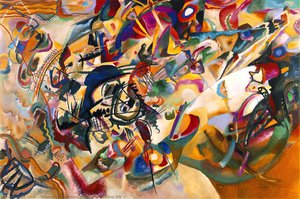
تكوين السابع
كان واسلي كاندنسكي، الذي ولد في موسكو عام ١٨٦٦، شخصية ثورية غيرت مسار الفن الحديث بشكل جذري. لم يكن رحله هي التوجه نحو الفن بشكل مباشر؛ بل بدأ حياته المهنية كمحامي واقتصادي في جامعة موسكو، لكن لقاءً عميقًا مع لوبرون ديفونيست، وتحديدًا اللوحة الشهيرة لـ «أشجار القيقب» لـ كلود مونيه، وعملًا مؤثرًا شهد فيه أوبرا ريتشارد فاغنر «لوه إن غريين»، أشعلت بداخله رغبة لا تقاوم في متابعة الفن. هذا اللقاء الذي وقع حوالي سنته الثلاثين لم يمثل مجرد تغيير مهني بل تحولًا كاملاً في المنظور، ووجهه نحو التجديد الأبدي للرسم المجرد. انتقل إلى ميونيخ على الفور، وتخرج من أكاديمية الفنون الجميلة ودراسة تحت إشراف فرانتز فون ستوك، لكن حتى ضمن التدريب الرسمي، كان روح كاندنسكي تتوق إلى استكشاف ما وراء الحدود التقليدية للفن. كانت تأثيراته المبكرة تشمل الفنون الشعبية الروسية، التي جمعتها بعثة علمية إلى منطقة فولوجدا عام ١٨٨٩، والتي زرعت فيه شغفًا بالألوان الزاهية وصور رمزية، وهذا الأساس كان حاسمًا في تطوير لغته الفنية الفريدة. لم تكن هذه الاستكشافات هي مجرد تفضيل جمالي؛ بل كانت متجذرة في ارتباط ثقافي عميق وفهم متزايد لكيف يمكن للفن أن يتواصل خارج التوصيف الحرفي.النهوض بالمجردة: من التعبيرية إلى الضرورة الداخلية
كانت أعمال كاندنسكي المبكرة تعكس توجهًا قويًا للتعبيرية، ويتميز باللون الجريء والإثارة العاطفية - كانت اللوحة «بابلن» من ١٩٠٢ مثالًا على هذه الفترة. ومع ذلك، لم يكن راضيًا عن مجرد تمثيل العالم الخارجي؛ بل سعى إلى التعبير عن الحقائق الروحية التي تتجاوز التصوير البصري البسيط. وقد قاد هذا السعي تدريجيًا بعيدًا عن الفن التوصيفي نحو استكشاف ثوري للألوان والشكل وتأثيرهما العاطفي على حد سواء. بدأ في الاعتقاد بأن الألوان كانت لها تأثير نفسي جوهري، وقادرة على إثارة مشاعر وأحاسيس محددة لدى المشاهد، وهذا الإيمان كان مرتبطًا بعمق بتعلقه بالفسيوفية، وهي حركة روحانية تؤكد المعرفة الغيبية والتضامن العالمي. ومع تعمقه في هذه الأفكار، أصبحت لوحات كاندنسكي أكثر غيابًا عن التشكيل، وتخلت عن الأشكال القابلة للتمييز لصالح تكوينات مجردة مدفوعة بالحاجة الداخلية العميقة. لم يكن هذا مجرد التخلي عن التمثيل؛ بل كان اكتشاف لغة بصرية جديدة قادرة على التعبير عن العوالم غير المادية للعاطفة والروحانية. سعى إلى إنشاء ما يشبه الموسيقى، حيث تتناغم الألوان والأشكال لإثارة استجابات عاطفية عميقة.التوازن الجوهري والصدى الروحي
شهدت الفترة التي تلاها مشاركته في المجموعة الفنية المؤثرة «الرائد الأزرق» عام ١٩١١ تطورًا إضافيًا لأسلوبه، على الرغم من أن أعماله المبكرة غالبًا ما كانت تتضمن أشكالًا عضوية سائلة، بدأ في استكشاف التجريد الهندسي، مع التركيز على تفاعل الأشكال الكروية والمربعة والثرنائية داخل اللوحة. تعتبر لوحة «تكوين السابع» مثالًا رئيسيًا لهذه المرحلة - وهي تكوين ديناميكي حيث تتفاعل الألوان والأشكال في رقصة متوازنة ولكنها حيوية. هذه ليست هندسة باردة أو صلبة؛ بل هي مليئة بالمعنى الرمزي، وتؤكد على التوازن والتماثل، وتجسد رؤيته الفنية الفريدة وتراثًا دائمًا في تاريخ الفن الحديث. لم ير كاندنسكي الفن مجردًا لتمثيل العالم الخارجي؛ بل كان يهدف إلى الكشف عن عالم الفنان الداخلي وإقامة اتصال أعمق وأكثر حدسًا مع المشاهد، مما يؤكد مكانته كواحد من أهم الشخصيات في القرن العشرين.التأثير الباهاوسي والتراث الدائم
أدى اندلاع الحرب العالمية الأولى إلى عودة كاندنسكي إلى روسيا عام ١٩١٤، لكن بعد الثورة الروسية، وجد نفسه متزايدًا مع المناخ الفني السائد، وفي عام ١٩٢٠ وافق على منصب تدريس في أكاديمية البهاووس بألمانيا، حيث أثر بشكل عميق على أجيال من الفنانين بتأصيله النظريات حول اللون والشكل والتجريد، مما عزز مكانته كواحد من رواد التعبير المجرد في الفن الغربي. قدمت البهاووس بيئة مثالية لكاندنسكي لتطوير أفكاره واستكشاف مسارات إبداعية جديدة، وتوفي في نيويلي سور سيين عام ١٩٤٤، تاركًا وراءه إرثًا فنيًا لا يزال يلهم الفنانين حتى يومنا هذا، ويؤكد مكانته كواحد من أهم الشخصيات في تاريخ الفن الحديث. لم ير كاندنسكي الفن مجردًا لتمثيل العالم الخارجي؛ بل كان يهدف إلى الكشف عن عالم الفنان الداخلي وإقامة اتصال أعمق وأكثر حدسًا مع المشاهد، مما يؤكد مكانته كواحد من أهم الشخصيات في القرن العشرين.
واسللي كاندنسكي
1866 - 1944 , روسيا
حقائق سريعة
- Artistic Movement Or Style: فن مجرد
- Artists Or Movements Influenced By This Artist: ['الفن التعبيري']
- Artists Who Influenced This Artist:
- كلود مونيه
- ريتشارد فاغنر
- Date Of Birth: ١٨٦٦
- Date Of Death: ١٩٤٤
- Full Name: واسلي كاندنسكي
- Nationality: روسيا
- Notable Artworks:
- تكوين السابع
- مورناو مع قوس قزح
- عدة دوائر
- Place Of Birth: موسكو، روسيا
مقالات ذات صلة

Mastering Abstraction: The 25 Most Iconic Works by Wassily Kandinsky
Explore 25 iconic Kandinsky masterpieces and the birth of abstraction. Discover the full collection online at OriginalUniqueArt.com.

The Enduring Legacy of Woodblock Printmaking: Technique, History & Artistic Expression
Explore the rich history of woodblock printmaking – from ancient techniques to Ukiyo-e masterpieces. Discover expert insights on collecting, preserving & appreciating this enduring art form.

أعلى 10 روائع تحدد الرمزية التعبيرية: رحلة في الفن الراقي و لوحات مميزة
اكتشف روائع الرمزية التعبيرية! استكشف 10 لوحات أيقونية مع جاكسون بولوك ومارك روثكو. قصص فنانين، تقنيات فريدة، وأعمال خالدة. احصل على لوحات مميزة لديكور منزلك الفاخر. تسوق الآن على OriginalUniqueArt.com!

أكثر 10 روائع فنية حدّدت حركة التجريد الهندسي | OriginalUniqueArt.com
اكتشف 10 روائع فنية غيرت مسار التجريد الهندسي! تعرف على بيكاسو، موندريان وماليفيتش وغيرهم. لوحات أصلية وإعادة إنتاج فاخرة لديكور عصري. استلهم منزلك مع OriginalUniqueArt.com
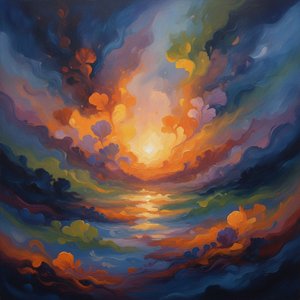
The Soul of Color: A Journey into the Emotional Resonance of Lyrical Abstraction
Embark on a cultural journey through Lyrical Abstraction. Explore how masters like Kandinsky used color and motion to translate emotion into visual poetry. Discover the profound beauty of abstract expressionism and learn to curate emotional resonance in your own art collection.