معاينة الحجم الواقعي
 مشاركة
 مشاركة
 التفاصيل
 دليل
دليل

 تحميل الملف
 قطع مشابهة
 الأشعة السينية
 عرض شرائح
 Q&A
Q&A الإحصائيات
In The Forest

- 26.0 x 19.0 cm


 عرض المزيد
طباعة جيلي / مطبوعات فنية
طباعة جيكلي أو كانفاس بجودة المتاحف، مع سرعة في التنفيذ وخيارات متنوعة للتشطيب. ( شراء لوحة مرسومة يدويًا الانتقال إلى الصورة الرقمية)




P118B E£10

P118H E£10

P118W E£10

P438Z E£10

P508JH E£12

P508YH E£12

P805H E£10

P805Z E£10

P919BZ E£10

P919G E£10

P919XJ E£10

P959ZH E£10

P968JZ E£12

W106C E£8

W218G E£10

W218JH E£8

W218Y E£10

W307PJ E£10

W316G E£10

W316PJ E£8

W316Y E£10

W398PJ E£8

W4111J E£10

W500HY E£15

W500JH E£15

W692G E£12

W849H E£8

W940BG E£15

W953PJ E£8




اختر من بين أحجامنا المُعدّة مسبقاً والتي تتوافق مع النسب الأصلية للعمل الفني.

أدخل العرض والارتفاع المطلوبين ليتناسب المقاس مع إطارك أو جدارك. يرجى الملاحظة أن المطبوعة يمكن قصها فقط ولا يمكن تكبيرها لتتجاوز أبعاد الصورة الأصلية، لذا فإن اختيار مقاس بأبعاد مختلفة سيؤدي إلى فقدان جزء من الصورة. سنرسل لك نموذجاً رقمياً تجريبياً لاعتماده قبل البدء في عملية الطباعة. الصورة المعروضة في هذه الصفحة لا توضح شكل القص الفعلي — النموذج التجريبي فقط هو ما يظهر ذلك بدقة.
توصيل عالمي إلى خلال أسبوعين بدلاً من المدة القياسية البالغة 4/5 أسابيع. (2 نوفمبر)

شحن سريع ومجاني لجميع أنحاء العالم

قماش كتان عالي الجودة

تأمين شامل على الشحن

ضمان استرداد الرسوم الجمركية

ضمان مطابقة الألوان الحقيقية

سياسة الإرجاع خلال 100 يوم (في حالات العيوب فقط)

ضمان استرداد نقدي بنسبة 100%

خصم عند طلب كميات
 خيار الزجاج متاح فقط للمقاسات التي تقل عن 110 سم

In The Forest
طباعة جيلي / مطبوعات فنية
مقاس النسخة المطبوعة
-


إجمالي السعر النهائي
E£ 4184
A Journey Into Color and Emotion: Wassily Kandinsky’s “In The Forest”
Wassily Kandinsky's "In The Forest," painted in 1904, isn’t merely a depiction of a woodland scene; it’s an immersive experience—a vibrant portal into the artist’s burgeoning world of abstract expression. Born in Moscow and initially pursuing a career in law, Kandinsky’s artistic awakening arrived later in life, fueled by a profound encounter with Monet's "Haystacks." This pivotal moment ignited a lifelong quest to translate inner emotions onto canvas, a journey culminating in works like “In The Forest,” which stands as a crucial stepping stone toward his groundbreaking abstract style. The painting, measuring a modest 26 x 19 cm, belies the monumental impact it would have on the course of modern art.
At first glance, the composition presents a familiar landscape: a man and horse traversing a mountainous terrain beneath a cloudy sky. However, Kandinsky deliberately strips away representational accuracy, prioritizing instead the raw power of color and form. The figures are rendered with simplified shapes—the man’s hat a distinct geometric element, the horse’s body a blocky structure—while the mountains dissolve into swirling masses of blues, greens, and browns. This deliberate ambiguity invites the viewer to engage not just with what *is* depicted, but with what *feels* depicted – a sense of movement, energy, and perhaps even a hint of unease.
The Language of Form and Color
Kandinsky’s technique in “In The Forest” is characterized by bold, expressive brushstrokes and an almost obsessive attention to color relationships. He employed a technique he termed ‘psychological coloring,’ believing that colors possessed inherent emotional qualities. Deep blues evoke feelings of melancholy and introspection, while vibrant greens suggest vitality and growth. The use of contrasting hues creates visual tension, mirroring the internal struggles and aspirations represented within the painting. Kandinsky’s layering of pigments—often applied in thick impasto—adds a tactile dimension to the work, inviting closer inspection and encouraging the viewer to lose themselves in its textured surface.
Influenced by movements like Expressionism and Fauvism, which prioritized emotional impact over strict realism, Kandinsky sought to create paintings that communicated directly with the subconscious. He famously wrote about his artistic philosophy, stating that “the artist must not depict what he sees, but what he feels.” This sentiment is powerfully realized in "In The Forest," where recognizable forms are subsumed by a swirling vortex of color and shape—a visual embodiment of inner experience.
Symbolism and the Journey Within
The central image – the man on horseback – carries significant symbolic weight. It represents an individual embarking on a journey, confronting challenges and navigating uncertain terrain. The horse itself symbolizes strength, power, and perhaps even a primal instinct. The mountainous landscape serves as a metaphor for obstacles and difficulties, while the cloudy sky hints at both hope and apprehension. Kandinsky wasn’t simply painting a forest; he was exploring the complexities of human existence—the interplay between ambition, vulnerability, and the search for meaning.
Interestingly, Kandinsky's work during this period reflects his own personal journey – a transition from a structured academic life to one dedicated entirely to art. The painting can be interpreted as an allegory for this transformation, a visual representation of shedding old identities and embracing new possibilities. The influence of figures like Pablo Picasso, particularly in his exploration of form and perspective, is subtly present, yet Kandinsky ultimately forged his own unique path toward abstraction.
A Legacy of Innovation
"In The Forest" stands as a pivotal work in the development of abstract art, demonstrating Kandinsky’s pioneering approach to non-representational painting. Its influence can be seen in countless artists who followed, shaping the trajectory of 20th-century art and beyond. As documented by Wikipedia and other historical sources, Kandinsky's exploration of color and form continues to resonate with audiences today, reminding us of the power of art to evoke emotion, stimulate imagination, and transcend the boundaries of conventional representation. OriginalUniqueArt.com offers meticulously crafted oil painting reproductions of “In The Forest,” allowing you to bring this iconic masterpiece into your own space and experience its captivating beauty firsthand.
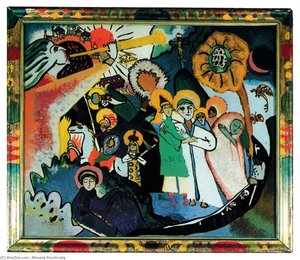
OriginalUniqueArt.com is your premier destination for high-quality, handmade oil painting reproductions. Explore our collection today and discover the beauty of art in its finest form. In The Forest by Wassily Kandinsky (1904) | Improvisation XIV by Wassily Kandinsky | Seated man (Self-portrait) by Pablo Picasso
In The Forest by Wassily Kandinsky (1904)
Improvisation XIV by Wassily Kandinsky
Seated man (Self-portrait) by Pablo Picasso
- In The Forest by Wassily Kandinsky (1904)
- Improvisation XIV by Wassily Kandinsky
- Seated man (Self-portrait) by Pablo Picasso
الأسئلة والأجوبة
من هو الفنان الذي يُنسب إليه العمل "In The Forest"؟
يُنسب العمل "In The Forest" إلى واسللي كاندنسكي.
ما هي إعدادات الطباعة المقترحة لـ "In The Forest" للفنان واسللي كاندنسكي؟
مقاس Medium، واتجاه Portrait: هذا هو إعداد الطباعة المقترح لـ "In The Forest" للفنان واسللي كاندنسكي.
هل ألوان "In The Forest" للفنان واسللي كاندنسكي مشبعة أم خافتة؟
تتميز ألوان "In The Forest" للفنان واسللي كاندنسكي بدرجة تشبع Balanced Soft، حيث يعبر التشبع عن مدى حيوية الألوان أو خفوتها.
السيرة الذاتية للفنان
تكوين السابع
كان واسلي كاندنسكي، الذي ولد في موسكو عام ١٨٦٦، شخصية ثورية غيرت مسار الفن الحديث بشكل جذري. لم يكن رحله هي التوجه نحو الفن بشكل مباشر؛ بل بدأ حياته المهنية كمحامي واقتصادي في جامعة موسكو، لكن لقاءً عميقًا مع لوبرون ديفونيست، وتحديدًا اللوحة الشهيرة لـ «أشجار القيقب» لـ كلود مونيه، وعملًا مؤثرًا شهد فيه أوبرا ريتشارد فاغنر «لوه إن غريين»، أشعلت بداخله رغبة لا تقاوم في متابعة الفن. هذا اللقاء الذي وقع حوالي سنته الثلاثين لم يمثل مجرد تغيير مهني بل تحولًا كاملاً في المنظور، ووجهه نحو التجديد الأبدي للرسم المجرد. انتقل إلى ميونيخ على الفور، وتخرج من أكاديمية الفنون الجميلة ودراسة تحت إشراف فرانتز فون ستوك، لكن حتى ضمن التدريب الرسمي، كان روح كاندنسكي تتوق إلى استكشاف ما وراء الحدود التقليدية للفن. كانت تأثيراته المبكرة تشمل الفنون الشعبية الروسية، التي جمعتها بعثة علمية إلى منطقة فولوجدا عام ١٨٨٩، والتي زرعت فيه شغفًا بالألوان الزاهية وصور رمزية، وهذا الأساس كان حاسمًا في تطوير لغته الفنية الفريدة. لم تكن هذه الاستكشافات هي مجرد تفضيل جمالي؛ بل كانت متجذرة في ارتباط ثقافي عميق وفهم متزايد لكيف يمكن للفن أن يتواصل خارج التوصيف الحرفي.النهوض بالمجردة: من التعبيرية إلى الضرورة الداخلية
كانت أعمال كاندنسكي المبكرة تعكس توجهًا قويًا للتعبيرية، ويتميز باللون الجريء والإثارة العاطفية - كانت اللوحة «بابلن» من ١٩٠٢ مثالًا على هذه الفترة. ومع ذلك، لم يكن راضيًا عن مجرد تمثيل العالم الخارجي؛ بل سعى إلى التعبير عن الحقائق الروحية التي تتجاوز التصوير البصري البسيط. وقد قاد هذا السعي تدريجيًا بعيدًا عن الفن التوصيفي نحو استكشاف ثوري للألوان والشكل وتأثيرهما العاطفي على حد سواء. بدأ في الاعتقاد بأن الألوان كانت لها تأثير نفسي جوهري، وقادرة على إثارة مشاعر وأحاسيس محددة لدى المشاهد، وهذا الإيمان كان مرتبطًا بعمق بتعلقه بالفسيوفية، وهي حركة روحانية تؤكد المعرفة الغيبية والتضامن العالمي. ومع تعمقه في هذه الأفكار، أصبحت لوحات كاندنسكي أكثر غيابًا عن التشكيل، وتخلت عن الأشكال القابلة للتمييز لصالح تكوينات مجردة مدفوعة بالحاجة الداخلية العميقة. لم يكن هذا مجرد التخلي عن التمثيل؛ بل كان اكتشاف لغة بصرية جديدة قادرة على التعبير عن العوالم غير المادية للعاطفة والروحانية. سعى إلى إنشاء ما يشبه الموسيقى، حيث تتناغم الألوان والأشكال لإثارة استجابات عاطفية عميقة.التوازن الجوهري والصدى الروحي
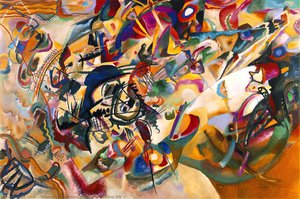
شهدت الفترة التي تلاها مشاركته في المجموعة الفنية المؤثرة «الرائد الأزرق» عام ١٩١١ تطورًا إضافيًا لأسلوبه، على الرغم من أن أعماله المبكرة غالبًا ما كانت تتضمن أشكالًا عضوية سائلة، بدأ في استكشاف التجريد الهندسي، مع التركيز على تفاعل الأشكال الكروية والمربعة والثرنائية داخل اللوحة. تعتبر لوحة «تكوين السابع» مثالًا رئيسيًا لهذه المرحلة - وهي تكوين ديناميكي حيث تتفاعل الألوان والأشكال في رقصة متوازنة ولكنها حيوية. هذه ليست هندسة باردة أو صلبة؛ بل هي مليئة بالمعنى الرمزي، وتؤكد على التوازن والتماثل، وتجسد رؤيته الفنية الفريدة وتراثًا دائمًا في تاريخ الفن الحديث. لم ير كاندنسكي الفن مجردًا لتمثيل العالم الخارجي؛ بل كان يهدف إلى الكشف عن عالم الفنان الداخلي وإقامة اتصال أعمق وأكثر حدسًا مع المشاهد، مما يؤكد مكانته كواحد من أهم الشخصيات في القرن العشرين.التأثير الباهاوسي والتراث الدائم
أدى اندلاع الحرب العالمية الأولى إلى عودة كاندنسكي إلى روسيا عام ١٩١٤، لكن بعد الثورة الروسية، وجد نفسه متزايدًا مع المناخ الفني السائد، وفي عام ١٩٢٠ وافق على منصب تدريس في أكاديمية البهاووس بألمانيا، حيث أثر بشكل عميق على أجيال من الفنانين بتأصيله النظريات حول اللون والشكل والتجريد، مما عزز مكانته كواحد من رواد التعبير المجرد في الفن الغربي. قدمت البهاووس بيئة مثالية لكاندنسكي لتطوير أفكاره واستكشاف مسارات إبداعية جديدة، وتوفي في نيويلي سور سيين عام ١٩٤٤، تاركًا وراءه إرثًا فنيًا لا يزال يلهم الفنانين حتى يومنا هذا، ويؤكد مكانته كواحد من أهم الشخصيات في تاريخ الفن الحديث. لم ير كاندنسكي الفن مجردًا لتمثيل العالم الخارجي؛ بل كان يهدف إلى الكشف عن عالم الفنان الداخلي وإقامة اتصال أعمق وأكثر حدسًا مع المشاهد، مما يؤكد مكانته كواحد من أهم الشخصيات في القرن العشرين.
واسللي كاندنسكي
1866 - 1944 , روسيا
حقائق سريعة
- Artistic Movement Or Style: فن مجرد
- Artists Or Movements Influenced By This Artist: ['الفن التعبيري']
- Artists Who Influenced This Artist:
- كلود مونيه
- ريتشارد فاغنر
- Date Of Birth: ١٨٦٦
- Date Of Death: ١٩٤٤
- Full Name: واسلي كاندنسكي
- Nationality: روسيا
- Notable Artworks:
- تكوين السابع
- مورناو مع قوس قزح
- عدة دوائر
- Place Of Birth: موسكو، روسيا
مقالات ذات صلة

أعلى 10 روائع تحدد الرمزية التعبيرية: رحلة في الفن الراقي و لوحات مميزة
اكتشف روائع الرمزية التعبيرية! استكشف 10 لوحات أيقونية مع جاكسون بولوك ومارك روثكو. قصص فنانين، تقنيات فريدة، وأعمال خالدة. احصل على لوحات مميزة لديكور منزلك الفاخر. تسوق الآن على OriginalUniqueArt.com!
Beyond Representation: Exploring the Emotional Landscape of Abstract Expressionism
Explore the profound emotional world of Abstract Expressionism with OriginalUniqueArt. Discover key artists like Pollock & Rothko, learn about collecting, and find museum-quality reproductions to inspire your space.
The Soul of Color: A Journey into the Emotional Resonance of Lyrical Abstraction
Embark on a cultural journey through Lyrical Abstraction. Explore how masters like Kandinsky used color and motion to translate emotion into visual poetry. Discover the profound beauty of abstract expressionism and learn to curate emotional resonance in your own art collection.

أكثر 10 روائع فنية حدّدت حركة التجريد الهندسي | OriginalUniqueArt.com
اكتشف 10 روائع فنية غيرت مسار التجريد الهندسي! تعرف على بيكاسو، موندريان وماليفيتش وغيرهم. لوحات أصلية وإعادة إنتاج فاخرة لديكور عصري. استلهم منزلك مع OriginalUniqueArt.com

Mastering Abstraction: The 25 Most Iconic Works by Wassily Kandinsky
Explore 25 iconic Kandinsky masterpieces and the birth of abstraction. Discover the full collection online at OriginalUniqueArt.com.