Romantic Landscape Painting · 1845
Landscape (توماس كول, 1845)
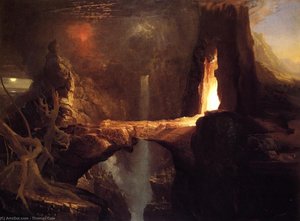
أبدع توماس كول (1801–1848) في Landscape. يعود تاريخها إلى 1845. تنتمي إلى حركة Romantic Landscape Painting. صُنعت من Oil On Canvas. تُحفظ في متحف مينيابوليس للفنون في مينيابوليس, الولايات المتحدة الأمريكية. أبعادها 60 × 80 cm
- 1845
- Oil On Canvas
- 60 × 80 cm
- متحف مينيابوليس للفنون

 معاينة الحجم الواقعي

 لوحة زيتية مرسومة يدوياً
 مشاركة
 مشاركة
 بطاقة المعلومات


 تحميل الملف
 قطع مشابهة
 الأشعة السينية
 عرض شرائح
 الأسئلة والأجوبة

 الإحصائيات
Landscape باختصار
- العنوان
- Landscape
- الفنان
- توماس كول (1801–1848)
- تاريخ ميلاد الفنان
- بولتن, المملكة المتحدة
- التاريخ
- 1845
- الوسيط الفني
- Oil On Canvas
- الأبعاد
- 60 × 80 cm
- أماكن العرض
- متحف مينيابوليس للفنون, مينيابوليس, الولايات المتحدة الأمريكية
- الحقبة الزمنية
- 19th Century
- الموضوع
- american wilderness, landscape painting, romanticism, hudson river school, contemplation, natural harmony
ماذا يصور Landscape؟
A Vision of American Transcendence
In the heart of the mid-19th century, as a young nation began to grapple with its burgeoning identity, Thomas Cole captured something far more profound than mere scenery. His 1845 masterpiece, Landscape, serves as a cornerstone of Romantic art, offering a window into the soul of the American wilderness. This oil on canvas is not simply a depiction of a picturesque vista; it is a testament to the burgeoning spirit of a continent. Through his brush, the rugged terrain becomes a stage for spiritual contemplation, inviting the viewer to move beyond the physical world and into a realm of profound transcendence.
As the founder of the Hudson River School, Cole spearheaded a movement that sought to convey the grandeur and the sublime of the American landscape. Unlike the European traditions of his time, which often leaned toward grand historical narratives or classical mythology, Cole turned his gaze toward the untamed forests and rocky precipices of the New World. He believed that by observing the raw majesty of nature, one could elevate the human spirit and uncover deeper moral truths. In this painting, we see that conviction realized through a composition that balances the immense scale of the earth with the quiet presence of humanity.
Mastery of Light and Atmosphere
The visual impact of this work lies in Cole’s masterful command of atmospheric perspective. To gaze upon this landscape is to feel the very air of the scene; he skillfully employs subtle shading and delicate tonal variations to create a convincing illusion of depth. The viewer is transported from the immediate, textured foreground into the serene, misty expanse of the distant hills. This technique does more than provide realism; it creates a sense of infinite possibility, drawing the eye toward a horizon that feels both reachable and divine.
Cole’s brushwork further enhances this immersive experience. His strokes are remarkably controlled yet possess a certain fluidity that mirrors the natural movement of wind through ancient trees and the shifting light of a passing cloud. The placement of figures—a solitary man contemplating the vastness—is a deliberate compositional choice designed to anchor the viewer's perspective. By positioning a human element against the overwhelming scale of the rocky hillside, Cole highlights the relationship between the individual and the infinite, making the painting an ideal centerpiece for those who appreciate art that evokes both peace and awe.
A Timeless Addition to the Collector’s Gallery
For the discerning collector or interior designer, a high-quality reproduction of this work offers more than just aesthetic beauty; it brings a sense of historical weight and emotional tranquility to any space. The painting's palette, rich with earthy tones and luminous highlights, provides a sophisticated foundation for various decor styles, from classic traditionalism to modern organic aesthetics. It serves as a conversation piece that invites contemplation, much like the figures within the landscape itself.
Owning a piece of this caliber allows one to inhabit the same spirit of American Romanticism that Cole so brilliantly captured. Whether placed in a quiet study, a grand living room, or a professional gallery setting, this reproduction of Landscape acts as a window into a lost era of discovery and reverence. It is an investment in atmosphere, bringing the enduring, peaceful energy of the Hudson River School into the contemporary home.
أي متحف يضم Landscape؟
متحف مينيابوليس للفنون
مينيابوليس, الولايات المتحدة الأمريكية
إرث من الرؤية الفنية: استكشاف معهد مينيابوليس للفنون يقف معهد مينيابوليس للفنون (Mia) كمنارة شامخة للتراث الفني في الغرب الأوسط الأمريكي، حيث يمنح زواره رحلة لا تضاهى عبر آلاف السنين من التعبير الإبداعي. تأسس المعهد عام 1883 على يد جمعية مينيابوليس للفنون الجميلة بطموح فريد ونبيل—وهو إثراء النسيج الثقافي لولاية مينيسوتا—وقد عكس تطور المتحف نمو المدينة نفسها؛ فمن بداياته المتواضعة التي احتضنتها المكتبة العامة المحلية إلى صرحه المهيب المصمم على طراز "الفنون الجميلة" (Beaux-Arts)، يجسد المعهد تفانياً راسخاً في الحفاظ على الكنوز الفنية وتنمية الفضول الفكري المستمر. إن التجول في ردهاته هو بمثابة عبور عبر الزمن، حيث ينتقل المرء من همسات العصور القديمة إلى الحوارات النابضة بالحياة والتحدي في العصر المعاصر.


صور عالية الدقة لـ Landscape

توماس كول, Landscape (1845), متحف مينيابوليس للفنون. ملك عام
أسئلة وإجابات حول Landscape
أين تُعرض "Landscape" للفنان توماس كول اليوم؟
يمكنكم مشاهدة العمل الأصلي "Landscape" في متحف مينيابوليس للفنون, مينيابوليس, الولايات المتحدة الأمريكية.
ما هي التقنية المستخدمة في "Landscape" للفنان توماس كول؟
ما هي أبعاد العمل الأصلي "Landscape" للفنان توماس كول؟
تبلغ أبعاد "Landscape" في شكلها الأصلي 60 x 80 cm. وتُعد الأبعاد الأصلية مرجعاً مفيداً عند اختيار حجم النسخة المطبوعة.
ماذا يصور "Landscape"؟
هل العمل "Landscape" ضمن الملكية العامة؟
إلى أي تيار فني تنتمي "Landscape" للفنان توماس كول؟
ينتمي العمل "Landscape" إلى مدرسة Romantic Landscape Painting، وهي المدرسة التي تمثل التقليد الفني الذي يندرج ضمنه هذا العمل.
عن الفنان، توماس كول

1801–1848, المملكة المتحدة
توماس كول
حياة وفن تومس كول وُلد تومس كول في الأول من فبراير عام 1801، في بولتون لي مورز بمقاطعة لانكشاير الإنجليزية، لتبدأ رحلة حياة بدأت بعيداً كل البعد عن تلك المناظر الطبيعية التي ستصبح لاحقاً رمزاً لاسمه. وفي عام 1818، هاجرت عائلته إلى الولايات المتحدة، بحثاً عن فجر جديد في أرض شاسعة لم تكن خرائطها قد رُسمت بعد. خلال تلك السنوات الأولى، كان تومس رجلاً متعدد المهن؛ حيث عمل في البداية كرسام نقش، ثم وجد لنفسه مساراً مستقراً كرسام بورتريه بدءاً من عام 1822. لقد كان فناناً عصامياً إلى حد كبير، صقل رؤيته الفنية من خلال التأمل العميق ودراسة الكتب بدلاً من تلقي التدريب الأكاديمي الرسمي، وهذا الاستقلال في الروح هو ما سمح له بالنظر إلى البرية الأمريكية من منظور فريد وخاص به تماماً.
أعمال أخرى لـ توماس كول
 منظر نهر أوكسبو
 حلم المهندس المعماري1840
 الطرد. ضوء القمر واللهب1828
 منظر فلورنسا من سان مينياتو1837

مقالات حول Landscape
 Master of Light: Exploring the Timeless Landscapes and Atmospheric Brilliance of Jean-Baptiste-Camille CorotDiscover the ethereal beauty of Jean-Baptiste-Camille Corot. Explore how this master of light bridged Neoclassicism and Impressionism throu…
 American Romanticism: Capturing the Sublime Grandeur of the New World LandscapeExplore the profound beauty of American Romanticism. Discover how Hudson River School masters captured the sublime New World landscape thro…
 Timeless Elegance vs. Bold Expression: A Curator's Guide to Choosing Classical or Modern Art for Luxury InteriorsMaster the art of interior curation with our expert guide. Discover how to balance timeless classical masterpieces with bold modern express…