Realism
L'Eclair (ألكسندر أنتينيا)
أبدع ألكسندر أنتينيا (1817–1878) في L'Eclair. تنتمي إلى حركة Realism. صُنعت من Oil On Canvas. تُحفظ في متحف أورسيه في باريس, فرنسا.
- Oil On Canvas
- متحف أورسيه, باريس

 معاينة الحجم الواقعي

 لوحة زيتية مرسومة يدوياً
 مشاركة
 مشاركة
 بطاقة المعلومات


 تحميل الملف
 قطع مشابهة
 الأشعة السينية
 عرض شرائح
 الأسئلة والأجوبة

 الإحصائيات
L'Eclair باختصار
- العنوان
- L'Eclair
- الفنان
- ألكسندر أنتينيا (1817–1878)
- تاريخ ميلاد الفنان
- أورليان, فرنسا
- الوسيط الفني
- Oil On Canvas
- أماكن العرض
- متحف أورسيه, باريس, فرنسا
- الحركة
- Realism
- الحقبة الزمنية
- 19th Century
- الموضوع
- people, family, woman, man, child, window
ماذا يصور L'Eclair؟
Identification of L'Eclair by Alexandre Antigna
The oil on canvas titled L'Eclair was painted in 1848. This tableau captures a singular moment of tension. Alexandre Antigna, born in Orléans, France, in 1817, rendered the scene with a steady hand. The pigment settles into the weave of the fabric, holding a fragment of a storm within its fibers.
The artist, Alexandre Antigna, lived until 1878. His brush moved across this specific surface to create a work of quiet, heavy presence. The medium of oil allows for a depth of shadow that anchors the figures in their domestic space. It is a record of a sudden flash, frozen in the stillness of the paint.
Composition and Visual Elements
A sudden flash of lighting pierces the heavy darkness of a Victorian interior. The composition centers on a family portrait caught in a moment of acute concern. Children and adults huddle together, their forms clustered against the encroaching shadows. This storm scene uses the sharp, white intrusion of the lightning to define the edges of human figures, pulling them out of the gloom. The light does not merely illuminate; it exposes the tension held in a gripped hand or a tilted head.
The arrangement of the figures creates a sense of immediate, shared vulnerability. Shadows pool in the corners of the room, pressing inward against the central group. This darkness acts as a weight, contrasting with the sudden, electric brightness that disrupts the domestic peace. The brushwork captures the texture of a moment where the external weather mirrors an internal state of alarm. Every line in the room seems to point toward the center of the huddle, where the family seeks refuge from the elements.
The palette relies on the starkness of the light against the deep, muted tones of a room under siege. There is a heavy stillness in the air, broken only by the implied violence of the storm outside. The composition remains tight, trapping the viewer within the same claustrophobic space as the subjects. A single, sharp light defines the boundary between the safety of the family and the chaos of the night.
The History and Provenance of the Work
The painting first met the public eye in Paris, France, during the Salon of 1848, where it was presented as number 94. That same year, the State acquired the work directly from the artist. It moved from the artist's hands into the official collections, beginning a long residence within the French institutional landscape.
For over a century, the canvas rested in Avignon. From 1848 until 1986, it was held at the Musée Calvet. The passage of time saw the work move through administrative shifts within the national collections. In 1986, the Musées nationaux attributed the piece to the Musée du Louvre. Shortly thereafter, the Musée du Louvre assigned the work to the Musée d'Orsay.
The history of the oil on canvas is a record of movement through French museums. It has traveled from the halls of the Salon to the quiet rooms of provincial collections, eventually finding its place within the national inventory. The light of the storm remains captured within its layers.
Current Location and Museum Details
The painting resides within the collections of the Musée d'Orsay in Paris. It carries the accession number RF 1986 75. This specific oil on canvas remains a part of the French national holdings, though its physical presence has shifted through the decades. It was acquired by the State in 1848, moving from the artist's hands into the public record.
While its official home is recorded in Paris, the work is currently deposited at the musée des Augustins in Toulouse. It rests there, away from the capital, under the quiet stewardship of the museum's conservation. The canvas waits in this southern space, a silent witness to the storm it depicts.
أي متحف يضم L'Eclair؟
متحف أورسيه
باريس, فرنسا
ملاذ الضوء: كشف النقاب عن متحف أورسيه يتربع متحف أورسيه على ضفاف نهر السين في قلب باريس، وهو أكثر بكثير من مجرد مستودع للقطع الأثرية التاريخية؛ إنه رحلة غامرة عبر الزمن والثورة الفنية. إن الخطو إلى داخله يعني الدخول إلى محطة سكة حديد مذهلة من طراز "البيو-آرت"، كانت تُعرف سابقاً بـ "غار أورسيه"، والتي كادت أن تندثر تحت مطارق الهدم، لكنها ولدت من جديد كموطن مضيء لبعض من أثمن الروائع الفنية في العالم. يبدو الهواء داخل هذه الجدران وكأنه يهمس بطاقة فريدة، حيث تختلط الأصداء الشبحية للمحركات البخارية مع الألوان النابضة بالحياة والمشبعة بالشمس في لوحات "زنابق الماء" لمونيه، ومع السماوات المتموجة والمفعمة بالعاطفة في أعمال فان جوخ.


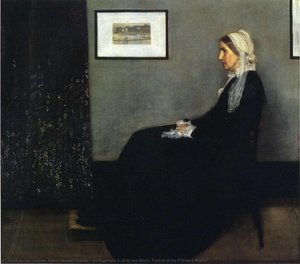
صور عالية الدقة لـ L'Eclair
ألكسندر أنتينيا, L'Eclair.
ألكسندر أنتينيا (1817–1878), L'Eclair, oil on canvas, متحف أورسيه, باريس, فرنسا. ملك عام الصورة: OriginalUniqueArt.com.
أسئلة وإجابات حول L'Eclair
أين تُعرض "L'Eclair" للفنان ألكسندر أنتينيا اليوم؟
تُعرض لوحة "L'Eclair" للفنان ألكسندر أنتينيا في متحف أورسيه, باريس, فرنسا. ويشير وصف المتحف إلى العمل الأصلي، وليس إلى النسخ المطبوعة.
ما هي التقنية المستخدمة في "L'Eclair" للفنان ألكسندر أنتينيا؟
استخدم ألكسندر أنتينيا تقنية Oil On Canvas في عمل "L'Eclair"، وهي التقنية التي تحدد الطبيعة المادية للعمل الأصلي.
ماذا يصور "L'Eclair"؟
تتضمن الموضوعات المتضمنة في "L'Eclair" للفنان ألكسندر أنتينيا كلاً من people, family, woman, man, child, window, shadows, interior، والتي تلخص مجتمعةً فحوى العمل الفني.
هل "L'Eclair" للفنان ألكسندر أنتينيا ضمن الملكية العامة؟
تندرج لوحة "L'Eclair" للفنان ألكسندر أنتينيا ضمن نطاق ملك عام - انتهت مدة حماية حقوق الطبع والنشر الخاصة به، وتحدد هذه الحالة الشروط التي يمكن بموجبها إعادة إنتاج صورة العمل الفني.
من أبدع "L'Eclair"؟
تم إبداع "L'Eclair" بواسطة ألكسندر أنتينيا. وتصف المعلومات الواردة في هذه الصفحة العمل الأصلي لـ ألكسندر أنتينيا.
إلى أي تيار فني تنتمي "L'Eclair" للفنان ألكسندر أنتينيا؟
تنتمي "L'Eclair" للفنان ألكسندر أنتينيا إلى حركة Realism، التي تمنح العمل سياقه الأسلوبي.
إلى أي مرحلة من مراحل تطور ألكسندر أنتينيا ينتمي العمل "L'Eclair"؟
ينتمي العمل "L'Eclair" إلى الفترة Mature Period من مسيرة ألكسندر أنتينيا المهنية، مما يربط هذا العمل بمراحل تطور الفنان الفني.
ما سبب الوضع الحالي لحقوق الطبع والنشر لـ "L'Eclair"؟
تُعد لوحة "L'Eclair" للفنان ألكسندر أنتينيا من الأعمال التي تندرج ضمن ملك عام - انتهت مدة حماية حقوق الطبع والنشر الخاصة به؛ حيث تُحتسب مدة حقوق الطبع والنشر بدءاً من تاريخ وفاة الفنان، وقد توفي ألكسندر أنتينيا في عام 1878.
هل تُحفظ "L'Eclair" للفنان ألكسندر أنتينيا في الموطن الأصلي للفنان؟
نعم - العمل الفني موجود في الموطن الأصلي للفنان. تُعرض لوحة "L'Eclair" في فرنسا، بينما وُلد ألكسندر أنتينيا في فرنسا.
عن الفنان، ألكسندر أنتينيا

1817–1878, فرنسا
ألكسندر أنتينيا
العين المليئة بالتعاطف لألكسندر أنتينيا في قلب فرنسا القرن التاسع عشر، تلك الحقبة التي اتسمت باضطرابات اجتماعية عميقة وتحولات في النماذج الفنية، برز جان بيير ألكسندر أنتينيا كرسام يتمتع بتعاطف لا يضاهى. ولد في أورليان عام 1817، حيث بدأت رحلته الفنية المبكرة من خلال المناظر الطبيعية التقليدية في شبابه، تحت إشراف الرسام المحلي فرانسوا سالمون. ومع ذلك، كانت جاذبية باريس لا تقاوم؛ فبمجرد دخوله المدرسة الوطنية العليا للفنون الجميلة عام 1837، وجد نفسه منغمساً في عالم من الصرامة الأكاديمية، حيث درس على يد أساتذة كبار مثل سيباستيان نوربلين دي لا غوردين وبول ديلاروش الشهير. وقد تميزت تلك السنوات الأولى بالتركيز على الموضوعات الدينية والبورتريهات الرسمية، التزاماً بالتقاليد الأسلوبية السائدة في ذلك العصر.
أعمال أخرى لـ ألكسندر أنتينيا
 La Fête Dieu
 The Lightning1848
 Girl striding out reading a book1853
 Circle of children1853
مقالات حول L'Eclair
 French artworks of the 1840sIn 1849, Gustave Courbet's The Stone Breakers rejected romanticized beauty to depict the unvarnished reality of manual labor and social tru…
 25 Antoine-Jean Gros Paintings: Napoleon’s Glory and the Birth of RomanticismNapoleon's struggle to sit still for his portrait led to a famous moment with Joséphine. Compare twenty-five works of Gros's dramatic evolu…
 Philippe de Champaigne: 25 Iconic Paintings Defined by Light and Shadow25 works from 1630 to 1668, including the 1652 Little Supper and the 1640 Portrait of Cardinal Richelieu, detailing French Baroque evolutio…