La Fête Dieu
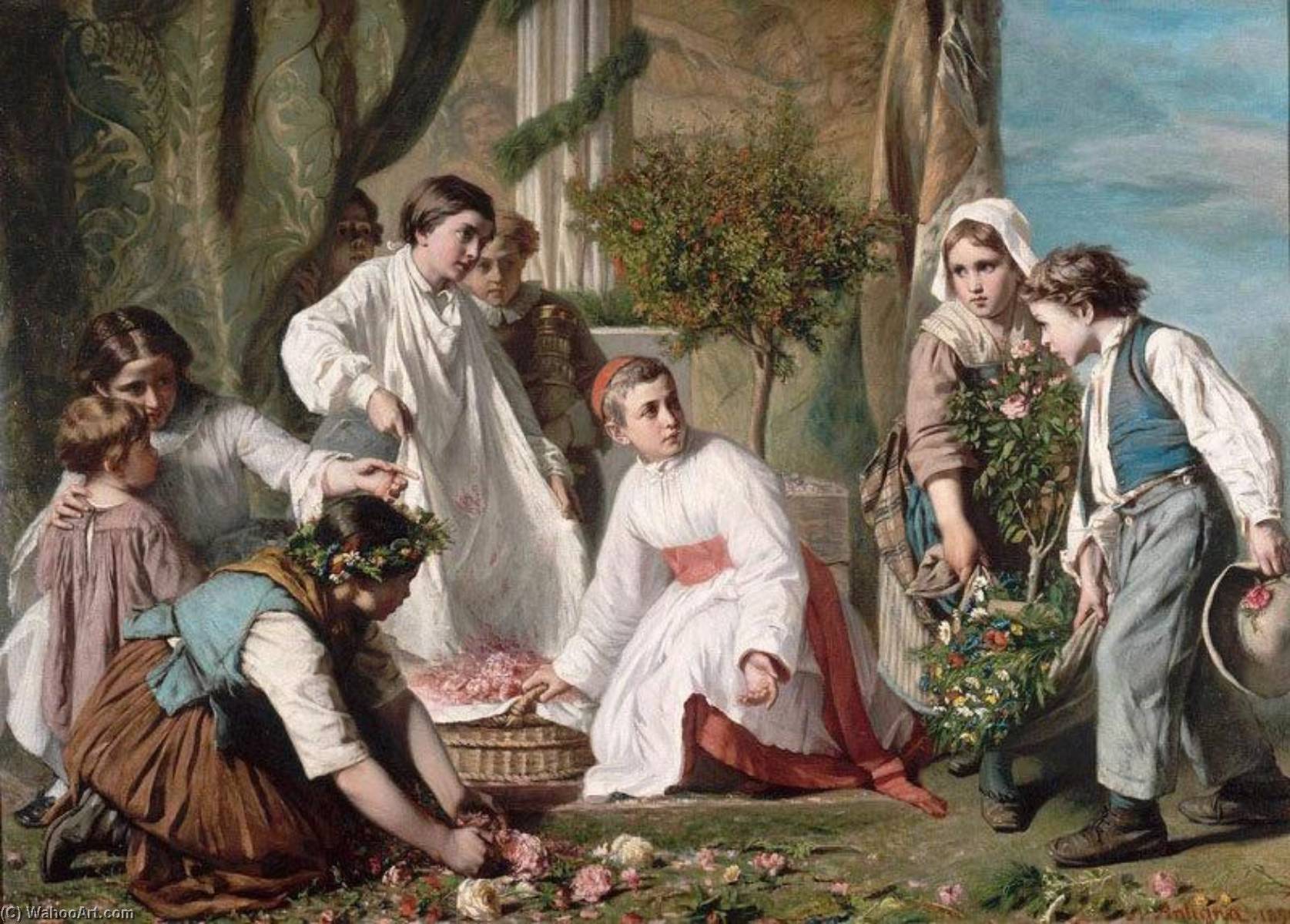
The oil on canvas titled La Fête Dieu was painted by Alexandre Antigna in 1855. This work measures 55 x 76 3/4 inches (140 x 195 cm). It captures a moment of preparation, where the weight of tradition meets the lightness of youth.
باختصار
من بين جميع الأعمال الأصلية التي تركها ألكسندر أنتينيا، تُعد La Fête Dieu هي الأكثر شهرة. تأتي بعدهما مباشرة كل من The Lightning (1848) و L'Eclair. يضم كتالوجنا 21 من أعمال ألكسندر أنتينيا؛ حيث احتفظ المعرض بـ 21 من أكثر الأعمال التي يعجب بها العالم، مع عرض كل منها مع تاريخها ومتحفها وقصتها.
The oil on canvas titled La Fête Dieu was painted by Alexandre Antigna in 1855. This work measures 55 x 76 3/4 inches (140 x 195 cm). It captures a moment of preparation, where the weight of tradition meets the lightness of youth.
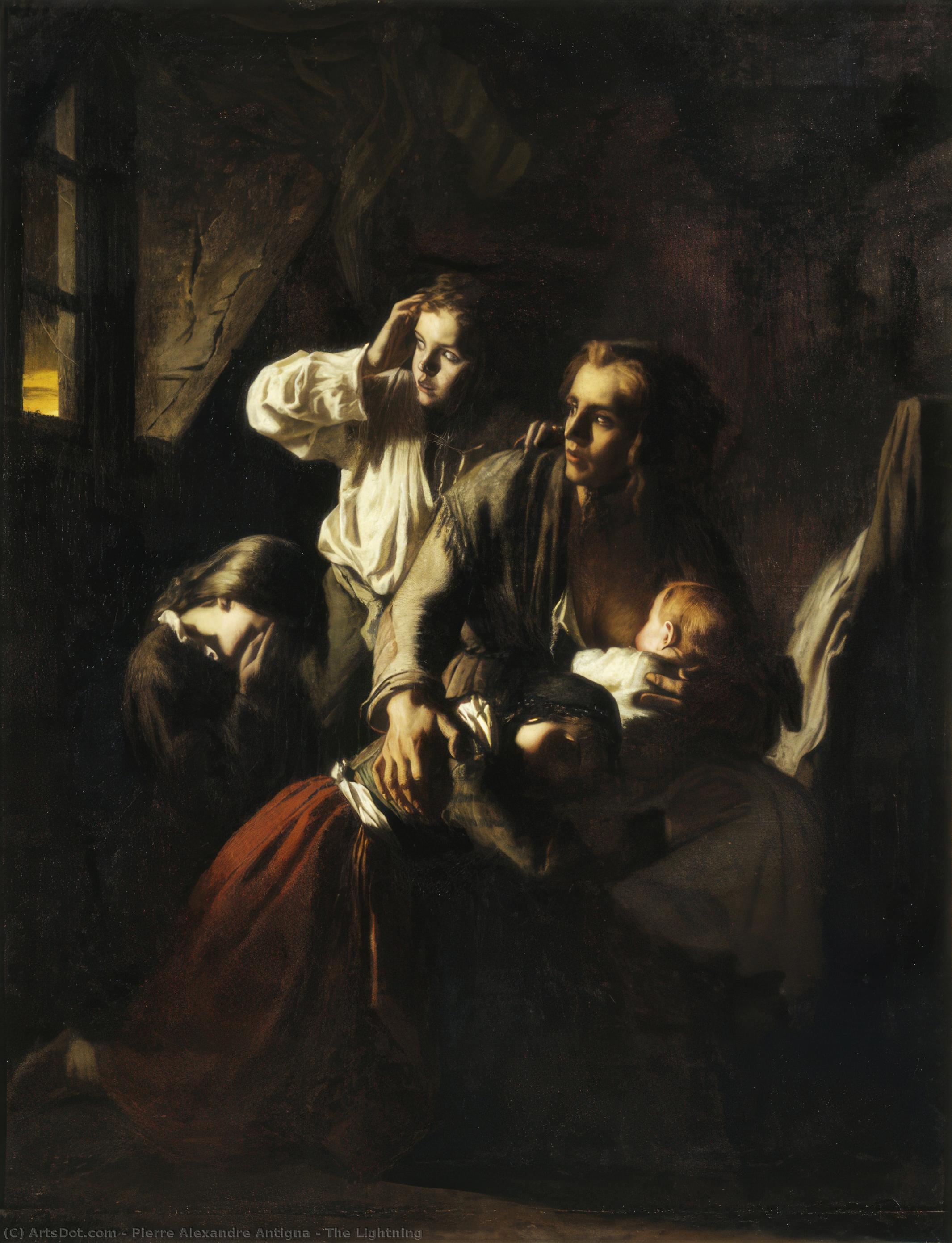
“The Lightning,” painted in 1848 by the French artist Pierre Alexandre Antigna, is more than just a depiction of a family huddled together during an electrical storm; it’s a poignant meditation on vulnerability, familial love, and the raw power of nature. Antigna, a key figure in Parisian Realism, masterfully captures a fleeting moment of intense emotion within a dimly lit interior, drawing the viewer into a scene brimming with both…
The oil on canvas titled L'Eclair was painted in 1848. This tableau captures a singular moment of tension. Alexandre Antigna, born in Orléans, France, in 1817, rendered the scene with a steady hand. The pigment settles into the weave of the fabric, holding a fragment of a storm within its fibers.
The air feels heavy with the scent of dry hay and sun-warmed earth as a group of children whirl in a rhythmic circle. They move through a wide, rural landscape, their small figures caught in a moment of pure, uninhibited joy. The composition pulls the eye into a continuous loop, following the sweep of outstretched arms and the swirling motion of colorful skirts. Reds, blues, and whites flash against the…
The sketch depicts a young girl captured in mid-stride, her body leaning slightly forward into the direction of her movement. She is positioned off-center to the right, creating a sense of momentum as she walks. Her head is tilted downward, eyes fixed upon an open book held in her outstretched hands. The figure is rendered from the mid-thigh upward, focusing the viewer's attention on the interaction between her posture and…
The light falls from the upper left, casting soft shadows across a gathering of Aragonese people. They sit upon weathered stone steps, framed by the deep green of a grapevine. A woman holds an infant, her chemise a bright white against the earthy tones of the scene. Beside them, a young boy cradles a musical instrument, his small hands poised in a moment of stillness. The air feels heavy with…
This oil painting presents a close-up portrait of a young girl, focusing tightly on her head and hands. The subject is positioned in a direct, eye-level view, her chin resting upon her hands in a pensive posture. A headscarf wraps around her face, creating organic folds that frame her features. The lighting originates from the upper left, casting shadows across her face and highlighting the specific expression in her eyes.…
A solitary woman rests in a dimly lit, rustic interior, her form surrendered to sleep. Positioned slightly to the left of center, she is balanced by the large, circular silhouette of a spinning wheel to the right. The composition is vertical, drawing the eye to the heavy, nocturnal atmosphere of the room. Deep, earthy tones of umber and sienna dominate the space, creating a sense of profound stillness. A sharp…
The oil painting titled Gypsy Girl presents a quiet, heavy moment captured on canvas. This work is the creation of Alexandre Antigna, an artist who emerged from the city of Orléans, France. Born in 1817, Antigna brings a specific, focused gaze to the subjects he encounters, often finding the weight of existence in the faces of those living on the margins of society.
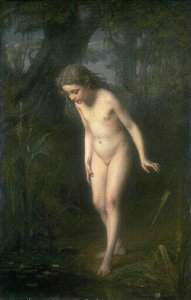
is an oil on canvas by the French painter Alexandre Antigna. The work presents a nude female figure wading into a body of water. This central subject is situated within a dense forest setting, where the natural environment forms a dark, enveloping backdrop around the form.
المواضيع الأربعة التي تتكرر باستمرار في هذه الأعمال الأصلية، مع تقديم أروع مثال لكل منها.
المتاحف الـ 6 التي تضم أكبر عدد من اللوحات الموجودة في هذه الصفحة.
| المتاحف | المدينة | أعمال ألكسندر أنتينيا | لوحات من هذه القائمة |
|---|---|---|---|
| باريس | 2 | The Lightning, L'Eclair | |
| أورليان | 2 | Aragonese of Anso, The Fire | |
| Limoux | 1 | Circle of children | |
| وورستر | 1 | Head of a Girl | |
| Saint-Brieuc | 1 | The sleeping spinner | |
| غنت | 1 | Gypsy Girl |
اختر عقداً لتشاهد العمل الأصلي الذي يجسده.
“The Lightning,” painted in 1848 by the French artist Pierre Alexandre Antigna, is more than just a depiction of a family huddled together during an electrical storm; it’s a poignant meditation on vulnerability, familial love, and the raw power of nature. Antigna, a key figure in Parisian Realism, masterfully captures a fleeting moment of intense emotion within a dimly lit interior, drawing the viewer into a scene brimming with both…
The air feels heavy with the scent of dry hay and sun-warmed earth as a group of children whirl in a rhythmic circle. They move through a wide, rural landscape, their small figures caught in a moment of pure, uninhibited joy. The composition pulls the eye into a continuous loop, following the sweep of outstretched arms and the swirling motion of colorful skirts. Reds, blues, and whites flash against the…
The light falls from the upper left, casting soft shadows across a gathering of Aragonese people. They sit upon weathered stone steps, framed by the deep green of a grapevine. A woman holds an infant, her chemise a bright white against the earthy tones of the scene. Beside them, a young boy cradles a musical instrument, his small hands poised in a moment of stillness. The air feels heavy with…
La Fête Dieu. يليه The Lightning (1848) و L'Eclair.
La Fête Dieu, The Lightning, L'Eclair, Circle of children, Girl striding out reading a book, Aragonese of Anso, Head of a Girl, The sleeping spinner, Gypsy Girl و Miroir des bois. يوضح التصنيف أعلاه سنة كل لوحة والمتحف التابعة له.
يضم كتالوجنا 21 من أعمال ألكسندر أنتينيا، التي يعود تاريخها من 1848 إلى 1872.
توجد غالبيتها في متحف أورسيه (باريس), Musée des Beaux-Arts (أورليان) و musée Petiet de Limoux (Limoux). يدرج جدول المتاحف أعلاه جميعها.
في 1850s: تم إنجاز 3 من أصل 21 من الأعمال في هذه الصفحة خلال تلك الفترة، من بينها Circle of children.
في هذه الصفحة، أقدم الأعمال يعود إلى The Lightning (1848) وأحدثها يعود إلى Aragonese of Anso (1872).
Woman (8), Children (4) و Girl (4)، عبر 21 من الأعمال في هذه الصفحة.
Oil On Canvas، لـ 15 من أصل 21 من الأعمال في هذه الصفحة.
Romanticism، بناءً على الأعمال الأصلية في هذه الصفحة.
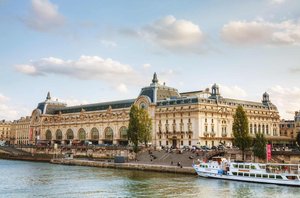
The Lightning و L'Eclair: يضم متحف أورسيه, باريس 2 من الأعمال المعروضة في هذه الصفحة.
في قلب فرنسا القرن التاسع عشر، تلك الحقبة التي اتسمت باضطرابات اجتماعية عميقة وتحولات في النماذج الفنية، برز جان بيير ألكسندر أنتينيا كرسام يتمتع بتعاطف لا يضاهى. ولد في أورليان عام 1817، حيث بدأت رحلته الفنية المبكرة من خلال المناظر الطبيعية التقليدية في شبابه، تحت إشراف الرسام المحلي فرانسوا سالمون. ومع ذلك، كانت جاذبية باريس لا تقاوم؛ فبمجرد دخوله المدرسة الوطنية العليا للفنون الجميلة عام 1837، وجد نفسه منغمساً في عالم من الصرامة الأكاديمية، حيث درس على يد أساتذة كبار مثل سيباستيان نوربلين دي لا غوردين وبول ديلاروش الشهير. وقد تميزت تلك السنوات الأولى بالتركيز على الموضوعات الدينية والبورتريهات الرسمية، التزاماً بالتقاليد الأسلوبية السائدة في ذلك العصر.
بيد أن التحول الحقيقي في روح أنتينيا لم يحدث داخل القاعات المذهبة للأكاديمية، بل في الشوارع الضيقة والمظلمة لجزيرة سانت لويس. فمن خلال عيشه وسط الأحياء الفقيرة في باريس، أصبح الفنان شاهداً على المعاناة الخام وغير المزيفة للفقراء في المدن. وكان هذا الاحتكاك العميق بالمشقة الإنسانية بمثابة المحفز الذي وجهه بعيداً عن الأيقونات الدينية المثالية نحو واقعية قاسية وصريحة. ومع حلول ثورة عام 1848 التي اجتاحت فرنسا، كان أنتينيا قد تبنى بالكامل أسلوباً يسعى لتوثيق ثقل الوجود الإنساني؛ حيث بدأت لوحاته تنبض بالأعباء الثقيلة والصمود الهادئ لأولئك المهمشين في المجتمع، مصورة بـ ضربات فرشاة غنية بالملمس وعمق عاطفي استقطب أنظار صالونات باريس.
مع تقدم مسيرته المهنية، اتسعت رؤية أنتينيا الفنية لتتجاوز الحدود الحضرية لباريس. وبدافع من فضول لا يشبع تجاه الحالة الإنسانية والعالم الطبيعي، انطلق في رحلات واسعة عبر المناظر الطبيعية الوعرة في بريتاني والتضاريس النابضة بالحياة في إسبانيا. سمحت له هذه الرحلات بدمج وعيه الاجتماعي مع المذهب الطبيعي الناشئ. وبحلول عام 1860، بدأ عمله يعكس ملاحظة دقيقة للطبيعة، حيث أصبحت الخصائص الجوية للمناظر الطبيعية موضوعاً لا يقل أهمية عن البشر الذين يسكنونها. وسواء كان يصور التوتر الدرامي لعاصفة ما أو الكرامة الهادئة لعامل ريفي، فقد ظلت تقنيته راسخة في شعور عميق بالرحمة.
وقد حظيت براعته باعتراف رسمي من الدولة الفرنسية عندما مُنح وسام جوقة الشرف في عام 1861، وهي علامة فارقة عززت مكانته بين الشخصيات البارزة في جيله. وحتى مع تطور أسلوبه نحو تصوير أكثر طبيعية، ظل جوهر عمله استكشافاً للضعف والقوة في آن واحد. وتتجلى هذه الازدواجية في أعمال بارزة مثل لوحة البرق، حيث تظهر عائلة تتحصن أثناء عاصفة رعدية كأنها تأمل مؤثر في الحب العائلي وسط قوة الطبيعة المرعبة. ومن خلال استخدامه للضوء والظل وقوام الطلاء الكثيف، لم يكتفِ أنتينيا بمجرد رسم المشاهد، بل جسد جوهر البقاء ذاته.
تكمن الأهمية التاريخية لألكسندر أنتينيا في قدرته على جسر الفجوة بين العاطفة الرومانسية والحقيقة الواقعية. فهو لم يكتفِ بمراقبة الفقر، بل أضفى عليه كرامة تتحدى الهياكل الاجتماعية في عصره. وقد تركت حياته، التي انتهت في باريس عام 1878، وراءها نتاجاً فنياً يعمل كسجل بصري حي لـ الحياة الفرنسية في القرن التاسع عشر. ويمكن رؤية تأثيره في الطريقة التي استخدم بها العناصر التالية للارتقاء بموضوعاته:
اليوم، لا يُذكر أنتينيا كمجرد رسام للمشاهد، بل كـ صوت رحيم لعصره، فنان نظر في ظلام الصراع الحضري ووجد الضوء الأبدي للروح البشرية.