Expressionism · 1940
Captive (بول كلي, 1940)
أبدع بول كلي (1879–1940) في Captive. يعود تاريخها إلى 1940. تنتمي إلى حركة Expressionism. صُنعت من Painting.
- 1940
- Painting

 معاينة الحجم الواقعي

 لوحة زيتية مرسومة يدوياً
 مشاركة
 مشاركة
 ورقة الحقائق


 تحميل الملف
 قطع مشابهة
 الأشعة السينية
 عرض شرائح
 الأسئلة والأجوبة

 الإحصائيات
Captive باختصار
- العنوان
- Captive
- الفنان
- بول كلي (1879–1940)
- تاريخ ميلاد الفنان
- ميونشنبوخزة, سويسرا
- التاريخ
- 1940
- الوسيط الفني
- Painting
- الحركة
- Expressionism
- الحقبة
- Modern
- الموضوع
- suffering, resilience, bars, blue, black, face
ماذا يصور Captive؟
A Portrait of Resilience: Paul Klee’s “Captive”
Paul Klee's "Captive," painted in 1940 during the twilight years of his life and just months before his passing, is far more than a simple depiction of a figure; it’s a profound meditation on suffering, determination, and the enduring spirit of an artist facing immense personal challenges. Created amidst the debilitating progression of scleroderma – a condition that relentlessly tightened and hardened his skin – the painting serves as a poignant testament to Klee's unwavering commitment to his craft even in the face of physical adversity. The work’s power lies not in overt drama, but in its subtle yet deeply resonant portrayal of vulnerability and resolve. The composition itself is deceptively simple. A central figure, rendered with Klee’s characteristic loose, expressive lines, presents a frowning face framed by stark bars. These confining elements immediately evoke the feeling of imprisonment, directly referencing the physical restrictions imposed by his illness. Yet, despite this clear symbol of constraint, the subject's gaze holds a surprising intensity – a flicker of defiance and an undeniable sense of purpose. The use of predominantly blue and black hues contributes to a somber mood, mirroring the artist’s emotional state, but these dark tones are skillfully balanced with hints of lighter shades, suggesting a persistent inner light refusing to be extinguished. Notably, Klee's signature style—a blend of expressionism, cubism, and surrealism—is evident in the fragmented forms and the almost childlike quality of the face, hinting at both vulnerability and an inherent artistic sensibility.The Language of Sclerosis: Symbolism and Personal Narrative
Klee’s decision to incorporate elements directly related to his illness into “Captive” is a crucial aspect of understanding the work's significance. The bars aren’t merely decorative; they represent the tangible limitations imposed by scleroderma, the relentless tightening of skin and tissues that dramatically altered Klee’s physical capabilities. The teardrop falling from the figure’s eye isn’t simply an expression of sadness but a potent symbol of the pain and frustration associated with his condition. However, it's important to note that Klee never explicitly depicted himself in his art; instead, he channeled his experiences into symbolic representations, allowing viewers to project their own interpretations onto the canvas. The painting becomes a mirror reflecting not just Klee’s personal struggle but also the universal human experience of facing hardship and finding strength within adversity.An Expressionist Masterpiece: Technique and Emotional Resonance
“Captive” exemplifies Klee's distinctive expressionistic style, prioritizing emotional impact over strict realism. His loose brushstrokes, combined with his innovative use of color—a deliberate choice to evoke mood rather than accurately represent the world—create a dynamic and layered surface. The painting’s texture is rich and tactile, inviting close examination and revealing the artist’s meticulous attention to detail despite the seemingly spontaneous application of paint. Klee's exploration of color theory was extensive, and this work demonstrates his ability to use hues not just for aesthetic effect but also to convey specific emotions and psychological states. The careful layering of blues and blacks creates a sense of depth and introspection, while subtle variations in tone suggest an underlying current of hope.Legacy and Influence: A Timeless Reflection on the Human Spirit
Paul Klee’s “Captive” stands as a powerful example of art's ability to transcend personal experience and speak to universal themes. Its influence can be seen in numerous artists across movements, from abstract expressionism to contemporary figurative painting. The work’s enduring appeal lies in its honest portrayal of vulnerability and resilience—qualities that resonate deeply with viewers regardless of their background or beliefs. The Zentrum Paul Klee in Bern, Switzerland, houses a significant collection of his works, offering visitors the opportunity to immerse themselves in the artist's world and contemplate the profound messages embedded within his art. Reproductions of “Captive,” available through platforms like OriginalUniqueArt.com, allow collectors and enthusiasts alike to bring this iconic image into their homes and experience its emotional power firsthand. It remains a poignant reminder that even amidst suffering, creativity can flourish, and the human spirit can endure.صور عالية الدقة لـ Captive

بول كلي, Captive (1940). ملك عام
أسئلة وإجابات حول Captive
في أي عام أُبدعت "Captive" للفنان بول كلي؟
ما هي التقنية المستخدمة في تنفيذ "Captive" للفنان بول كلي؟
ماذا يصور "Captive" للفنان بول كلي؟
تتمثل موضوعات "Captive" في suffering, resilience, bars, blue, black, face, determination, illness.
هل "Captive" للفنان بول كلي ضمن الملكية العامة؟
من أبدع "Captive"؟
إلى أي حركة فنية ينتمي العمل "Captive" للفنان بول كلي؟
ينتمي العمل "Captive" إلى مدرسة Expressionism، وهي المدرسة التي تمثل التقليد الفني الذي يندرج ضمنه هذا العمل.
إلى أي مرحلة من مسيرة بول كلي الفنية ينتمي العمل "Captive"؟
كم كان عمر بول كلي عند إبداع "Captive"؟
هل العمل "Captive" للفنان بول كلي ضمن الملكية العامة، ولماذا؟
تعتمد حالة حقوق الطبع والنشر لـ "Captive" - ملك عام - انتهت مدة حماية حقوق الطبع والنشر الخاصة به - على تاريخ وفاة الفنان في 1940.
عن الفنان، بول كلي

1879–1940, سويسرا
بول كلي
نشأة بول كليه المبكرة وُلد بول كليه في الثامن عشر من ديسمبر عام 1879 في مدينة مونشنبوخزي السويسرية، بالقرب من برن، ونشأ في كنف منزلٍ صاغته انضباطات الموسيقى وألحانها. كان بول الابن الثاني لكل من هانز فيلهلم كليه، معلم الموسيقى الألماني، وإيدا ماري كليه، المغنية السويسرية. ومن المرجح أن أصداء مهنة والديه قد شكلت ملامح طفولته، مانحةً إياه أساساً إيقاعياً رافق مسيرته في سنواته اللاحقة. ومع بلوغه الحادية عشرة من عمره، كان كليه قد أظهر موهبة فذة في عزف الكمان، مما أهله لنيل دعوة للعزف مع جمعية برن الموسيقية.
وأيضاً لـ بول كلي
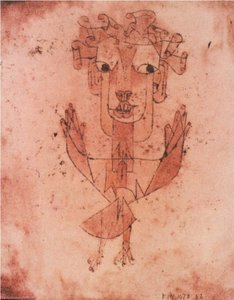 ملاك جديد1920
 آلة التغريد 1
 إلى بارناسوس1932
 أسطورة النيل1937

مقالات حول Captive
 Spontaneity and Matter: Distinguishing CoBrA from Art InformelMaster the differences between CoBrA and Art Informel with our expert guide. Learn to identify these post-war movements today.
 Swiss artworks of the 1920s1920s Swiss masterpieces by Paul Klee, Giovanni Giacometti, and Hans Emmenegger. View these iconic works on OriginalUniqueArt.com.
 Mastering Abstraction: The 25 Most Iconic Artworks by Paul KleeJourney through the vibrant world of Paul Klee. Explore 25 iconic masterpieces of abstraction and color, from Bauhaus classics to surrealis…