Cubism
Father (مارسيل دوشامب)
أبدع مارسيل دوشامب (1887–1968) في Father. تنتمي إلى حركة Cubism. صُنعت من Acrylic On Canvas.
- Acrylic On Canvas

 معاينة الحجم الواقعي

 لوحة زيتية مرسومة يدوياً
 مشاركة
 مشاركة
 بطاقة المعلومات


 تحميل الملف
 قطع مشابهة
 الأشعة السينية
 عرض شرائح
 الأسئلة والأجوبة

 الإحصائيات
Father باختصار
- العنوان
- Father
- الفنان
- مارسيل دوشامب (1887–1968)
- تاريخ ميلاد الفنان
- بلينفيل-سور-مير, فرنسا
- الوسيط الفني
- Acrylic On Canvas
- الحركة
- Cubism
- الموضوع
- portrait, cubism, fragmentation, introspection, earth tones, older man
ماذا يصور Father؟
Marcel Duchamp’s ‘Father’: A Cubist Portrait of Introspection
Marcel Duchamp's “Father,” painted in 1910, stands as a poignant testament to the artist’s exploration of familial bonds and psychological depth within the framework of Expressionism. More than just a likeness of his father, Eugène Duchamp, the painting delves into themes of vulnerability, contemplation, and the quiet dignity of aging—elements that resonate powerfully with viewers today.
- Style & Technique: The artwork embodies the stylistic hallmarks of Expressionism, characterized by bold brushstrokes and dramatic lighting. Thick impasto creates a palpable textural surface, conveying emotion through physicality rather than meticulous realism. Duchamp’s masterful manipulation of pigment captures the nuances of light and shadow, emphasizing the figure's solemn expression.
- Composition: The painting utilizes a simplified geometric composition—primarily dominated by the central figure seated in a chair—to heighten its impact. Overlapping planes contribute to a sense of depth, subtly disrupting traditional perspective conventions. This deliberate distortion serves not merely as aesthetic choice but as a symbolic representation of fractured perception.
- Color Palette: Employing earthy tones—primarily browns and ochres—the color palette evokes a mood of melancholy and introspection. The subdued hues underscore the painting’s contemplative atmosphere, mirroring the quiet contemplation conveyed by the subject’s gaze.
- Symbolism: “Father” transcends a simple portrait; it embodies Duchamp's preoccupation with familial relationships and the passage of time. The posture of Eugène Duchamp—seated calmly yet thoughtfully—suggests resilience amidst vulnerability, encapsulating the artist’s desire to portray dignity and inner strength.
Exploring Cubism: A Revolutionary Approach
“Father” is firmly rooted in the burgeoning movement of Cubism, spearheaded by Picasso and Braque. Duchamp's engagement with Cubist principles—particularly the fragmentation of form and simultaneous viewpoints—represents a radical departure from academic painting traditions. This stylistic influence underscores his commitment to questioning established artistic conventions and prioritizing conceptual exploration over visual representation.
- Geometric Abstraction: The artwork’s geometric abstraction—evident in the simplified shapes defining the chair and the man's facial features—reflects Cubist’s rejection of illusionistic depth. Instead, Duchamp prioritizes structural clarity and intellectual engagement, inviting viewers to consider the painting on a deeper level.
- Multiple Perspectives: The depiction of Eugène Duchamp from various angles simultaneously challenges conventional notions of perspective. This technique mirrors Cubism's ambition to capture reality as it is perceived by multiple observers—a concept that fundamentally altered artistic discourse.
The Significance of Impasto and Texture
Duchamp’s deliberate use of impasto—thickly applied paint—is crucial to conveying the painting’s emotional resonance. The textured surface captures the physicality of the brushstrokes, mirroring Eugène Duchamp's own presence within the artwork. This tactile element enhances the viewer’s experience, inviting contemplation and fostering a connection with the artist’s expressive intent.
- Material Choice: Oil paints on canvas—a standard medium for Expressionist painters—were selected to maximize textural impact and luminosity. Duchamp skillfully utilizes brushwork to sculpt form and imbue the painting with palpable energy.
- Emotional Impact: The resulting surface contributes significantly to “Father’s” emotional depth, mirroring Eugène Duchamp's inner life and conveying a sense of quiet dignity—a testament to Duchamp’s artistic vision.
A Legacy Beyond Representation
"Father" exemplifies Duchamp’s broader philosophical stance: rejecting the pursuit of visual beauty in favor of intellectual inquiry. By prioritizing conceptual exploration over realistic depiction, he ushered in a new era of art history—one characterized by questioning assumptions and redefining artistic value. This enduring legacy continues to inspire artists and collectors alike who appreciate the profound emotional impact of art that transcends mere surface appearance."
صور عالية الدقة لـ Father
محمية بموجب حقوق الطبع والنشر: هذه الملفات مخصصة للاستخدام الشخصي فقط، ولا تُعد ترخيصاً لإعادة النشر.
مارسيل دوشامب, Father.
أسئلة وإجابات حول Father
ما هي التقنية المستخدمة في صنع "Father"؟
تعتمد التقنية المستخدمة في "Father" للفنان مارسيل دوشامب على Acrylic On Canvas، وتهدف النسخ المطبوعة إلى محاكاة مظهر هذه التقنية.
ماذا يصور "Father" للفنان مارسيل دوشامب؟
تُصور "Father" للفنان مارسيل دوشامب: portrait, cubism, fragmentation, introspection, earth tones, older man, abstract form, depth.
هل يمكن إعادة إنتاج صورة "Father" للفنان مارسيل دوشامب بحرية؟
حالة حقوق الطبع والنشر لـ "Father" للفنان مارسيل دوشامب: العمل يقع ضمن لا تزال محمية بموجب حقوق الطبع والنشر، وهو ما يحدد مدى إمكانية إعادة إنتاج الصورة بحرية.
من أبدع "Father"؟
الفنان الذي أبدع عمل "Father" هو مارسيل دوشامب، والعمل مُدرج تحت اسم مارسيل دوشامب.
إلى أي أسلوب ينتمي "Father"؟
تنتمي "Father" للفنان مارسيل دوشامب إلى حركة Cubism، التي تمنح العمل سياقه الأسلوبي.
إلى أي مرحلة من مسيرة مارسيل دوشامب الفنية تنتمي لوحة "Father"؟
ينتمي العمل "Father" إلى الفترة Mature Period من مسيرة مارسيل دوشامب المهنية، مما يربط هذا العمل بمراحل تطور الفنان الفني.
هل العمل "Father" للفنان مارسيل دوشامب ضمن الملكية العامة، ولماذا؟
تُعد لوحة "Father" للفنان مارسيل دوشامب من الأعمال التي تندرج ضمن لا تزال محمية بموجب حقوق الطبع والنشر؛ حيث تُحتسب مدة حقوق الطبع والنشر بدءاً من تاريخ وفاة الفنان، وقد توفي مارسيل دوشامب في عام 1968.
كيف ينسجم عمل "Father" مع موضوعات مارسيل دوشامب وأسلوبه الفني؟
ينتمي العمل "Father" إلى نتاج مارسيل دوشامب ضمن مدرسة Cubism، التي تتناول موضوعاتها المسجلة father portrait series, exploration of identity, shift towards abstraction, expressionism, cubism, early 20th century art, introspection, melancholy.
كيف يرتبط موضوع "Father" بالمواضيع المعتادة لدى مارسيل دوشامب؟
يصور "Father" موضوعات portrait, cubism, fragmentation, introspection, earth tones, older man, abstract form, depth، بينما تتمثل الثيمات المتكررة لدى مارسيل دوشامب في father portrait series, exploration of identity, shift towards abstraction, expressionism, cubism, early 20th century art, introspection, melancholy. وتُظهر المقارنة بينهما مدى ارتباط هذا العمل بالموضوعات المعتادة للفنان.
عن الفنان، مارسيل دوشامب
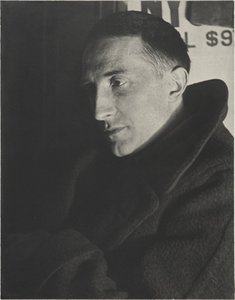
1887–1968, فرنسا
مارسيل دوشامب
حياة وفن مارسيل دوشامب وُلد مارسيل دوشامب في الثامن والعشرين من يوليو عام 1887 في بلينفيل، نورماندي، فرنسا، ليدخل إلى عالمٍ كان دافع الإبداع فيه يجري في عروقه كجزء من تكوينه. كان الرابع من بين سبعة أبناء لأوجين ولوسي دوشامب، في منزلٍ ضمّ بين جدرانه المبدعين والمفكرين؛ حيث تشاركه إخوته هذا القلق الإبداعي المستمر، فمن بينهم جاك فيلون وريموند دوشامب فيلون، بالإضافة إلى شقيقته سوزان دوشامب كروتي، الذين سلكوا جميعاً دروب الفن. ورغم أنه سيصبح لاحقاً شخصية فرنسية أمريكية بالغة التعقيد، إلا أن جذوره ظلت ضاربة في هدوء ريف نورماندي. لم تكن حياته يوماً مجرد سعيٍ أحادي خلف الفرشاة أو الإزميل، بل كان رجلاً متعدد الأقنعة والاهتمامات، يتنقل في هذا العالم كفنان، ومخترع، ولاعب شطرنج شغوف.
أعمال أخرى لـ مارسيل دوشامب
 العارية تنازل الدرج، رقم 21912
 الشباب الحزين في القطار1911
 معطيات: 1. الشلال، 2. الغاز المضيء1966
 النافورة1917
مقالات حول Father
 Deconstructing Reality: Cubism's Revolutionary Impact on 20th-Century ArtExplore the revolutionary world of Cubism with OriginalUniqueArt. Discover Picasso & Braque's groundbreaking techniques, its philosophical …
 The Sculptural Surface: Analyzing the Impact of Impasto and Texture in Oil PaintingMaster the science of impasto and oil texture through expert analysis. Explore the depth of fine art mastery now.
 Marcel Duchamp: The Top 25 Most Influential Artworks of a Modern IconExplore 25 iconic Marcel Duchamp masterpieces and Dadaist gems. Discover the full collection online at OriginalUniqueArt.com.