Expressionism · 1915
Marching (مارك شاغال, 1915)
أبدع مارك شاغال (1887–1985) في Marching. يعود تاريخها إلى 1915. تنتمي إلى حركة Expressionism. صُنعت من Acrylic On Canvas.
- 1915
- Acrylic On Canvas

 معاينة الحجم الواقعي

 لوحة زيتية مرسومة يدوياً
 مشاركة
 مشاركة
 دليل


 تحميل الملف
 قطع مشابهة
 الأشعة السينية
 عرض شرائح
 الأسئلة والأجوبة

 الإحصائيات
Marching: أهم المعلومات
- العنوان
- Marching
- الفنان
- مارك شاغال (1887–1985)
- تاريخ ميلاد الفنان
- ليوفانا, بيلاروس
- التاريخ
- 1915
- الوسيط الفني
- Acrylic On Canvas
- الحركة
- Expressionism
- الموضوع
- uniform, roof, sky, clock, figures, folklore
ماذا يصور Marching؟
A Symphony of Color and Memory: Exploring Marc Chagall's "I Am Alone"
Marc Chagall’s “I Am Alone,” painted in 1915, isn’t merely a depiction of solitude; it’s an embodiment of existential angst rendered in the breathtaking language of Expressionism. Created during the turbulent years preceding World War I—a period marked by anxieties about national identity and impending conflict—the painting transcends its immediate historical context to speak to universal themes of isolation and longing. It's housed in the Musée d'Orsay, Paris, a testament to Chagall’s enduring influence on modern art.- Subject Matter: The canvas portrays a man standing alone on a rooftop amidst a swirling panorama of fantastical figures—a woman with outstretched arms, a child perched precariously on the edge of the roof, and several other stylized individuals drifting upwards into the heavens.
- Style: Chagall’s style is unmistakably Expressionist. Rejecting representational accuracy in favor of emotional intensity, he employs bold colors—primarily yellows, blues, and reds—to convey mood and feeling rather than to faithfully reproduce reality. The figures themselves are distorted and stylized, imbued with a dreamlike quality that defies logical interpretation.
Technique: Bold Brushstrokes and Layered Color
Chagall’s technique is characterized by thick, impasto brushstrokes—meaning the paint is applied in layers so thickly that it stands up prominently from the surface of the canvas. This textural approach contributes significantly to the painting's dramatic impact, creating a palpable sense of movement and conveying the artist’s emotional state directly onto the artwork. The colors are blended strategically to create luminous washes and vibrant accents, enhancing the overall visual richness.- Color Palette: The dominant hues—golden yellows symbolizing warmth and optimism juxtaposed with deep blues representing melancholy and uncertainty—are deliberately chosen to evoke specific emotions. Chagall’s masterful use of color underscores the painting's psychological depth.
- Composition: The rooftop setting serves as a focal point, anchoring the swirling figures and emphasizing the man’s isolation. The upward trajectory of the figures symbolizes aspiration but also hints at vulnerability—a yearning for connection amidst overwhelming circumstances.
Symbolism: Folklore and Existential Concerns
“I Am Alone” is replete with symbolic references drawn from Jewish folklore and Kabbalah—the mystical tradition of Judaism. The woman with outstretched arms represents compassion and maternal care, while the child symbolizes innocence and vulnerability. The swirling figures embody the chaotic forces of fate and the anxieties surrounding impending war. More broadly, the painting explores profound existential questions about human existence—questions concerning identity, purpose, and the inevitability of suffering.Ultimately, Chagall’s “I Am Alone” transcends its historical origins to resonate with viewers across generations. It's a hauntingly beautiful meditation on solitude, loss, and the enduring quest for meaning—a masterpiece that continues to inspire awe and provoke contemplation decades after its creation.
Marching بدقة عالية

محمية بموجب حقوق الطبع والنشر: تُعرض الصورة لغرض المرجعية فقط.
المزيد من المقاسات، والقصاصات، والاقتباسات →مارك شاغال, Marching (1915).
أسئلة حول Marching
هل تتميز لوحة "Marching" بتباين قوي بين الضوء والظلال؟
تتميز لوحة "Marching" للفنان مارك شاغال بتباين Statement بين مناطق الضوء والظلال فيها.
هل تُعدّ "Marching" للفنان مارك شاغال لوحةً فاتحة الألوان أم داكنة؟
تتميز لوحة "Marching" بدرجة سطوع إجمالية تبلغ bright، كما يبلغ مستوى الإضاءة فيها Bright Balance.
ماذا يصور "Marching" للفنان مارك شاغال، وما هو الطابع الذي ينقله؟
تُصور "Marching" للفنان مارك شاغال موضوعات uniform, roof, sky, clock, figures, folklore, dreams، في أجواء Romantic. ويصف الموضوع والأجواء معاً هذا العمل الفني.
كم عدد الأشخاص الذين يشاهدون "Marching"؟
تتوفر الإحصائيات الخاصة بـ "Marching" للفنان مارك شاغال في صفحة إحصائيات الزيارات للعمل الفني، وهي تشمل: عدد الزيارات الشهرية للعمل، وزيارات أعمال الفنان، وتوزيع الزوار الأخيرين حسب الدولة واللغة.
أيُّ مساحةٍ تتناغمُ مع ألوان "Marching" للفنان مارك شاغال؟
تتناغم ألوان Earthy في لوحة "Marching" للفنان مارك شاغال مع المساحة الموصى بها لها: وهي Living Room.
من أي بلد ينتمي عمل Expressionism بعنوان "Marching"؟
أُنجز العمل الذي ينتمي إلى مدرسة Expressionism بعنوان "Marching" على يد فنان وُلد في بيلاروس.
ما هي النبرة العاطفية التي تعكسها مدرسة Expressionism في عمل "Marching"؟
تتجلى العاطفة Melancholic في لوحة "Marching" من خلال أسلوبها الـ Expressionism.
ما سبب الوضع الحالي لحقوق الطبع والنشر لـ "Marching"؟
يُعد عمل "Marching" للفنان مارك شاغال من الأعمال التي تندرج ضمن لا تزال محمية بموجب حقوق الطبع والنشر؛ حيث تُحتسب مدة حماية حقوق الطبع والنشر بدءاً من تاريخ وفاة الفنان في عام 1985.
ما هي الزاوية الأنسب في المنزل لوضع نسخة من "Marching"؟
يُنصح بوضع "Marching" للفنان مارك شاغال في Living Room؛ حيث يستند هذا الاقتراح إلى موضوع العمل وألوانه وأجوائه العامة.
عن الفنان، مارك شاغال
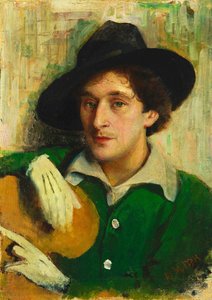
1887–1985, بيلاروس
مارك شاغال
الحياة المبكرة، العائلة والتدريب يطل مارك شاغال على العالم في السابع من يوليو عام 1887، في مدينة فيتيبسك بالإمبراطورية الروسية، حيث وُلد باسم موشيه سيغال. كان الابن الأول بين تسعة أطفال في عائلة يهودية متواضعة، حيث تشكلت ملامح حياته وفق إيقاعات العمل والتجارة الصغيرة. كان والده، خاتسكل سيغال، يعمل في تمليح السمك في أحد المستودعات، بينما كانت والدته، فييغا إيتا تشرنينا، تدير متجراً صغيراً للبقالة. لقد تجذرت سنواته الأولى في تفاصيل الحياة اليومية لبلدة إقليمية، حيث رسمت احتياجات الأسرة الكبيرة وتقاليد مجتمعه حدود عالمه الأول.
وأيضاً لـ مارك شاغال
 أنا والقرية1911
 الصلب الأبيض1938
 مارك شاغال
لم يكن مارك شاغال، المولود مويشي شاجال عام 1887 في بلدة لوزنا الصغيرة بالقرب من فيتيبسك (اليوم بيلاروسيا)، مجرد رسام؛ لقد كان شاعرًا بالألوان وناسج أحلام ومؤرخ للذاكرة. امتدت حياته، التي استمرت ما يقرب من قرن من الزمان، لتشبه التيارات المضطربة1915
 فوق المدينة1918
مقالات حول Marching
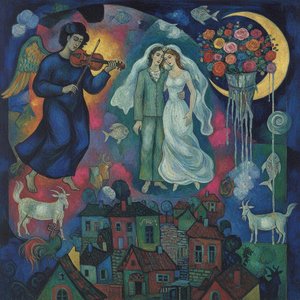 Marc Chagall’s Masterpieces: Exploring the Magic, Color, and Surrealist Legacy of a Modernist IconEmbark on a journey through the dreamlike masterpieces of Marc Chagall. Explore the profound symbolism and vibrant colors of this Surrealis…
 The Language of Brushstrokes: How Artistic Technique Expresses Emotion and EraExplore the profound connection between artistic technique and emotion. From the heavy impasto of Van Gogh to classical mastery, learn how …
 Dreaming in Color: The 25 Most Iconic Masterpieces by Marc ChagallStep into the dreamlike world of Marc Chagall. Explore 25 iconic masterpieces, from vibrant surrealist tales to soulful folklore. Find insp…