شراء لوحة مرسومة يدويًا
 عرض المزيد







































 بالنسبة للأعمال الفنية أو النسخ المطبوعة التي يتجاوز طول أي من أضلاعها 105 سم (حوالي 41 بوصة)، سيتم شحن الإطار كمجموعة مفككة؛ حيث تضمن هذه الطريقة سلامة التوصيل وتمنع حدوث أي أضرار أثناء النقل.


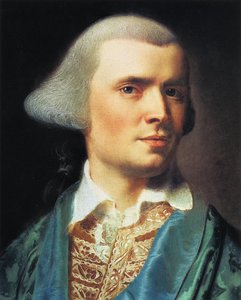
George IV by John Singleton Copley: A Royal Portrait in Neoclassicism
John Singleton Copley's "George IV," painted in 1809, stands as a monumental example of Neoclassical portraiture. This oil on canvas artwork, measuring an impressive 372 x 318 cm, captures the essence of King George IV during a period of significant political and social change in Britain. The painting is not merely a likeness; it's a carefully constructed representation of royal power, military authority, and aristocratic grandeur.
The Artist and His Style
John Singleton Copley (1738-1815) was a pivotal figure in Anglo-American art. Born in Boston, he developed his skills largely through self-study and observation. His style is characterized by meticulous attention to detail, realism, and a strong sense of composition. Copley's ability to capture the likeness and character of his subjects, combined with his mastery of light and shadow, resulted in portraits that were both technically impressive and psychologically insightful. In "George IV," these qualities are evident in the king’s commanding presence and the intricate rendering of his military uniform.
Composition and Technique
The painting's composition is vertically oriented, emphasizing the King's stature and authority. George IV is depicted on horseback, rearing slightly to convey a sense of dynamism and power. He is clad in a striking military uniform, rich with detail and color, signifying his role as commander-in-chief. Below him, a group of soldiers are portrayed, creating a visual hierarchy that reinforces the king's position at the apex of society. The background features a dramatic sky filled with billowing clouds and trees, adding depth and atmosphere to the scene. Copley’s use of oil paints allows for a remarkable level of detail and texture; visible brushstrokes contribute to a somewhat rough surface quality, enhancing the painting's realism.
Historical Context and Symbolism
Created in 1809, "George IV" reflects the political climate of the Regency era. George IV was Prince Regent at the time, ruling as his father, King George III, suffered from periods of mental illness. The painting served to project an image of strength and stability during a period of considerable social and political upheaval. Symbolically, the king's military attire represents Britain’s power and its role on the world stage. The rearing horse is a classical motif signifying energy and control. The inclusion of soldiers underscores George IV’s authority as commander of the armed forces.
Emotional Impact and Legacy
"George IV" evokes a sense of awe and respect for the monarchy. Copley's skillful rendering of the king's features conveys both confidence and a certain aloofness, reflecting his complex personality. The painting’s grandeur and scale command attention, making it a powerful statement of royal authority. Today, "George IV" remains an important historical document and a testament to Copley's artistic skill, offering viewers a glimpse into the world of 19th-century British royalty.
الأسئلة والأجوبة
هل لوحة George IV مرسومة يدوياً أم مطبوعة؟
مرسومة يدوياً: يقوم رسام محترف بمحاكاة George IV بالألوان الزيتية على قماش الكتان.
ما الحجم الذي يجب أن أختاره لـ George IV؟
أبعاد العمل الأصلي هي 372 x 318 cm. تتراوح المقاسات من 34.2 x 29.3 cm (E£14008) إلى 248.1 x 212.3 cm (E£110100)؛ ويوضح الجدول الموجود في هذه الصفحة الخطوات الأساسية وأسعارها.
كم تستغرق عملية التوصيل؟
تستغرق عملية التوصيل من 4 إلى 5 أسابيع، مع خدمة الشحن السريع المجاني لجميع أنحاء العالم؛ كما يتوفر خيار الإنتاج المستعجل في هذه الصفحة. يمكنك إرجاع العمل الفني خلال 100 يوم واسترداد كامل المبلغ دون أي شروط.
أين توجد النسخة الأصلية من George IV؟
النسخة الأصلية ضمن مجموعة متحف الفنون الجميلة في بوسطن.
ما هي الوسائط التي استخدمها جون سينغلتون كوبلي في عمله George IV؟
Oil On Canvas
 معاينة الحجم الواقعي

 مشاركة
 مشاركة
 التفاصيل
 دليل


 تحميل الملف
 قطع مشابهة
 الأشعة السينية
 عرض شرائح
 الأسئلة والأجوبة

 الإحصائيات