Neoclassicism · 1809
George IV (جون سينغلتون كوبلي, 1809)
أبدع جون سينغلتون كوبلي (1738–1815) في George IV. يعود تاريخها إلى 1809. تنتمي إلى حركة Neoclassicism. صُنعت من Oil On Canvas. تُحفظ في متحف الفنون الجميلة في بوسطن, الولايات المتحدة الأمريكية. أبعادها 372 × 318 cm
- 1809
- Oil On Canvas
- 372 × 318 cm
- متحف الفنون الجميلة, بوسطن

 معاينة الحجم الواقعي

 لوحة زيتية مرسومة يدوياً
 مشاركة
 مشاركة
 ورقة الحقائق


 تحميل الملف
 قطع مشابهة
 الأشعة السينية
 عرض شرائح
 الأسئلة والأجوبة

 الإحصائيات
George IV باختصار
- العنوان
- George IV
- الفنان
- جون سينغلتون كوبلي (1738–1815)
- تاريخ ميلاد الفنان
- بوسطن, الولايات المتحدة
- التاريخ
- 1809
- الوسيط الفني
- Oil On Canvas
- الأبعاد
- 372 × 318 cm
- أين يمكن مشاهدتها
- متحف الفنون الجميلة, بوسطن, الولايات المتحدة الأمريكية
- الحركة
- Neoclassicism
- الحقبة
- Early Modern
- الموضوع
- portrait, royalty, military, george iv, equestrian, grandeur
ماذا يصور George IV؟
George IV by John Singleton Copley: A Royal Portrait in Neoclassicism
John Singleton Copley's "George IV," painted in 1809, stands as a monumental example of Neoclassical portraiture. This oil on canvas artwork, measuring an impressive 372 x 318 cm, captures the essence of King George IV during a period of significant political and social change in Britain. The painting is not merely a likeness; it's a carefully constructed representation of royal power, military authority, and aristocratic grandeur.
The Artist and His Style
John Singleton Copley (1738-1815) was a pivotal figure in Anglo-American art. Born in Boston, he developed his skills largely through self-study and observation. His style is characterized by meticulous attention to detail, realism, and a strong sense of composition. Copley's ability to capture the likeness and character of his subjects, combined with his mastery of light and shadow, resulted in portraits that were both technically impressive and psychologically insightful. In "George IV," these qualities are evident in the king’s commanding presence and the intricate rendering of his military uniform.
Composition and Technique
The painting's composition is vertically oriented, emphasizing the King's stature and authority. George IV is depicted on horseback, rearing slightly to convey a sense of dynamism and power. He is clad in a striking military uniform, rich with detail and color, signifying his role as commander-in-chief. Below him, a group of soldiers are portrayed, creating a visual hierarchy that reinforces the king's position at the apex of society. The background features a dramatic sky filled with billowing clouds and trees, adding depth and atmosphere to the scene. Copley’s use of oil paints allows for a remarkable level of detail and texture; visible brushstrokes contribute to a somewhat rough surface quality, enhancing the painting's realism.
Historical Context and Symbolism
Created in 1809, "George IV" reflects the political climate of the Regency era. George IV was Prince Regent at the time, ruling as his father, King George III, suffered from periods of mental illness. The painting served to project an image of strength and stability during a period of considerable social and political upheaval. Symbolically, the king's military attire represents Britain’s power and its role on the world stage. The rearing horse is a classical motif signifying energy and control. The inclusion of soldiers underscores George IV’s authority as commander of the armed forces.
Emotional Impact and Legacy
"George IV" evokes a sense of awe and respect for the monarchy. Copley's skillful rendering of the king's features conveys both confidence and a certain aloofness, reflecting his complex personality. The painting’s grandeur and scale command attention, making it a powerful statement of royal authority. Today, "George IV" remains an important historical document and a testament to Copley's artistic skill, offering viewers a glimpse into the world of 19th-century British royalty.
أي متحف يضم George IV؟
متحف الفنون الجميلة
بوسطن, الولايات المتحدة الأمريكية
إرث متحف الفنون الجميلة بدأت مسيرة متحف الفنون الجميلة، القابع في قلب مدينة بوسطن بالولايات المتحدة الأمريكية، فصول حكايته في عام 1870 بين جدران "أثينيوم بوسطن". ومنذ تلك البداية، ترسخت مكانة هذا الصرح ليتحول إلى مؤسسة ثقافية عريقة، باتت تُعرف اليوم بأنها 20th-largest art museum in the world من حيث مساحة المعارض العامة. وتتيح ضخامة هذا الصرح فرصة لخوض تجربة عميقة مع التاريخ، مما يجعله محط أنظار الزوار من كل حدب وصوب؛ حيث يُصنف، وفقاً لإحصائيات عام 2024، كواحد من أكثر المتاحف الفنية زيارة في العالم في المرتبة 83.


صور عالية الدقة لـ George IV
جون سينغلتون كوبلي, George IV (1809), متحف الفنون الجميلة. ملك عام
ألوان مطابقة للأصل بواسطة خبير رقمي، وملف تمت معالجته بدقة ليكون وفياً لضربات فرشاة الفنان.
امتلك الملف عالي الدقةأسئلة وإجابات حول George IV
في أي متحف يُعرض العمل الأصلي "George IV"؟
يمكنكم مشاهدة العمل الأصلي "George IV" في متحف الفنون الجميلة, بوسطن, الولايات المتحدة الأمريكية.
في أي عام أُبدعت "George IV" للفنان جون سينغلتون كوبلي؟
أُبدع العمل الفني "George IV" للفنان جون سينغلتون كوبلي في عام 1809.
ما هي التقنية المستخدمة في تنفيذ "George IV" للفنان جون سينغلتون كوبلي؟
نُفذت لوحة "George IV" باستخدام Oil On Canvas.
ما هي أبعاد "George IV" للفنان جون سينغلتون كوبلي في الواقع؟
أبعاد العمل الفني المسجلة لـ "George IV" للفنان جون سينغلتون كوبلي هي 372 x 318 cm. يمكن طلب نسخ مطابقة بأحجام أخرى مع الحفاظ على نفس النسب.
ما هي الموضوعات التي يتناولها "George IV" للفنان جون سينغلتون كوبلي؟
تُصور "George IV" للفنان جون سينغلتون كوبلي: portrait, royalty, military, george iv, equestrian, grandeur, neoclassicism.
هل العمل "George IV" ضمن الملكية العامة؟
تندرج لوحة "George IV" للفنان جون سينغلتون كوبلي ضمن نطاق ملك عام - انتهت مدة حماية حقوق الطبع والنشر الخاصة به، وتحدد هذه الحالة الشروط التي يمكن بموجبها إعادة إنتاج صورة العمل الفني.
من أبدع "George IV"؟
يُنسب العمل "George IV" إلى جون سينغلتون كوبلي.
إلى أي حركة فنية ينتمي العمل "George IV" للفنان جون سينغلتون كوبلي؟
تنتمي "George IV" للفنان جون سينغلتون كوبلي إلى حركة Neoclassicism، التي تمنح العمل سياقه الأسلوبي.
إلى أي مرحلة من مراحل تطور جون سينغلتون كوبلي ينتمي العمل "George IV"؟
تُمثل "George IV" الحقبة الإبداعية لـ جون سينغلتون كوبلي خلال فترة Mature Period.
عن الفنان، جون سينغلتون كوبلي
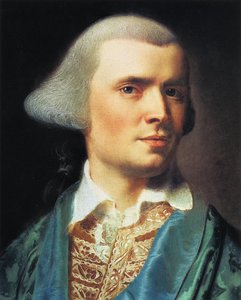
1738–1815, الولايات المتحدة
جون سينغلتون كوبلي
الحياة المبكرة، العائلة والتدريب بزغ نجم جون سنغلتون كوبلي من قلب الصخب التجاري لمدينة بوسطن الاستعمارية، حيث وُلد عام 1738. كانت جذور نشأته ضاربة في أعماق التجارة البحرية في "لونج وِرف"، حيث كانت والدته، ماري سينغلتون كوبلي، تدير متجراً هناك، بينما كان والده، ريتشارد كوبلي، يعمل تاجراً للتبغ. لم تكن هذه البيئة مجرد خلفية اجتماعية فحسب، بل كانت نافذة مباشرة أطلّ منها على الملامح المادية والتدرجات الطبقية التي ستشكل لاحقاً لغته البصرية الفريدة. لم يولد كوبلي في كنف سلالة فنية، إلا أن قربه من طبقة التجار جعل منه خبيراً يدرك القيمة الجمالية والمادية للأشياء التي سيقوم برسمها لاحقاً.
وأيضاً لـ جون سينغلتون كوبلي
 جون سنغستون كوبلي
رائد يربط بين العوالم: حياة وفن جون سنغستون كوبلي
جون سنغستون كوبلي، المولود في بوسطن عام 1738، يحتل مكانة فريدة ومحورية في تاريخ الفن الأمريكي. لم يكن مجرد رسام؛ لقد كان جسرًا ثقافيًا، حيث ربط جمالية أنجلو أمريكية متميزة خلال فترة اضطر1778
 Brook Watson and the Shark1778
 Paul Revere1768
 The Colapse of the Earl of Chatham in the House of Lords (also known as The Death of the Earl of Chatham)1779
مقالات حول George IV
 American neoclassical paintersAmerican Neoclassical painters like Gilbert Stuart, John Singleton Copley, and Benjamin West. Shop museum-quality art reproductions on Orig…
 Neo-Expressionism vs. Conceptual Art: The Battle of Feeling and IdeaMaster the difference between Neo-Expressionism and Conceptual Art. Explore the clash of emotion and idea now.
 British Neoclassical paintersBritish Neoclassical painters like Joshua Reynolds, George Romney, and Thomas Lawrence define an era. Find museum-quality reproductions on …